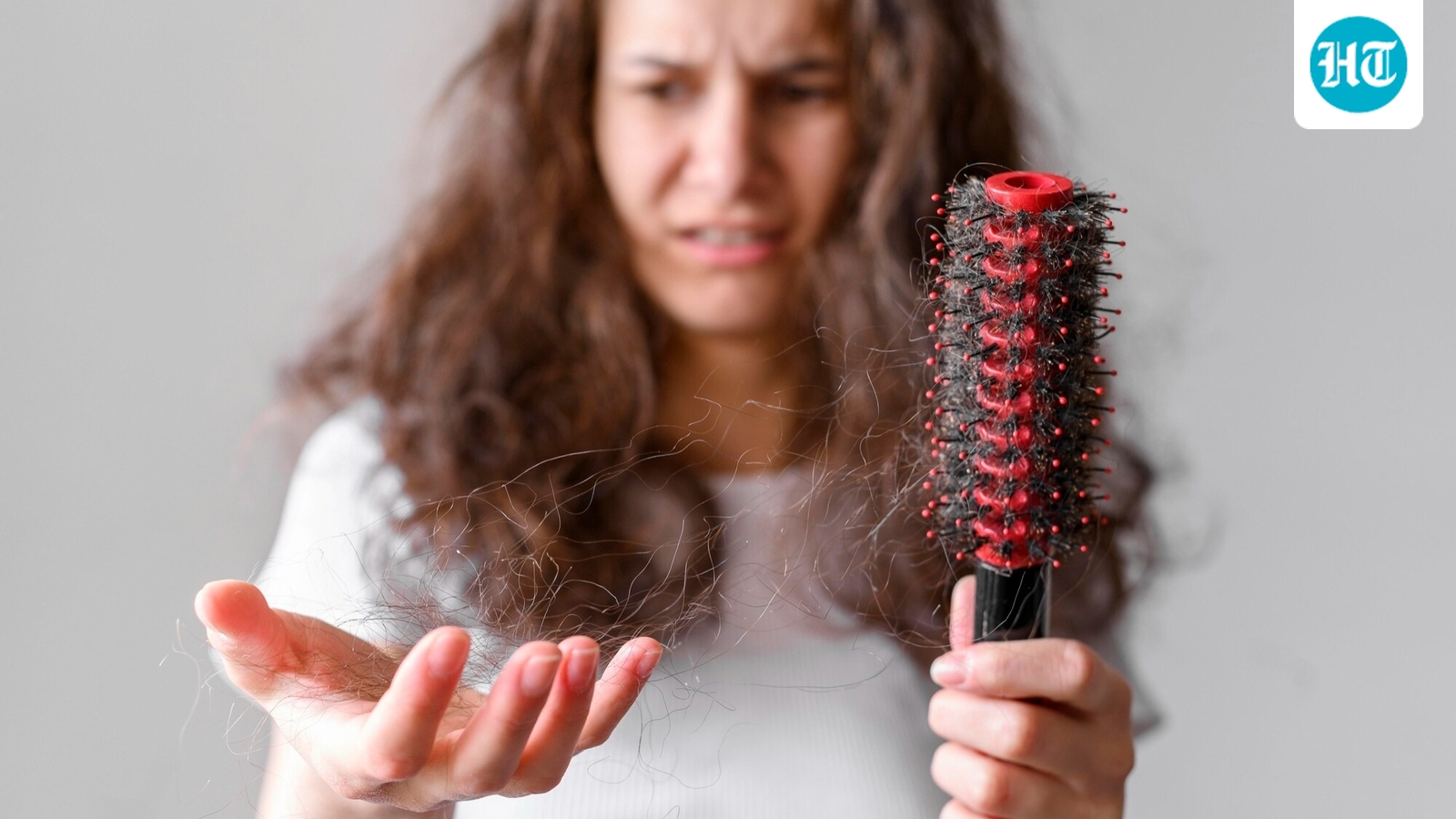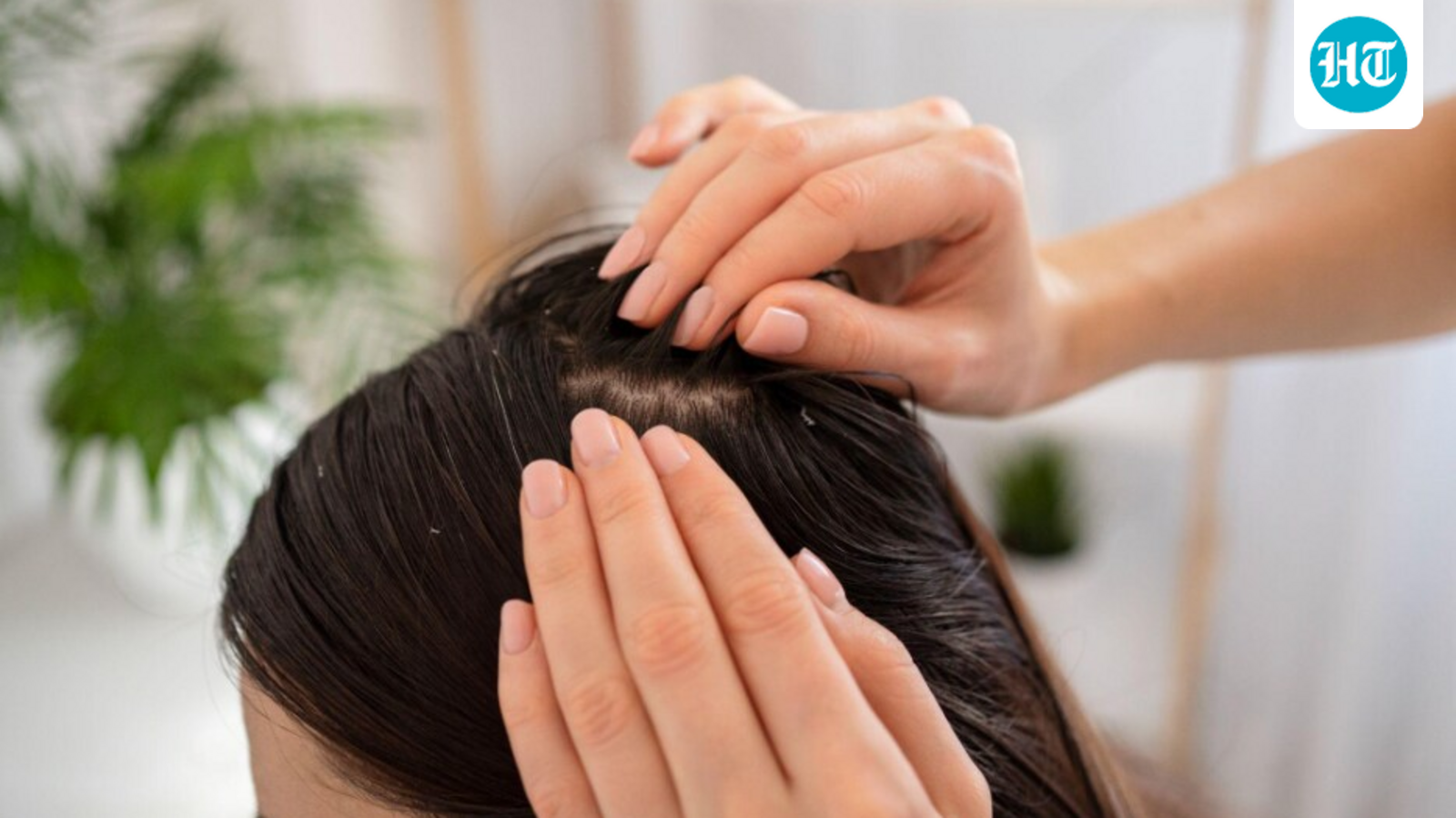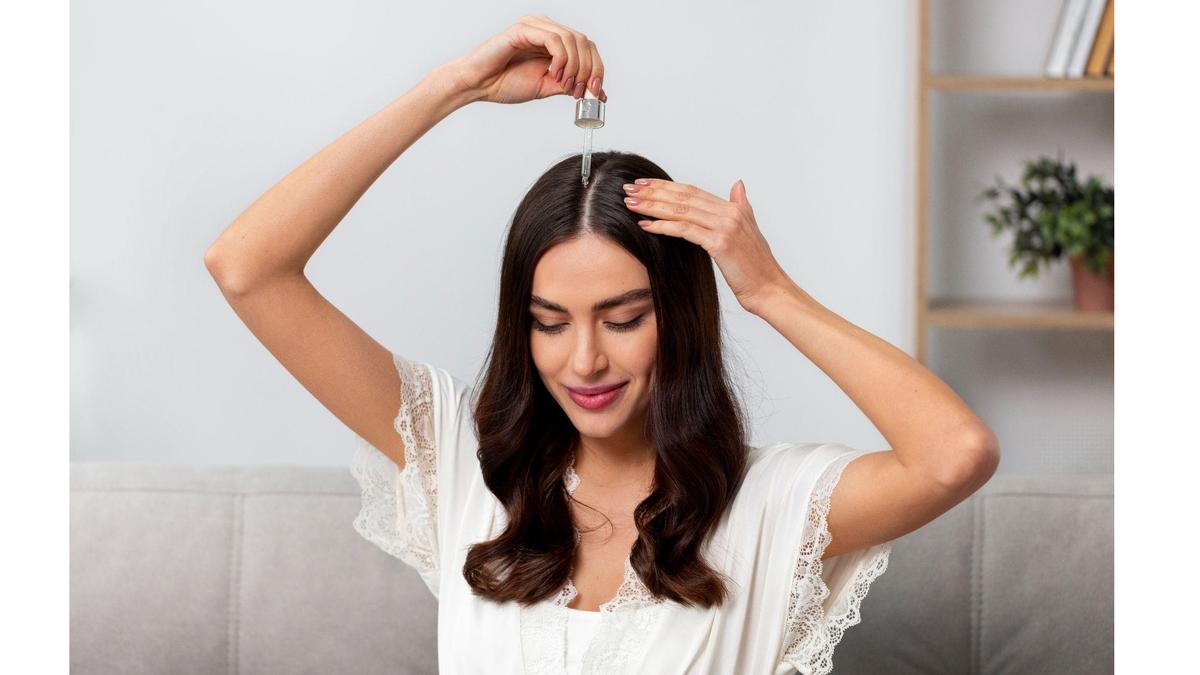
Starting a hair care routine feels straightforward until you’re two weeks in, still looking at the same hair in the mirror, wondering if anything is actually working. Most people either quit too early or panic when they don’t see immediate results. Understanding what’s actually happening to your hair — month by month — makes all the difference.Why Hair Takes Longer to Respond Than You ThinkHair is not like skin. Skin can visibly change in a week. Hair, however, grows from follicles that sit deep beneath the scalp, and those follicles operate on their own biological clock. Hair Growth happens in cycles — anagen (active growth), catagen (transition), and telogen (resting and shedding). At any given time, different follicles are at different stages of this cycle.This is why a new routine rarely shows dramatic changes in the first few weeks. You’re not targeting the hair you can already see. You’re working on the environment around the follicle — oil balance, scalp health, inflammation, circulation, and nutrient delivery. Results follow, but they follow the biology, not your timeline.Month One: Adjustment, Not ResultsThe first month is almost entirely about adjustment. Your scalp is recalibrating. If you’ve switched from a harsh shampoo to something gentler, your scalp might temporarily produce more oil than usual. If you’ve introduced a new topical treatment, you might notice mild flaking or sensitivity before things settle down.Some people experience a temporary increase in shedding during this phase. This is often normal. Weak or damaged hairs that were already in the telogen phase get pushed out as healthier cycling begins. It’s unsettling to see, but it’s often a sign the process has started.What to focus on in month one:• Consistency over intensity — don’t switch products every two weeks• Scalp care, not just hair care — clean, balanced scalp is the foundation• Patience with the adjustment period without interpreting it as failureMonth Two: Subtle Internal ShiftsBy the second month, if you’re doing things right, the changes are mostly internal. Follicle health is improving, inflammation may be reducing, and new hair strands — often very fine ones — may be starting their growth phase. You probably won’t see them yet, but they’re forming.This is also the month where people start questioning everything. Progress isn’t visible enough to feel satisfying, but you’ve already invested time. The temptation to try something new or add more products is strong. Resist it. Piling on interventions doesn’t speed things up — it just makes it impossible to know what’s actually working.If you’re dealing with hair thinning and have started an integrated routine that addresses internal causes like nutrition deficiencies or hormonal imbalance, month two is when those corrections are quietly working at the root level.Month Three: When You Start to See SomethingThis is where it starts to feel real. By the third month, new growth that began in month one or early month two has had enough time to become visible. Fine baby hairs along the hairline or crown are often the first signs. Overall shedding usually starts to decrease noticeably.Hair texture can also improve during this phase — strands may feel stronger and look less dull. This is a result of cumulative care, not one magic product. It reflects weeks of better scalp circulation, reduced breakage, and improved nourishment reaching the follicle.For those who started a structured, science-backed plan — understanding the Traya 1 month kit price early on helps set realistic budget expectations alongside realistic result expectations — month three often marks the point where the commitment starts to feel worth it.The Role of Internal Health in the TimelineOne thing most people underestimate is how much internal health affects this entire process. Deficiencies in iron, vitamin D, B12, or zinc can dramatically slow follicle recovery. Chronic stress keeps more hair in the resting phase than usual. Poor sleep affects the hormones that regulate hair cycling.A topical routine addresses the outer environment of the follicle. But if the body isn’t supporting growth from within, the timeline gets pushed further. Real improvement often requires both — consistent external care and attention to what’s happening internally.Final ThoughtsThree months isn’t a magic number, but it’s the minimum window needed to genuinely evaluate whether a hair care routine is working. The biology simply doesn’t move faster than that. What matters most is understanding that the goal isn’t just growing hair — it’s creating the right conditions for your follicles to do what they’re already designed to do. Give it time, stay consistent, and look for gradual progress rather than dramatic overnight change. That’s what sustainable hair health actually looks like.“This article is part of the sponsored content programme.”
What to Expect in the First Three Months of a Hair Care Routine
What to Expect in the First Three Months of a Hair Care Routine
769 words~3 min read