Listen
/
1.0x
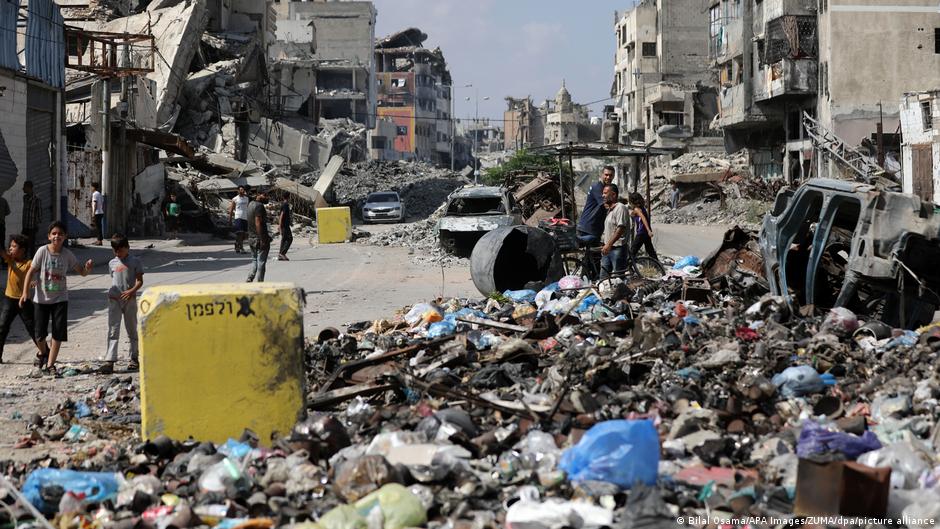
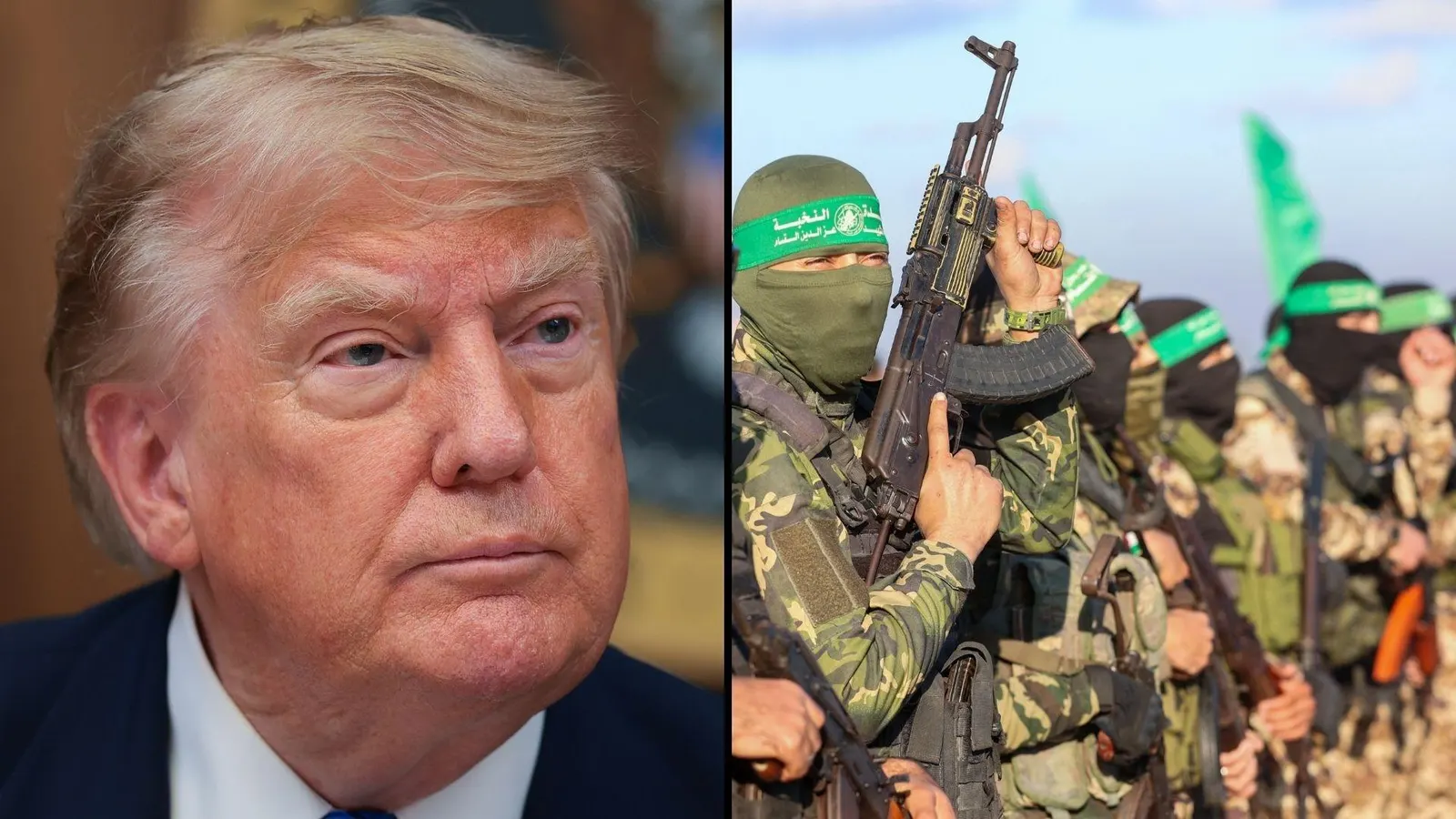
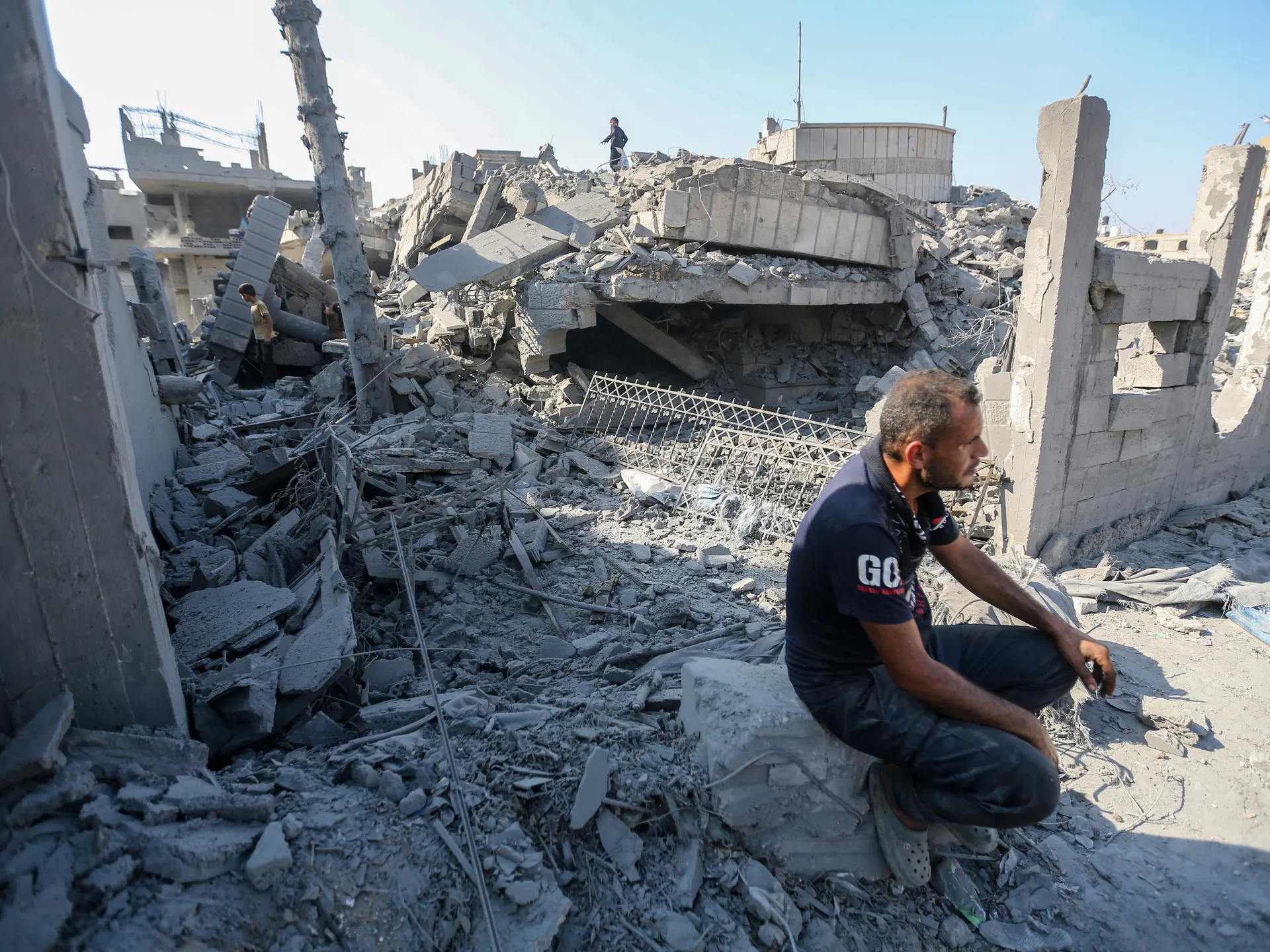
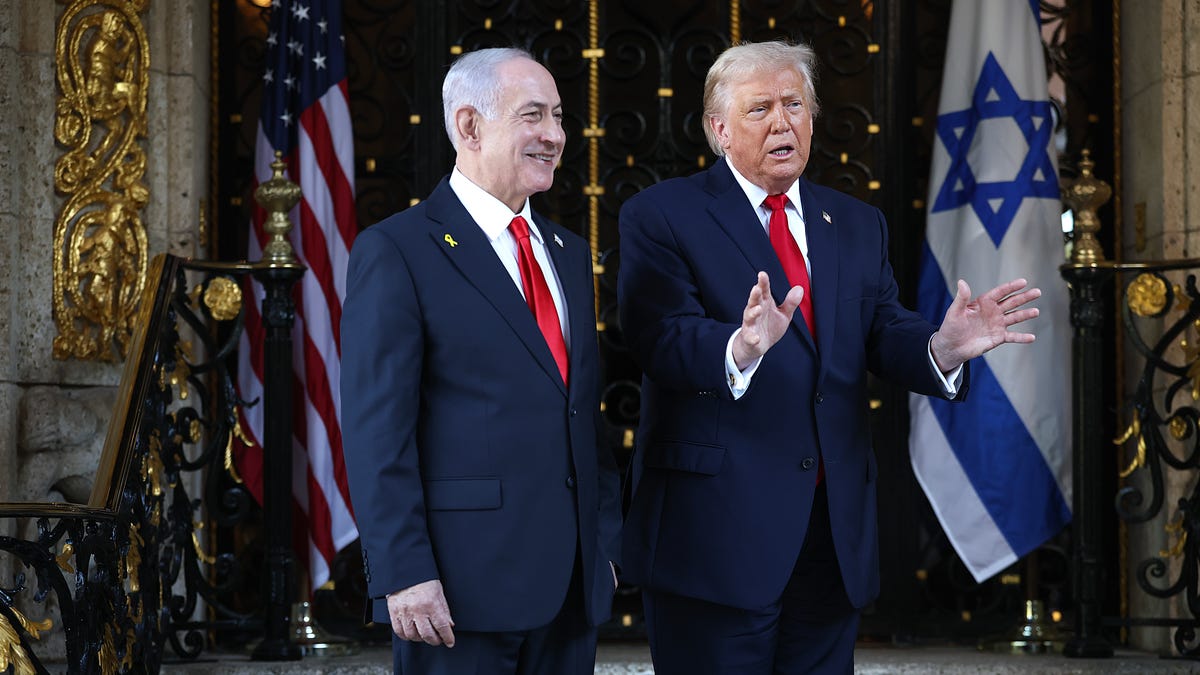
A few days after Donald Trump expressed his satisfaction with the recent agreement on Gaza, Israel made it clear that the deal fell short of its ambitions. The agreement had become possible after Hamas announced, for the first time, its willingness to hand over its weapons to the Palestinian committee established under the Board of Peace created by Trump. Rather than responding to the optimism expressed by all parties, Israel reacted with further military escalation, destruction, and the killing of civilians. This is not the first time Israel has placed Washington in an awkward position. This article raises a central question: can Washington compel Israel to implement the current agreement on Gaza? The agreement is significant because it moves the implementation of Trump’s twenty-point peace plan into its second phase. By analysing the conditions that Israel considers insufficient to meet its objectives, the article examines both the extent to which Israel may be able to obstruct the implementation of the agreement and the limits of its ability to do so. It also compares Trump’s ability to secure Israel’s compliance with the terms of the agreements concerning Lebanon and Iran in order to assess whether he can likewise ensure Israel’s implementation of the current agreement on Gaza.