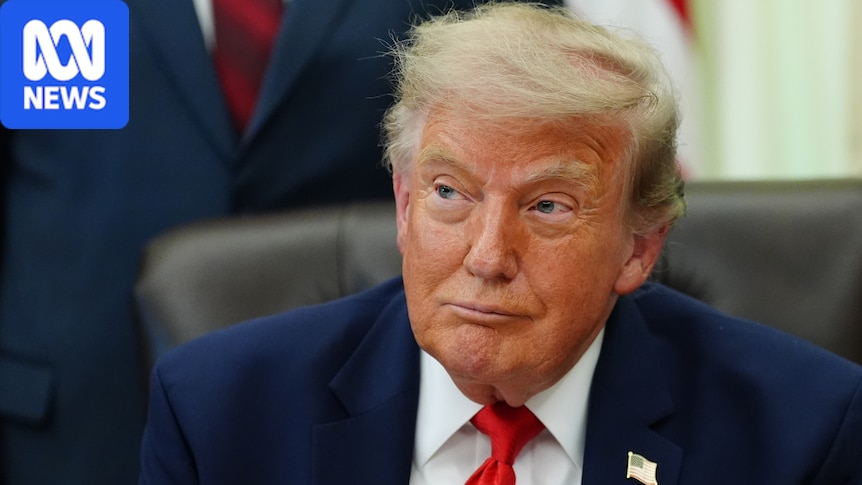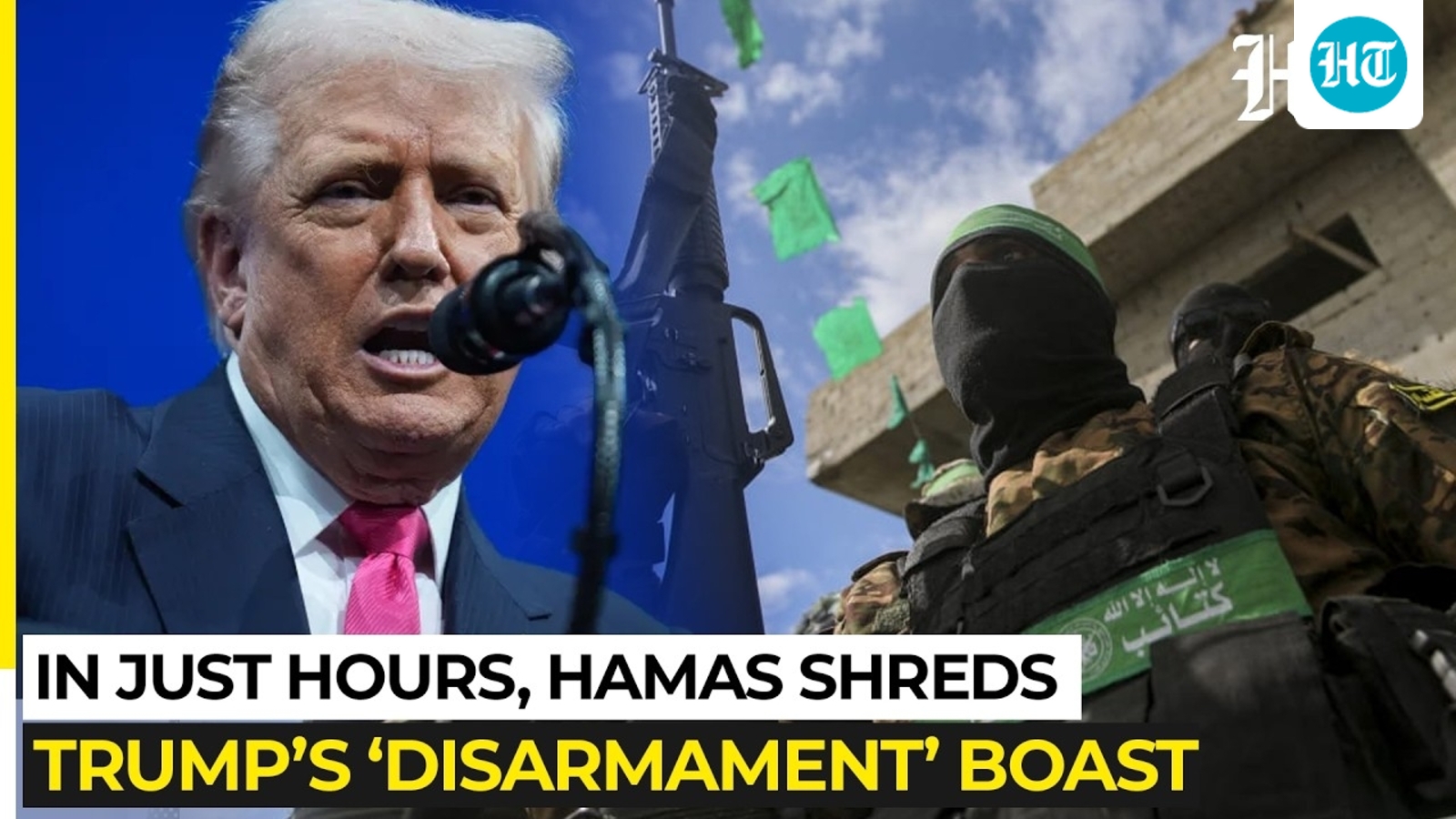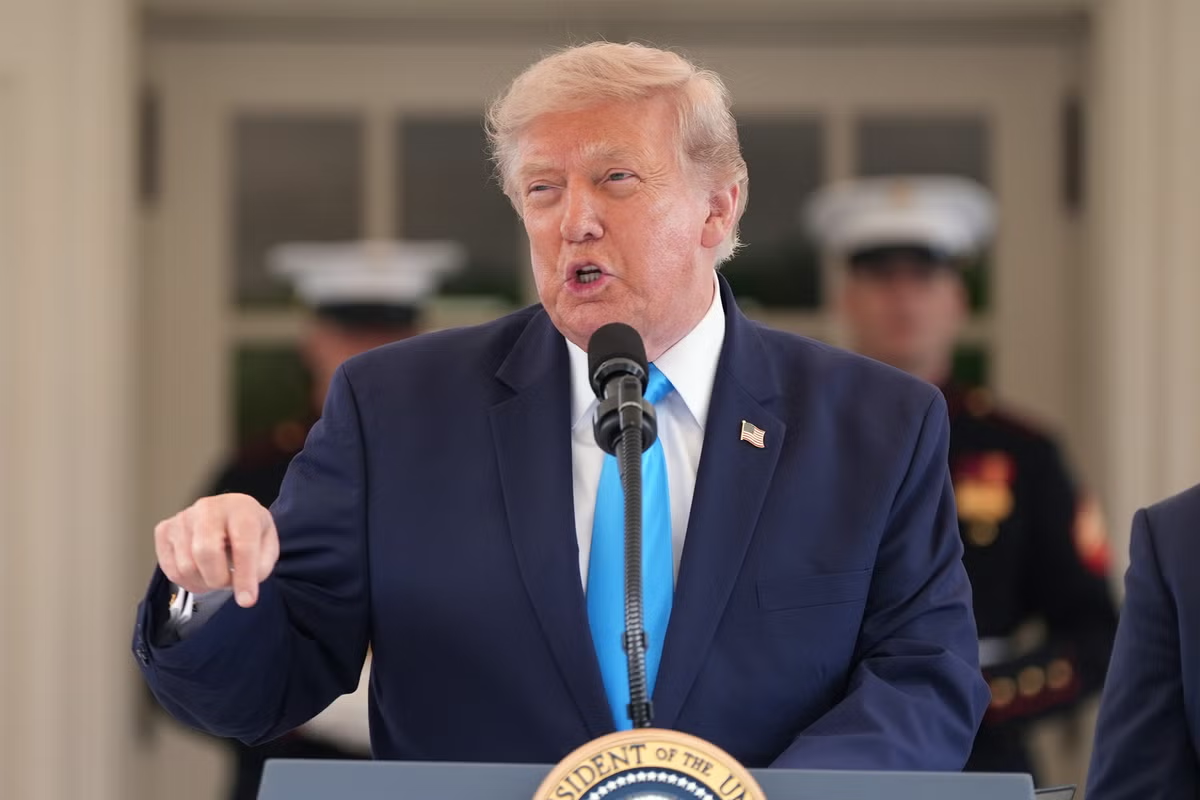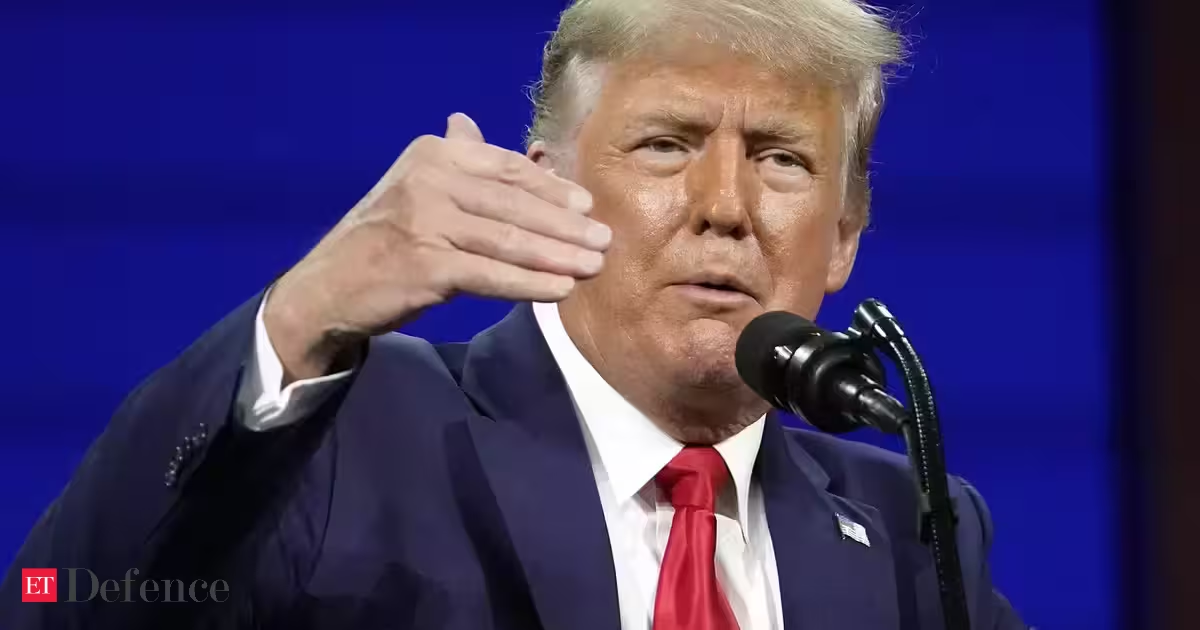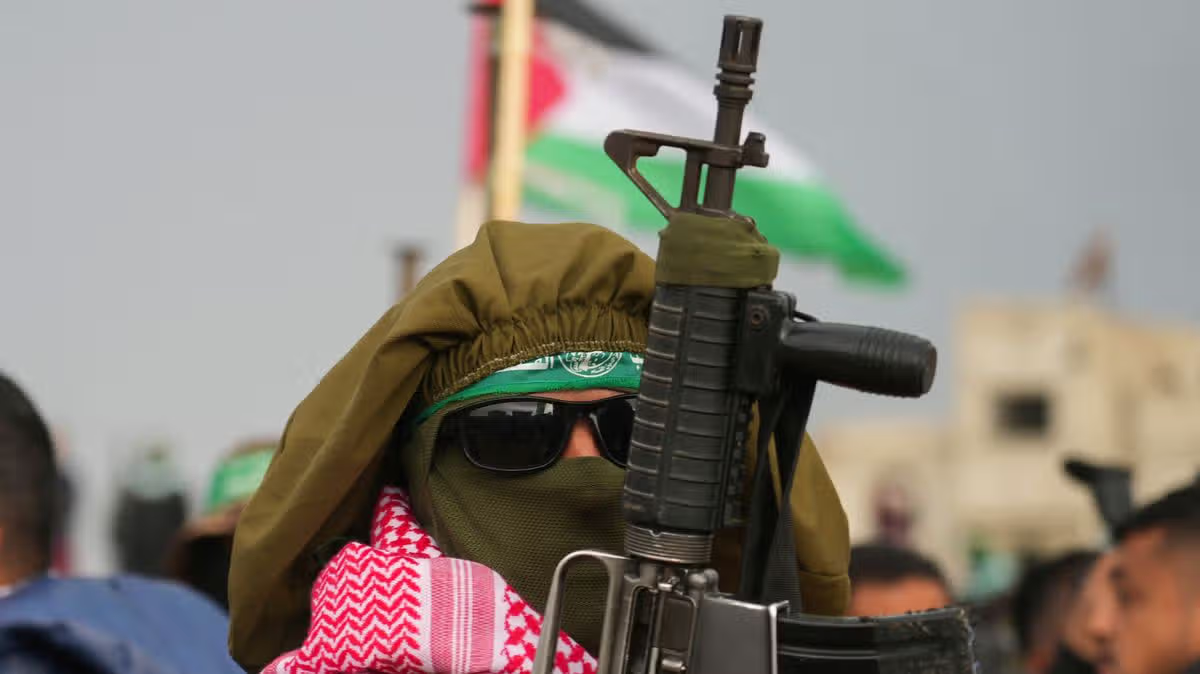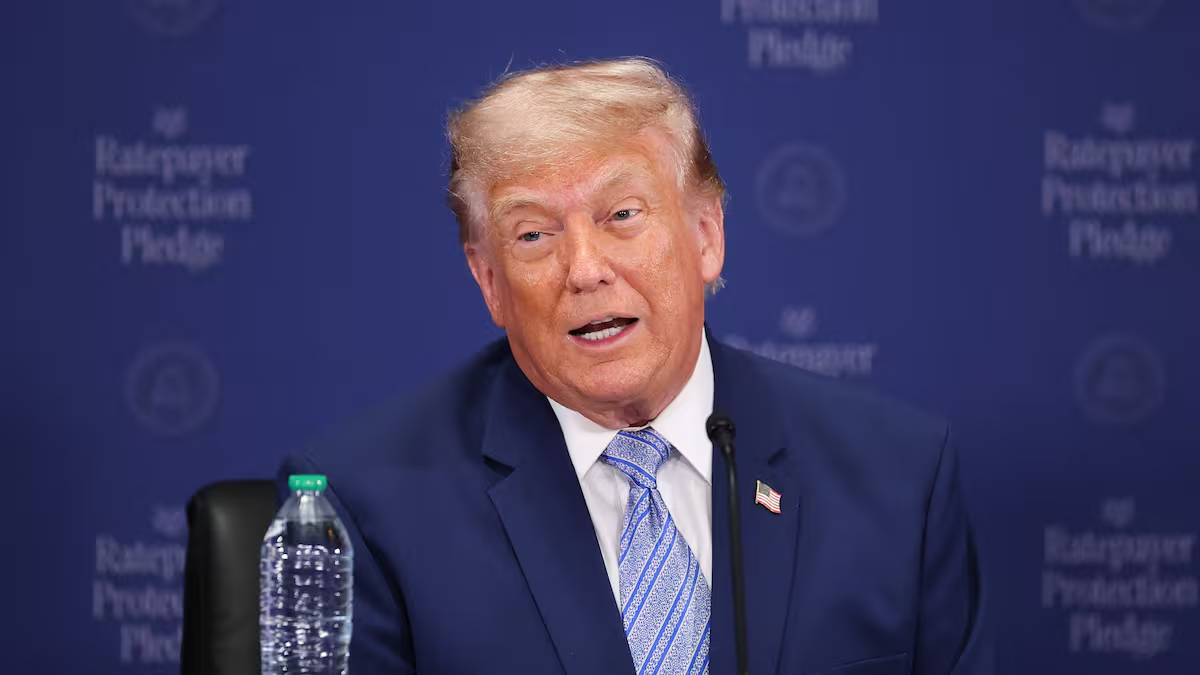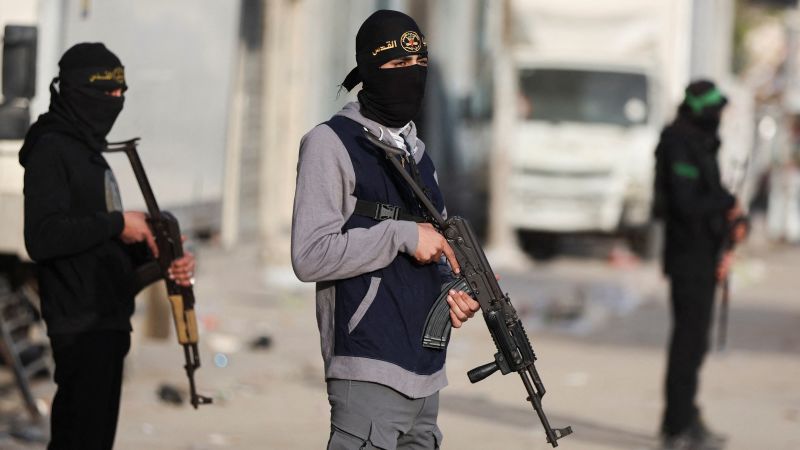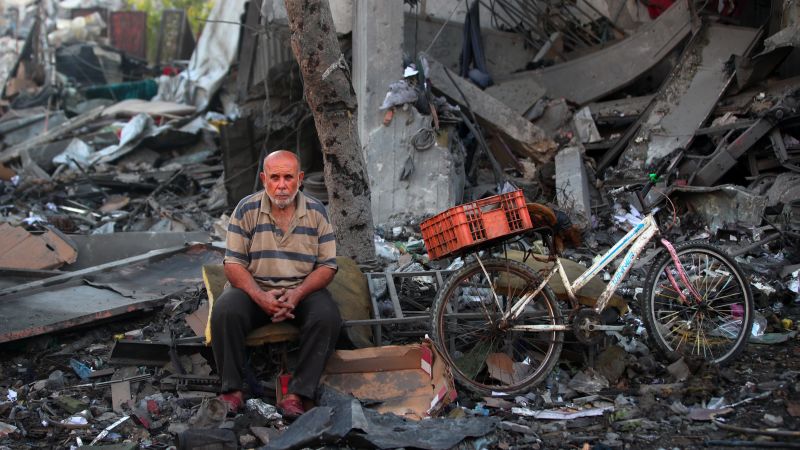
On the face of it, US President Donald Trump’s announcement that Hamas, and all other armed groups in Gaza, have agreed to disarm seems historic.
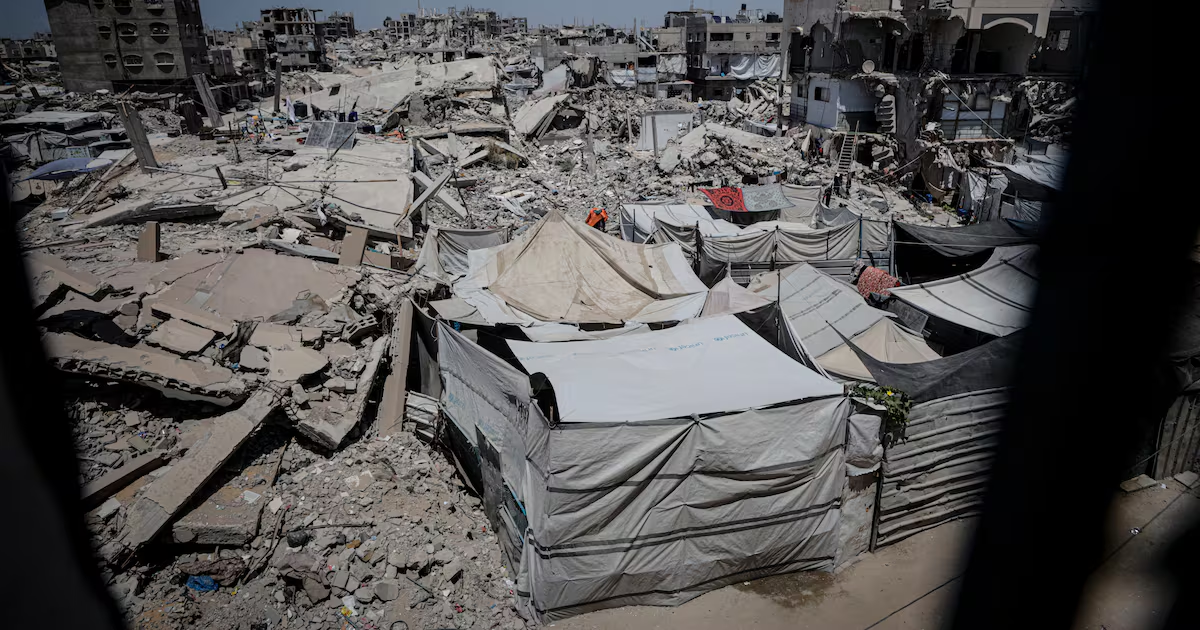
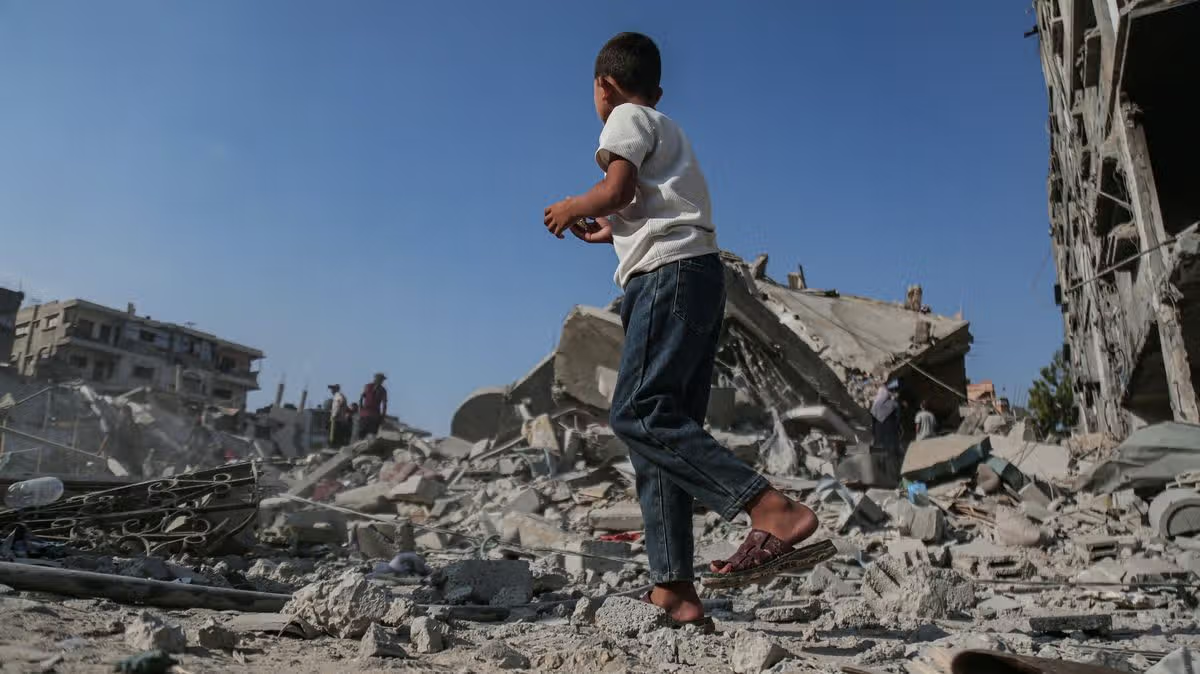
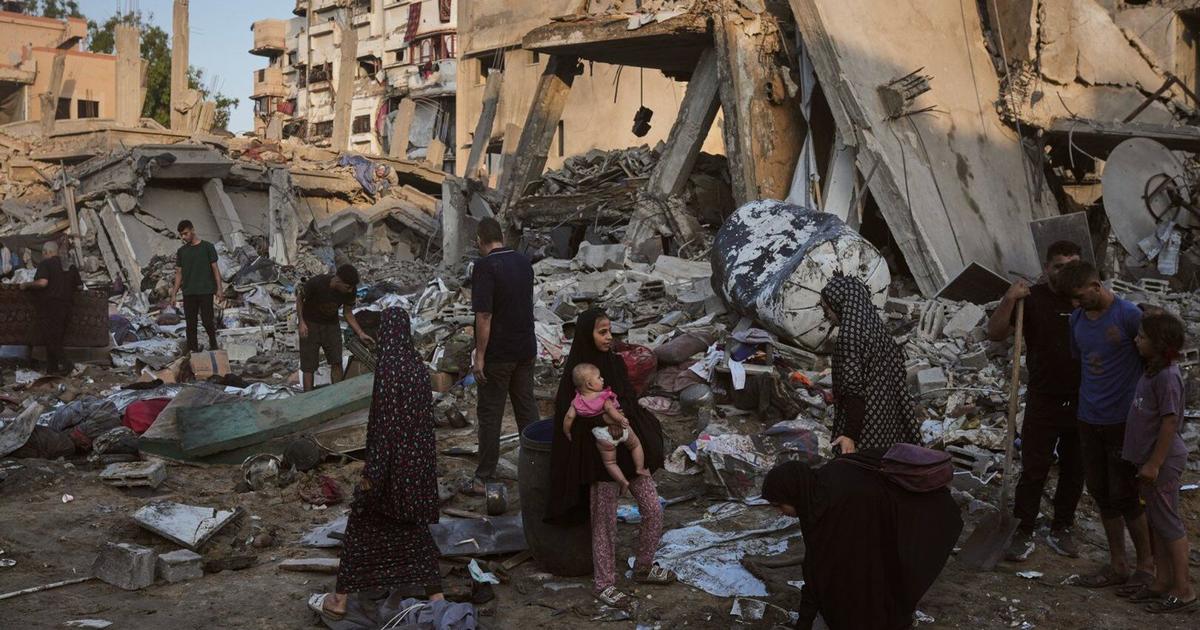
Hamas has never agreed to a specific disarmament plan before and, if it does come to pass, it would represent a critical step in implementing a lasting peace in Gaza, following a brutal years-long war which has decimated the enclave. But, as in every diplomatic agreement, it is the details and proposed sequencing of steps that matter. And the reactions from Hamas and Israel suggest this process might not be as simple as Trump indicated in a Truth Social post on Thursday.
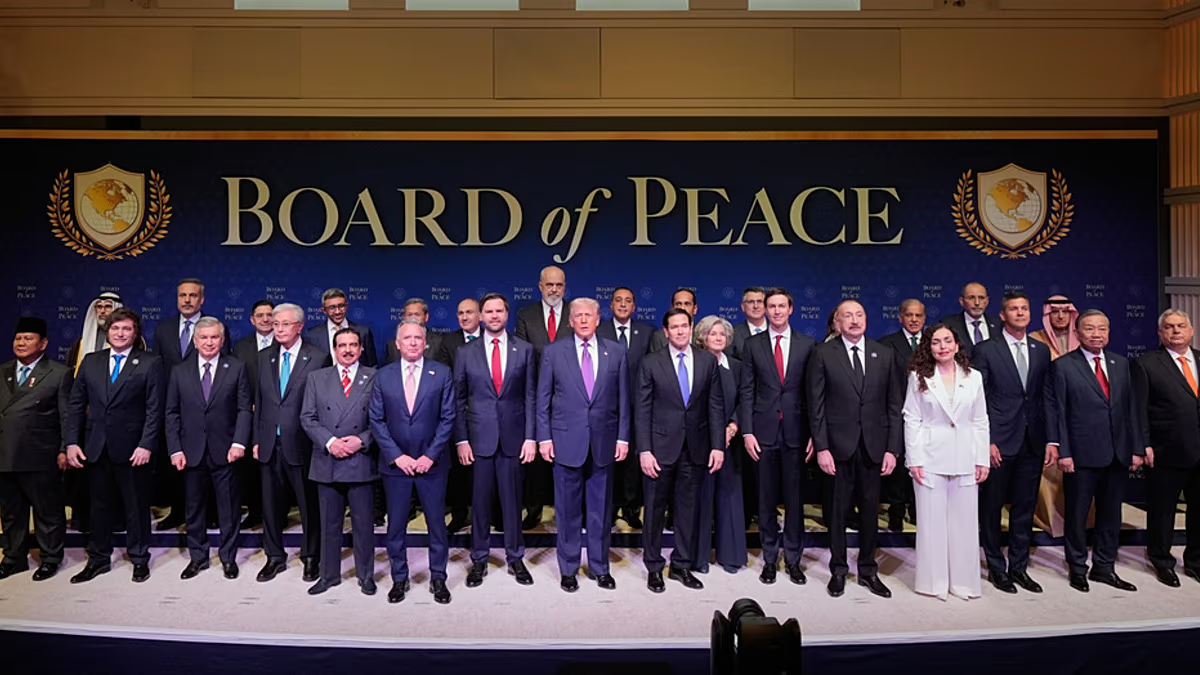
The “Board of Peace reached a HISTORIC agreement for the COMPLETE DISARMAMENT of Hamas and all other armed groups in Gaza,” Trump said. As that is completed, “Israeli forces will withdraw, and the International Stabilization Force will work with a new Palestinian police force to take responsibility for Gaza,” he added.
Some cautious optimism was present in the international community and among Gazans who spoke to CNN on Friday. But reaching a lasting peace deal in Gaza comes with significant challenges.
On Friday, senior Hamas official Ghazi Hamad confirmed to CNN that the group had reached an agreement to disarm, but only if Israel ceases fire, stops all targeted killings in Gaza, withdraws its troops to the so-called “Yellow Line” and allows for a surge of humanitarian aid consistent with the October ceasefire agreement. It also depends on the International Stabilization Force, a proposed temporary, multi-national security force in charge of demilitarizing Gaza, being deployed to the enclave, he said.