Serving tech enthusiasts for over 25 years.
TechSpot means tech analysis and advice you can trust.
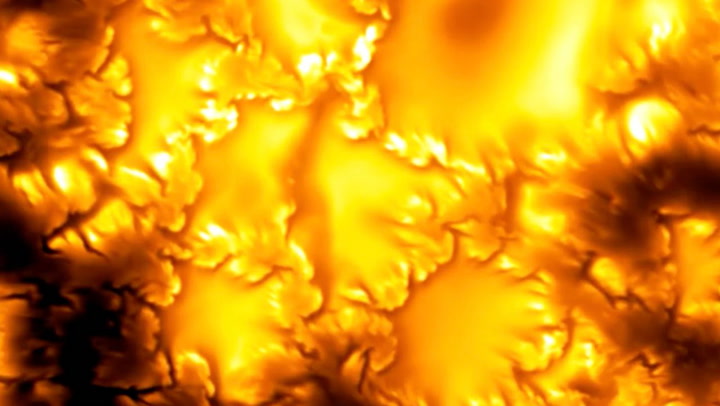
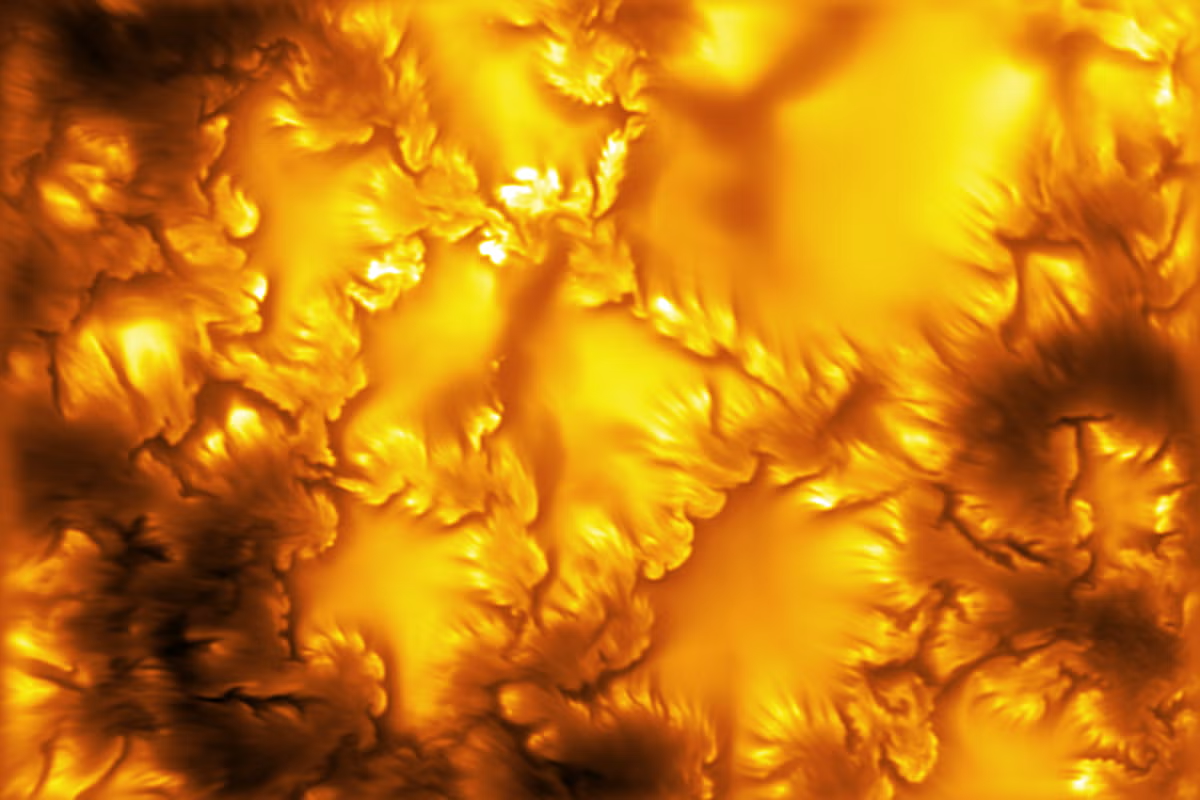
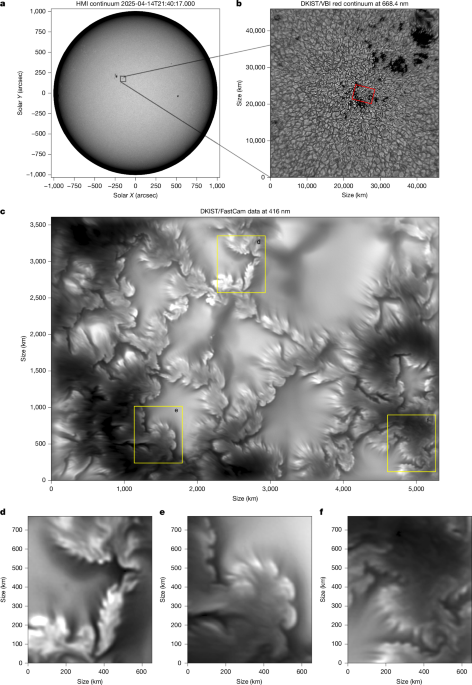
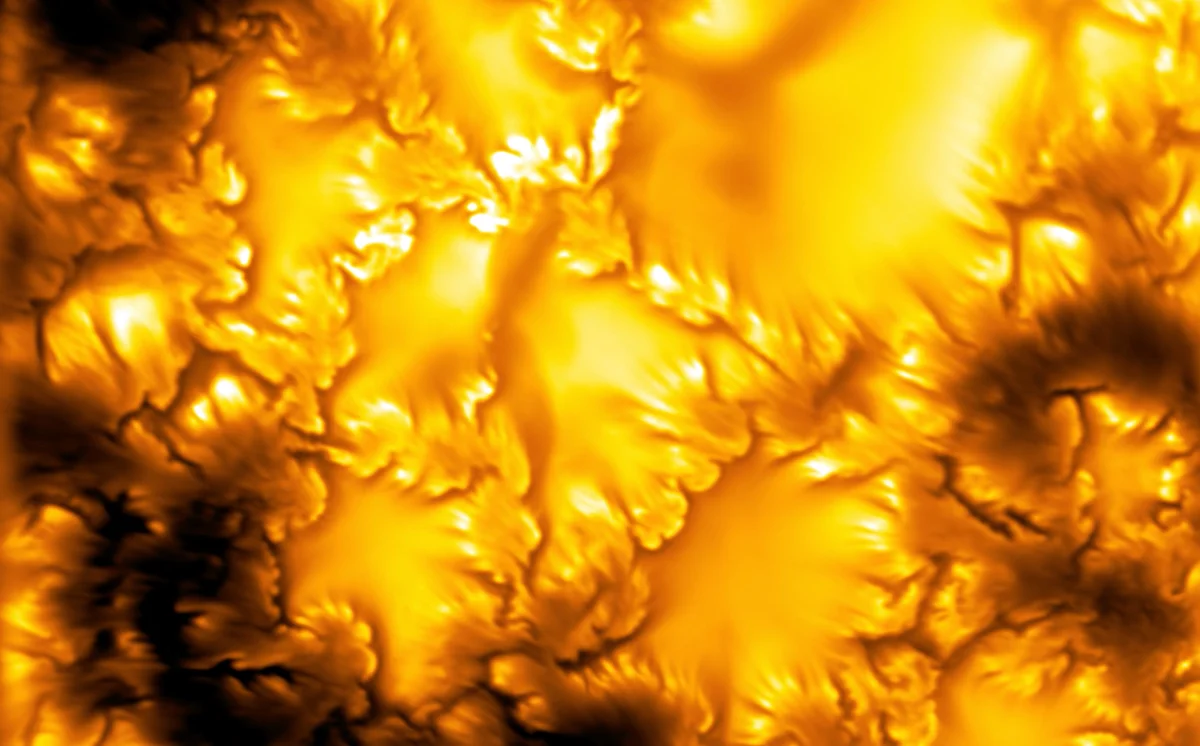
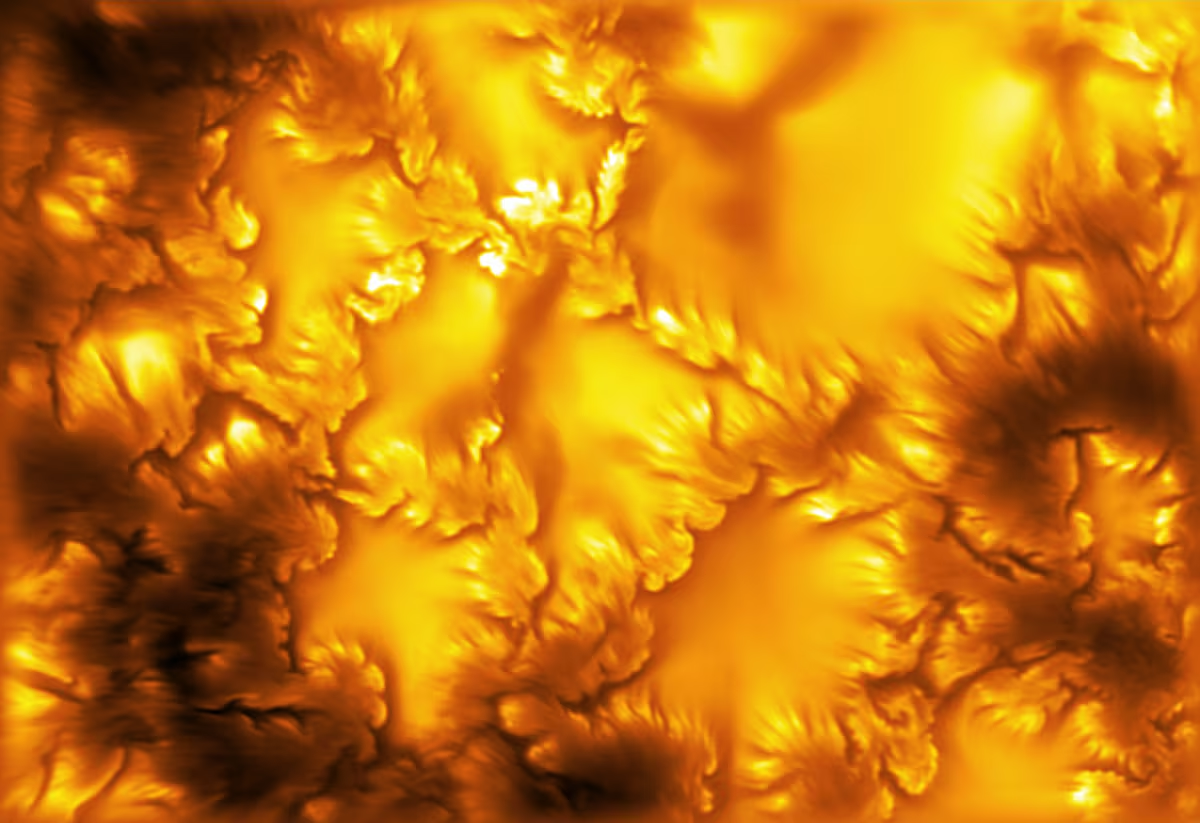
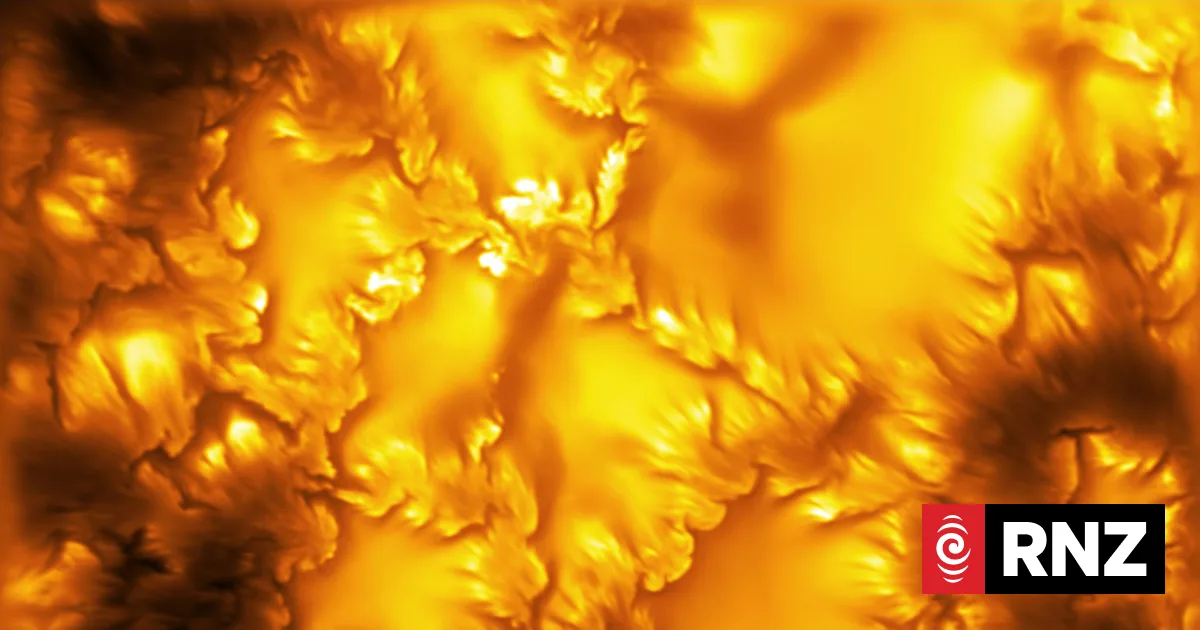
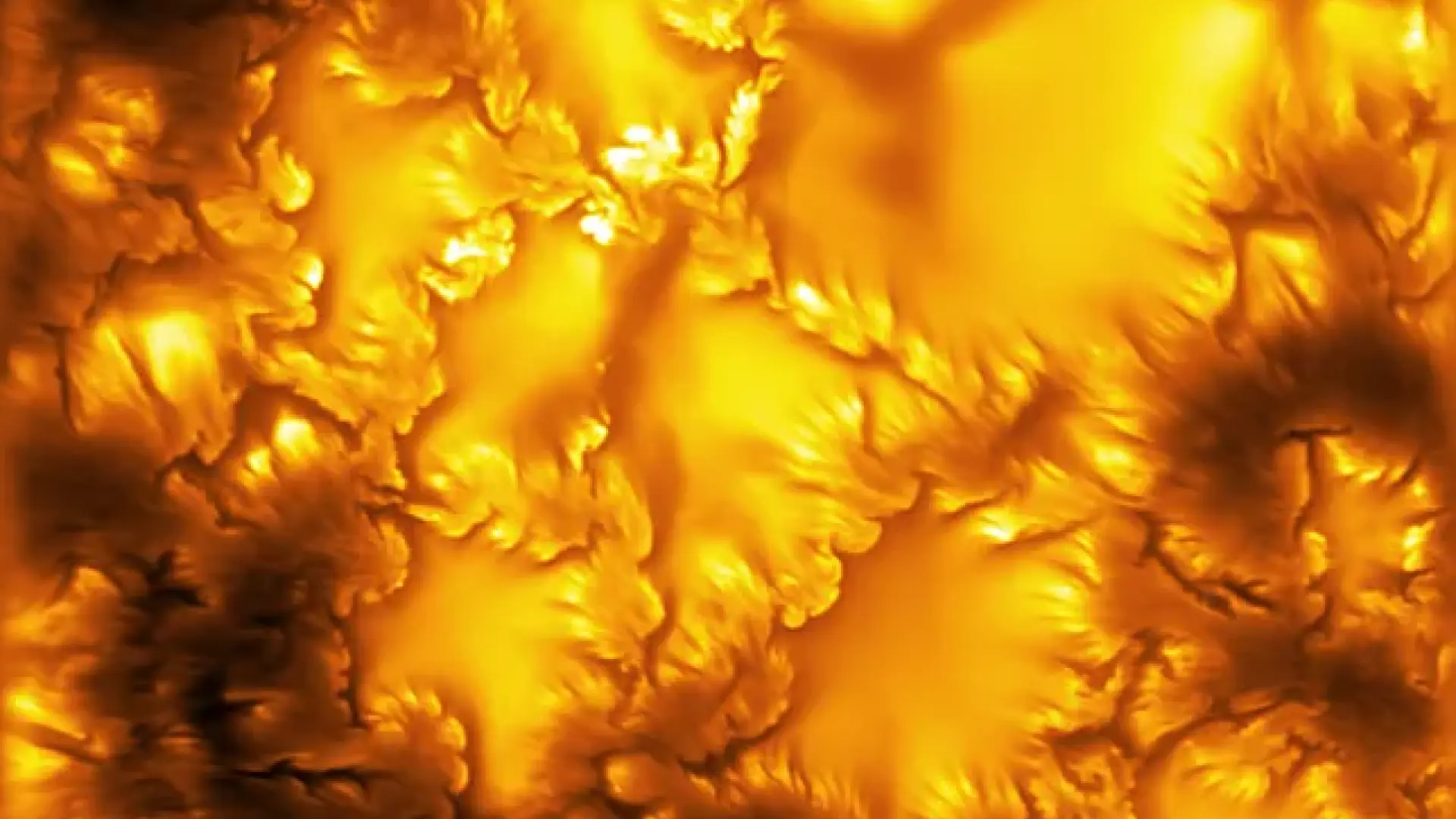
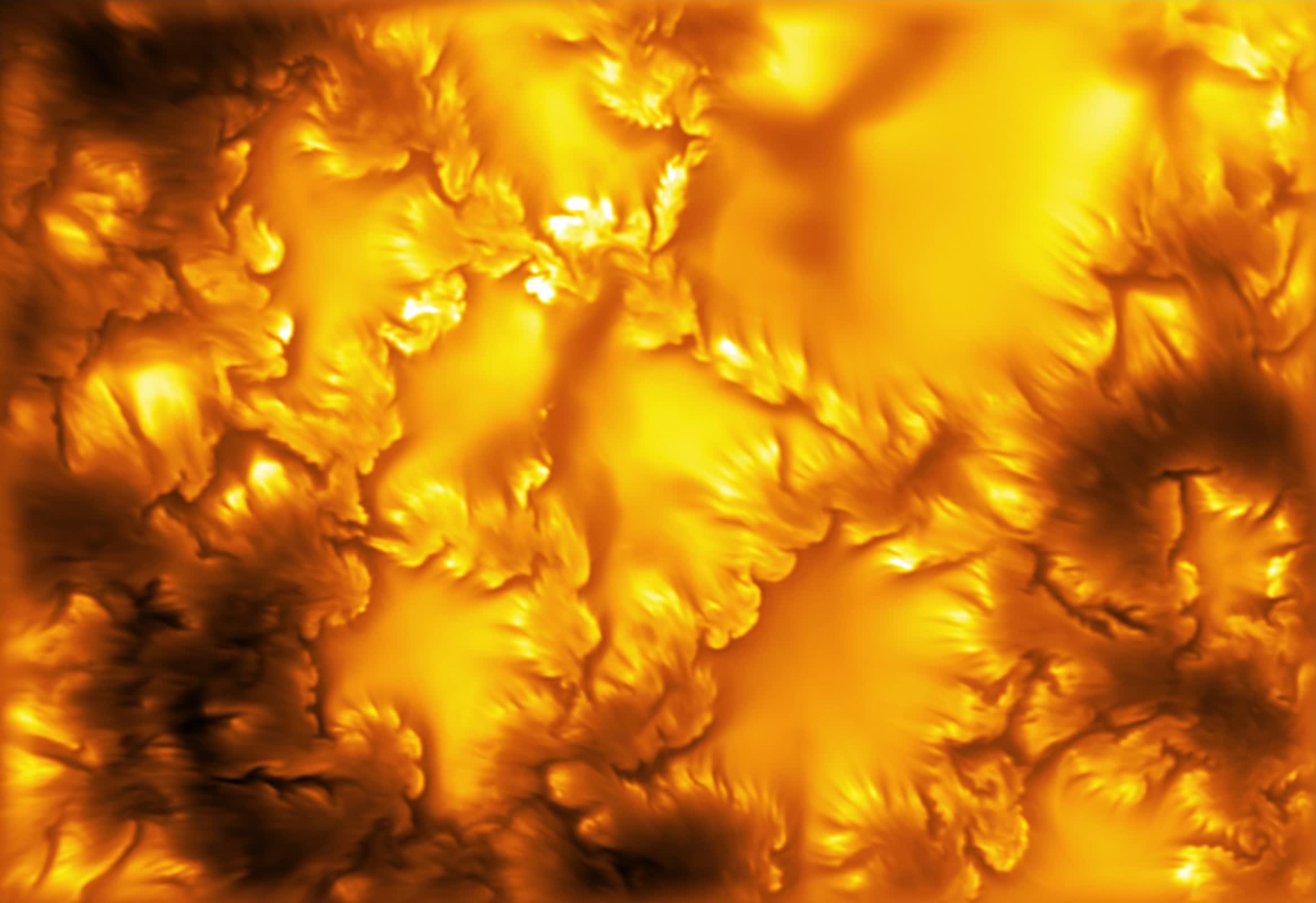
First look: Tiny whirlpools of magnetized plasma on the sun's surface have been captured in sharp detail for the first time, giving scientists a direct look at a long-predicted instability that could help explain how the sun stores and releases energy. Using the National Science Foundation's Daniel K. Inouye Solar Telescope on Maui, an international team recorded the highest-resolution images of the solar photosphere to date. In those images, they found dense fields of small, vortex-like structures along the edges of magnetic regions.
The patterns match what physicists expect from Kelvin-Helmholtz instability, a shear-driven effect seen in many fluids and plasmas but not previously resolved at such fine scales on the sun's visible surface. The results are detailed in a new paper in Nature, based on the telescope's 4-meter (13 foot) mirror and advanced optics that can resolve features only tens of kilometers wide.
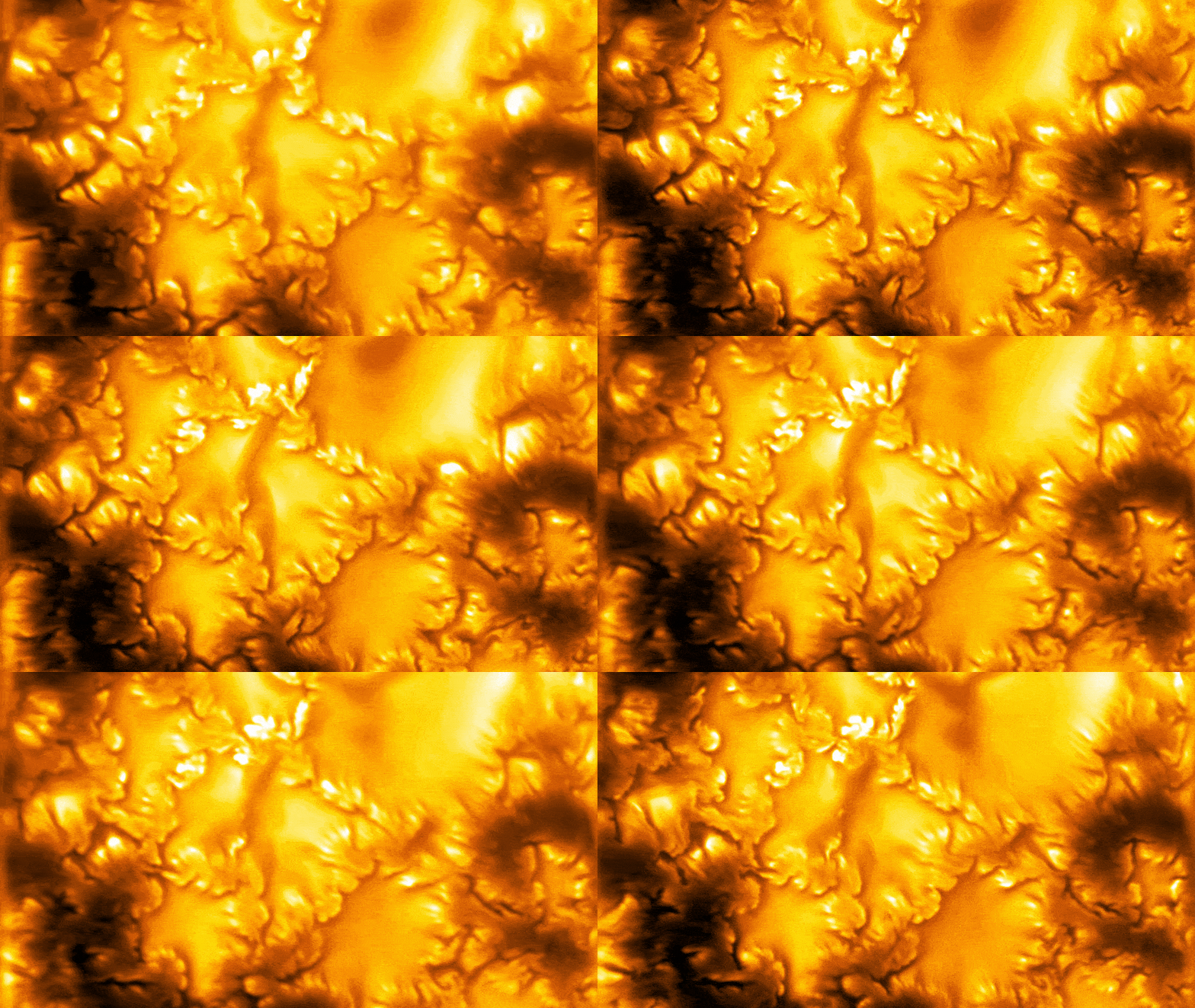
The team focused on a magnetically active area near a sunspot, where convection cells, or granules, constantly rise and sink and magnetic fields are concentrated. In time-lapse sequences, they identified many tightly spaced vortices at the boundaries of these magnetic patches.