Africa’s banking system was built around one assumption: the best borrowers earn regular salaries. But on a continent where most people earn their living in the informal economy, that assumption leaves millions of creditworthy consumers outside the financial system.
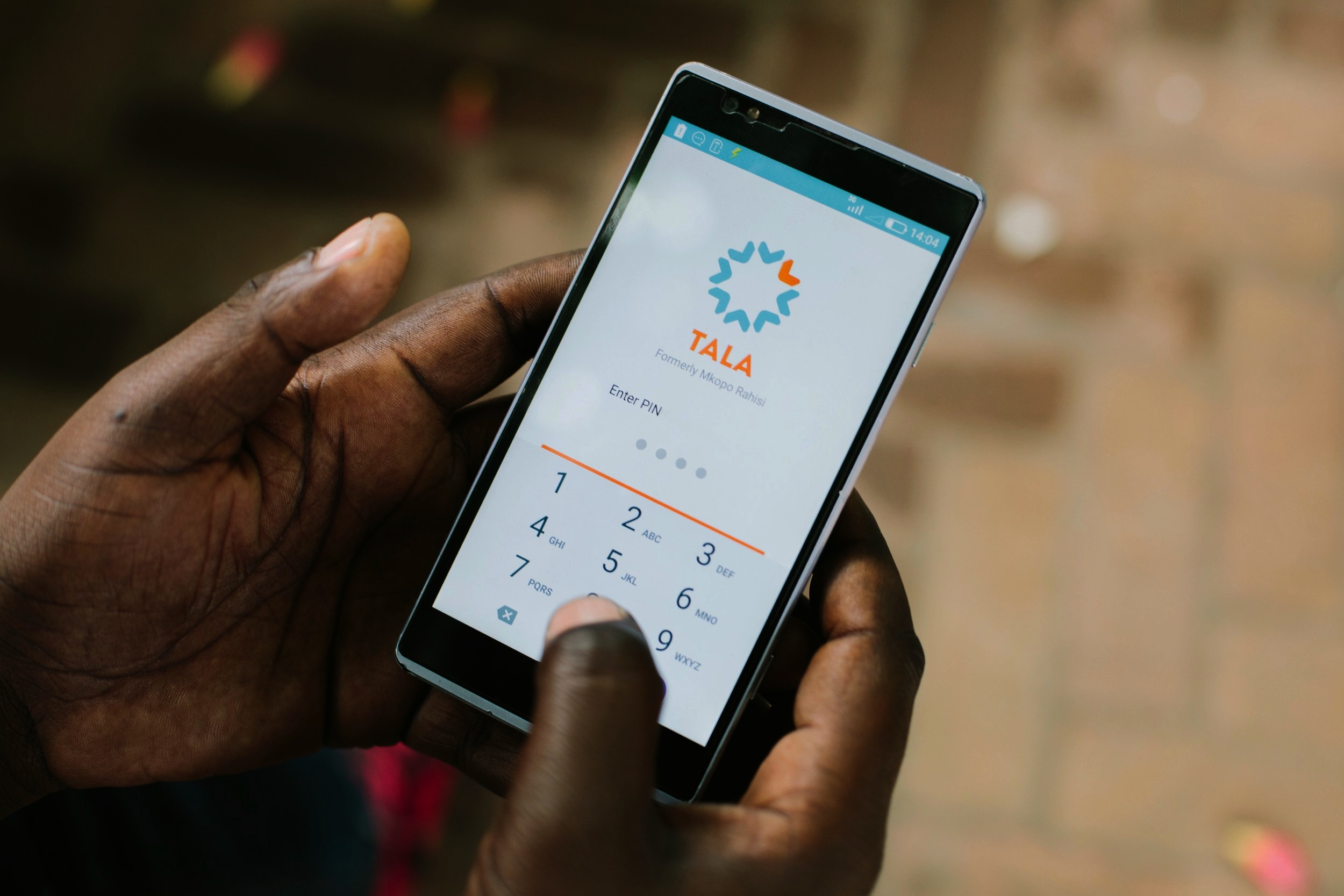
Banks are not abandoning the payslip. They are widening the pool of information they use to assess borrowers, drawing on mobile money transactions, telecom activity, point-of-sale (POS) payments and other digital financial footprints to evaluate people who have long been excluded from formal credit.
That wider credit net reflects the reality that Africa’s economies are powered by informal businesses, gig workers, traders and entrepreneurs whose incomes rarely arrive as monthly salaries.
Traditional underwriting was designed for borrowers with formal employment contracts, bank statements and established credit histories. It struggles to capture how millions of Africans actually earn, spend and manage money.
For lenders, that has created a costly blind spot. Africa faces a $300 billion financing gap for consumers and small businesses.