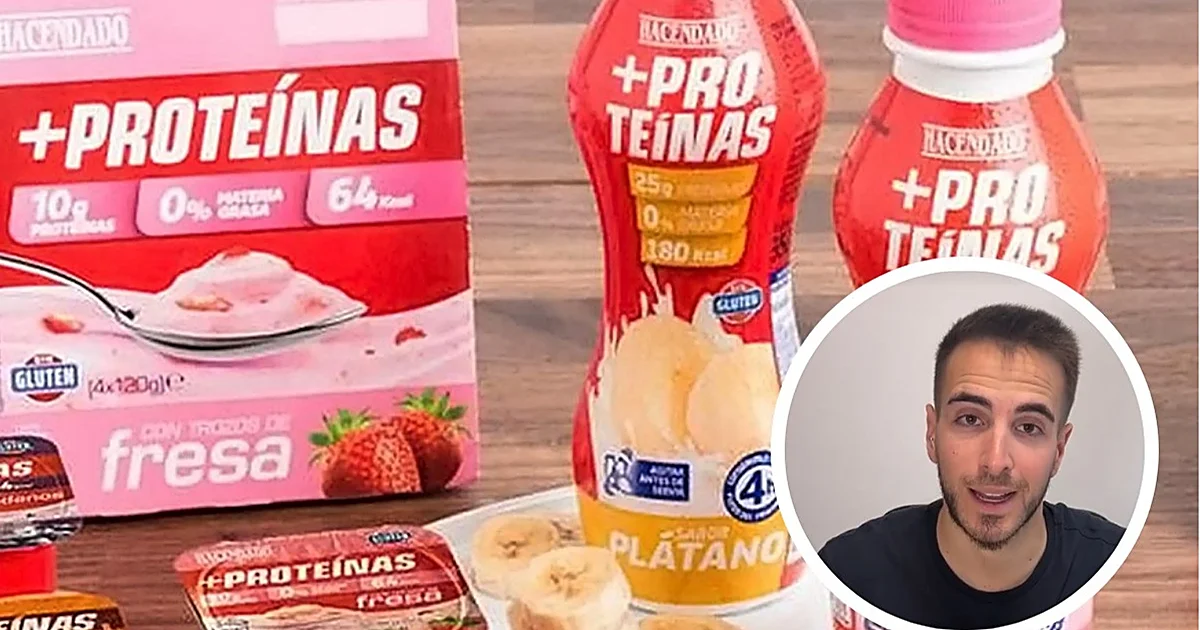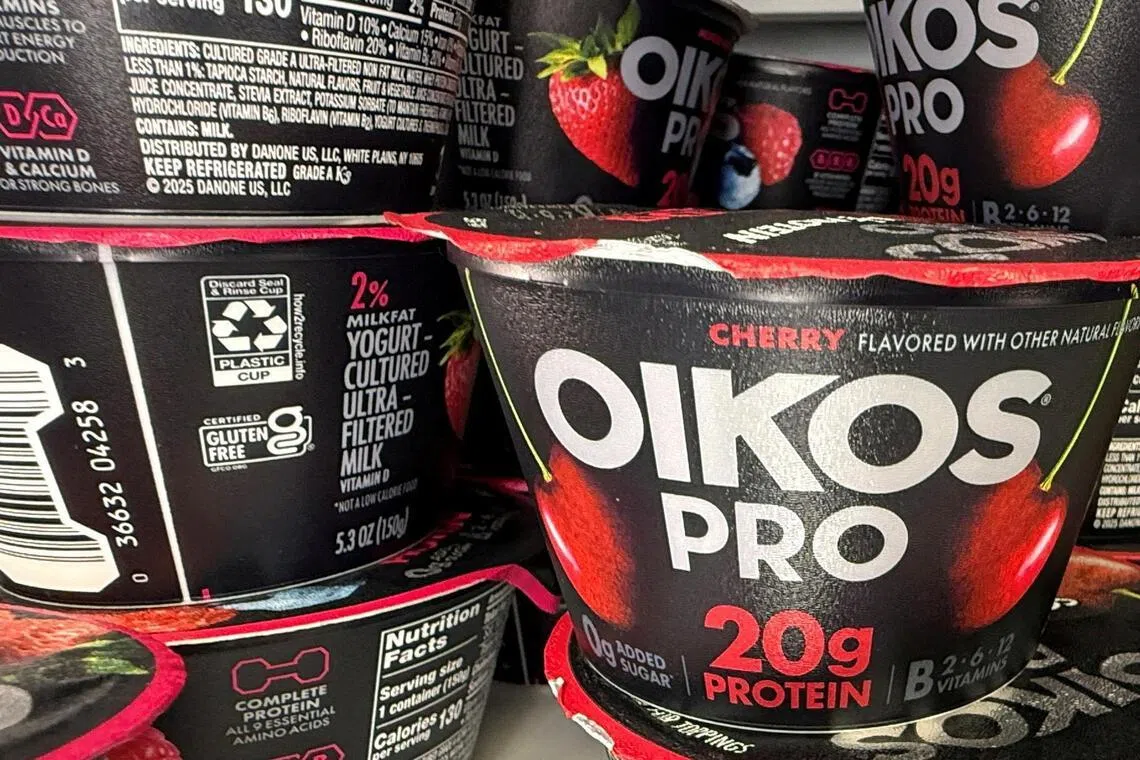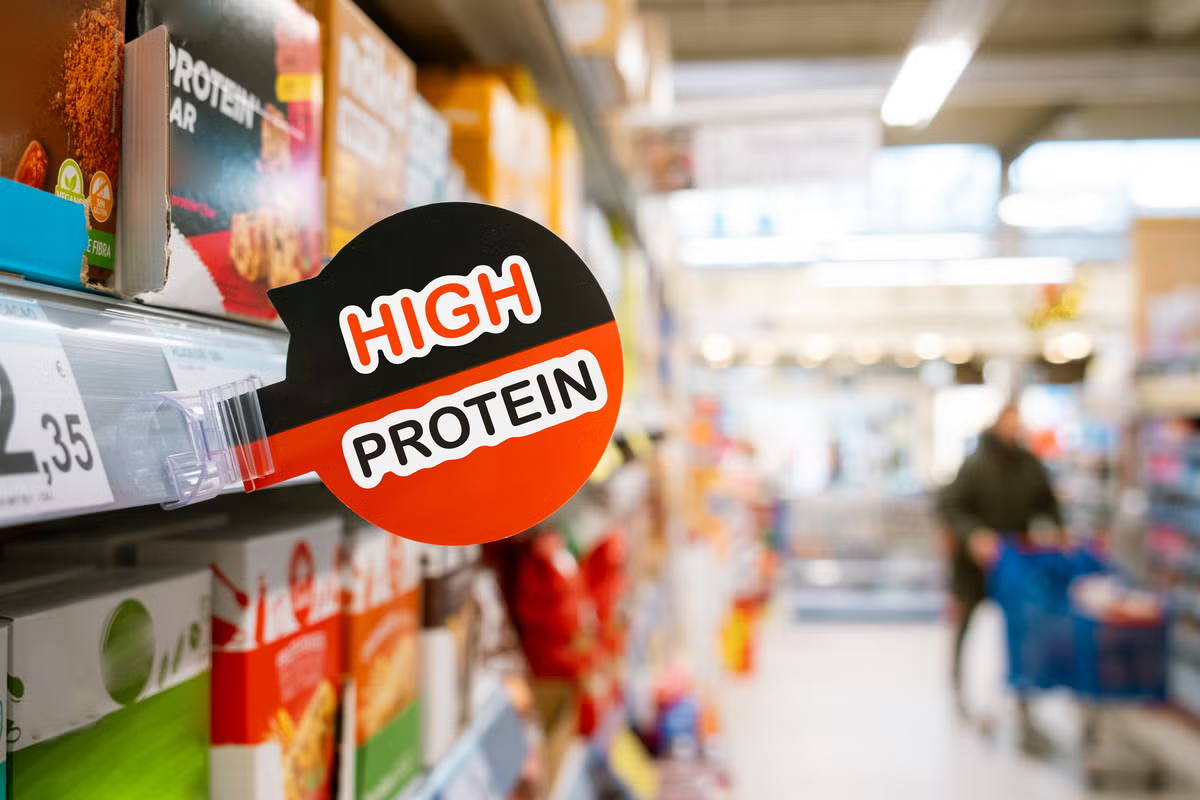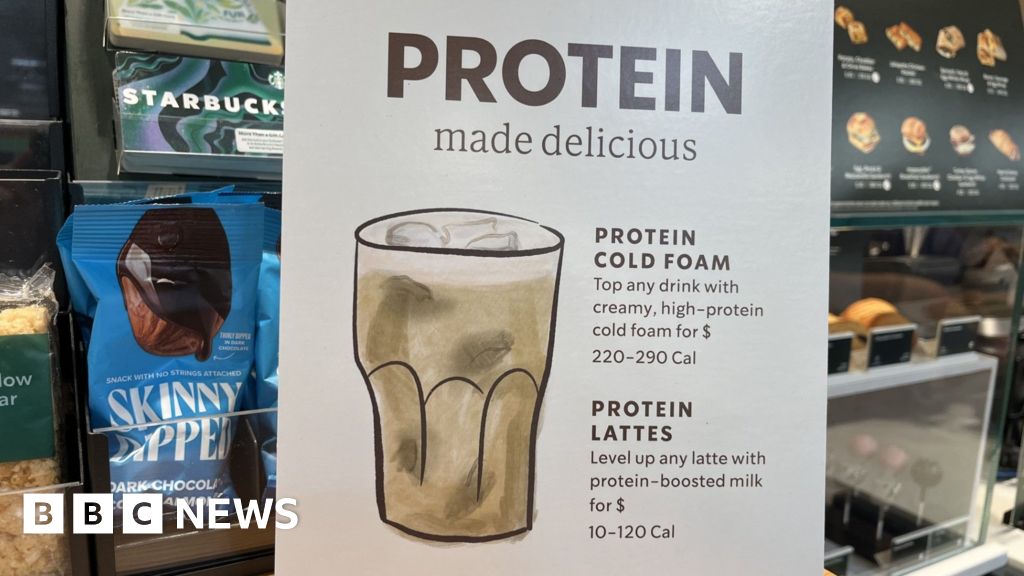
The yogurt aisle has become a protein competition. Some containers now promise up to 25 grams, printed bigger than the brand itself. Part of the reason is appetite — millions of Americans are now on GLP-1 drugs like Ozempic, eating less overall food and trying to preserve muscle as they lose weight. Protein “protects lean muscle mass during weight loss,” said Dr. Hector Perez, a bariatric surgeon at Renew Bariatrics in Mexico, and when a drug shrinks how much a patient eats, the “biggest concern, besides how much weight they lose, is the amount of muscle they lose along the way.”That has made protein one of the first things people look for when choosing foods like yogurt. Rafael Acevedo, who is president of yogurt for Danone North America, said households in which someone is using weight-loss drugs eat nearly three times as much yogurt as other households. But experts warn against choosing yogurts based solely on protein.Gabriela Tulian via Getty ImagesPlain Fage yogurt is a favorite of the nutritionists we spoke to, with the 2% milkfat version containing “two ingredients, real fat, no additives, and 17 grams of protein per 6-ounce serving,” according to registered dietitian Meaghan Ormsby.Perez thinks the products have pushed protein too hard. “I’ve watched the ‘fat-free everything’ era transition into the ‘add protein to absolutely everything’ era in my bariatric practice, and I think we’re now somewhere between smart nutrition and a marketing frenzy,” he said. “A cookie with extra whey protein is still a cookie. A 20-gram protein soda is not automatically a health food.”One example is the brand Ratio. “Twenty-five grams of protein sounds impressive, but it gets there by ultrafiltering milk and adding whey protein concentrate, then they add in sucralose and carrageenan to hold the texture together,” said Meaghan Ormsby, a registered dietitian. “It’s technically a ‘yogurt-cultured dairy snack,’ not really even yogurt, but the protein number appeals to consumers.” Ormsby sees the same trend at home, where her three teenage sons keep “continuously trying to add high-protein products to my grocery list.” She sends them back to the case with a simpler test. “Our taste buds need a seat at the decision-making table,” she said. “The most protein-dense yogurt in the dairy case is useless if you don’t want to eat it.”“I do not believe that everyone needs 25 grams of protein in a single snack,” said Destini Moody, a board-certified sports dietitian. “A yogurt containing around 12 to 20 grams of protein is a suitable option for many people.” Her advice is to stop reading the front and turn the carton over: “Read the entire nutrition label rather than focusing only on the amount of protein.”Danielle Smiley, a registered dietitian who counsels women on weight management and GLP-1 use, says the protein number is only part of the decision. “The best yogurt is the one that provides meaningful nutrition, tastes good enough to eat consistently, and fits a person’s goals and budget,” she said. Smiley tells clients to spread out protein across the day, rather than pile it into one snack. “A snack containing roughly 10 to 20 grams of protein can be very effective, especially when paired with fiber-rich foods like fruit, oats, nuts or seeds,” she said. “Many people would benefit more from distributing protein consistently throughout the day than trying to maximize it in a single snack.”In her own fridge, Smiley has 2% milkfat or 5% milkfat plain and vanilla Greek yogurt, usually Fage, so she can “make it sweet, savory, high-fiber, or higher-calorie depending on what I need that day.”Nicole Langone, a registered dietitian nutritionist, also reads the back of the label first. “More than 10 grams of added sugar per serving turns a yogurt into a dessert,” she said. A row of thickeners is the other thing she watches for: “Modified corn starch, pectin, guar gum — these aren’t harmful, but they signal over-processing,” since a strained yogurt is thick without them.Sweeteners are a different category. “Stevia, sucralose, monk fruit, these are safe, but some people avoid them by choice,” she said. “If zero-sugar yogurts using these make you uncomfortable, opt for plain varieties, and sweeten at home with berries or honey.”Before choosing a brand, decide on the style of yogurt. Greek yogurt or Icelandic skyr (which is a cultured dairy product with live cultures added to it, but not technically a yogurt) “are a good option,” said Dr. David Ghozland, an OB-GYN who treats patients on GLP-1 medications, because “they are strained and protein is concentrated in a small volume.” That distinction matters most for people on GLP-1 drugs, who often eat smaller meals. “If you are on a GLP-1 and can’t eat more than a few hundred calories at a meal, increasing the amount of protein per bite can make a difference,” he said. Greek yogurt or skyr “has 17 to 20 grams of protein in a cup, while regular yogurt contains 5 to 8 grams per cup,” he added. d3sign via Getty Images“I do not believe that everyone needs 25 grams of protein in a single snack,” said Destini Moody, a board-certified sports dietitian.When asked what they actually buy, the experts named the same plain, strained, widely available brands.Fage Total, plain: This is the brand that came up the most. Ormsby keeps the 2% milkfat variety on hand for its “two ingredients, real fat, no additives, and 17 grams of protein per 6-ounce serving.”Siggi’s skyr: Moody buys the plain and lightly sweetened ones, “made with relatively simple ingredients,” which have 16 grams of protein in a 5.3-ounce cup.Oikos Pro, plain: Moody’s grab-and-go option is this because “a 5.3-ounce serving provides 20 grams of protein and contains no added sugar” (the plain version, not the sweetened Triple Zero).Chobani, plain or Zero Sugar: This is Ghozland’s clean-label pick, while Perez says it offers “good value for money if you think about the protein vs. price ratio.”Store-brand plain Greek: Here is Langone’s option for those on a budget. “Trader Joe’s Greek yogurt, Kroger, and Whole Foods versions are usually clean,” she said.Ormsby would skip Ratio for its added whey protein, sucralose and carrageenan. For people on GLP-1 drugs, Ghozland also flags Oikos Triple Zero. GLP-1 drugs already cause nausea and stomach upset for many people, and he says sucralose can make those symptoms worse. “Sucralose can exacerbate the GI side effects already occurring with GLP-1 medications,” he said.The biggest protein number isn’t what Langone looks for. “Good yogurt is a solved problem,” Langone said. “If you can’t pronounce it or need a food scientist to explain why it’s there, it probably shouldn’t be in yogurt.”
Experts Warn Against Choosing Yogurt Just Because It's High In Protein — Here's Why
Their favorites all stay under a specific amount of sugar, and they don't have a long list of thickeners or additives in the ingredients list.
1,100 words~5 min read