Get the latest news and updates from Dawn
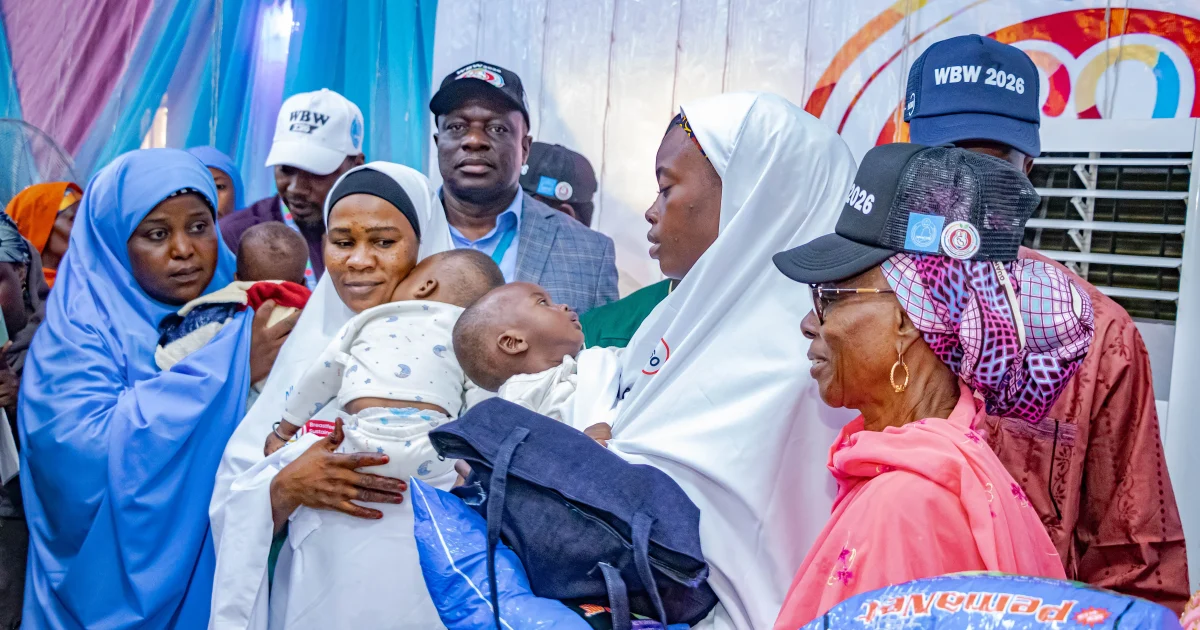
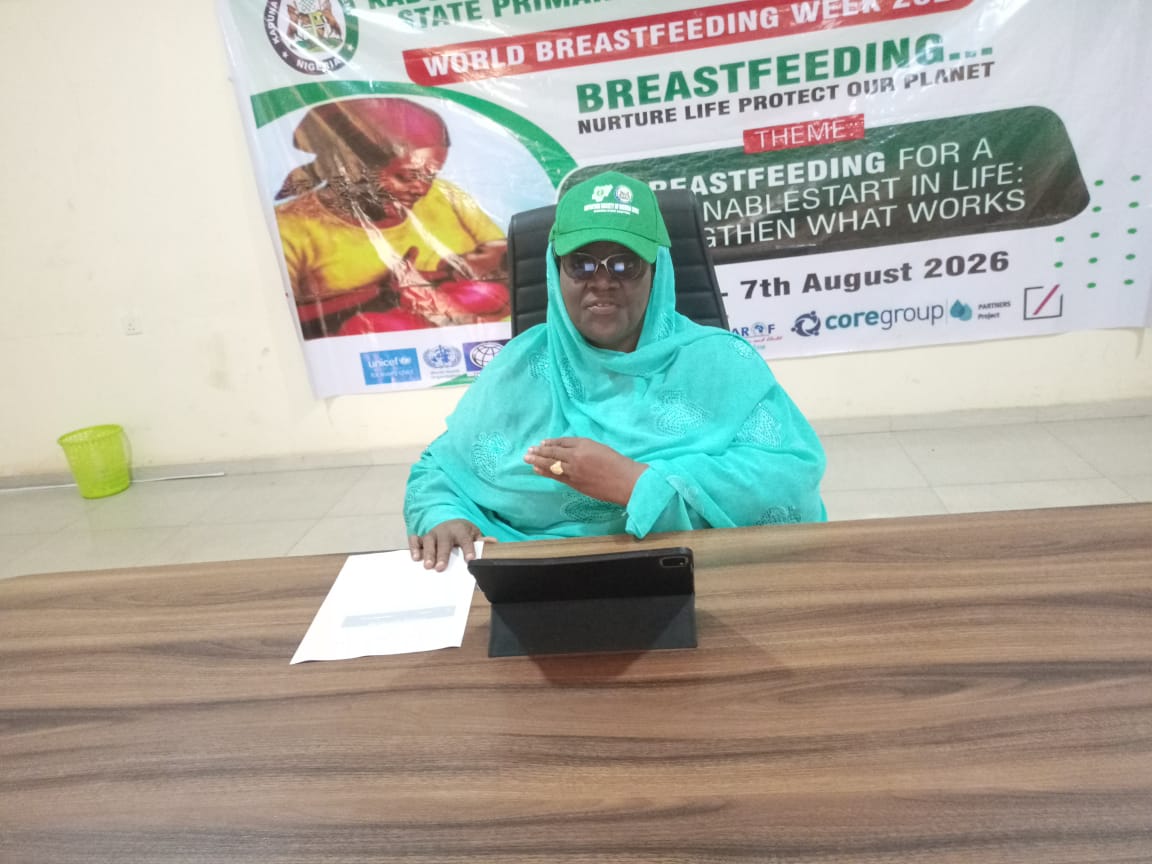
EVERY year in August, Breastfeeding Week arrives with the same kind of messaging all over the media: ‘breastfeeding is best’. That is where the conversation begins and ends. This year, the World Alliance for Breastfeeding Action, alongside Unicef and the WHO, has deliberately questioned the math behind it all, instead of general awareness. The 2026 theme is ‘Breastfeeding for a sustainable start in life: strengthen what works’. This signifies that the world does not lack knowledge of the subject; however, it has an issue putting the money where the mouth is. Pakistan’s experience is no different.
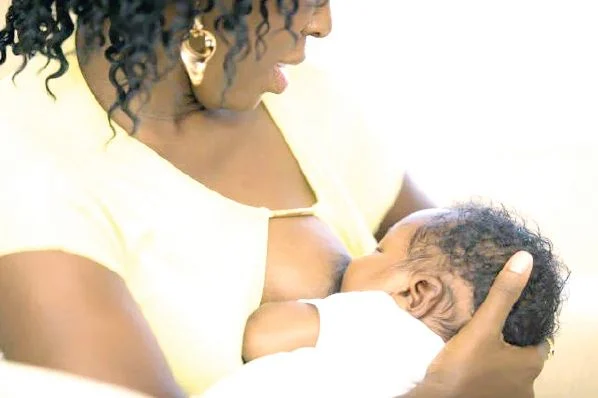
The interventions that move exclusive breastfeeding rates are well tested and documented. The question is why we are not making use of them. The biggest issue in Pakistan in this regard is the gap in counselling and access to accurate information regarding breastfeeding. A systematic analysis across 16 studies found that skilled counselling on infant feeding raises exclusive breastfeeding rates by 58 per cent.
Pakistan already has a delivery mechanism for such counselling in place. It is not new or untested, and it has a wide enough net to address the challenge of low breastfeeding rates across the nation. The numbers presented publicly are unreliable and badly skewed (‘ever breastfed in any form or quantity’ shown as ‘breastfeeding rates’ etc, and almost no consistent or reliable year-on-year data tracking the journey the country is taking in this regard). This delivery system is our Lady Health Workers’ network. While it is a system with fantastic bones it is terribly understaffed and underfunded. As a result, it is not even monitored effectively. LHWs don’t need a pilot programme; in order to deliver, we need to pay for more workers and train the ones already active in the field.