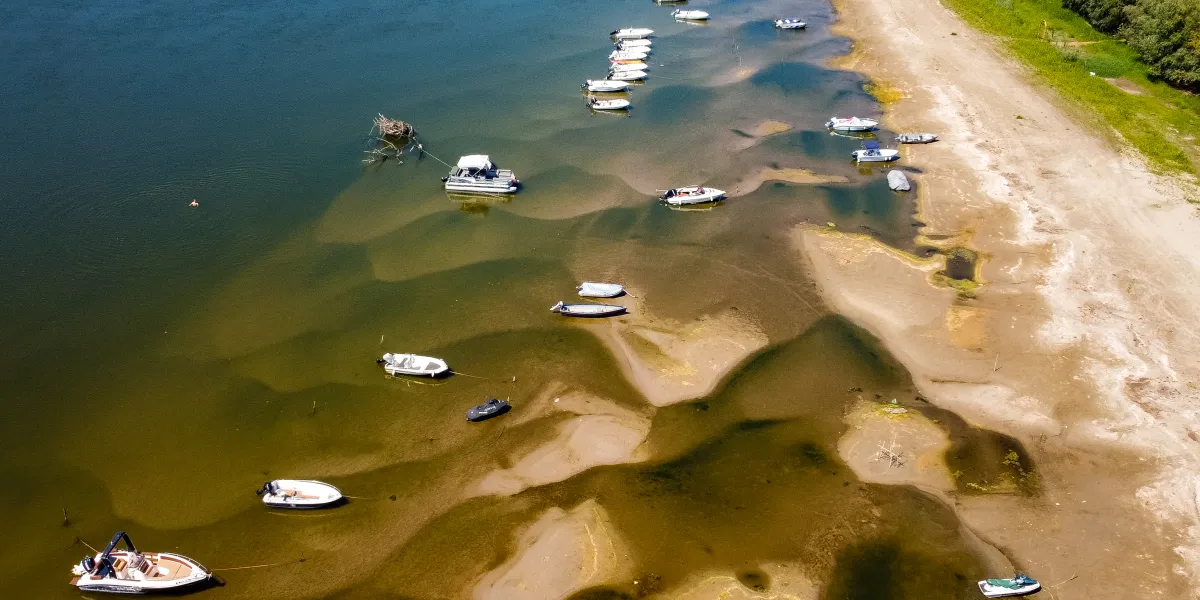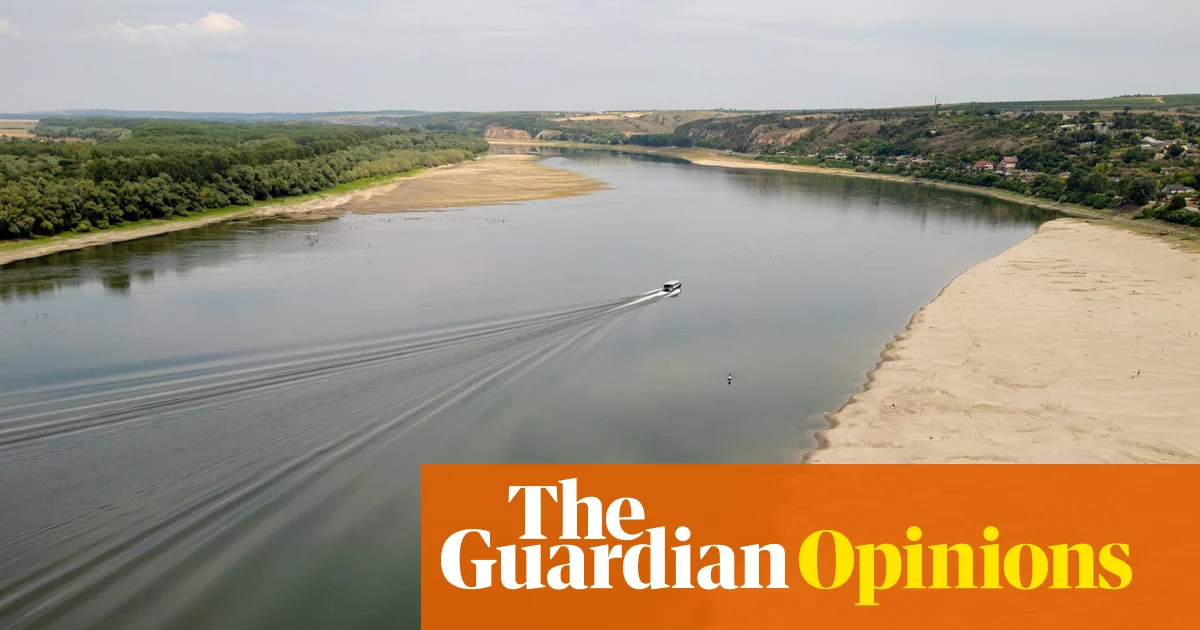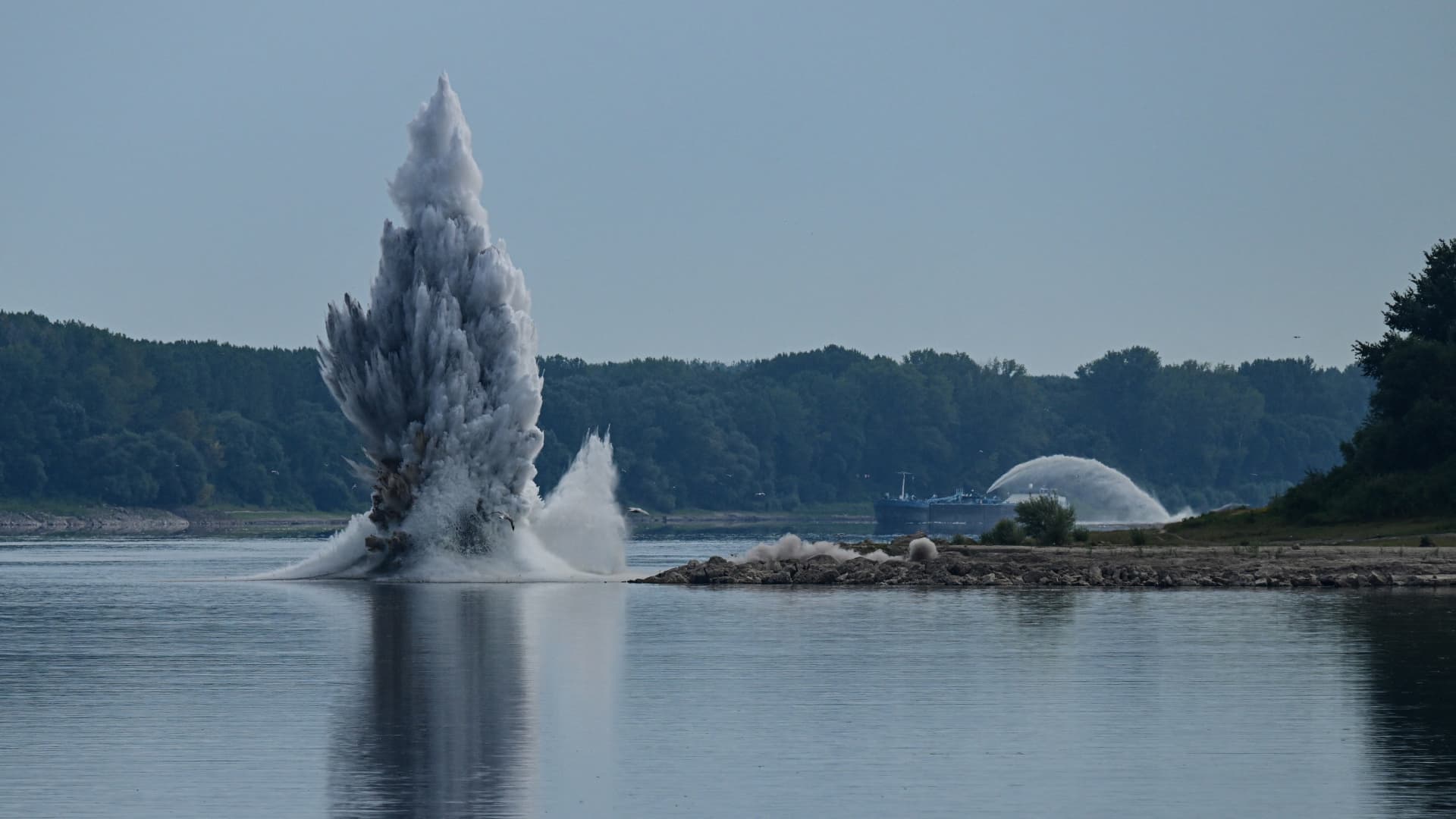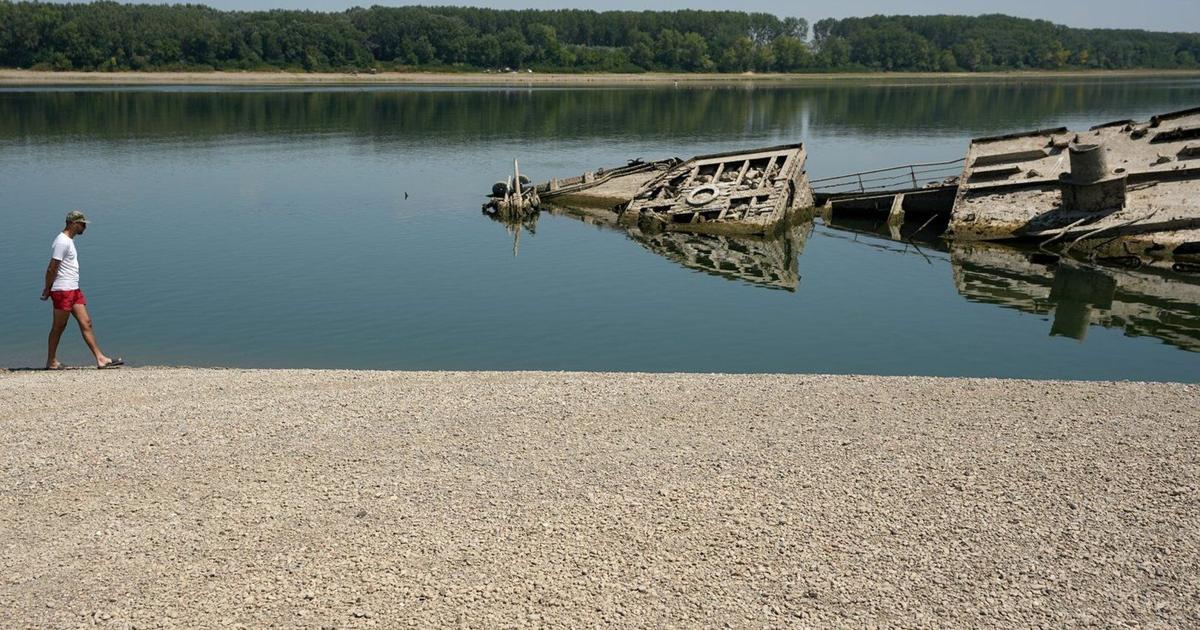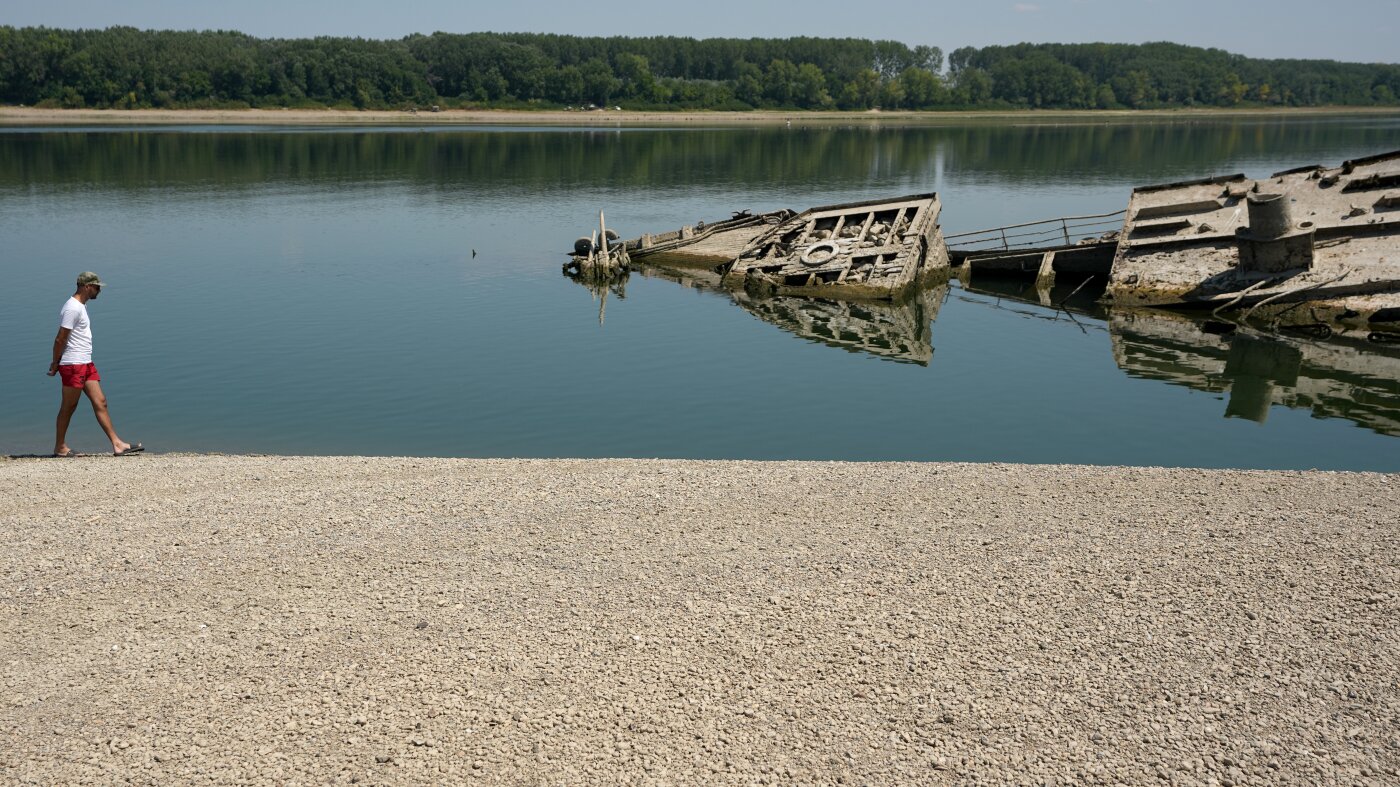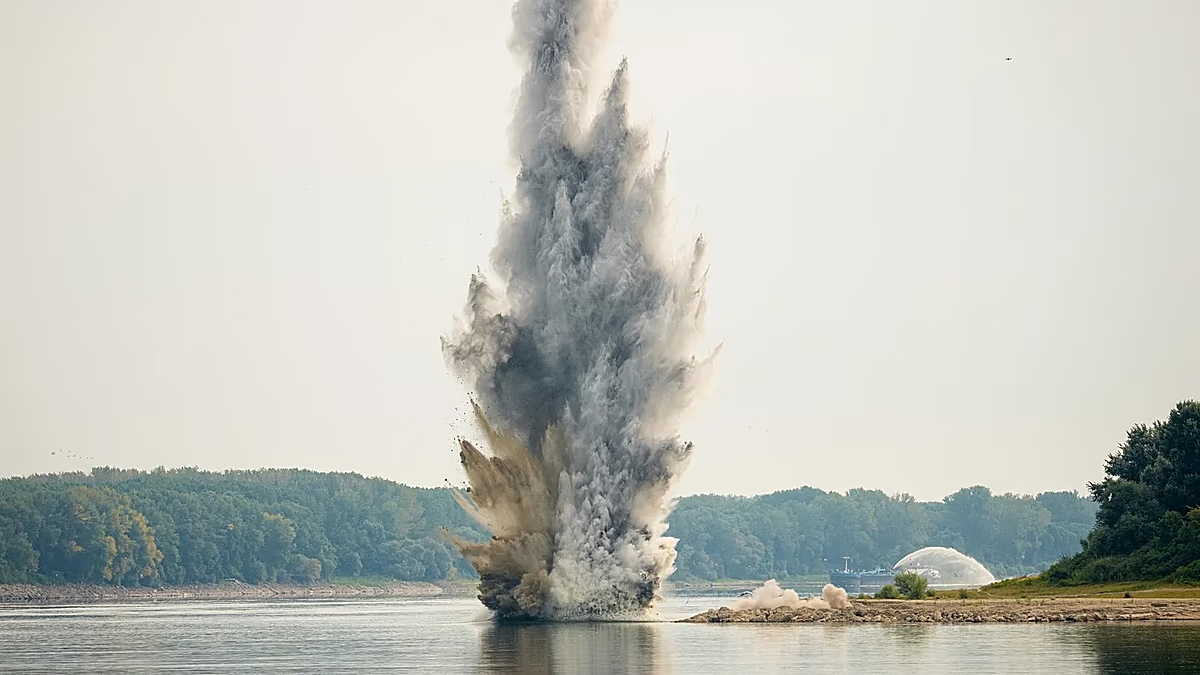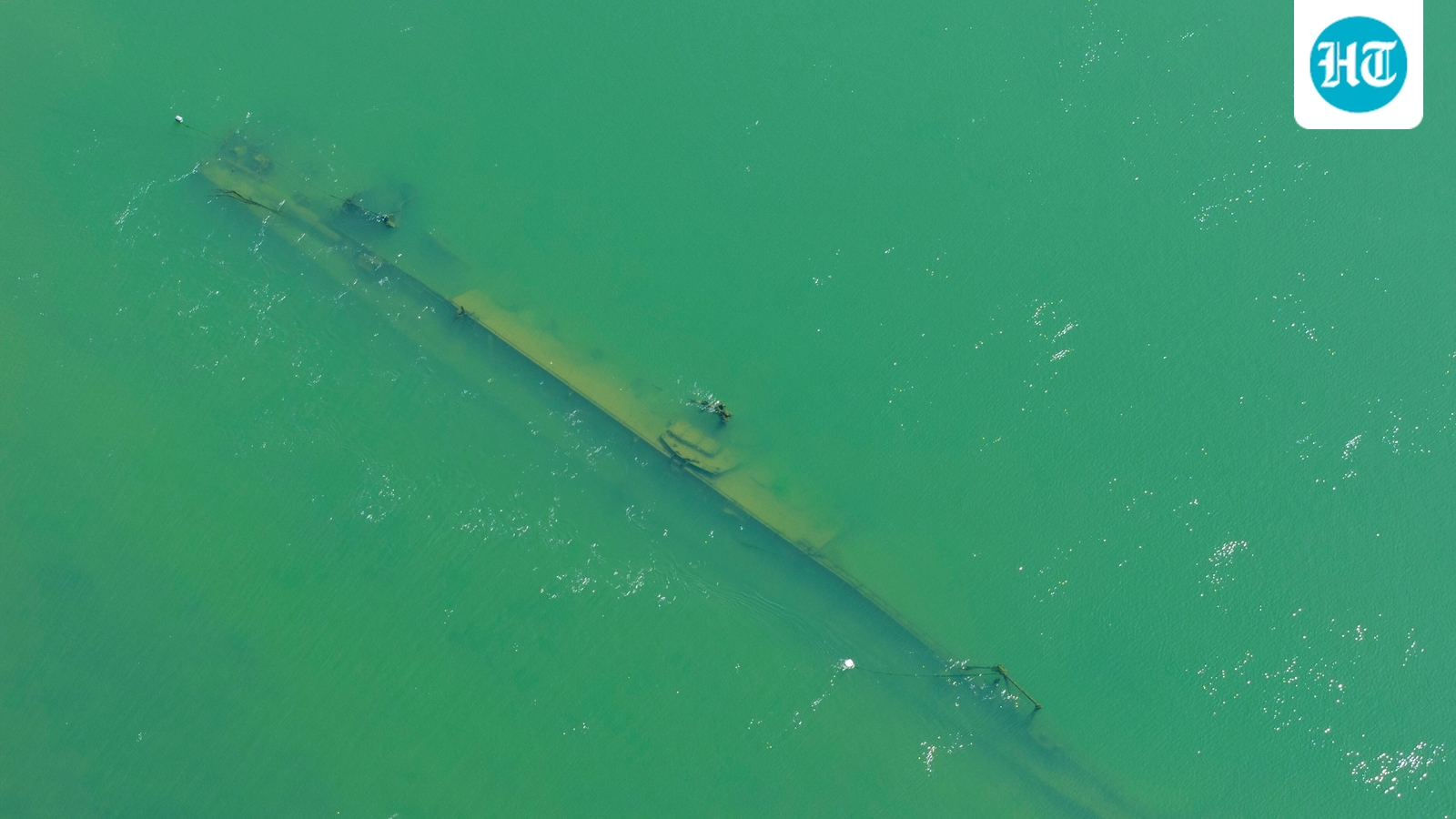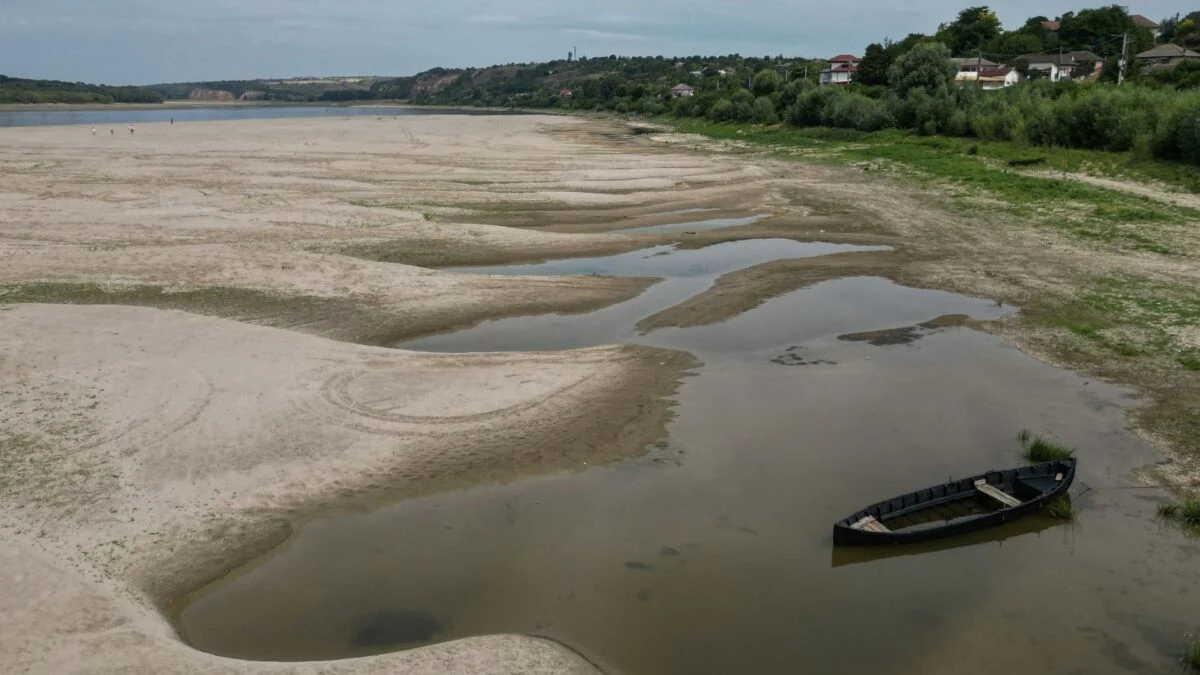
It was the dusty tail-end of summer when I stepped into a dystopian scene at a scruffy port on the Danube in Serbia in 2003. Usually one of Europe’s mightiest rivers, it was eerily shrunk: its level lowered so dramatically that the wrecks of old Nazi warships, unseen for decades, were poking above the sluggish waters.
A line of tall marker poles, set up to measure the river’s depth, stood high and dry beside me, and the port itself, at Prahovo, was quiet; the normal convoys of barges that run from the Black Sea to the heart of Europe were paralysed because there wasn’t enough water to keep them afloat.
At the time, the drought was considered so severe that it was described as “historic”.
Shorts
Two decades later, we’re in an even scarier and more uncertain territory, as the Danube has dropped to an even lower level, one of the most consequential symptoms of the latest punishing summer.