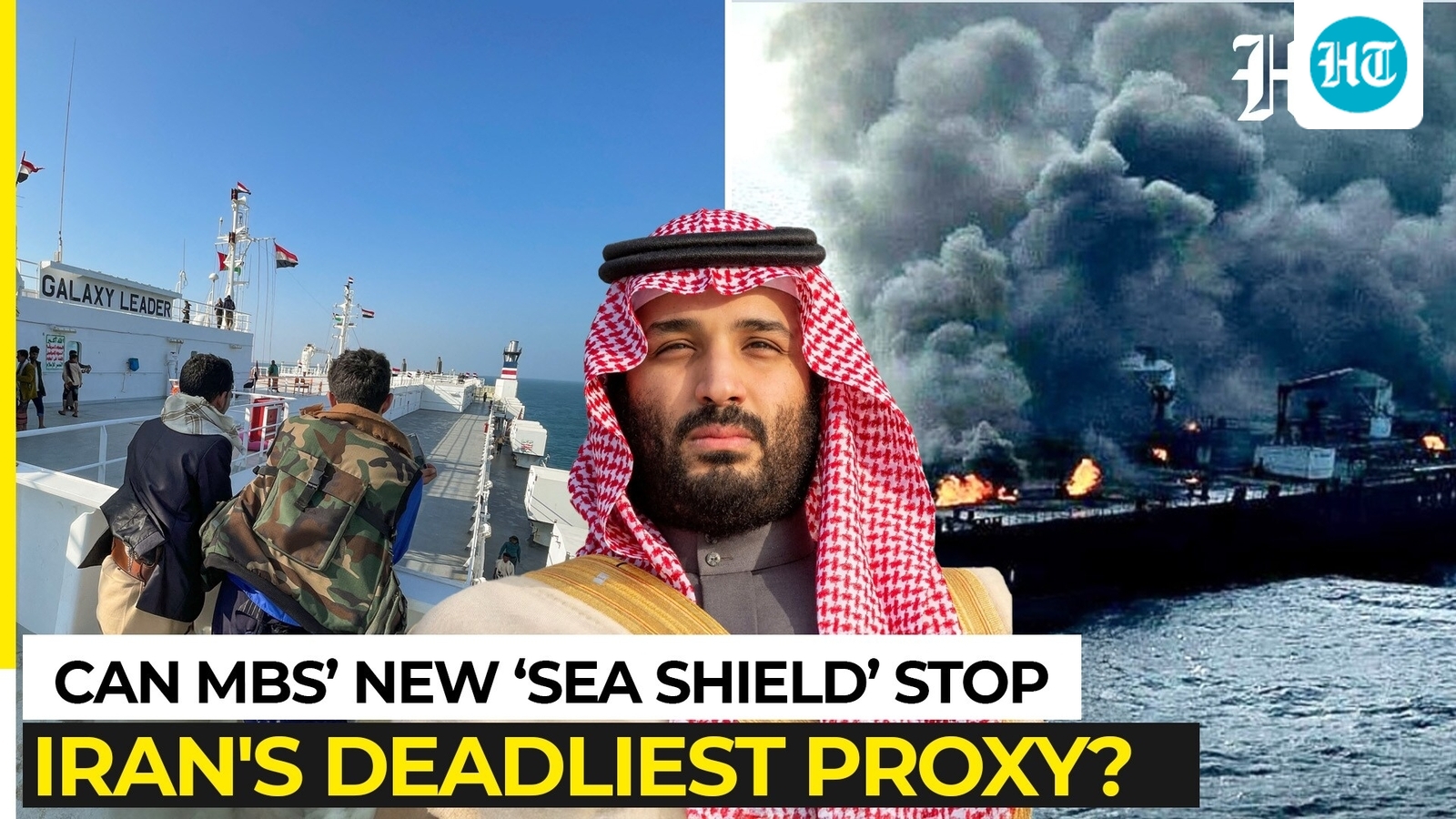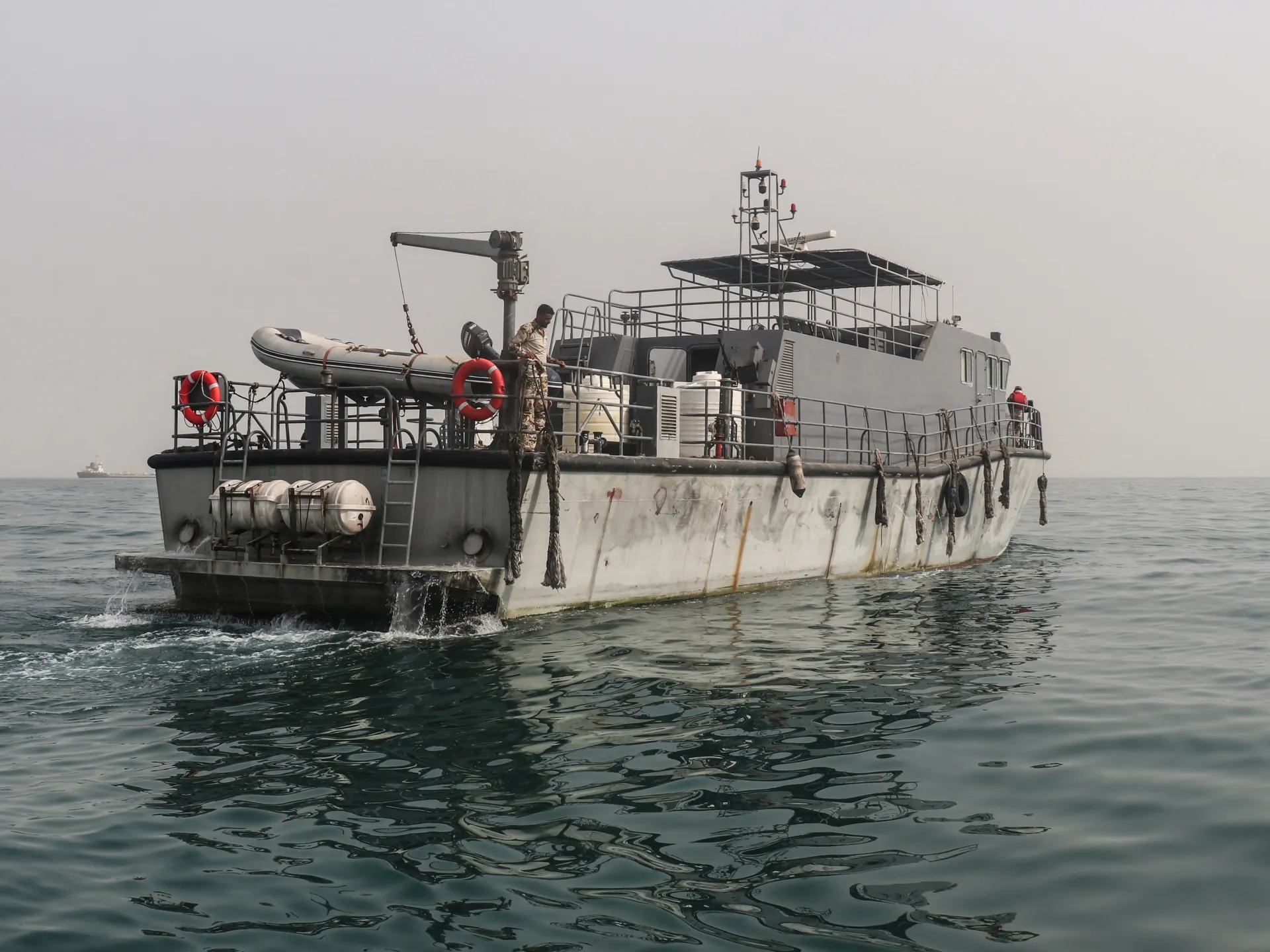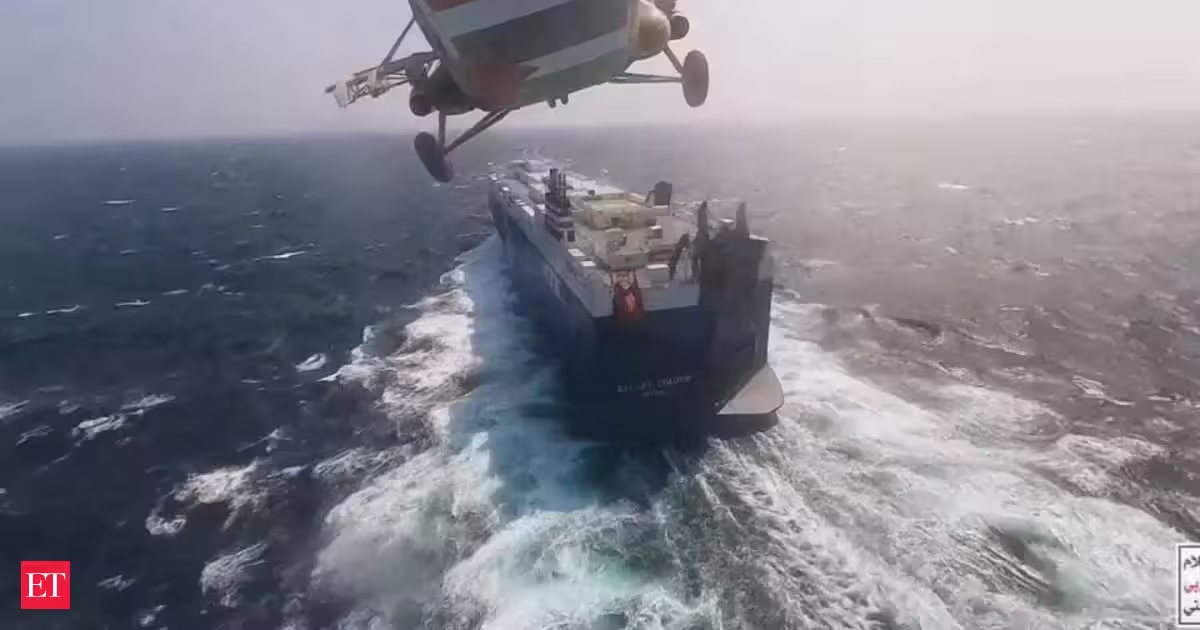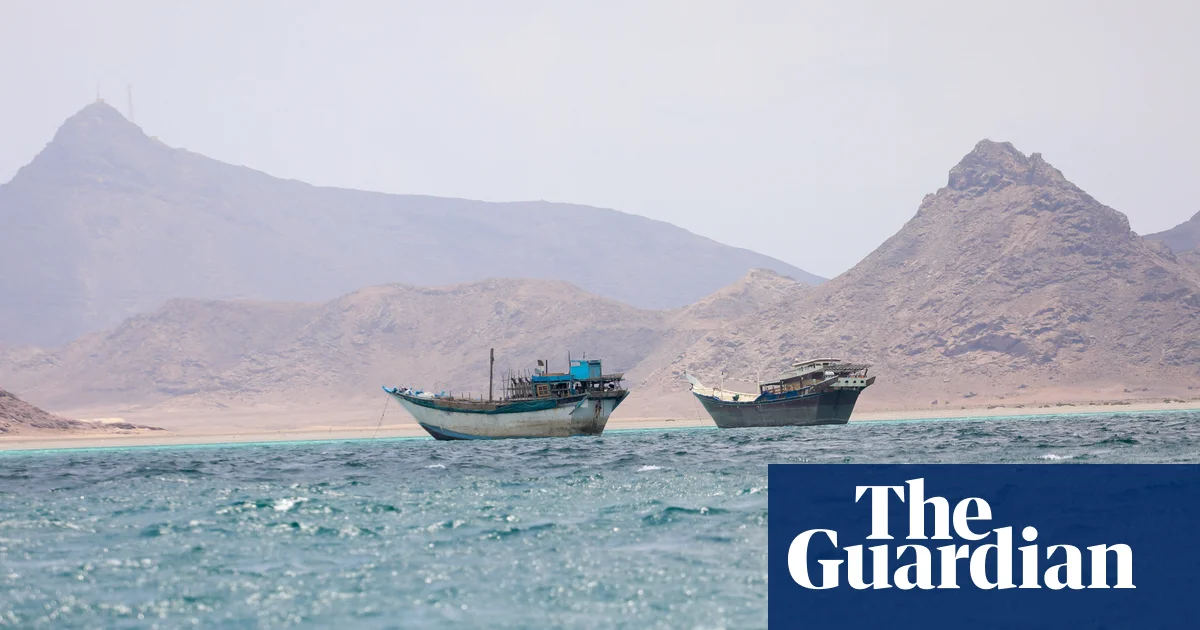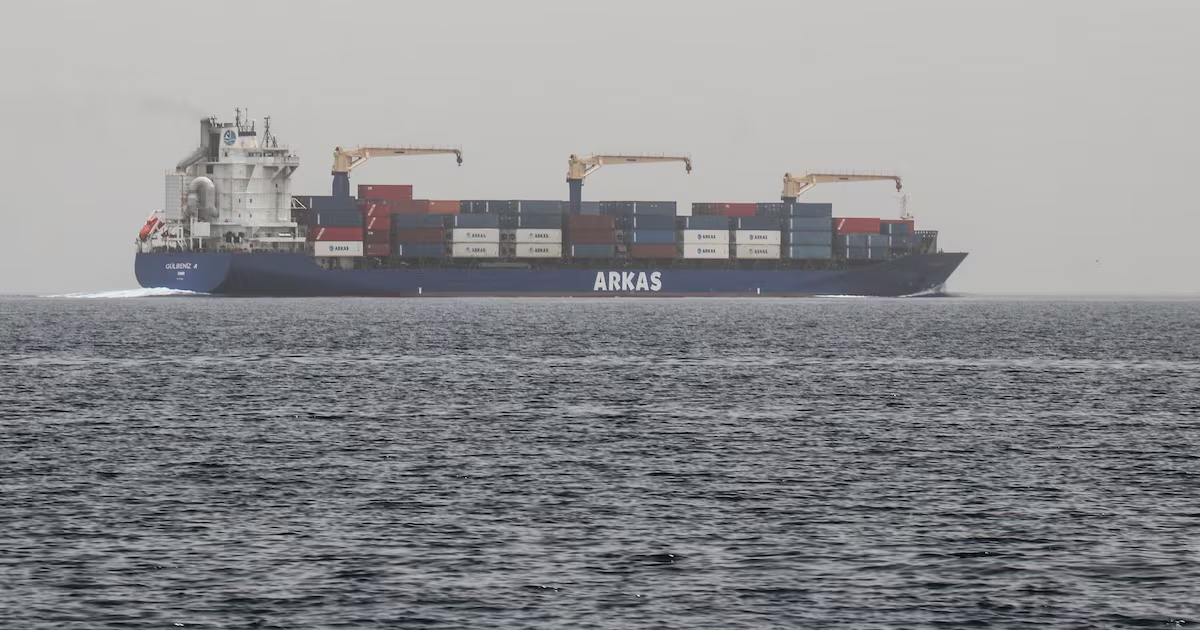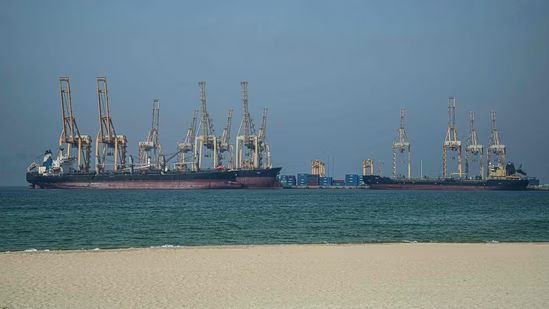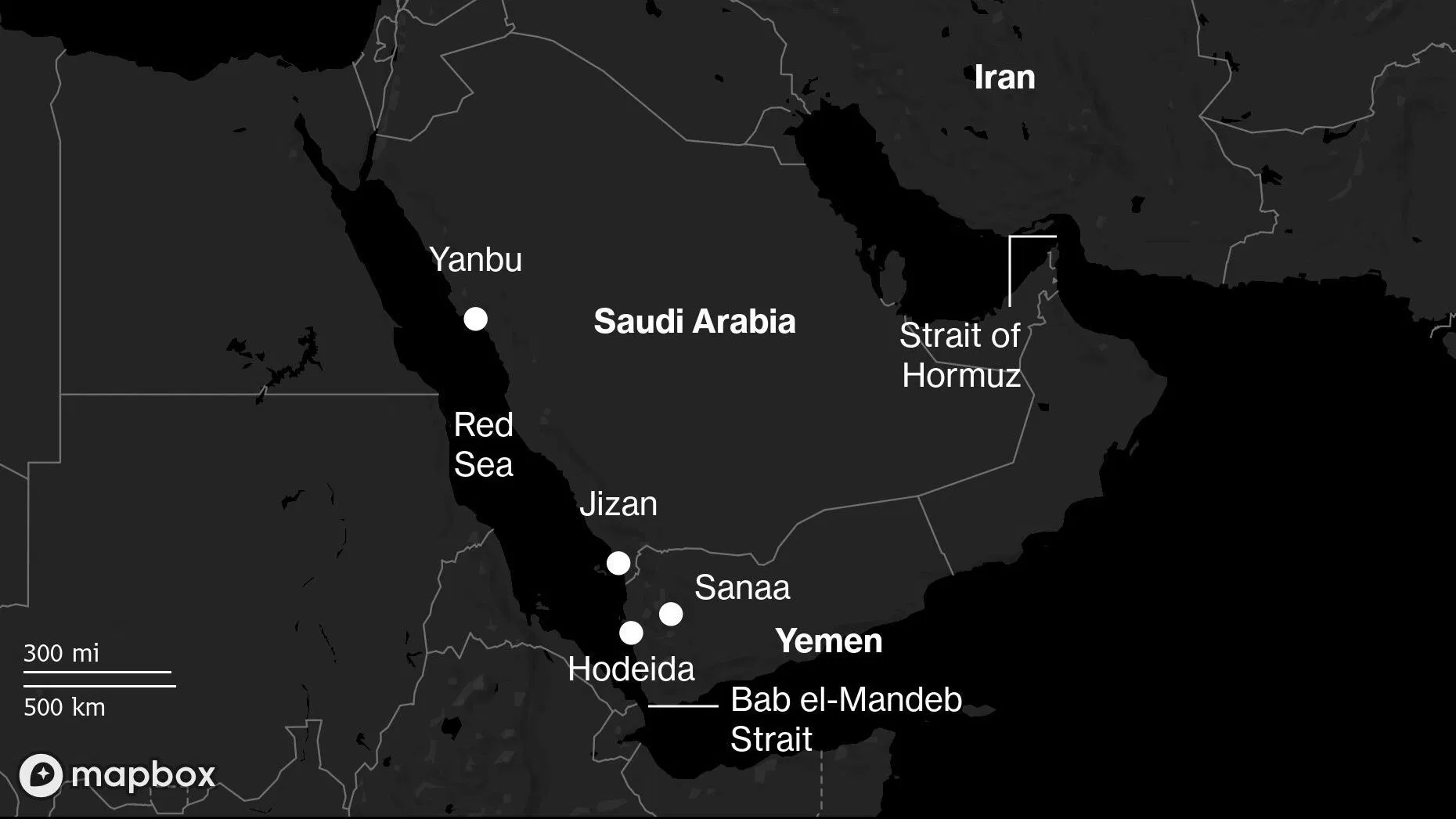
The Strait of Hormuz isn’t the only Middle Eastern naval chokepoint under threat: In the Red Sea, vital shipping is being disrupted by an Iranian proxy, the Houthis of Yemen. Now Saudi Arabia, the nation most affected by the Houthis’ threats to commercial traffic, is forming a naval coalition to restore order in the waterway.
What will this new group look like and what are its likely capabilities? Can it be more effective in keeping the Red Sea open than the US has been in protecting shipping through Hormuz? And will America and its European allies inevitably have to play a role?
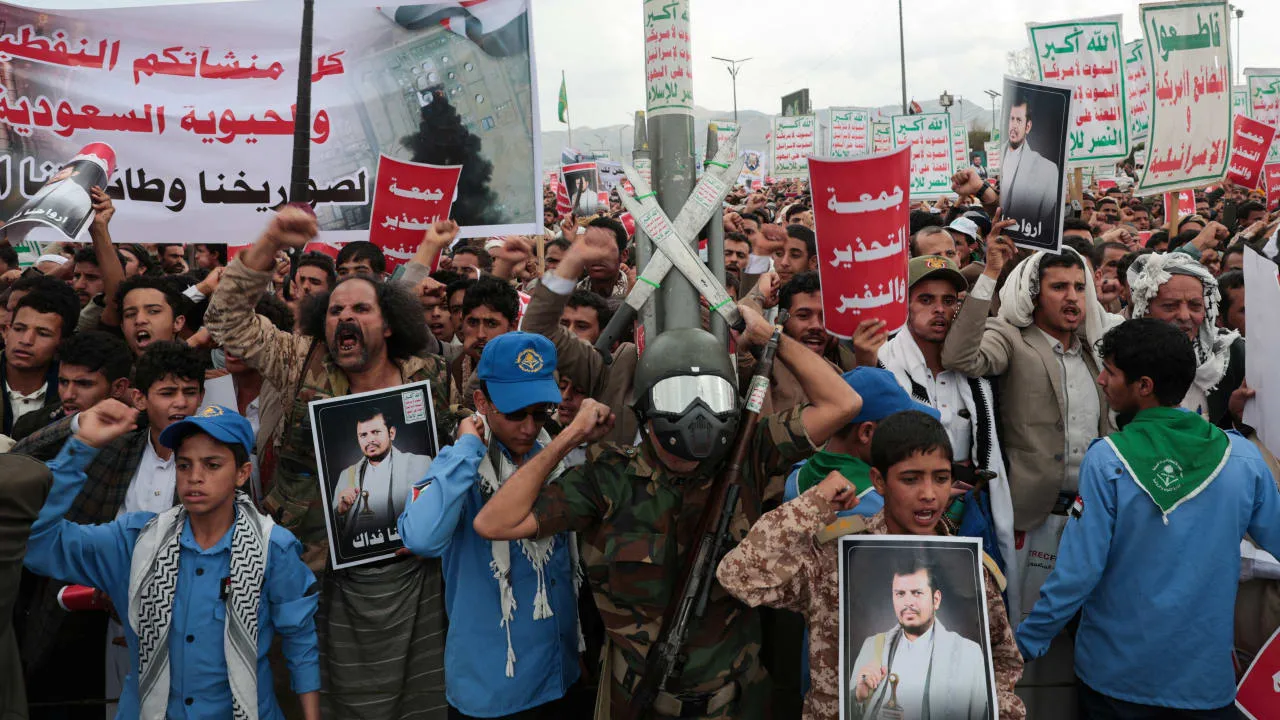
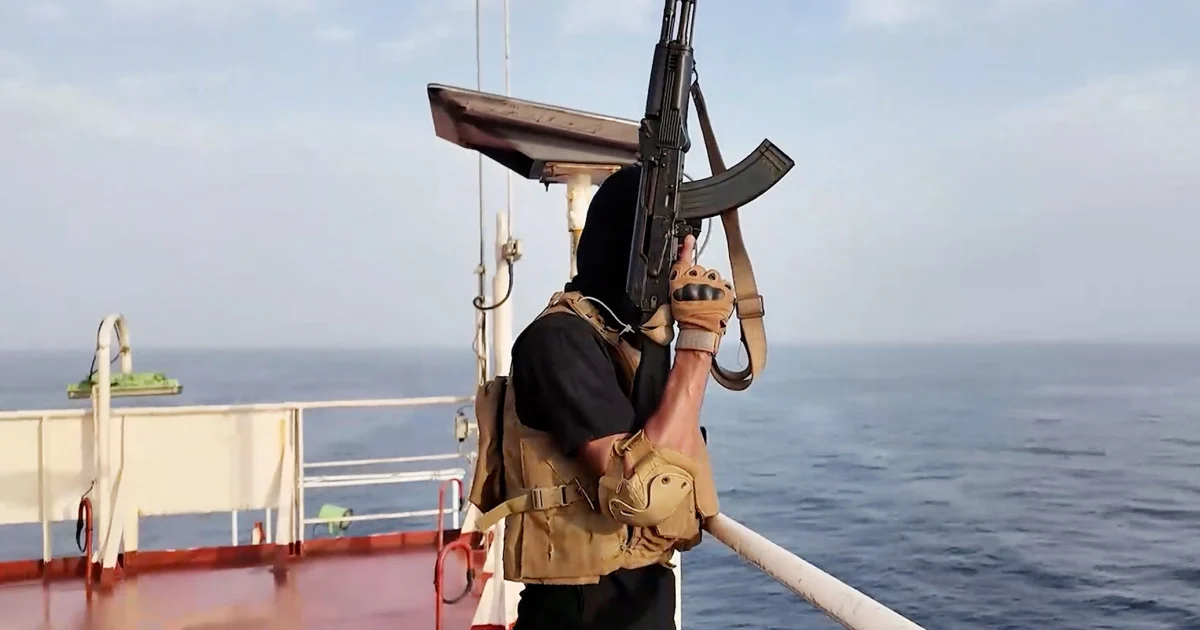
The civil war in Yemen has been raging for over a decade, and Saudi Arabia (as well as the United Arab Emirates) has been intermittently involved in combat against the Houthi rebels. Now Iran wants to put greater pressure on the Saudis, the US and Israel, so it has encouraged the Houthis to blockade and threaten attacks on Saudi supertankers carrying crude oil south through the Bab el-Mandeb Strait or north through the Suez Canal. These ships carry a significant percentage of the world’s petroleum products, up to as much as 15% since the Strait of Hormuz crisis began, and the route handles up to 30% of containerized shipping.I’ve sailed the Red Sea many times. It is normally a sleepy leg in a transit from the Mediterranean to the crowded, high-tempo Persian Gulf. When I was a destroyer captain in the 1990s, the 1,300 nautical miles around the Arabian Peninsula were an excellent time for planning and training for combat. It was hard to imagine that someday they would become such dangerous waters.