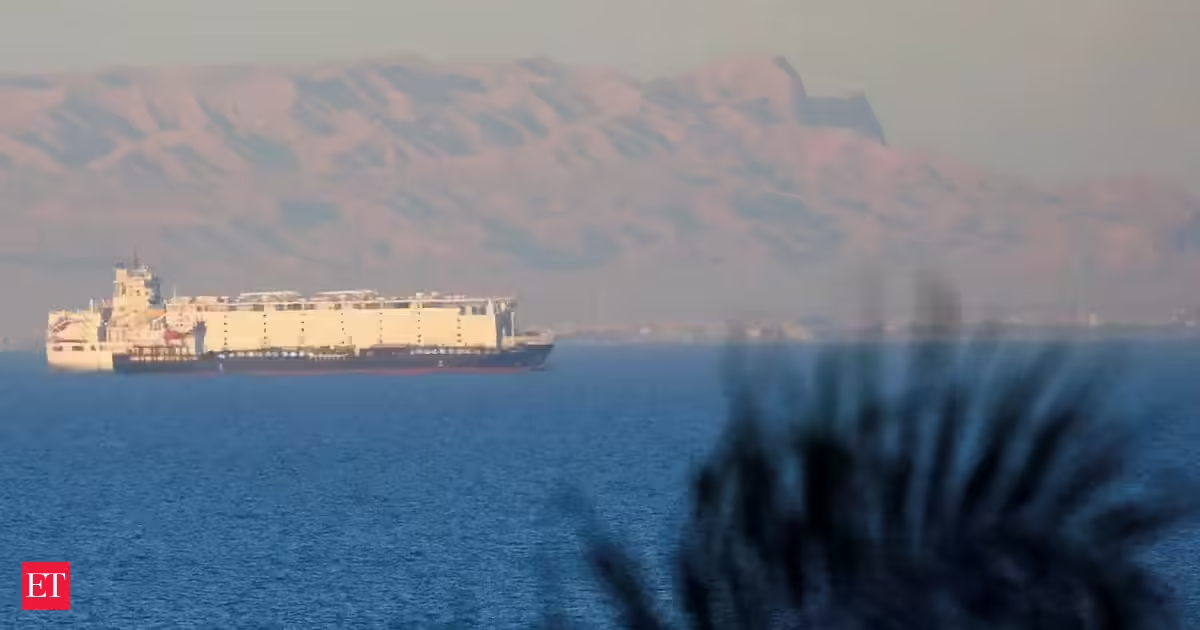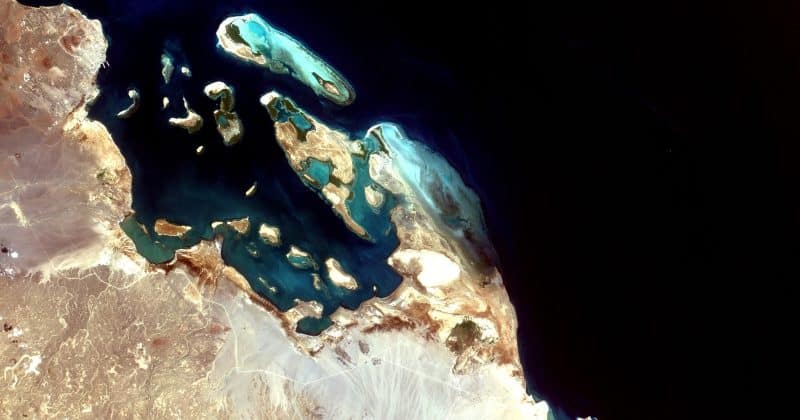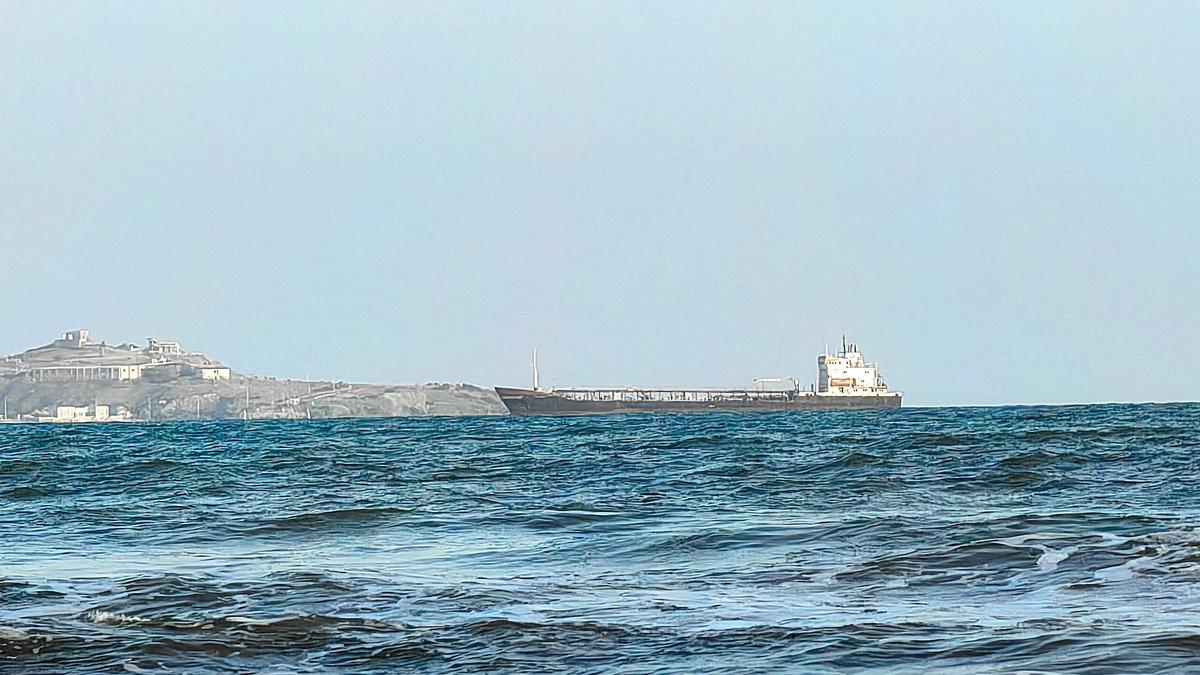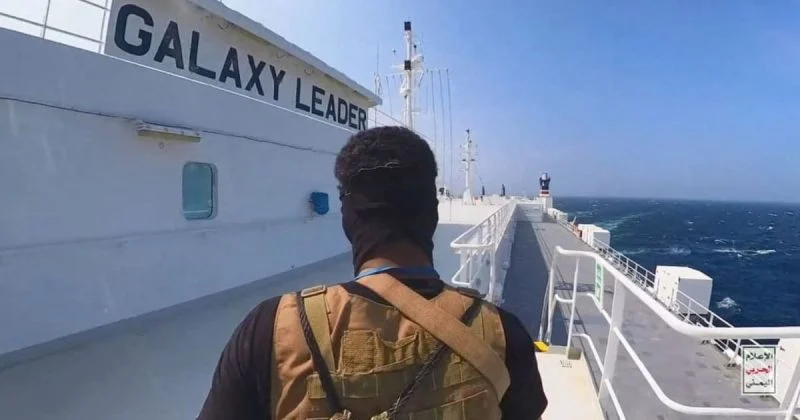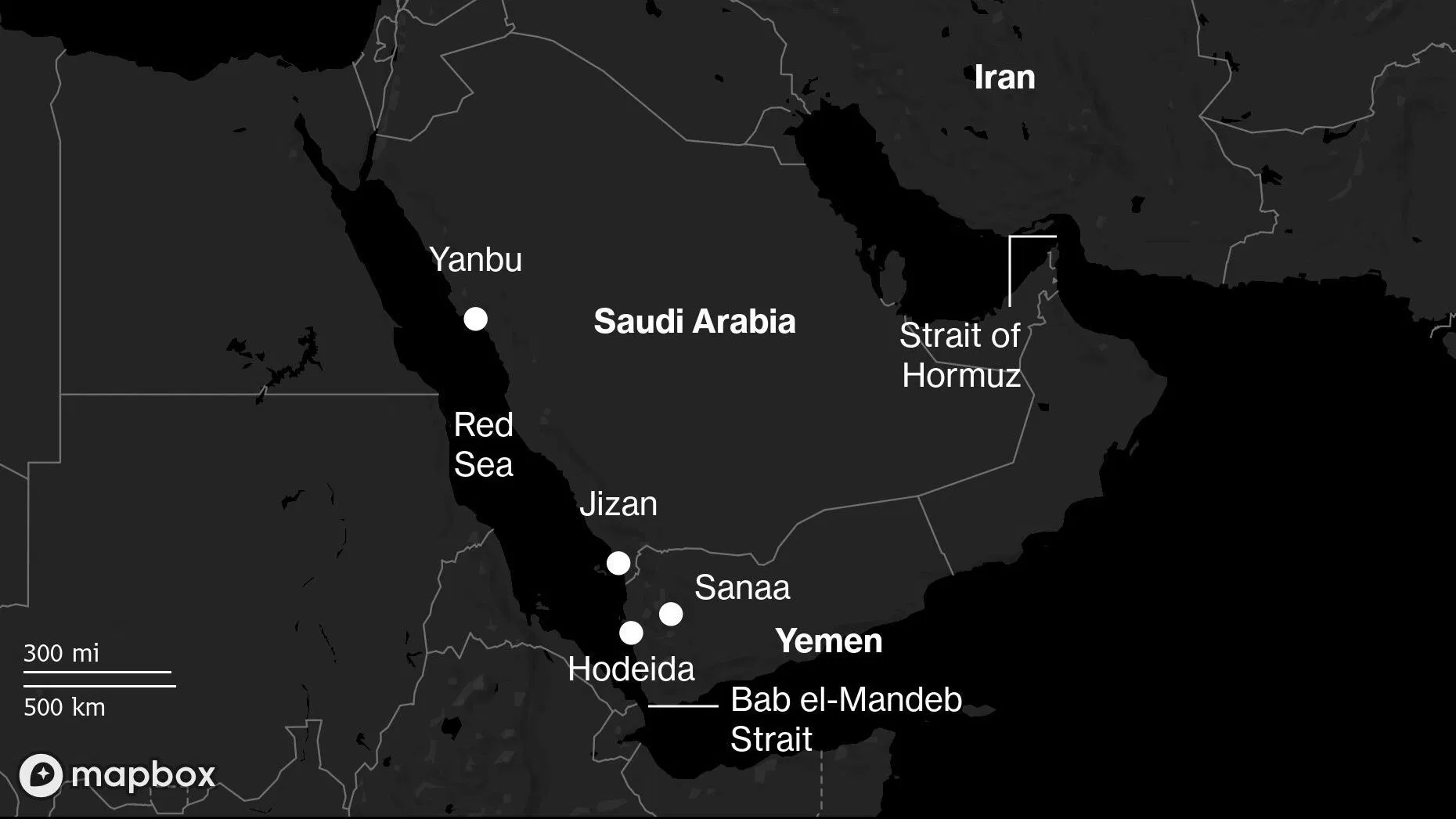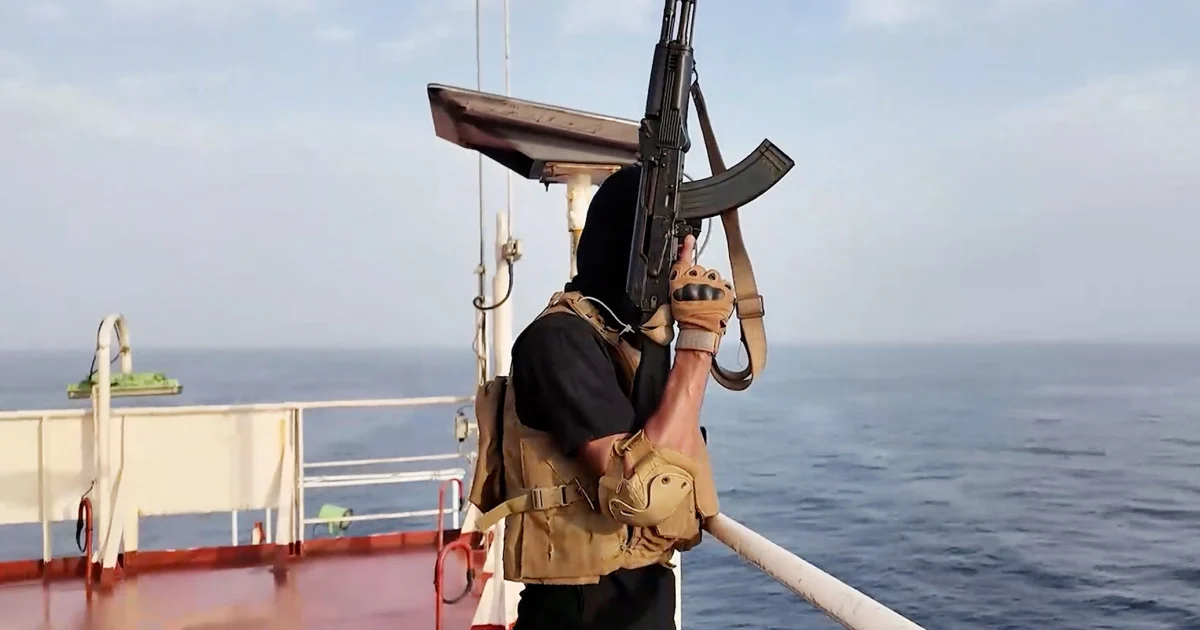
Each year, approximately 12 to 15 percent of global maritime trade worth more than $1 trillion transits the waterway, which extends from the Suez Canal in the north to the Bab el-Mandeb Strait in the south. This 2025 handout provided by the Houthi group media center, shows fighters of the Houthi group controlling a commercial vessel in the Red Sea, Yemen. Mohammed Hamoud / Houthi Media Center / Getty Images fileAug. 3, 2026, 4:56 PM EDTBy CFR EditorsThis article was originally published on CFR.org.As the United States and Iran remain locked in a struggle for control over the Strait of Hormuz, concerns are mounting about the security of another regional maritime chokepoint: the Red Sea. On July 20, the Iran-backed Houthi rebels declared that they would impose a complete naval blockade on Saudi Arabia. Although they didn’t provide specifics on what the blockade would entail, Houthi-controlled territory in Yemen runs directly along the Bab el-Mandeb Strait—at the south end of the Red Sea—which Saudi Arabia uses to export oil to the global market. The Houthis’ announcement comes more than a month after the group banned all Israeli and Israeli-linked ships from transiting the Red Sea, calling them “legitimate military targets.”Just a moment.We are getting your experience ready.
Another Hormuz? What to Know About the Houthi Threat to the Red Sea
Each year, approximately 12 to 15 percent of global maritime trade worth more than $1 trillion transits the waterway, which extends from the Suez Canal in the north to the Bab el-Mandeb Strait in the south.
207 words~1 min read