Maximize ROI and minimize risk by adopting a phased migration approach when transitioning from BigQuery to Databricks Lakehouse
by Takero Ibuki
BigQuery is often the standard for starting fast, but for many enterprises, scale eventually turns that simplicity into a management challenge. When your workloads reach a point where varying on-demand costs and slot reservations necessitate a trade-off between performance and your budget, together with the increased complexity of managing data governance, it’s time to rethink the architecture.
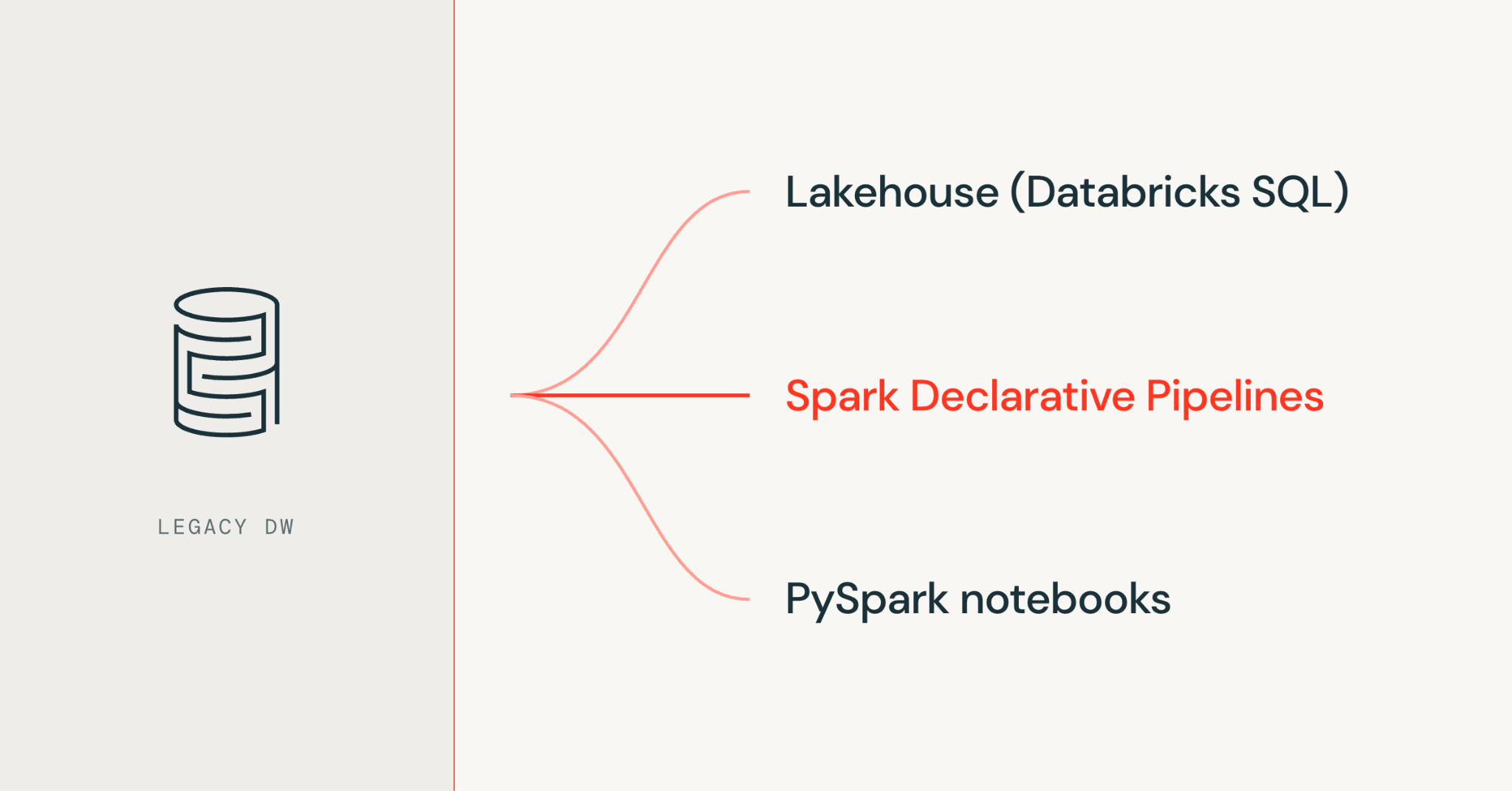
By consolidating ETL, Storage, BI, and multi model AI into a single, open and simplified Lakehouse architecture with a unified governance layer, organizations eliminate proprietary silos and gain predictable performance at any scale. This transition allows teams to move toward an open format that simplifies operations, streamlines compliance from data to AI, and unlocks new AI-driven use cases.
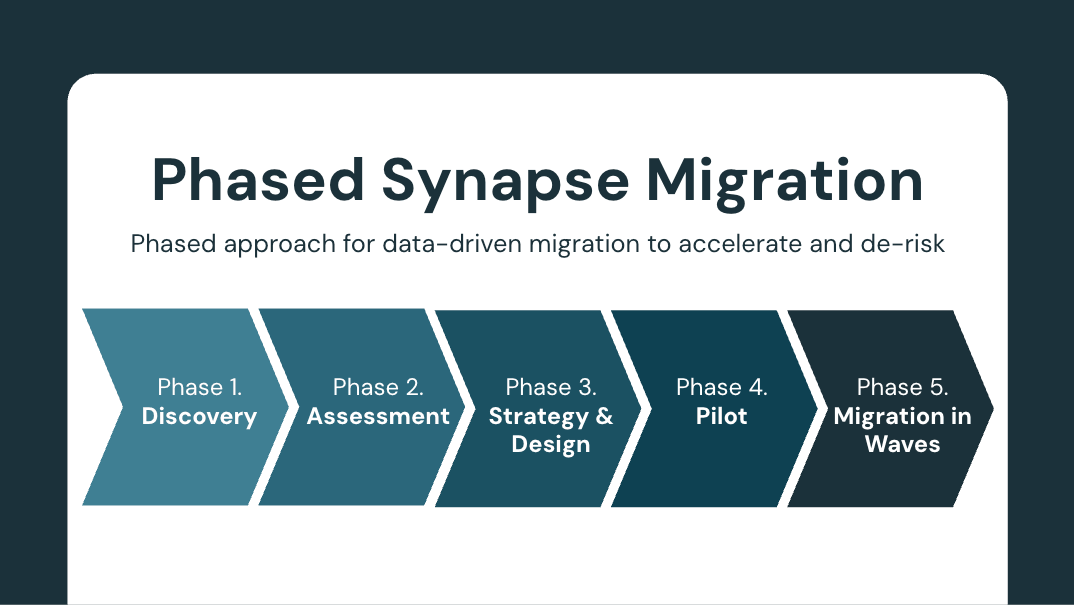
A successful migration requires more than copying tables. It demands a phased strategy: moving data out from a proprietary storage, transforming logic thoughtfully, and validating results with automated tooling to capture ROI. This guide outlines a pragmatic framework across Process, Technology, and People for navigating that transition with minimal disruption and measurable business impact.