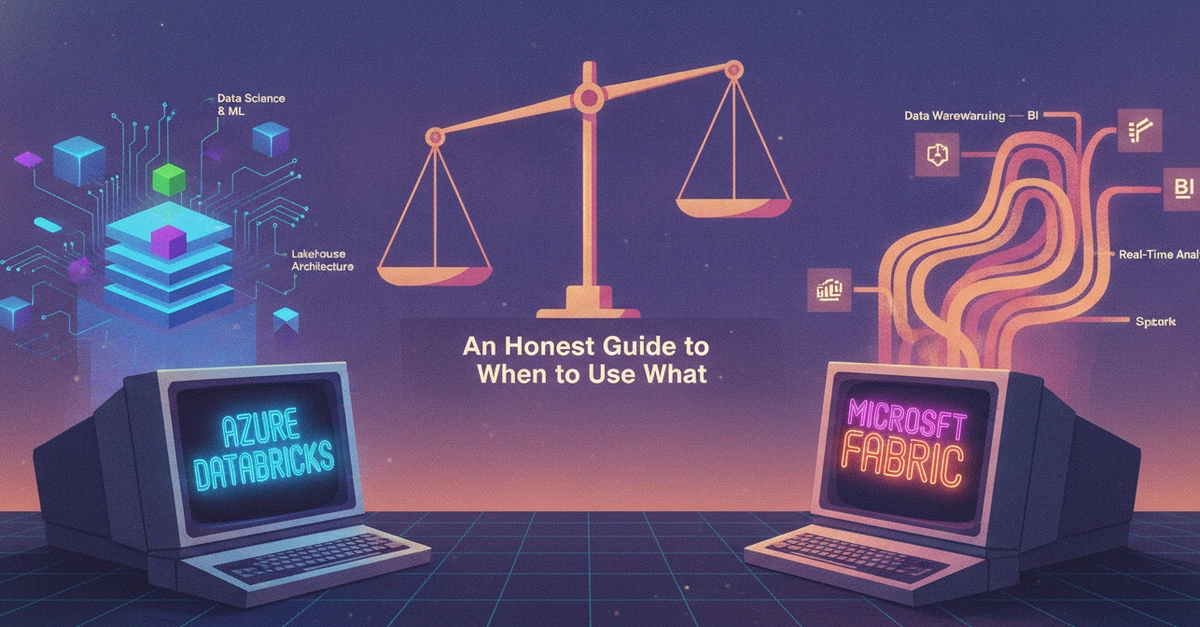
For most of the last decade, the honest answer to "should we standardize on Databricks or on the Microsoft data platform?" was: pick one and live with the seams. Teams that ran Azure Databricks for engineering and Microsoft Fabric (or Synapse before it) for BI ended up maintaining two copies of the same tables, two governance models, and a nightly export job that nobody wanted to own. The duplication was not a technical accident. It was the price of two platforms disagreeing about where the bytes lived and who was allowed to read them.
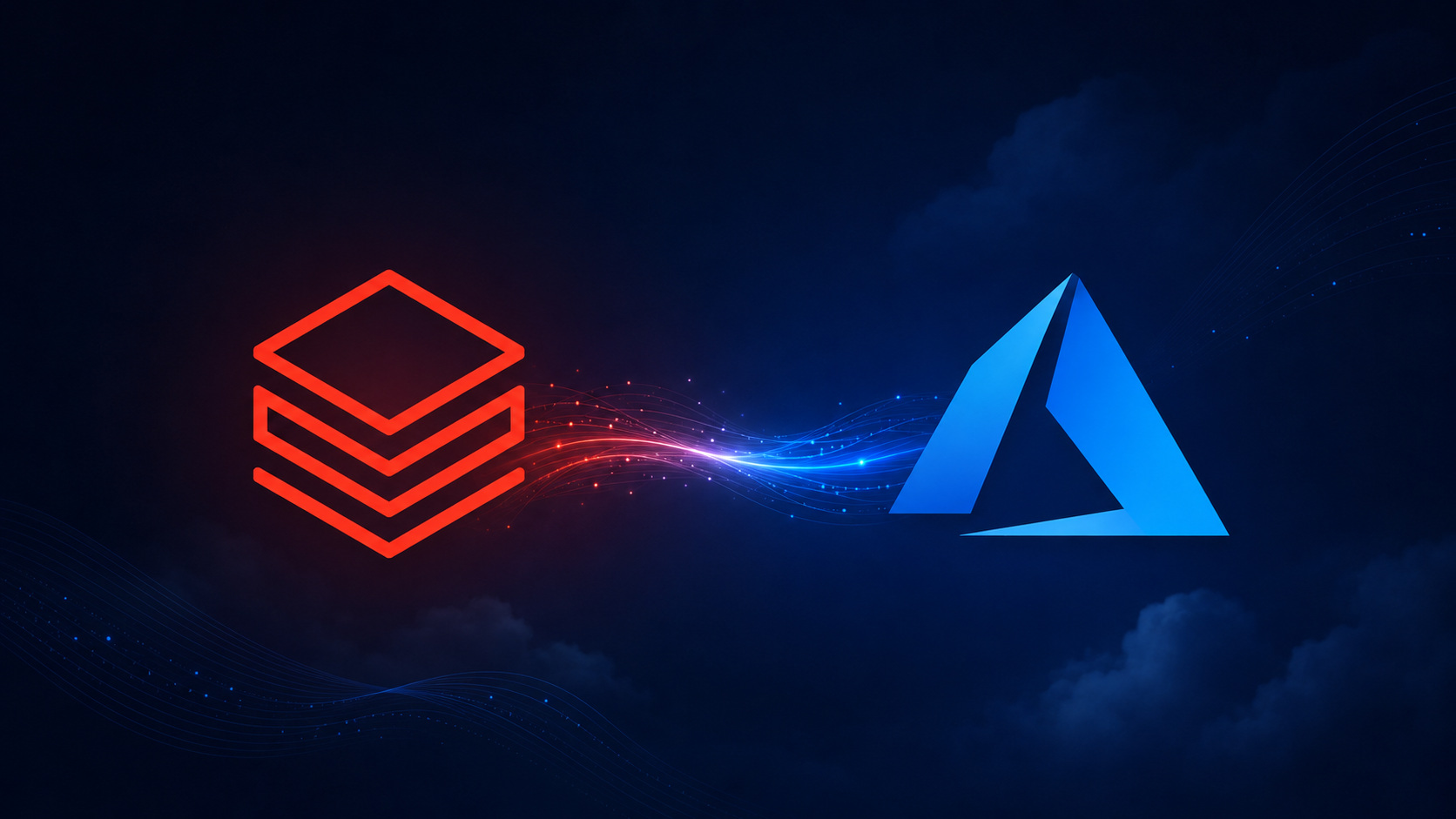
That premise is now obsolete. Over the past year Microsoft and Databricks have quietly converged on a shared physical foundation — OneLake — and on a shared governance contract anchored in Unity Catalog. As of mid-2026 the interoperability is bi-directional and, in the important cases, zero-copy. If you architect for it deliberately, you can keep a single copy of a Delta table, write to it from Databricks, query it from a Fabric Warehouse or Power BI, and enforce one set of row- and column-level policies across both. If you architect for it accidentally, you can just as easily rebuild the old two-copy mess with newer logos on it. This piece is about how to land on the right side of that line.