What the report found
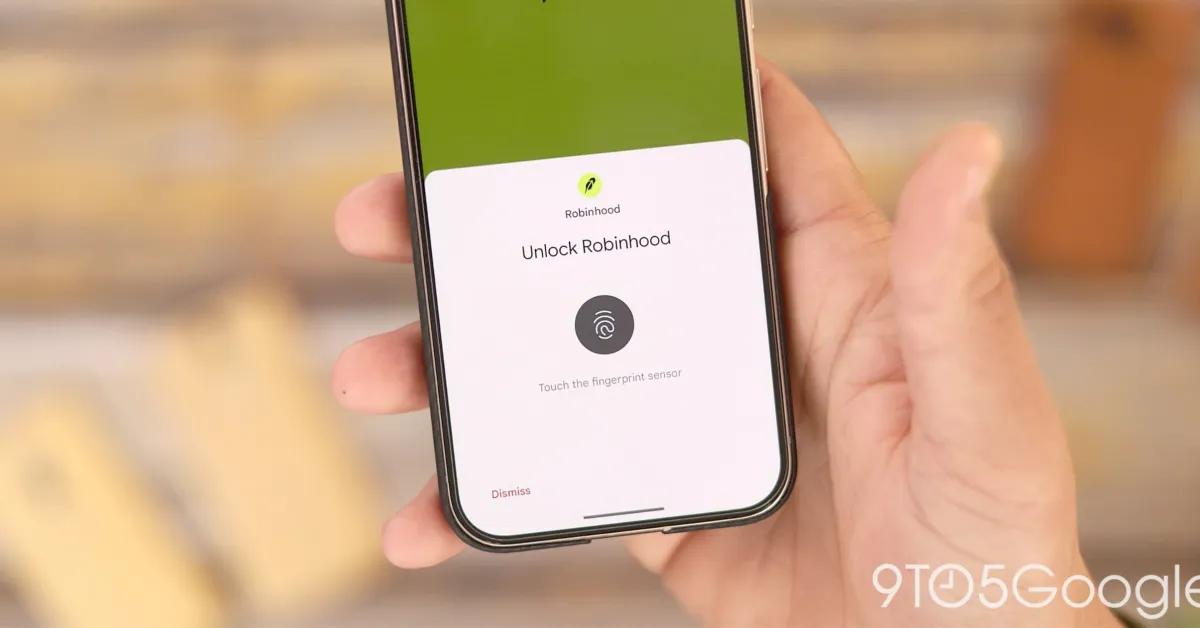
The FIDO Alliance — the industry group behind the passwordless authentication standard — released its State of Passkeys 2026 report in May, based on research across 11,000 consumers and 1,400 enterprise decision-makers in ten countries. A few numbers stand out: passkeys now see a 93% sign-in success rate compared to 63% for passwords, and average sign-in time drops to roughly 8.5 seconds versus over 30 seconds for password-based logins. Awareness has also jumped to 90% of consumers, with about 5 billion passkeys now active worldwide.
The security case is the more important one. Passkeys are built to be phishing-resistant by design — unlike a password, there’s no shared secret that can be typed into a fake login page, because the credential is cryptographically tied to the real site and your device. That’s a structural fix, not a behavioral one — it doesn’t depend on you spotting a scam email, which is precisely where most password-based breaches start.
Why adoption still lags
Here’s the more interesting number: even among organizations that have rolled out passkeys, the majority still keep passwords running in parallel as a fallback, and a large share of individual users still don’t use passkeys everywhere they’re offered. The barrier at this point isn’t awareness — it’s habit. People default to what’s familiar, even when the safer option is one tap away.