Authentication is broken at its foundation - not just inconvenient. Passwords are shared secrets: hand one to a server, and you have instantly doubled your attack surface. With over 5 billion passkeys now active globally and Google reporting a 99.9% lower account compromise rate compared to passwords, the industry has already moved. This guide covers how passkeys work cryptographically, how to implement them in TypeScript, and the pitfalls to avoid before going to production.
Why Passwords Are Structurally Broken
The core issue isn't that users pick weak passwords - it's that passwords require a shared secret stored on both sides. The Verizon 2025 DBIR found that 22% of all breaches started with stolen credentials, and 88% of web app attacks relied on them. In 2024, infostealer malware alone harvested 548 million passwords. Adding 2FA helps but doesn't fix the root problem: SMS codes are SIM-swap targets, and TOTP tokens can be phished in real time by proxy attackers who replay codes within their validity window.
What Passkeys Actually Are
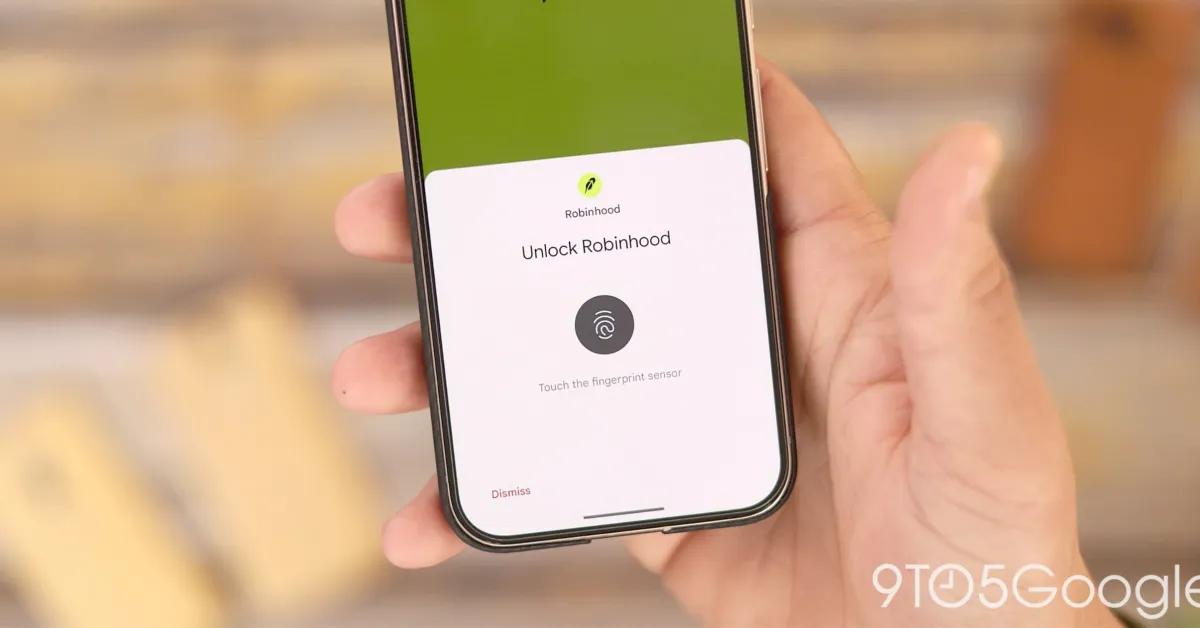
A passkey is a credential built on public-key cryptography, standardized through the WebAuthn spec and FIDO2. When you register, your device generates a public-private key pair - the private key stays locked in hardware (Secure Enclave, StrongBox, or a hardware key), and the server only receives the public key. At login, the server sends a random challenge, your device signs it with the private key after biometric or PIN verification, and the server verifies the signature. No secret is ever transmitted. This eliminates credential stuffing, server-side breach exposure, and phishing - because passkeys are cryptographically bound to a specific origin domain.