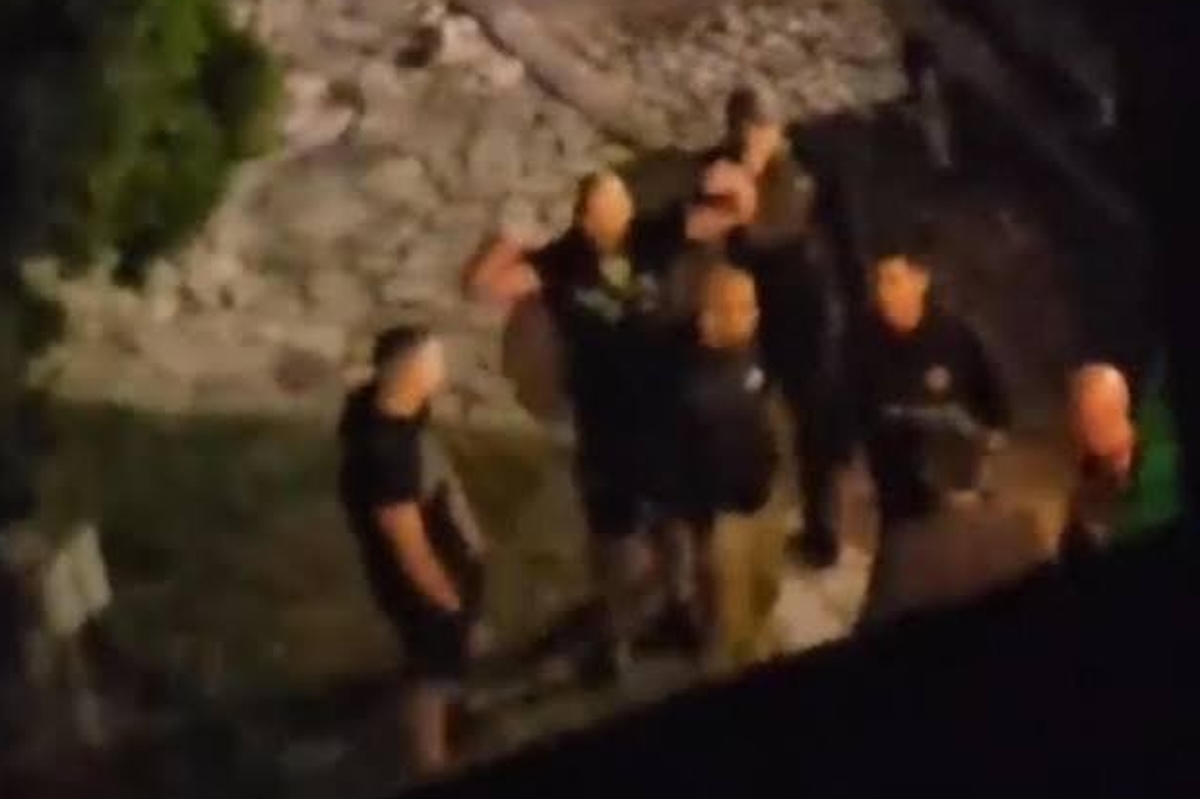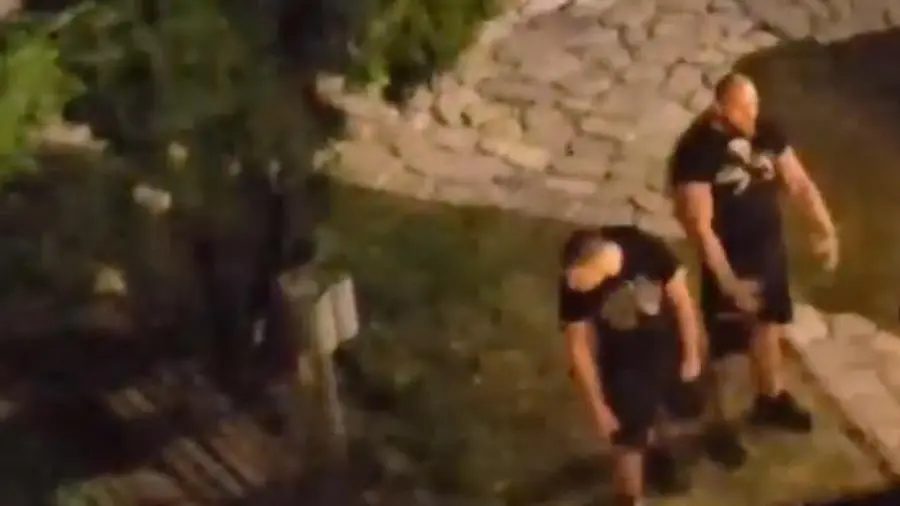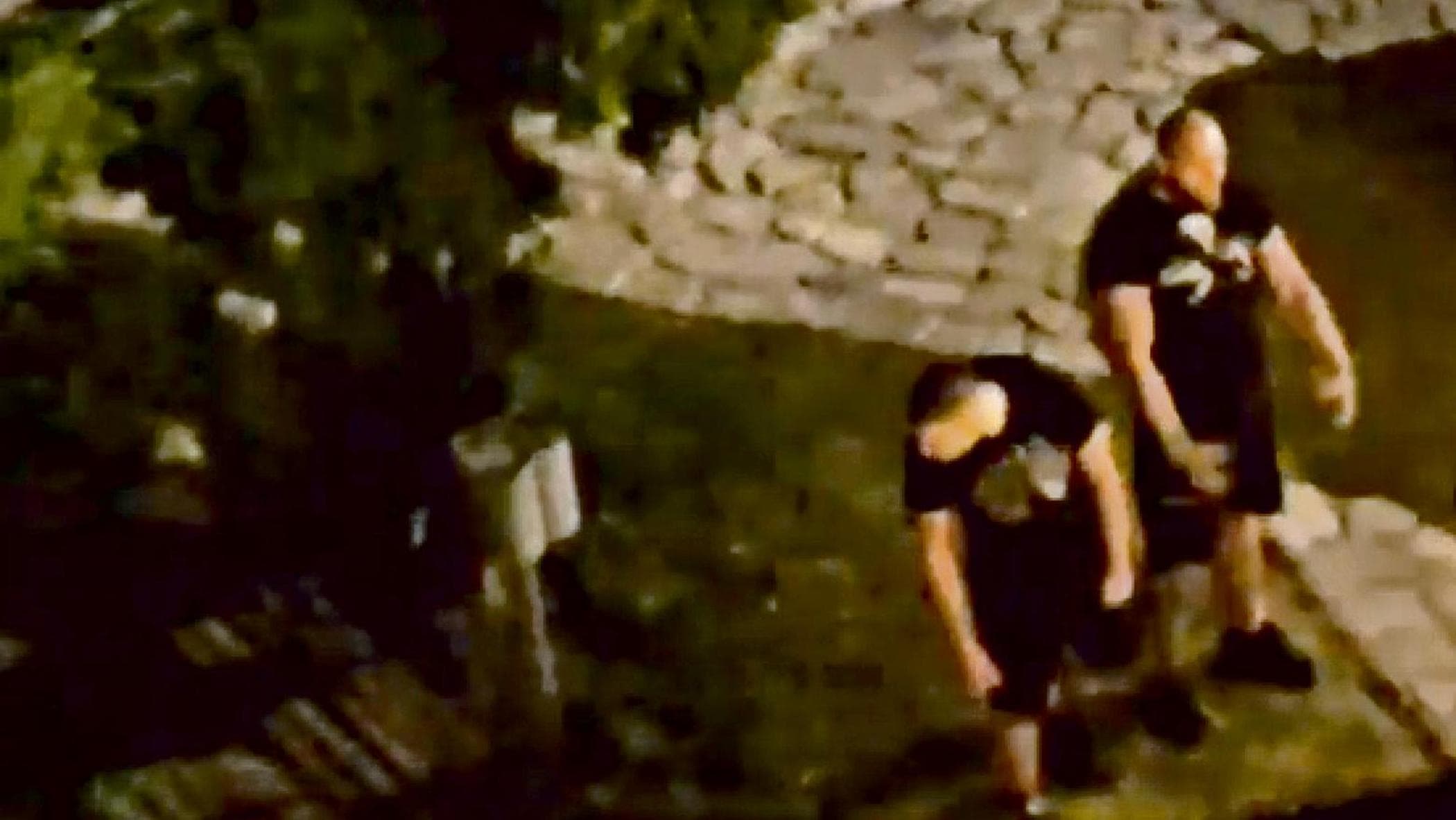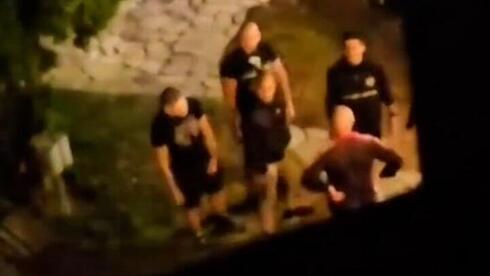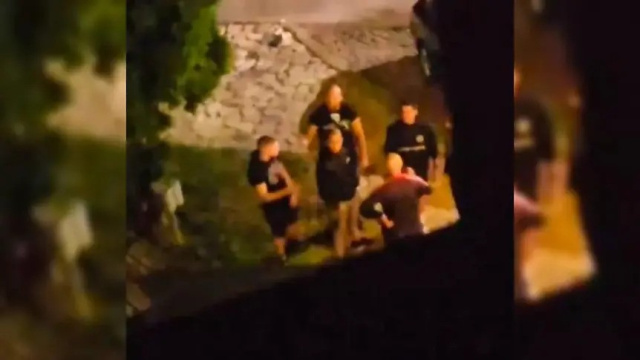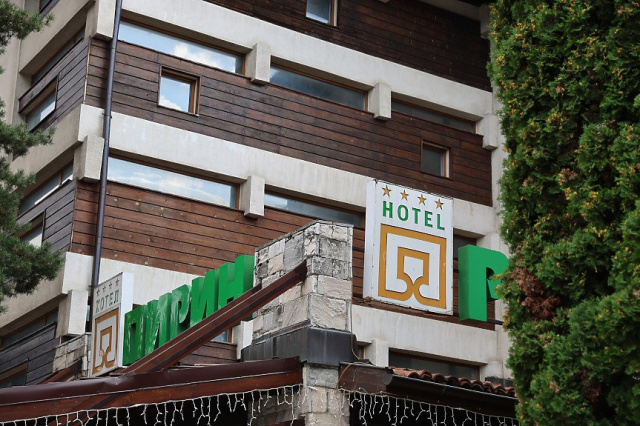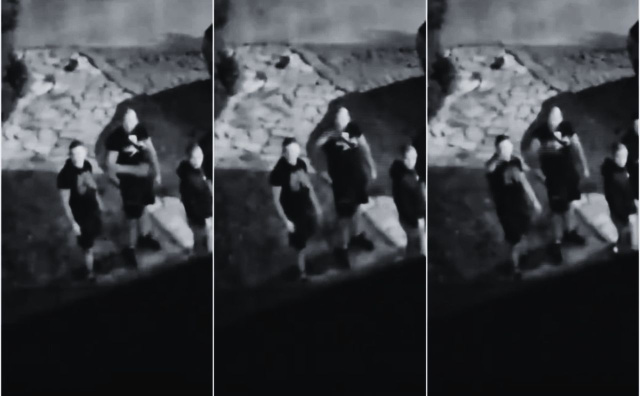
An incident on the night of August 2 in the mountain resort of Bansko has grown into an international dispute involving the governments of Bulgaria and Italy, the Bulgarian Jewish community, local police and residents. The two sides describe what happened in sharply different terms, and the facts that are agreed upon are considerably narrower than either the initial international coverage or the later Bulgarian rebuttals suggested. What follows is an attempt to lay out what is established, what is contested and what remains under investigation, drawing only on the available accounts.
The group and the setting
The group at the center of the dispute was a summer camp of roughly 200 children and young people, described in various accounts as aged between 11 and 17, accompanied by around 40 organizers. The hotel manager, Asen Levov, said the group arrived in mid-July and stayed until August 3, and that while it included participants from France and the United Kingdom, the young people involved in the widely reported conflict were Italian citizens of Jewish or Israeli origin. Accounts refer to the visitors interchangeably as Italian, Jewish and Israeli, reflecting that the group spanned more than one nationality while sharing a common religious identity. The visit coincided with the Bansko Jazz Festival, a detail several witnesses used to place the timing of the events.