Romania’s controlled Danube blast exposed the hidden dependency: low-carbon thermal generation still requires reliable heat rejection.
Support CleanTechnica's work through a Substack subscription, on Patreon, or on Stripe. Help us produce all of the high-quality, original content we publish week after week despite the challenges of content-scraping AI, antisocial media, inflation, and other hurdles.
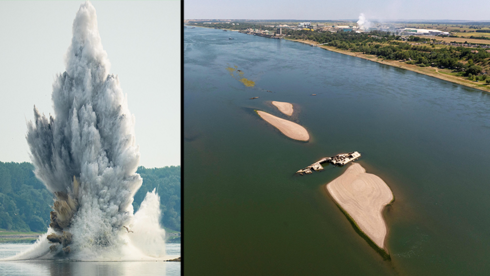
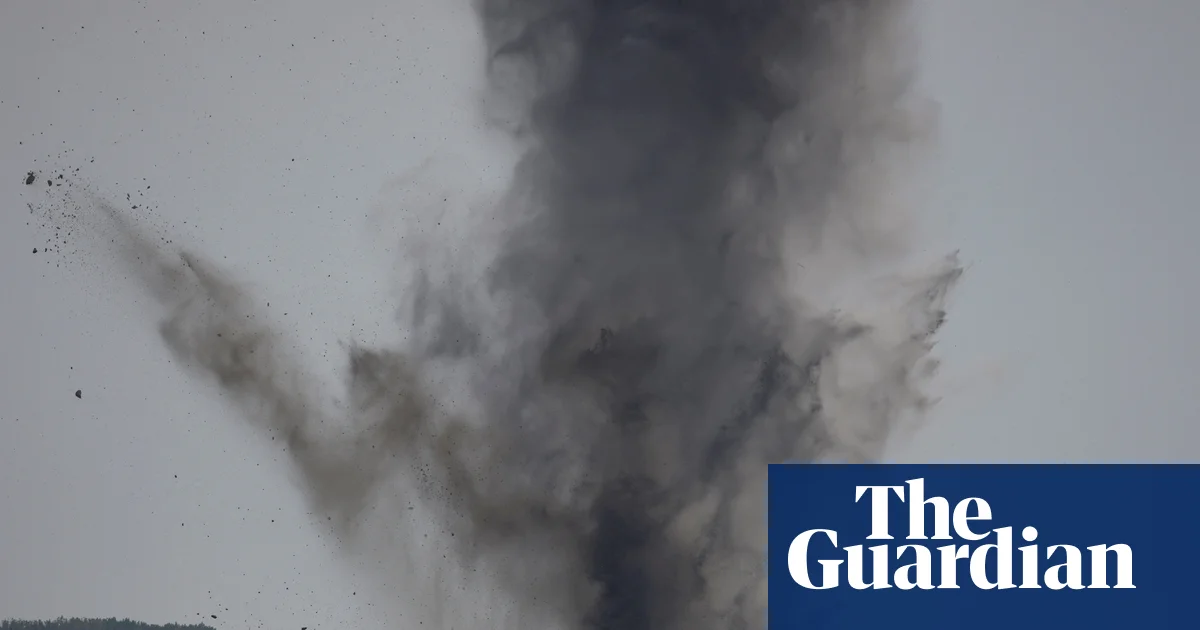
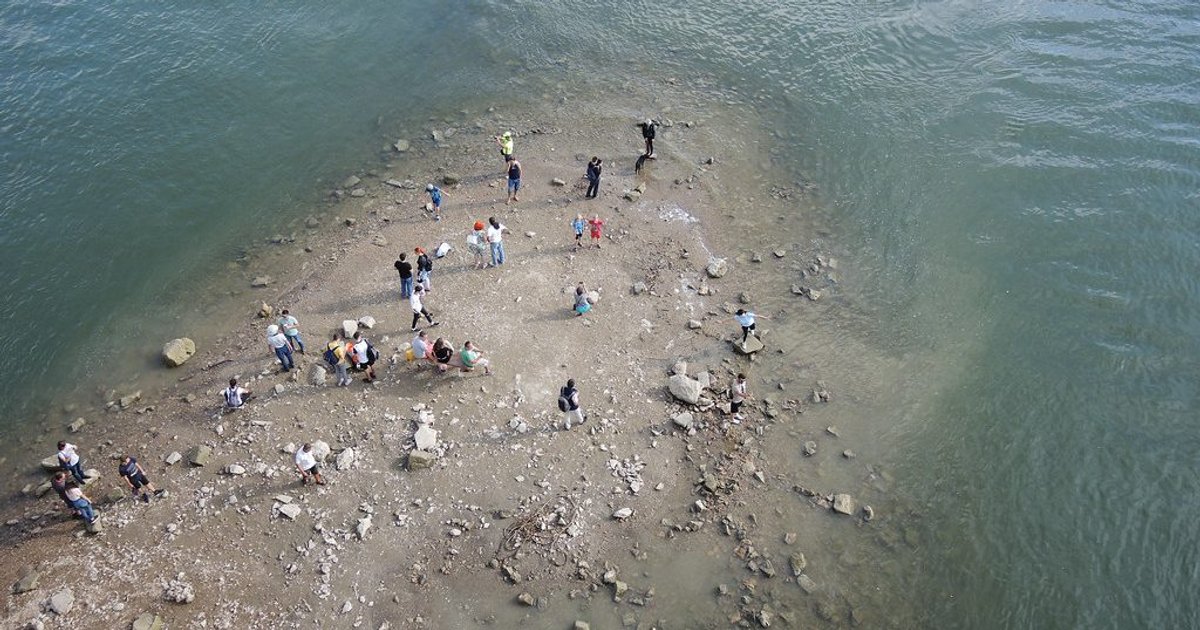
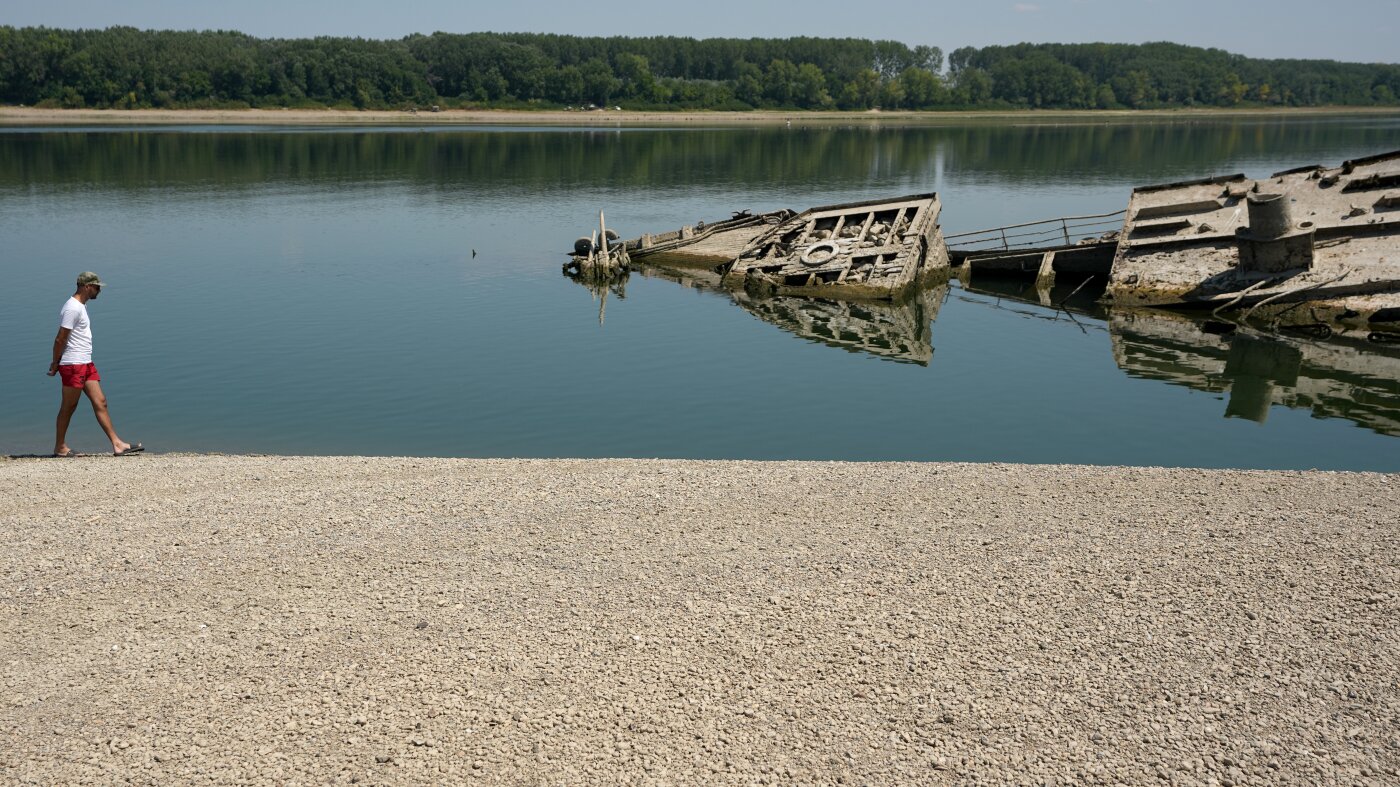
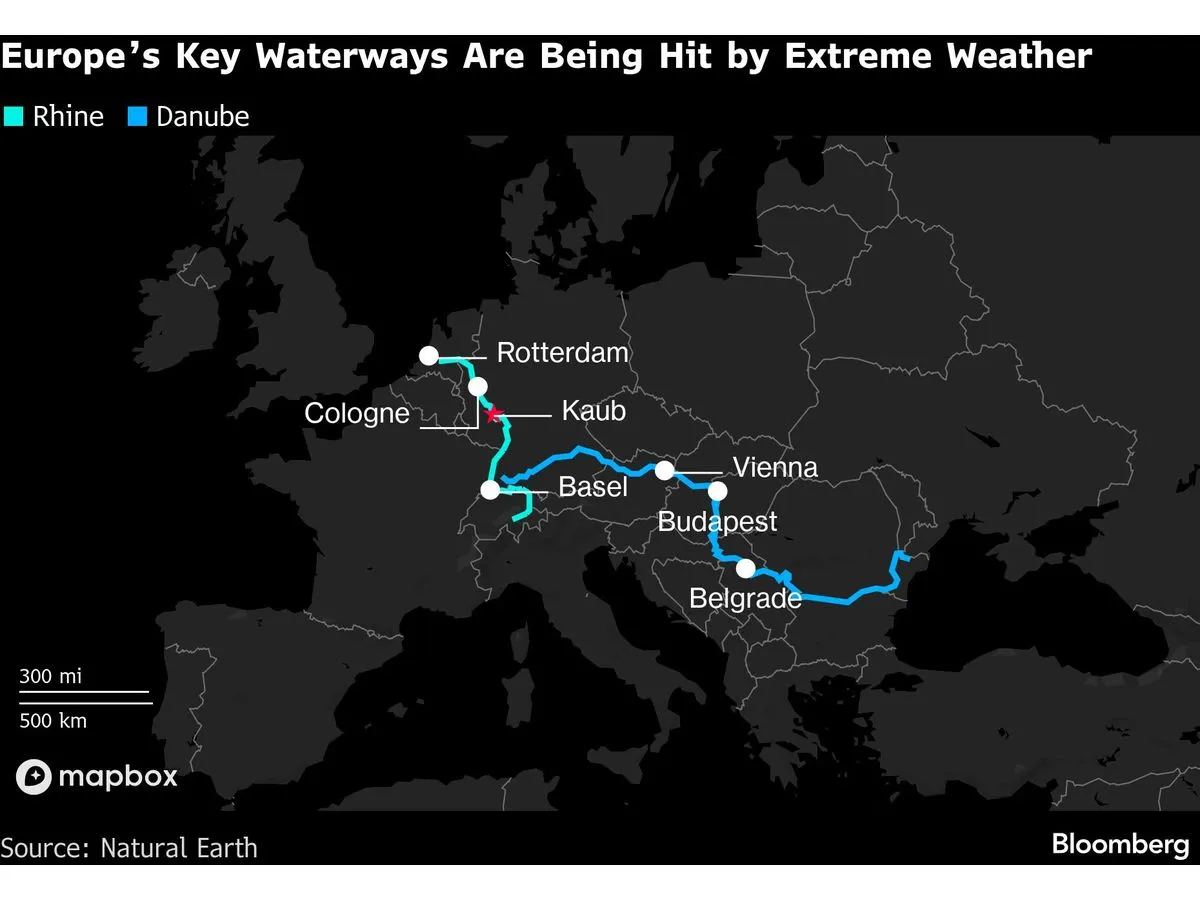
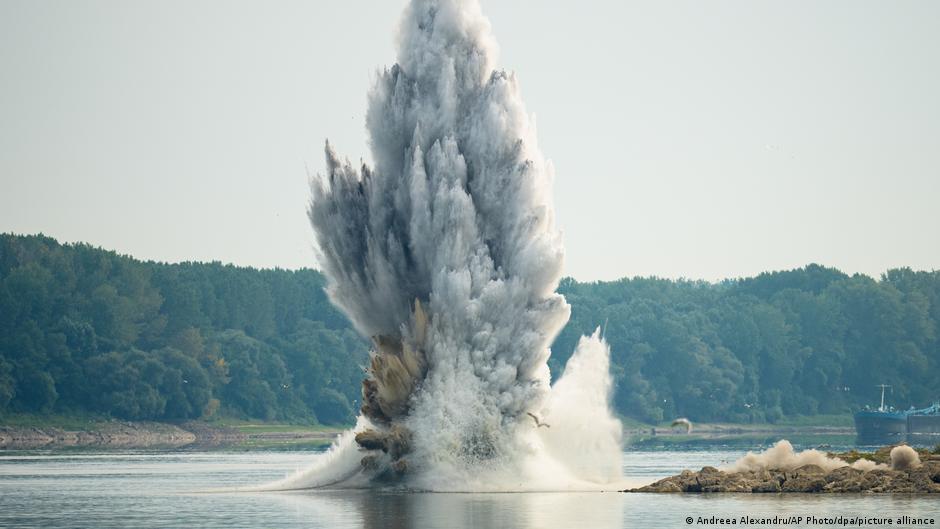
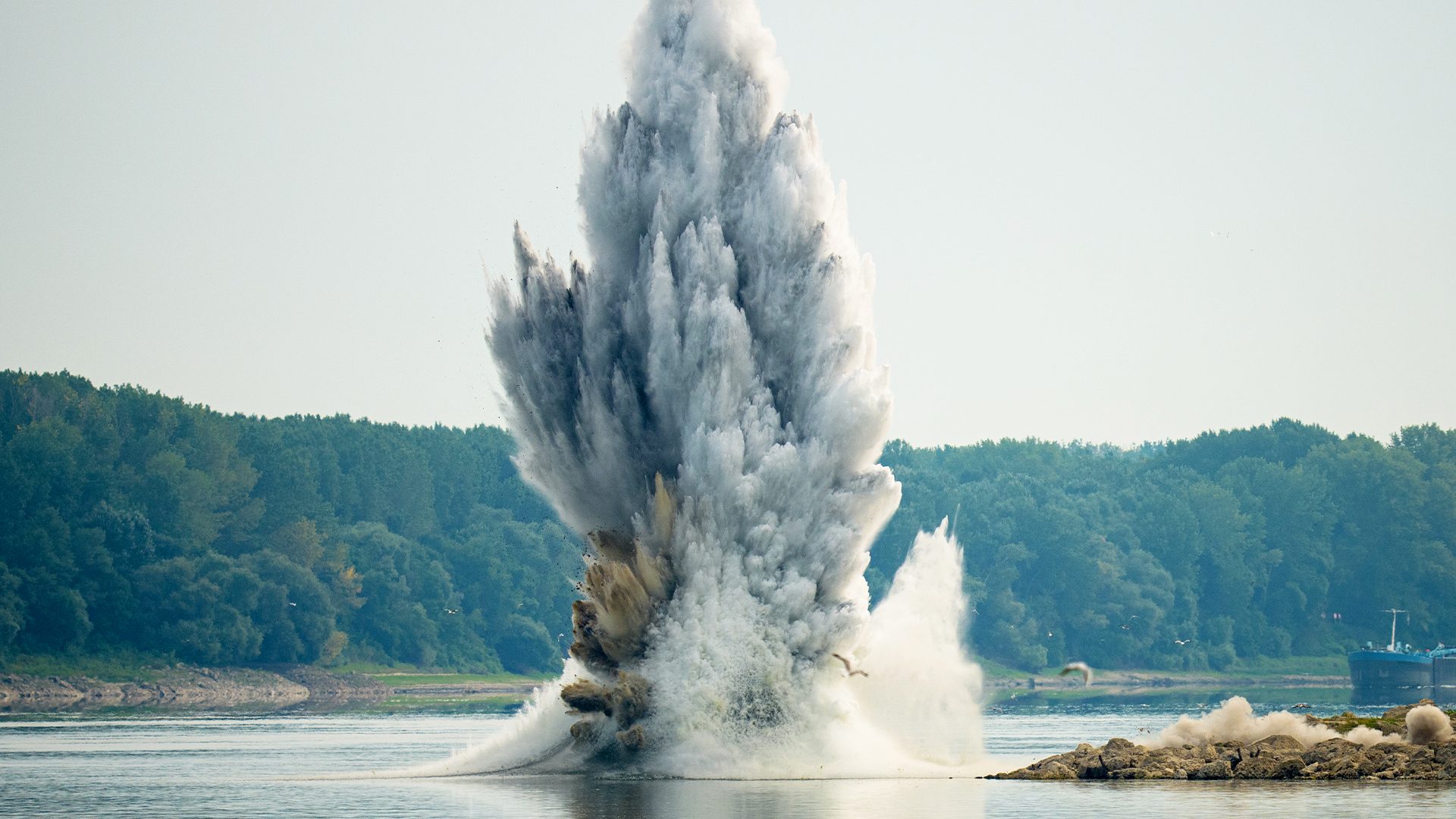
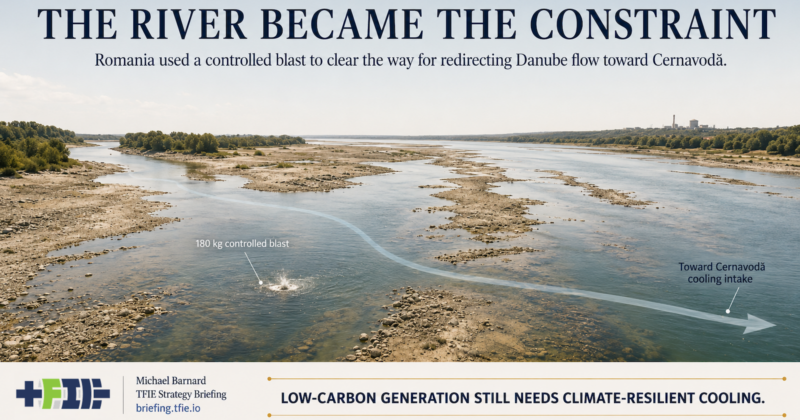
Romania gave Europe the kind of energy-transition image that should make planners uncomfortable. On August 3, Romanian naval engineers used 180 kilograms of explosives to remove a rock outcrop in the Bala Canal, a branch of the Danube. The controlled blast cleared the way for a temporary dam intended to direct more water into the river channel serving the Cernavodă nuclear plant. One of Romania’s two reactors had already stopped as Danube flow fell to about 1,500 cubic meters per second, less than one-third of the normal July level.
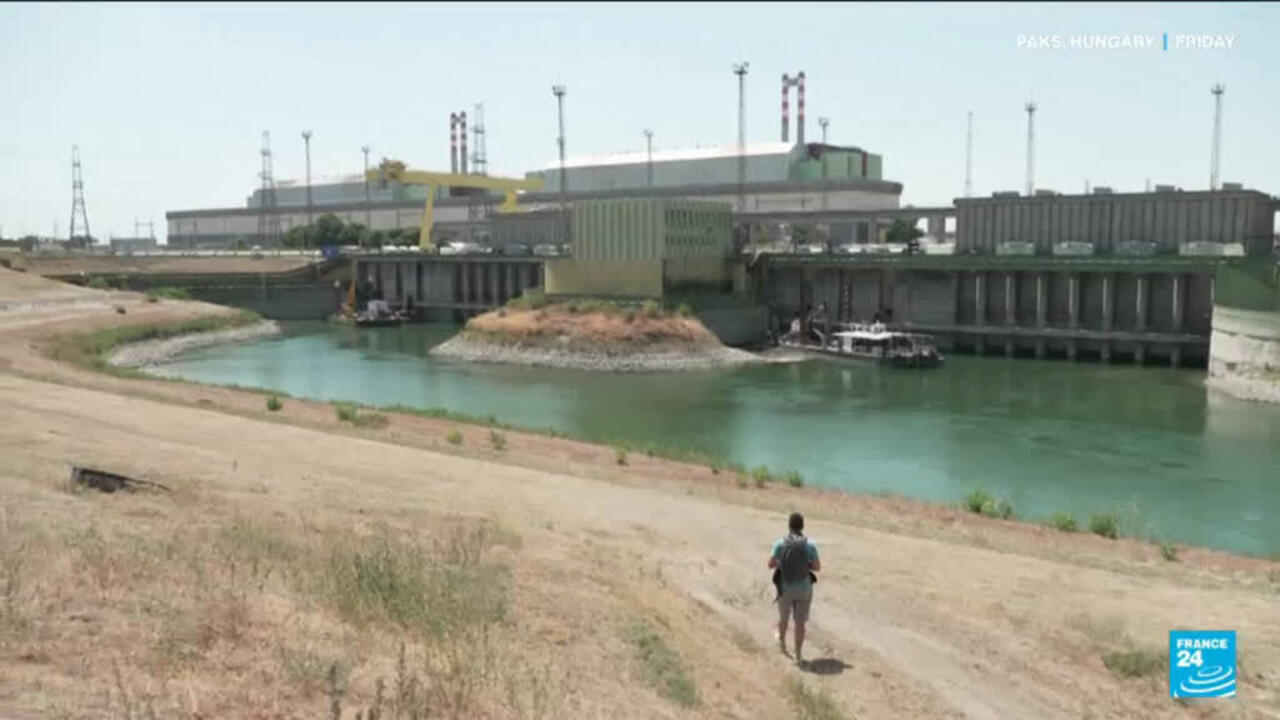
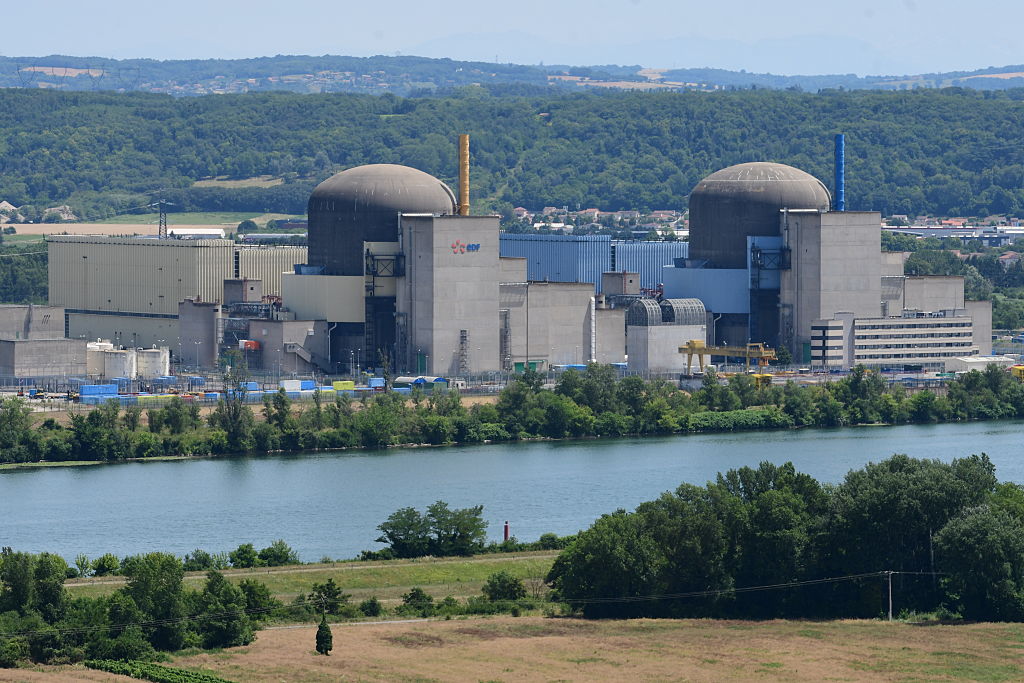
The intervention made a normally hidden dependency visible. Nuclear reactors produce heat continuously and require somewhere to reject the larger quantity of waste heat that does not become electricity. Their fuel supply may be largely insulated from weather, but cooling systems, intake structures and environmental permits for river-cooled plants are tied to local hydrology. Much of Europe’s existing nuclear fleet was designed around historical ranges of water temperature and flow that are becoming less dependable.