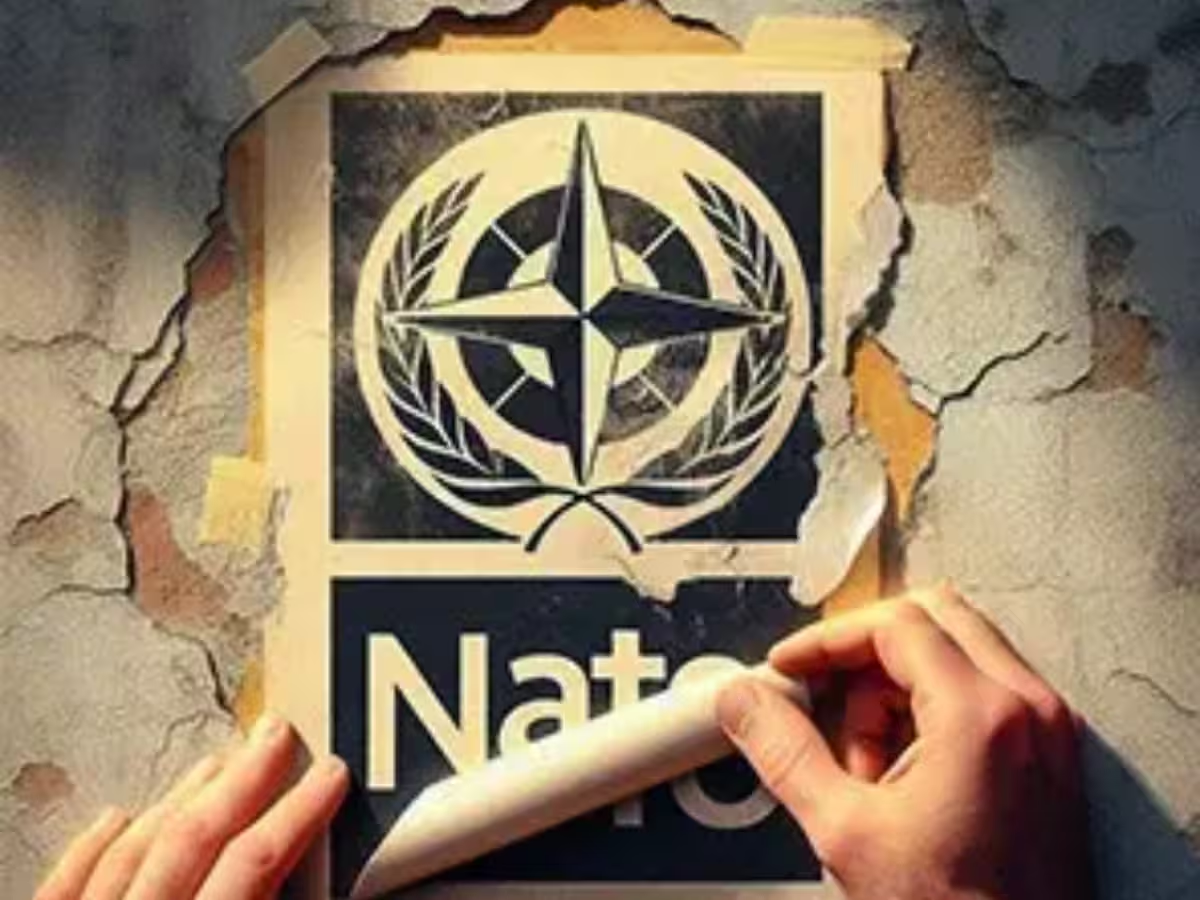
The European Union is rearming at an eye-watering pace not witnessed in decades. Yet as the continent invests billions into its military might, and confronts its most perilous environment since the Cold War, four EU countries cling to a defining principle: neutrality.
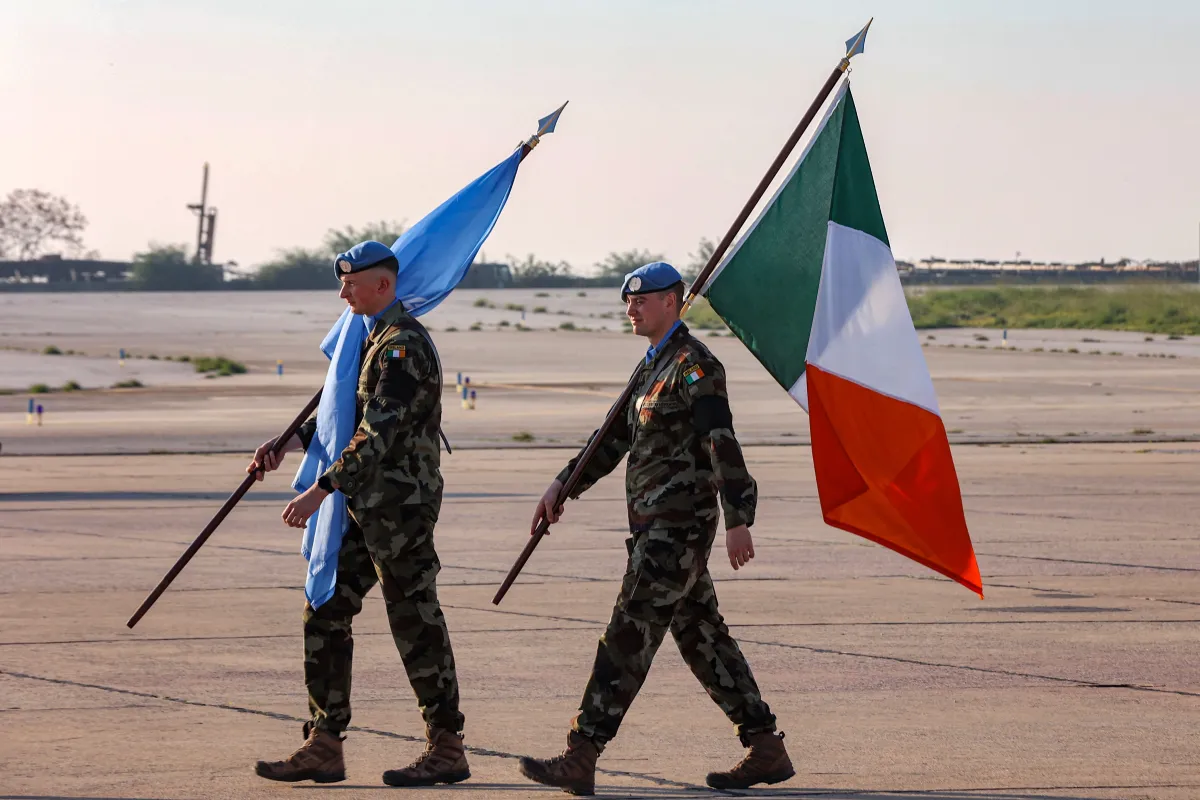
Austria, Ireland, Malta and Cyprus have each maintained policies of neutrality or military non-alignment — though they differ considerably in their legal status and interpretation. These concepts have adapted — or are adapting — to an increasingly volatile world, punctuated by Russia's invasion of Ukraine and a turbulent US presidency.
For these countries, neutrality is a high-wire act — balancing a long-held principle against an EU rapidly reshaping its approach to the world around it.
Under international law, neutrality generally means that a state does not participate in an international armed conflict between other states. It also entails a range of obligations concerning relations with belligerents.
But the definition is nuanced, and the four countries do not share the same legal status.