Europe is rapidly rewriting its security architecture. Faced with Russian aggression, mounting doubts about long-term American commitment and growing pressure to shoulder more of its own defense burden, European states have embraced minilateralism: smaller, flexible coalitions built around shared strategic priorities and operational needs. From the Joint Expeditionary Force to the Anglo-German Kensington Treaty and France’s new concept of “forward deterrence”, these coalitions are reshaping how Europe prepares for conflict. And yet space, increasingly central to military operations and deterrence, remains the missing piece.
While European countries are deepening defense cooperation across land, air and maritime domains, they continue to rely overwhelmingly on the United States for military space operations. Europe has made progress in developing shared space infrastructure and services, but its approach to operational space power remains fragmented, nationally driven and heavily dependent on U.S. leadership. If Europe wants credible strategic autonomy in defence, it must begin operationalizing minilateral cooperation in space as well.
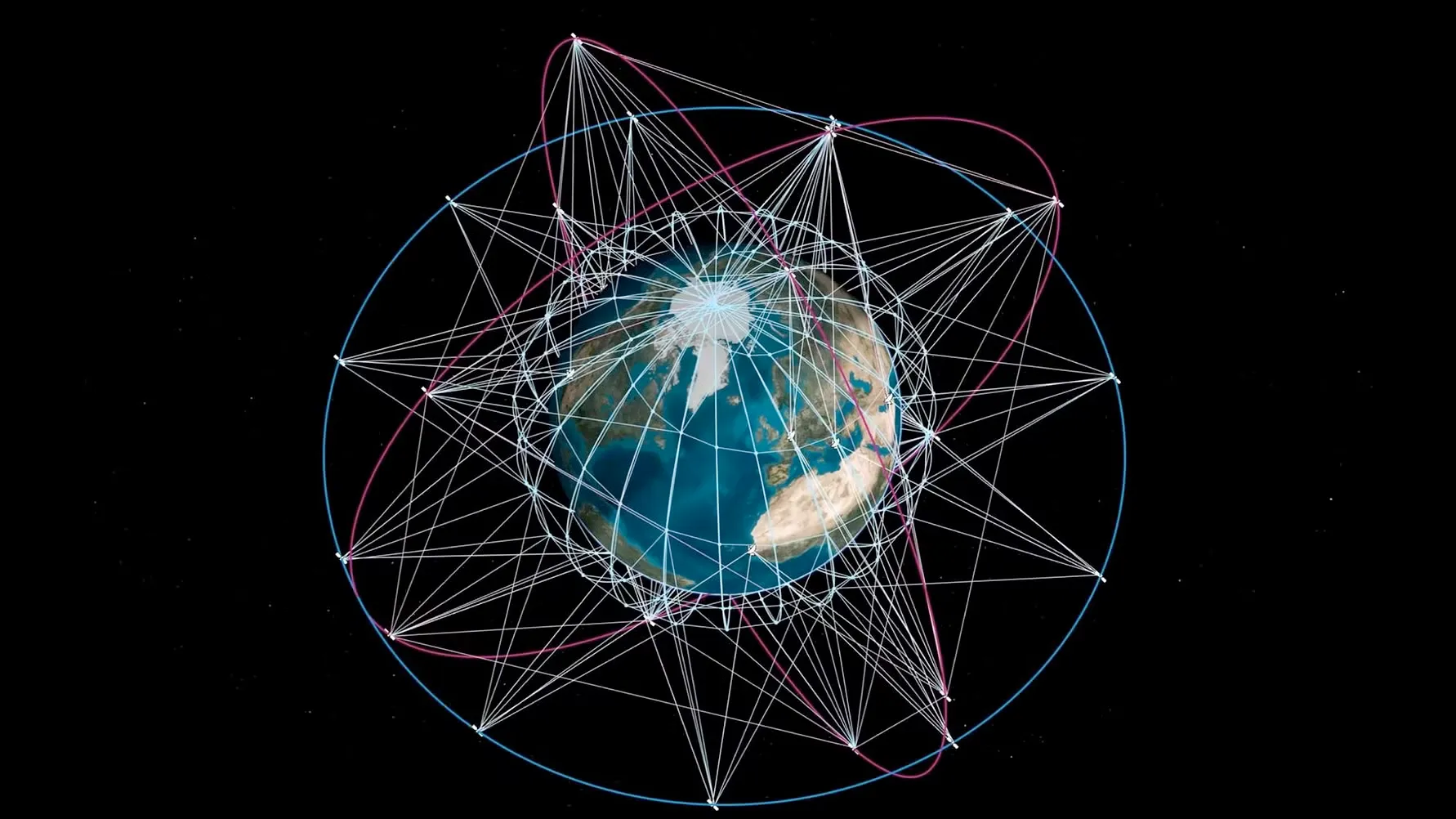
That is not to say Europe is ignoring the issue entirely. The European Union is developing the IRIS² secure communications constellation and funding the initial phases of a European space-based early warning architecture through the ODIN’s EYE program, recently reinforced by the Franco-German JEWEL initiative. The European Space Agency has also entered the defense arena through its European Resilience from Space program, designed to integrate Earth observation, satellite communications and positioning, navigation and timing into a system-of-systems approach for dual-use missions. NATO, for its part, has launched a series of space initiatives such as the Strategic Space Situational Awareness System, Alliance Persistent Surveillance from Space, and NORTHLINK. These initiatives are based on a pooling-and-sharing model of existing capabilities drawn from a select number of NATO countries.