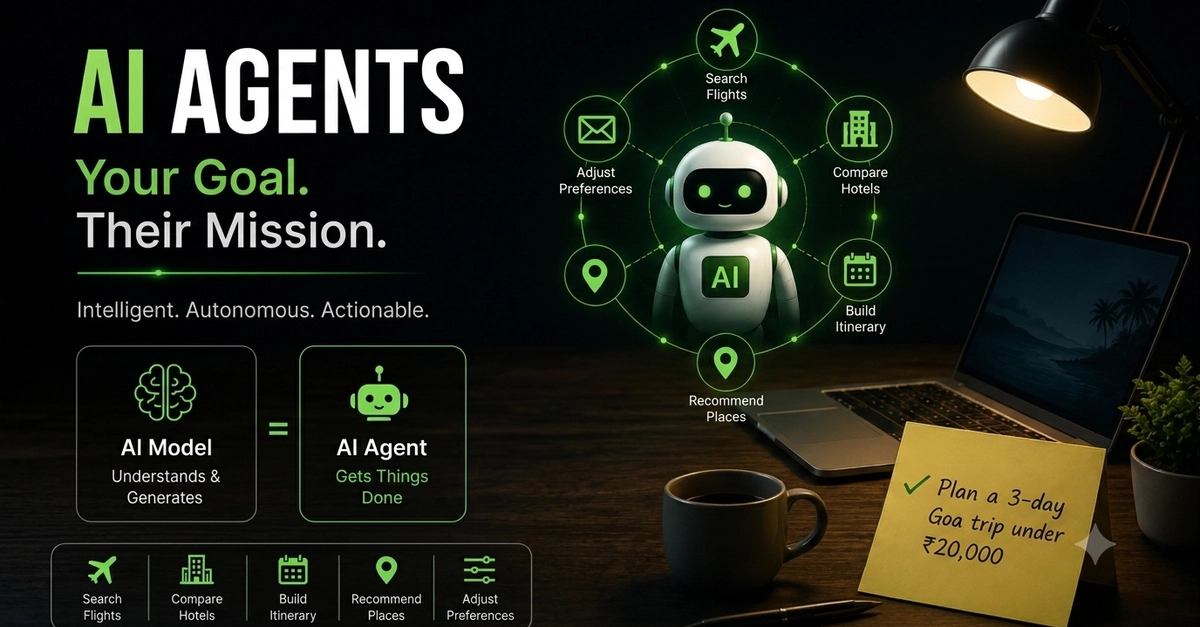
The next internet will not be built by humans clicking buttons; it will be built by agents acting on behalf of people, brands, publishers, platforms and enterprises.
Some of these agents will be simple workflow assistants. Others will manage budgets, audiences, inventory and outcomes with increasing autonomy across systems that were never designed to work together.
This raises a timely question: If large language models can understand context, infer meaning and reason across messy data, do we still need standards and protocols to guide AI solutions?
Many of today’s standards exist because software historically struggled with ambiguity. We built schemas because machines could not understand intent. We built taxonomies because systems could not reconcile different definitions. We built APIs because applications could not communicate without rigid interfaces.
But today, an LLM can increasingly bridge those gaps on its own. It can recognize that “campaign start date,” “flight begin” and “launch timestamp” describe the same concept. It can translate schemas, map taxonomies, generate integration logic and infer meaning from incomplete information.