Story audio is generated using AI
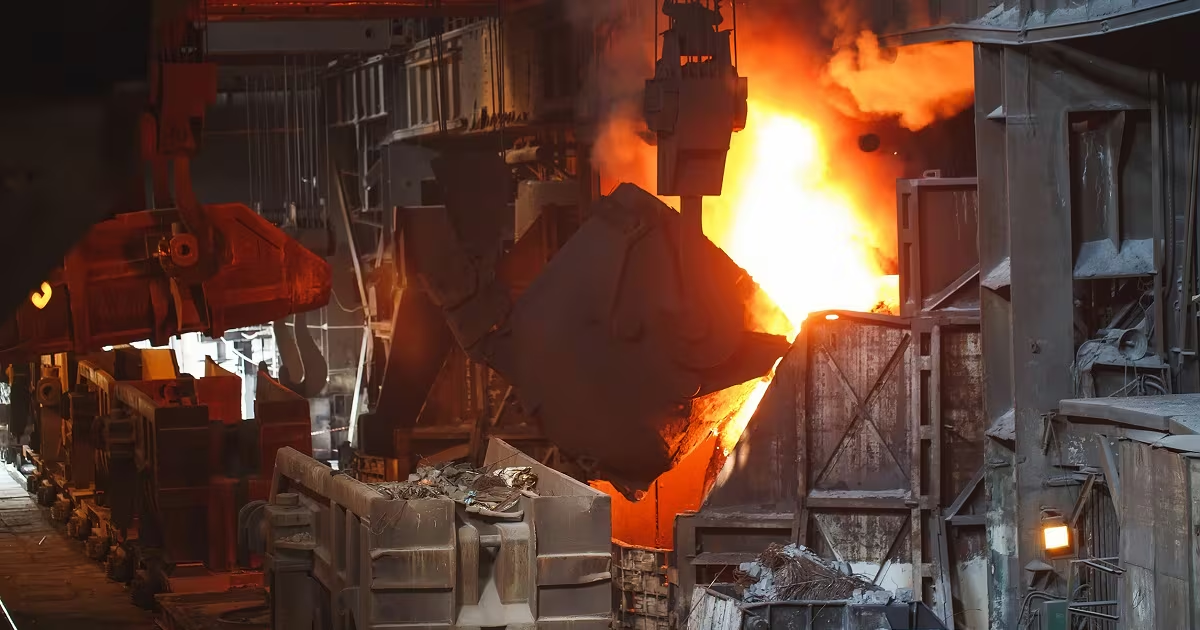
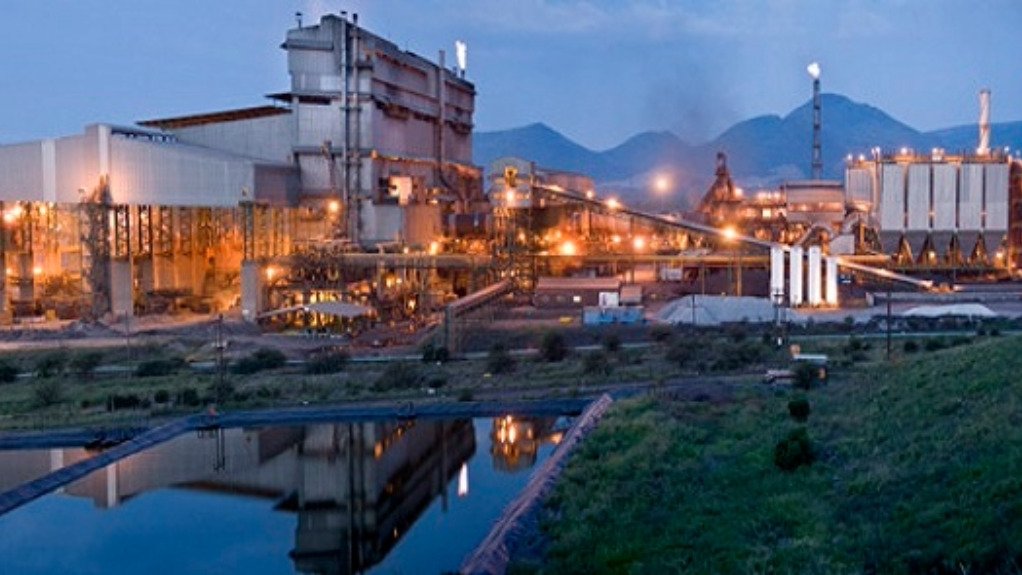
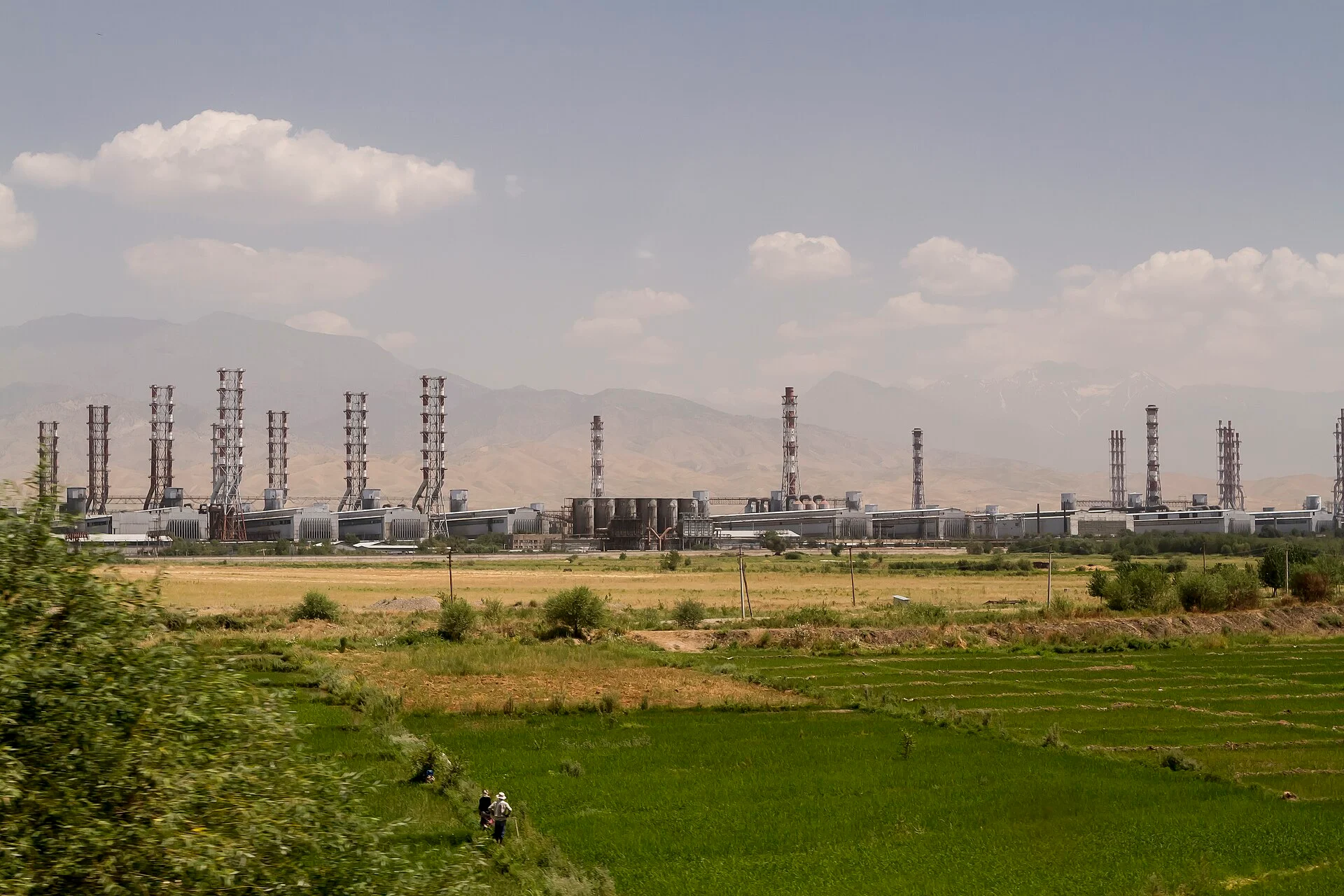
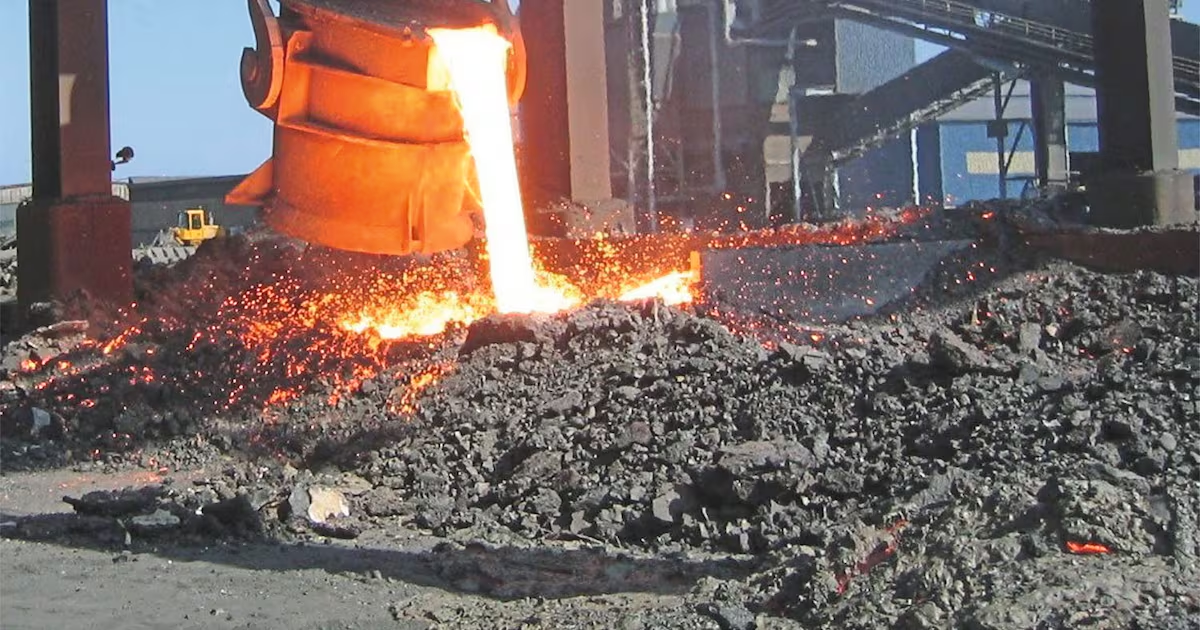
A ferrochrome furnace is an electricity business with an ore input. The Ferroalloy Producers Association puts electricity at 40%-60% of production cost. In January, four of South Africa’s 48 ferrochrome smelters were running.The National Energy Regulator of South Africa (Nersa) approved a 62c/kWh tariff for two ferrochrome producers from June 1, down from the emergency 87.74c/kWh granted in January. Both the diagnosis and the remedy were written in cents per kilowatt hour.South Africa mines no bauxite. Hillside Aluminium, the southern hemisphere’s largest aluminium smelter, has run at Richards Bay for three decades on imported alumina and a tariff the plant could bank. Its sister plant Mozal Aluminium, same owner and same metal, never secured a comparable contract in six years and went to care and maintenance in March.South32 agreed in July to sell Hillside to Alcoa inside a $5.6bn transaction. Mozal was left out and the group’s outgoing CEO said it would have been included had it held an affordable power contract and been running. Neither smelter sits on an ore body. What separated them was the electricity contract.A smelter’s binding constraint is a tariff, not an ore body, so it is not financed the way a mine is. Policy describes the two as successive steps in one chain; investors and lenders value them as two asset classes. A mine is a depleting resource whose cash flows track prices it cannot influence. A refinery is industrial manufacturing whose competitiveness is primarily a function of the cost of power. Its capital comes from metallurgical groups, infrastructure funds and development finance institutions, built for permanent plants rather than depletion.On July 16 the International Energy Agency published its Global Critical Minerals Outlook. It models neither chrome nor South Africa. It sets out how refining economics behave when a plant competes with an established hub, where South African ferrochrome sits, whatever its standing in ore.Such projects carry capital costs 20% to over 150% higher and operating costs 50% higher, which it attributes to smaller industrial bases and lower economies of scale. It separates the stages too: mining is capital intensive and suits upfront capital support, while refining turns on cost and margin pressure and needs operational measures.Competitiveness, it adds, rests on an ecosystem rather than a plant: specialised equipment, reagents, process control, downstream integration. A tariff does not build that. It is what makes building it financeable.In rare earth refining, price support lifts a project’s internal rate of return by 2.4 percentage points at about $18m a year, a cash grant by 1.3 points at $3.5m. Those magnitudes belong to that mineral. The instruction to match the tool to the segment does not.Competitiveness, it adds, rests on an ecosystem rather than a plant: specialised equipment, reagents, process control, downstream integration. A tariff does not build that. It is what makes building it financeable.An export tax acts on the price of ore. It raises the cost of capital of the mine expected to sponsor the plant and redirects little tonnage: a growing share of South African chromite comes off the UG2 reef as a by-product of platinum mining, where output follows platinum group metal economics.A beneficiation condition on a mining right reaches no further. It asks mining capital to finance industrial manufacturing, raises the return required on both, and leaves the cost base unchanged. The cost falls on exploration.The Industrial Development Strategy names affordable electricity “the biggest and most urgent enabler” of industrial development after tariffs rose more than 900% since 2008. Its chrome plan runs to three lines: an export tax and quota, tariffs or a negotiated pricing agreement and two special economic zones. Its cross-cutting measures repeat that tariff, measured by a fall in the cost of beneficiation.A furnace remains an electricity business with an ore input. That makes the tariff the first-order instrument and the export tax, if it has a role, a second-order one. Fund the tariff line first. The same test applies to manganese, to battery materials and to any midstream the country intends to build.• Chatikobo is a CA specialising in M&A advisory. He writes in his personal capacity.