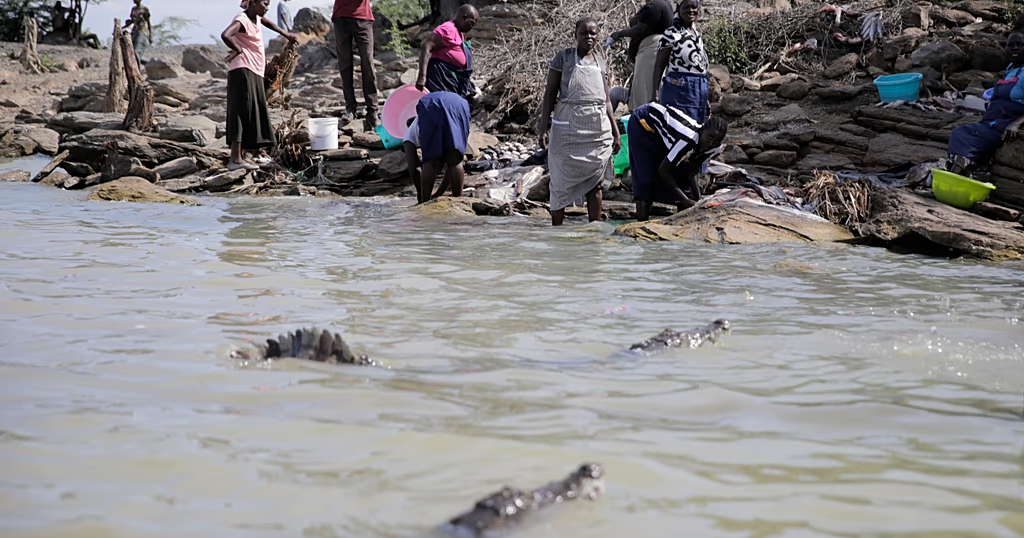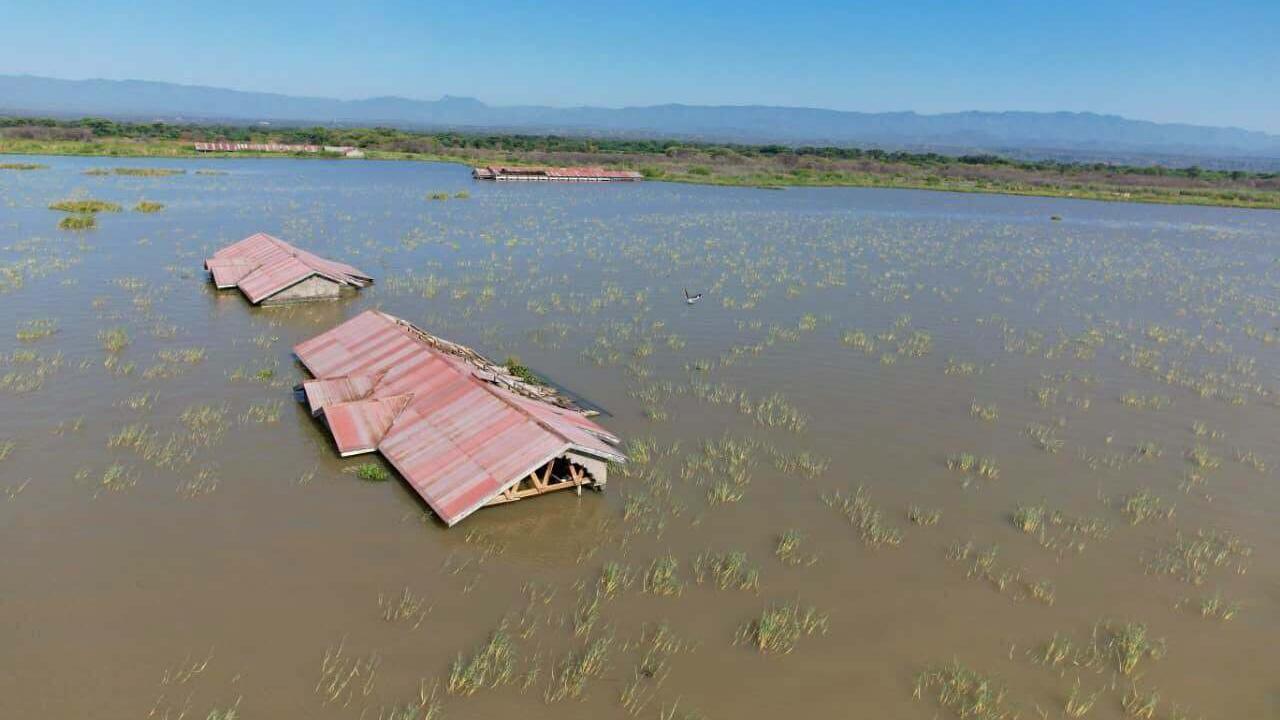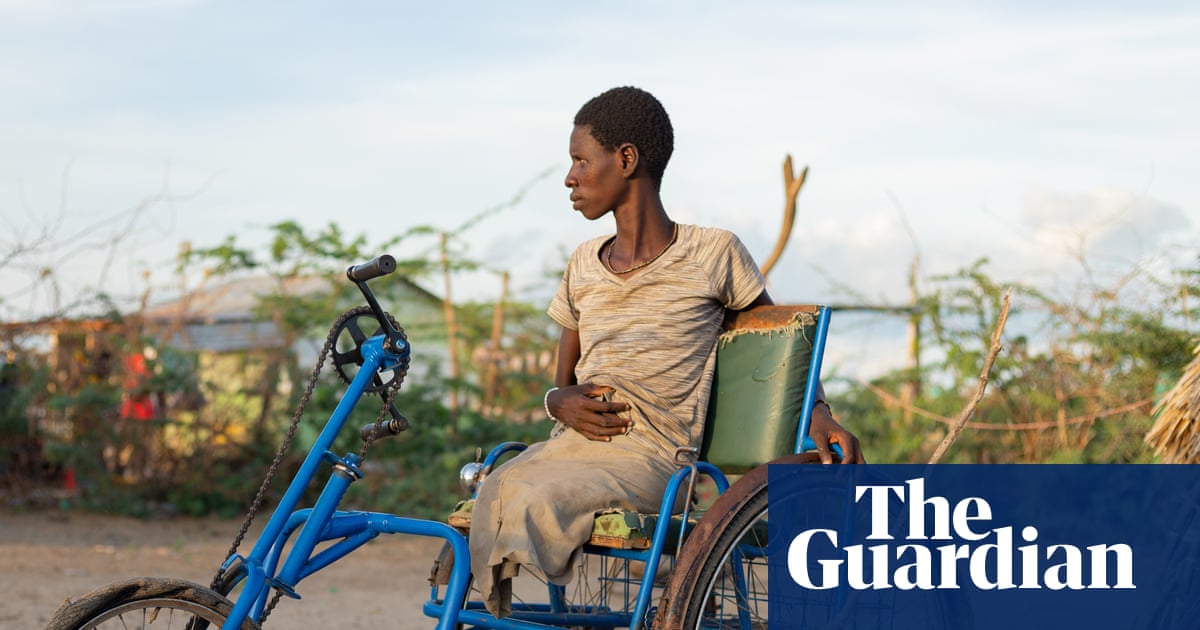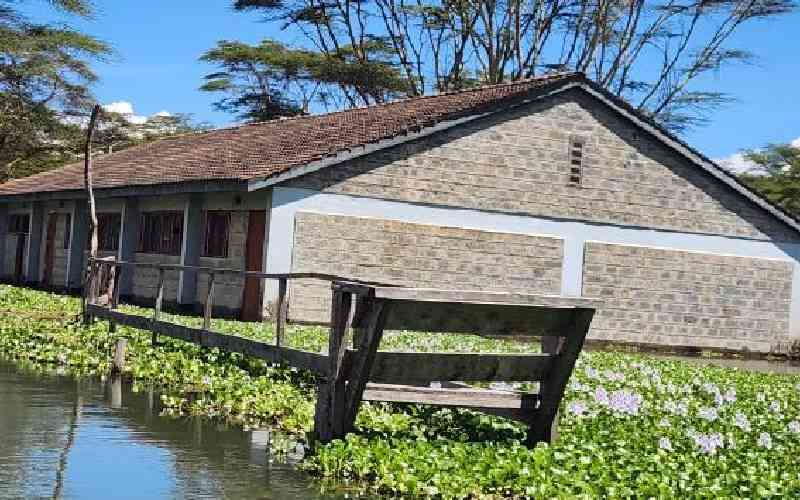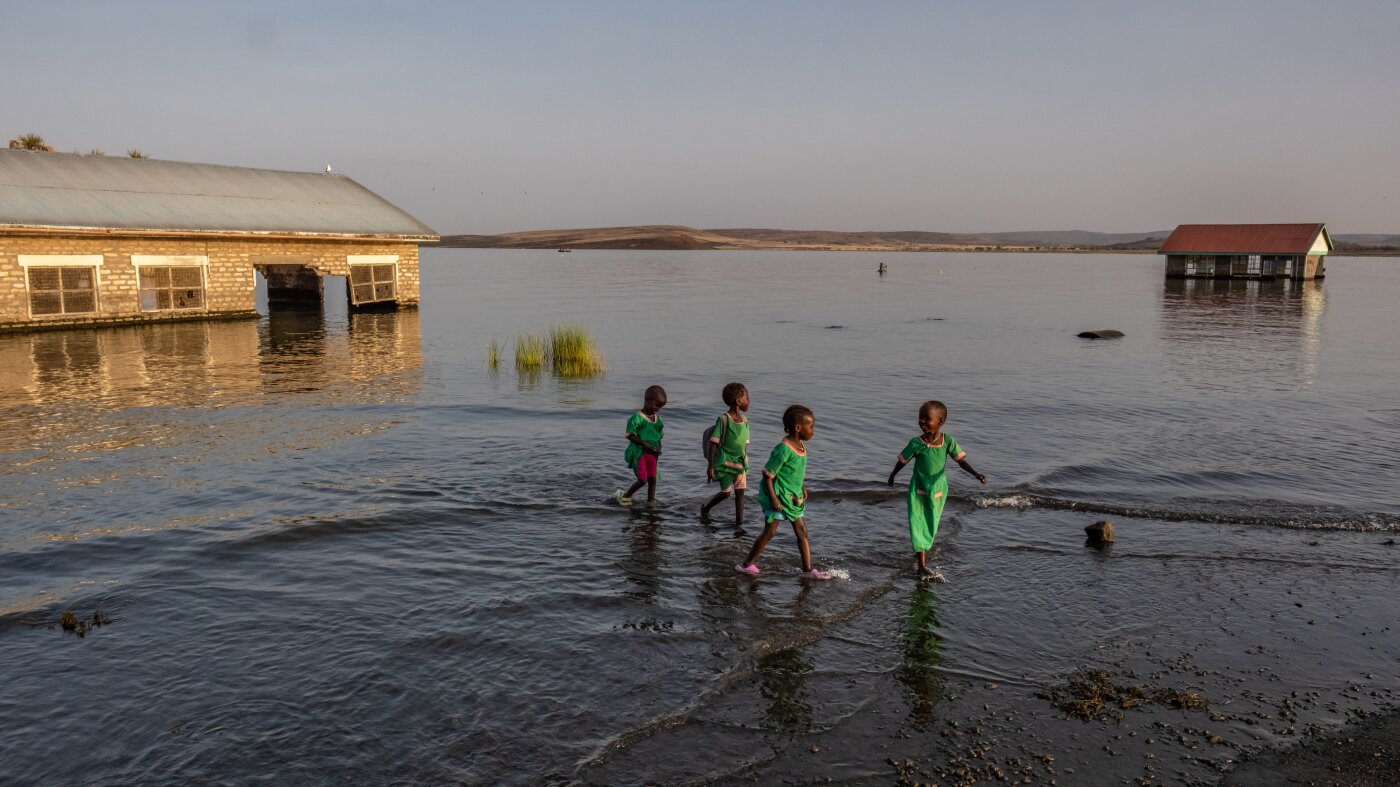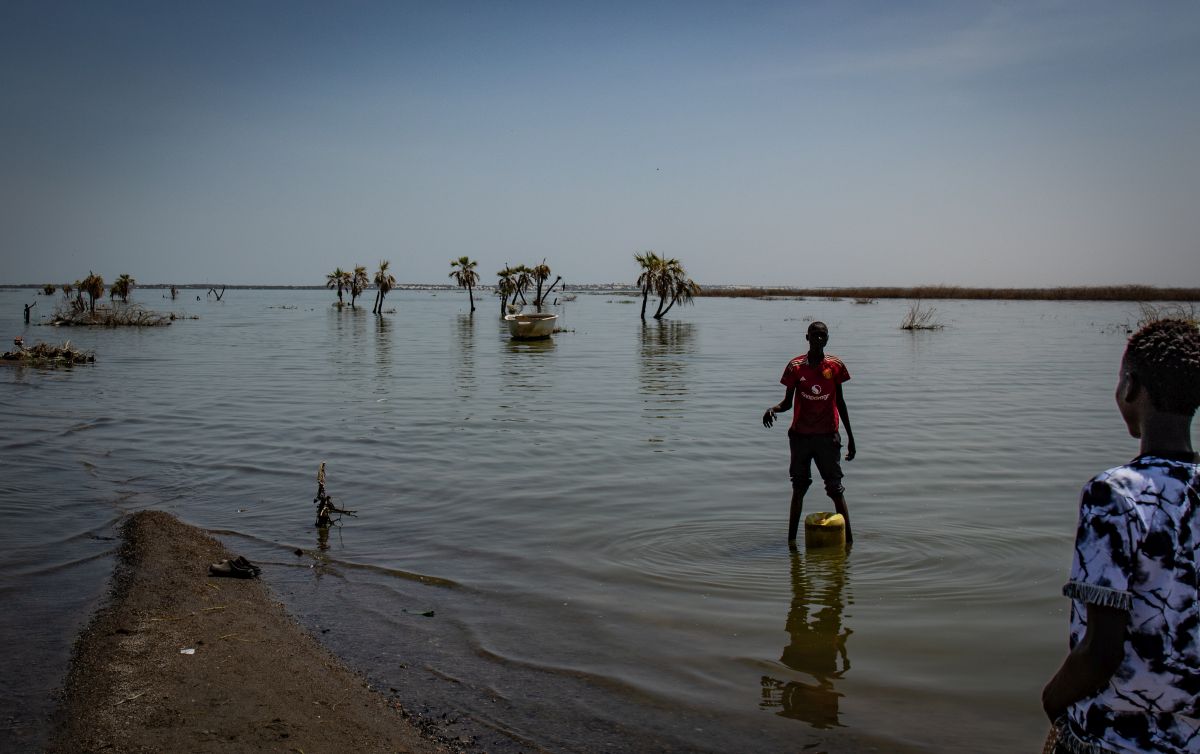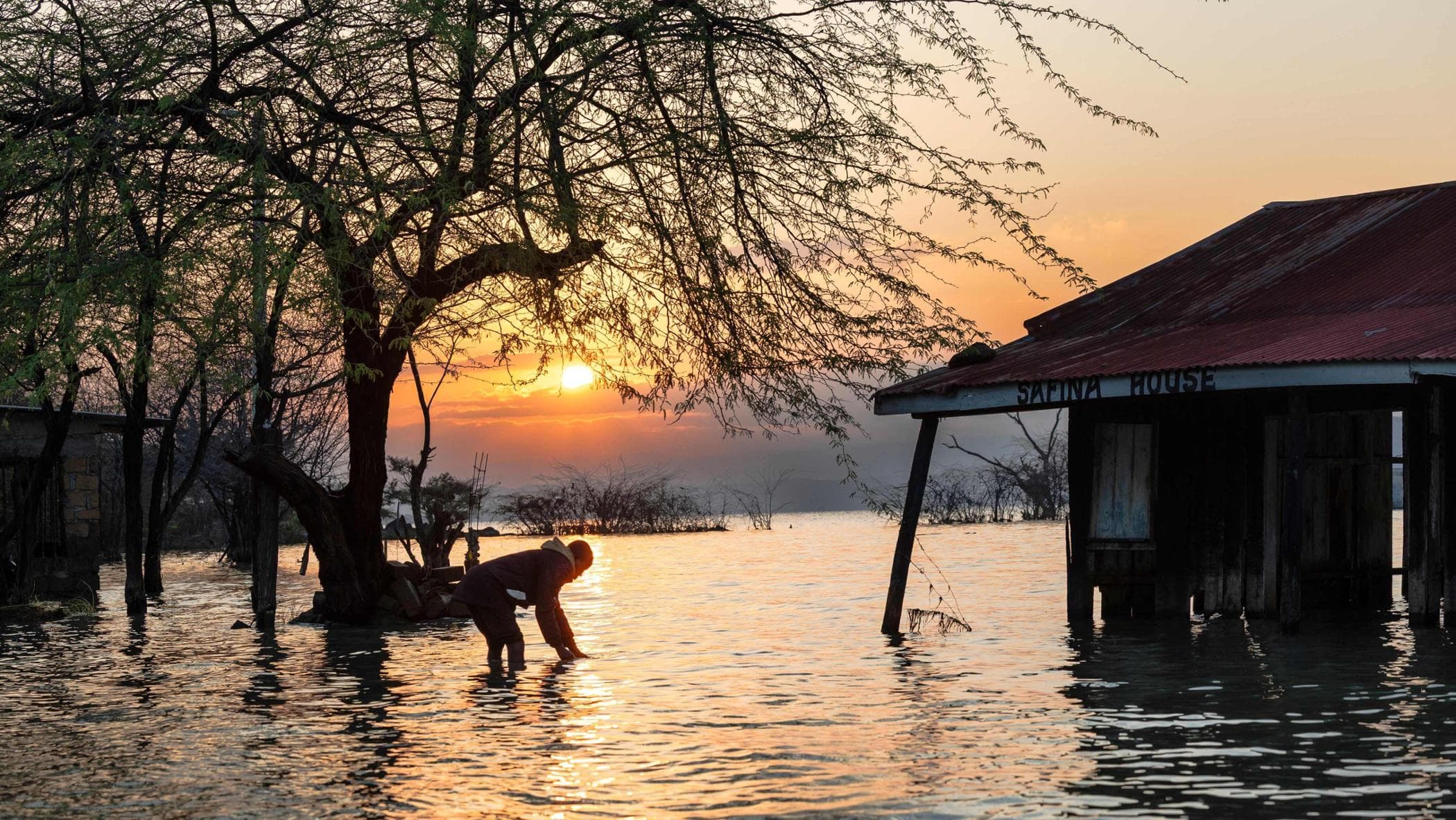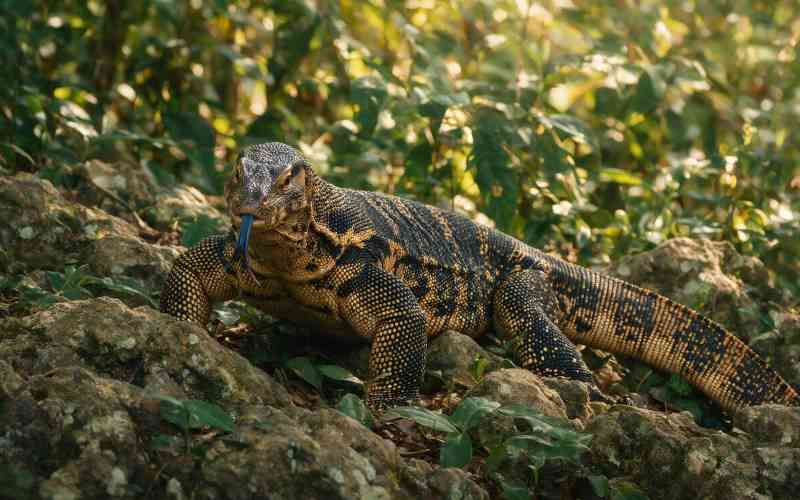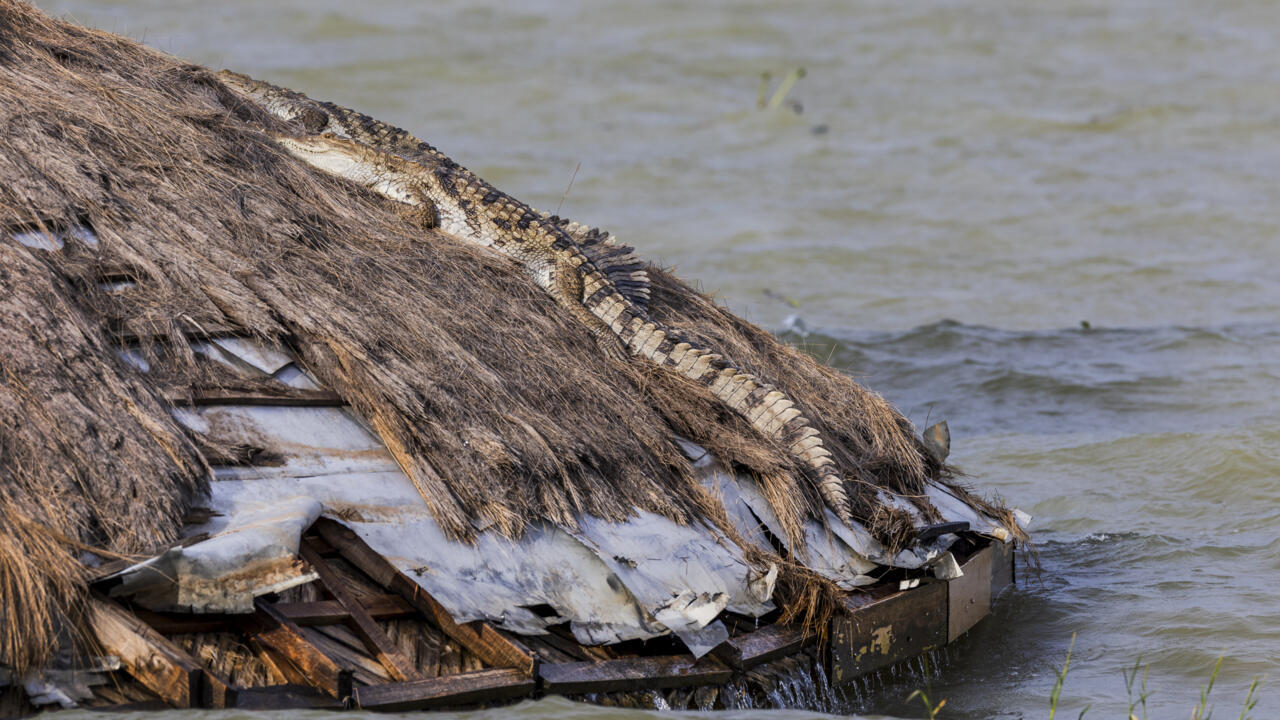
Lake Baringo and other lakes in Kenya's Rift Valley have risen to levels not seen in at least half a century, with scientists attributing the surge to extreme rainfall linked to climate change.Tens of thousands of people have been displaced to higher ground, according to official data, yet many victims say the lakes keep following them.In 2011, when the lake recorded its first significant surge, Mary Milka Tiren, 40, lost her husband after a hippo attacked him on his way home from his job at a popular tourist resort, which is now completely submerged.A decade later, her nine-year-old son spent three months in hospital after a crocodile attack, leaving a scar on his right arm."It wanted to rip off his whole arm from the shoulder... but he was rescued by his peers after a long struggle," Tiren said."We've seen a rise in crocodile attacks not because there are more crocodiles, but because the lake is now close to the homesteads," Kenya Wildlife Service (KWS) senior warden Jackson Komen told AFP."We also have hippo attacks because when the lake expanded, the riparian ecosystem -- where we used to have pasture -- was lost."'Ecological disaster'An AFP analysis of Copernicus Sentinel and NASA Landsat satellite imagery shows Lake Baringo's surface area has expanded by 70 percent since 2010, from about 138 square kilometres (53 square miles) to 234 square kilometres.Neighbouring Lake Bogoria, which is notable for its high sodium levels, has also grown by 21 percent over the same period, increasing from 34 to 41 square kilometres.
Rising Kenyan lakes push crocodiles closer to homes
A crocodile basks in the sunshine on the roof of a submerged conference hall at a holiday resort in central Kenya, in a visible sign of how rising lake waters are endangering thousands of families and…
776 words~4 min read