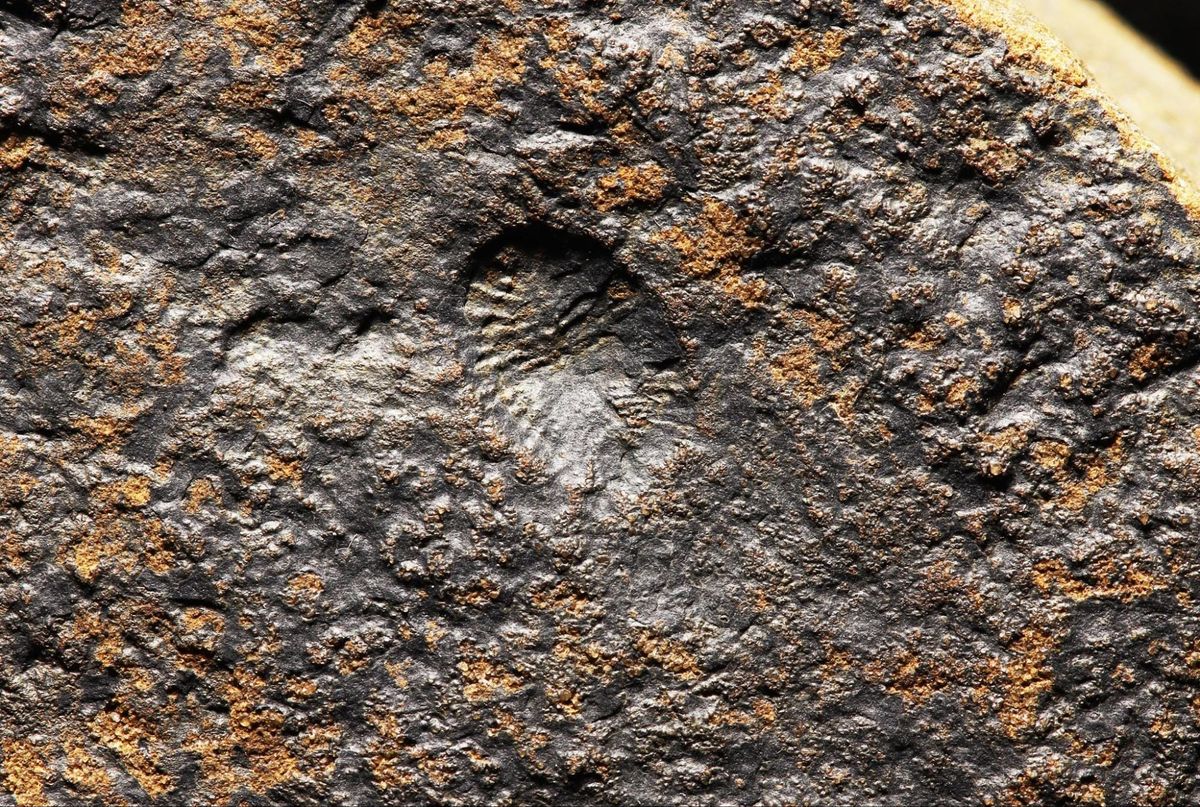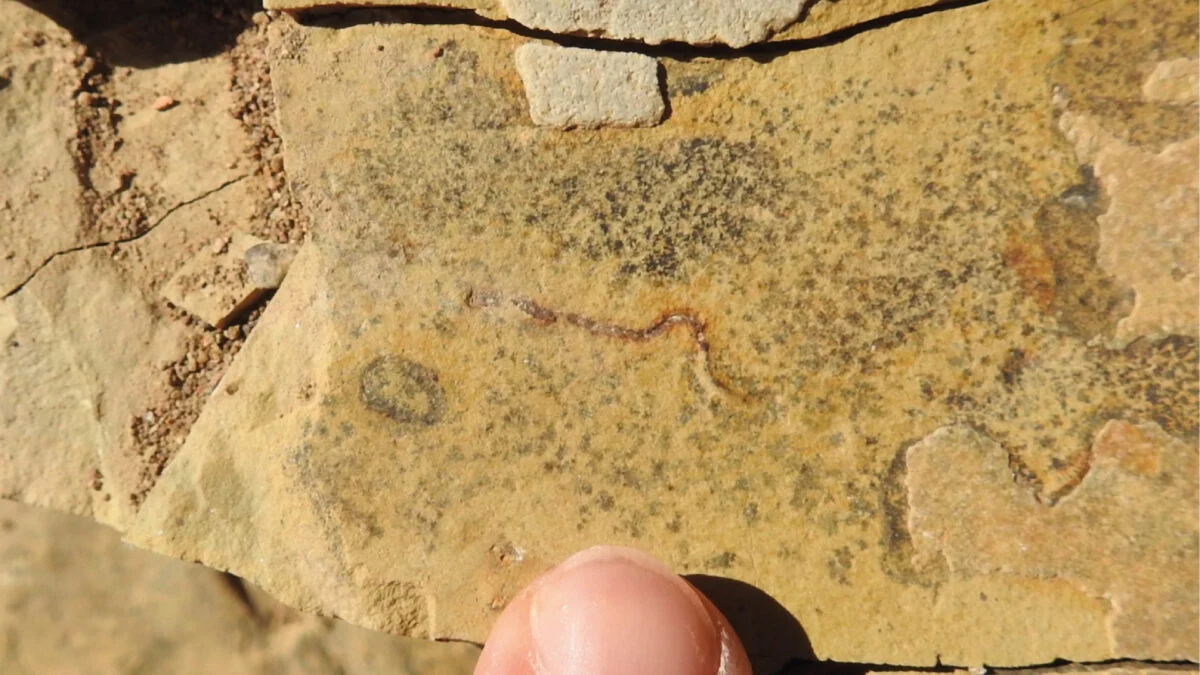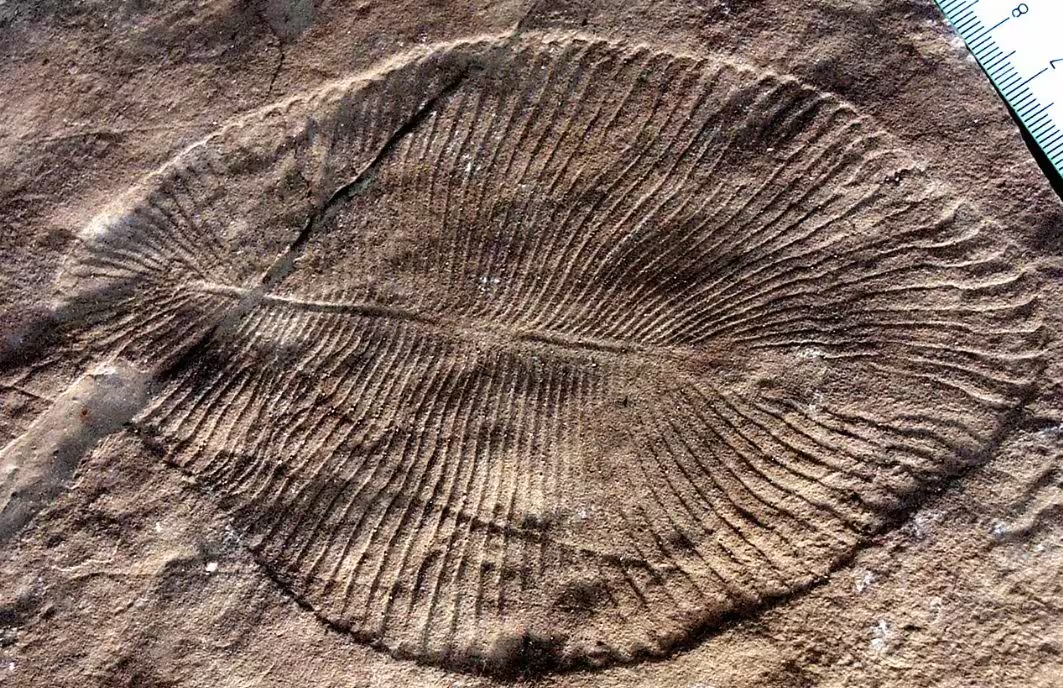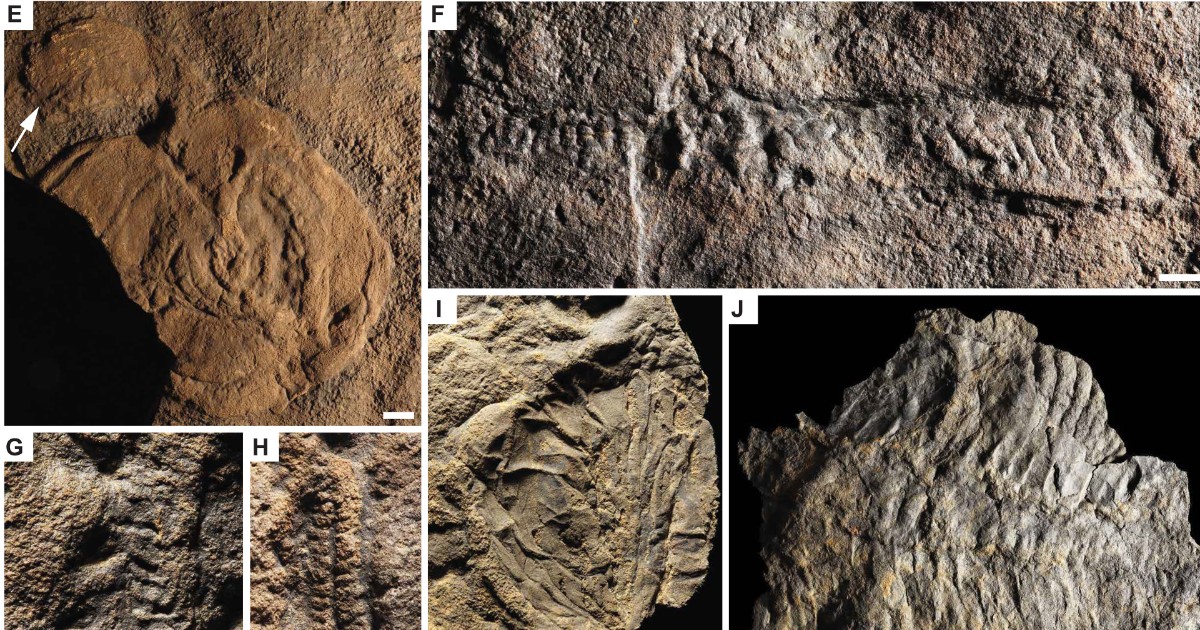
Researchers have discovered an unusually rich fossil site in a remote region of Canada's Northwest Territories, revealing new details about some of the earliest complex animals on Earth. The fossils belong to the Ediacaran biota, a collection of mostly soft-bodied organisms that lived on ancient seafloors more than 500 million years ago.
Some specimens appear to be about 567 million years old. Their age suggests that animal movement and sexual reproduction began 5-10 million years earlier than previous evidence indicated. The study, led by scientists at the American Museum of Natural History and Dartmouth, was published in Science Advances.
"For 3 billion years, life on Earth was dominated by microbes. Then, all the sudden, we get these strange-looking marine animals big enough to see and capable of behaviors we would find familiar today," said the study's lead author Scott Evans, assistant curator of invertebrate paleontology at the American Museum of Natural History. "If we want to understand this transition, when life first became large, complex and unmistakably animal, this new site has tremendous potential."
A Rare Window Into the First Animals
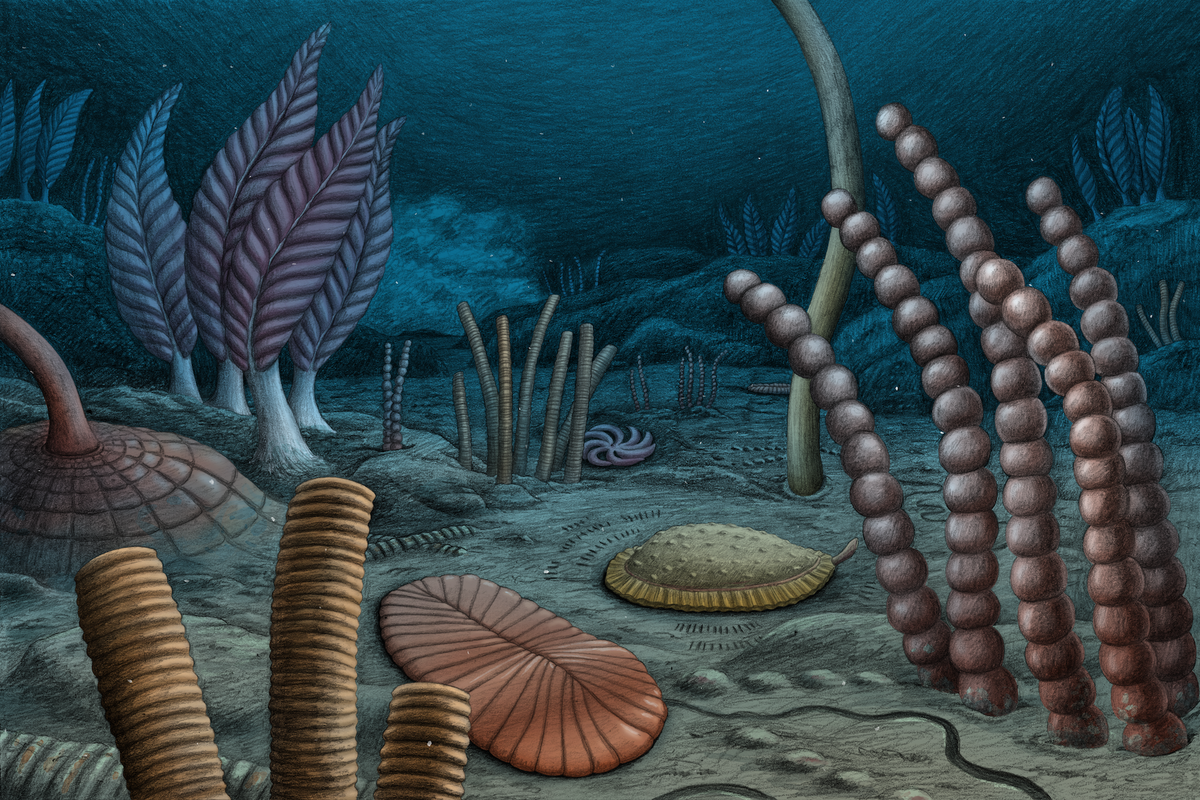
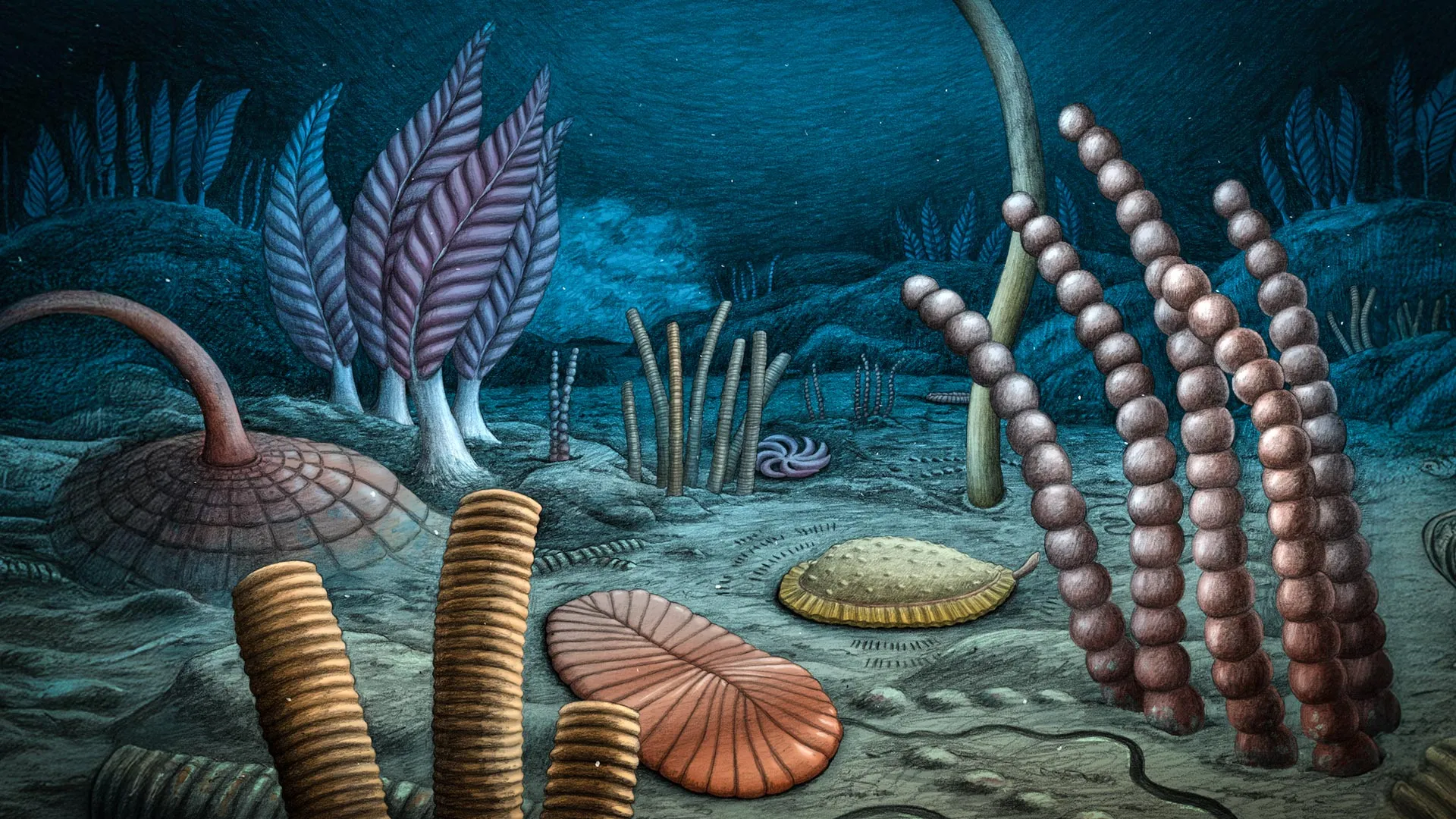
Ediacaran organisms came in many unfamiliar forms, including flat discs, leafy shapes, and ribbed ovals. Their fossils provide the earliest direct record of multicellular animal life.