Park Jung-won
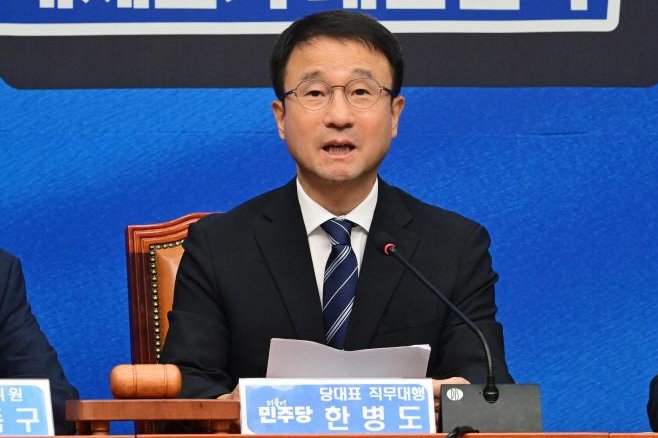
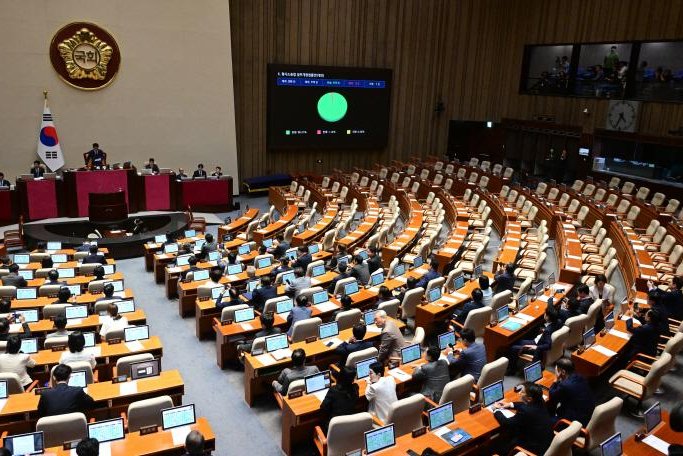
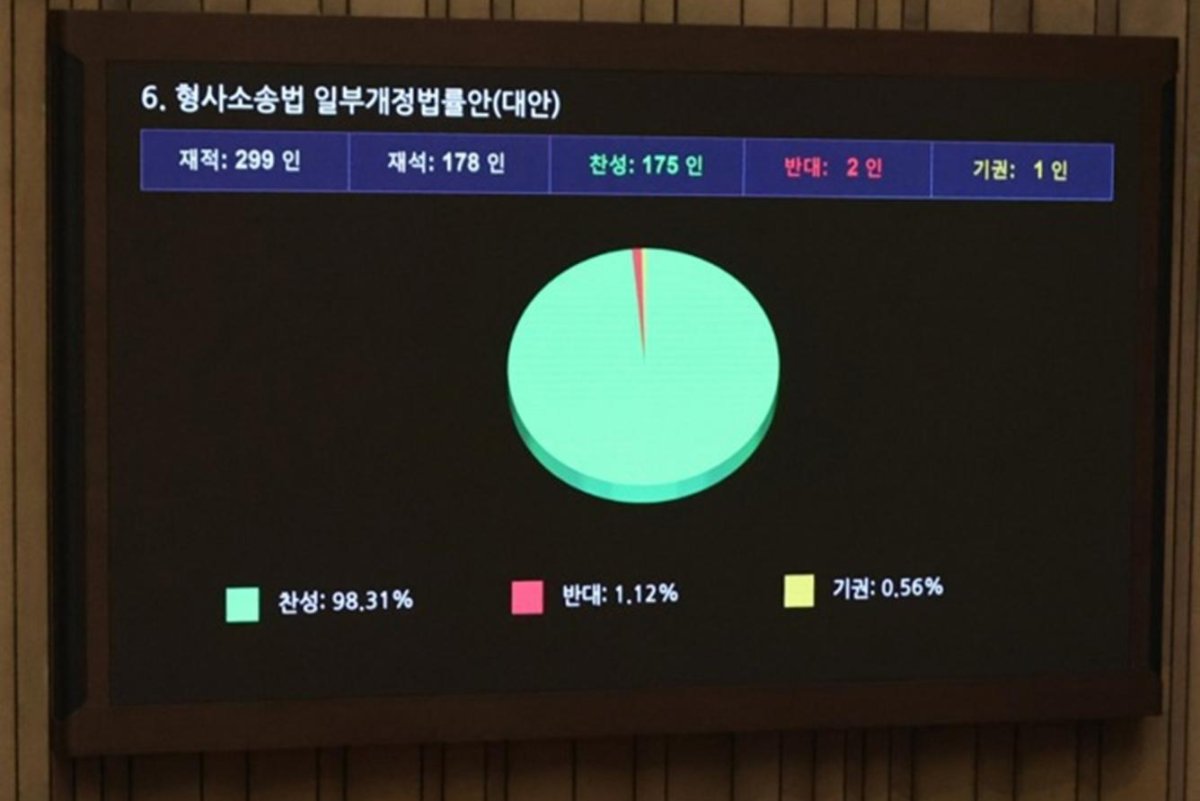
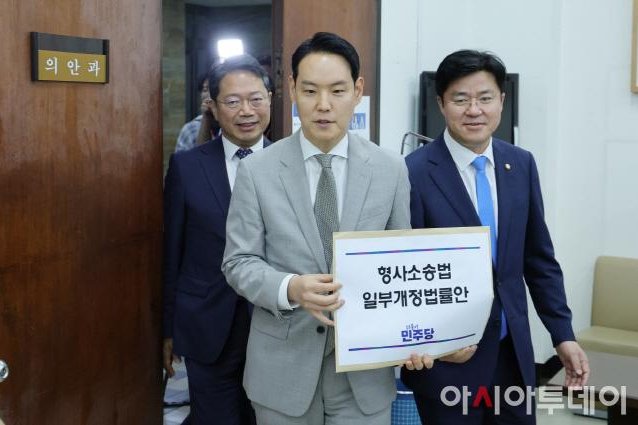
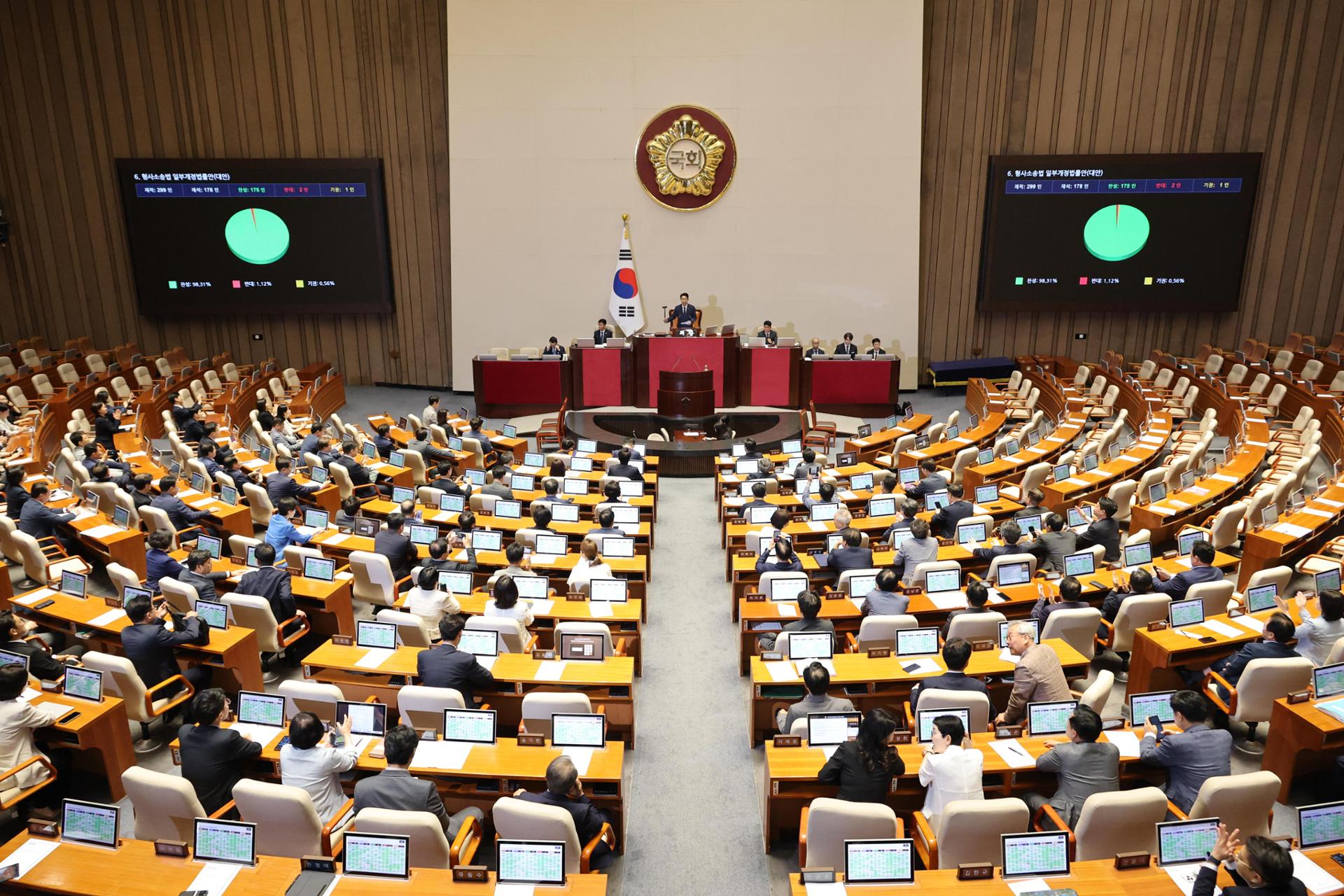
The ruling Democratic Party of Korea (DPK) has unilaterally passed an amendment to the Criminal Procedure Act abolishing prosecutors' authority to conduct supplementary investigations into cases referred by the police. The legislation marks the culmination of a long-running effort to reduce prosecutors' investigative role. Yet this is far more than another episode in Korea's continuing debate over prosecutorial reform. It fundamentally changes the way criminal cases are investigated and prosecuted — and therefore directly affects the lives, rights and safety of ordinary citizens.
The principle of separating investigative and prosecutorial powers is not inherently unreasonable. Korea's prosecution service accumulated excessive authority over many decades, and its political neutrality has often been questioned. Successive progressive governments have therefore sought to reduce its investigative role. Reform was both inevitable and, in important respects, necessary.
But accepting the need for reform does not require accepting every measure advanced in its name. The real question is why the ruling majority chose to abolish such an important safeguard despite serious objections from legal professionals, investigators and many citizens. This is not simply a rearrangement of authority between two institutions. It is a fundamental change to the criminal justice system, and its consequences will be borne not by politicians but by victims, suspects and ordinary citizens.