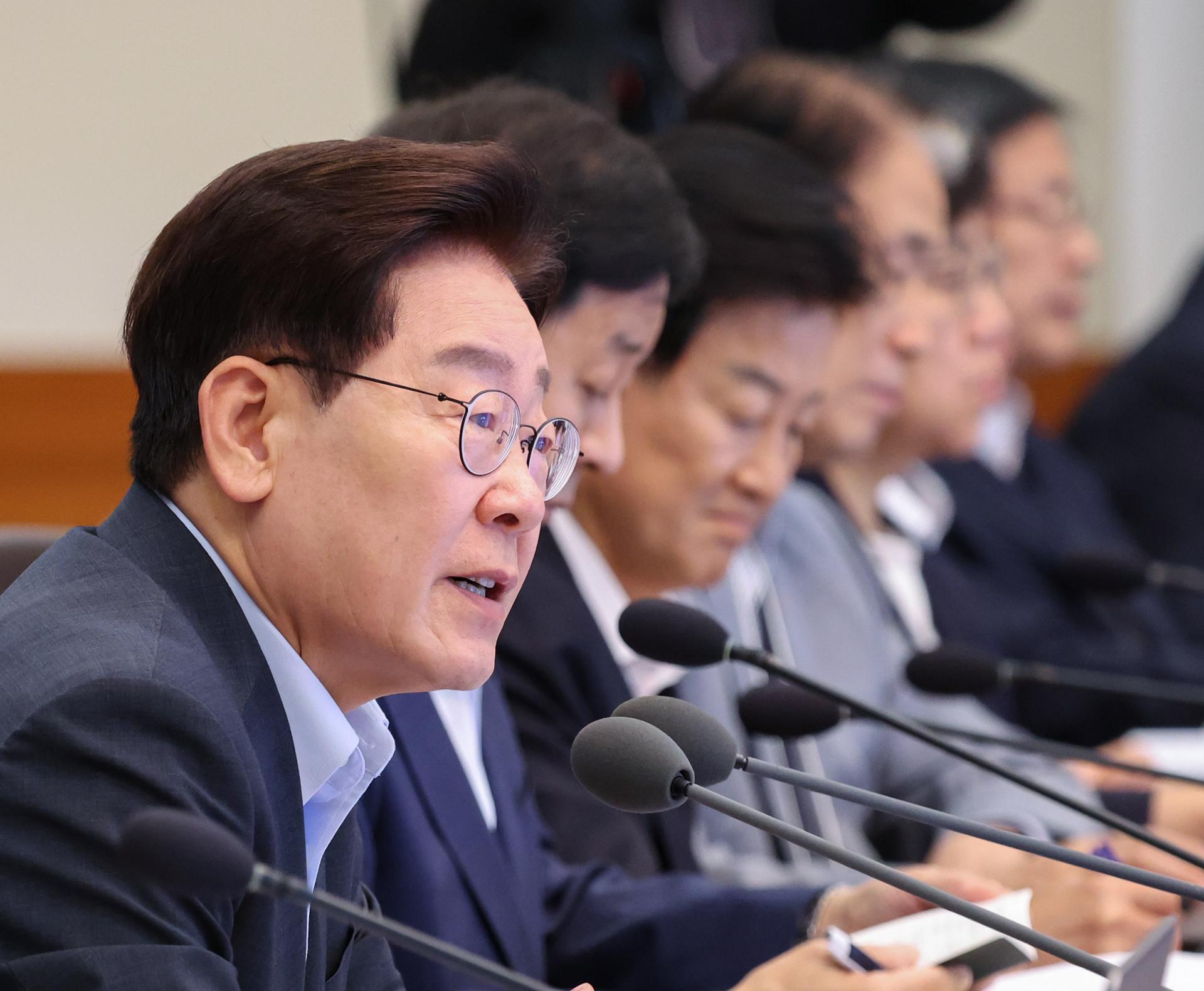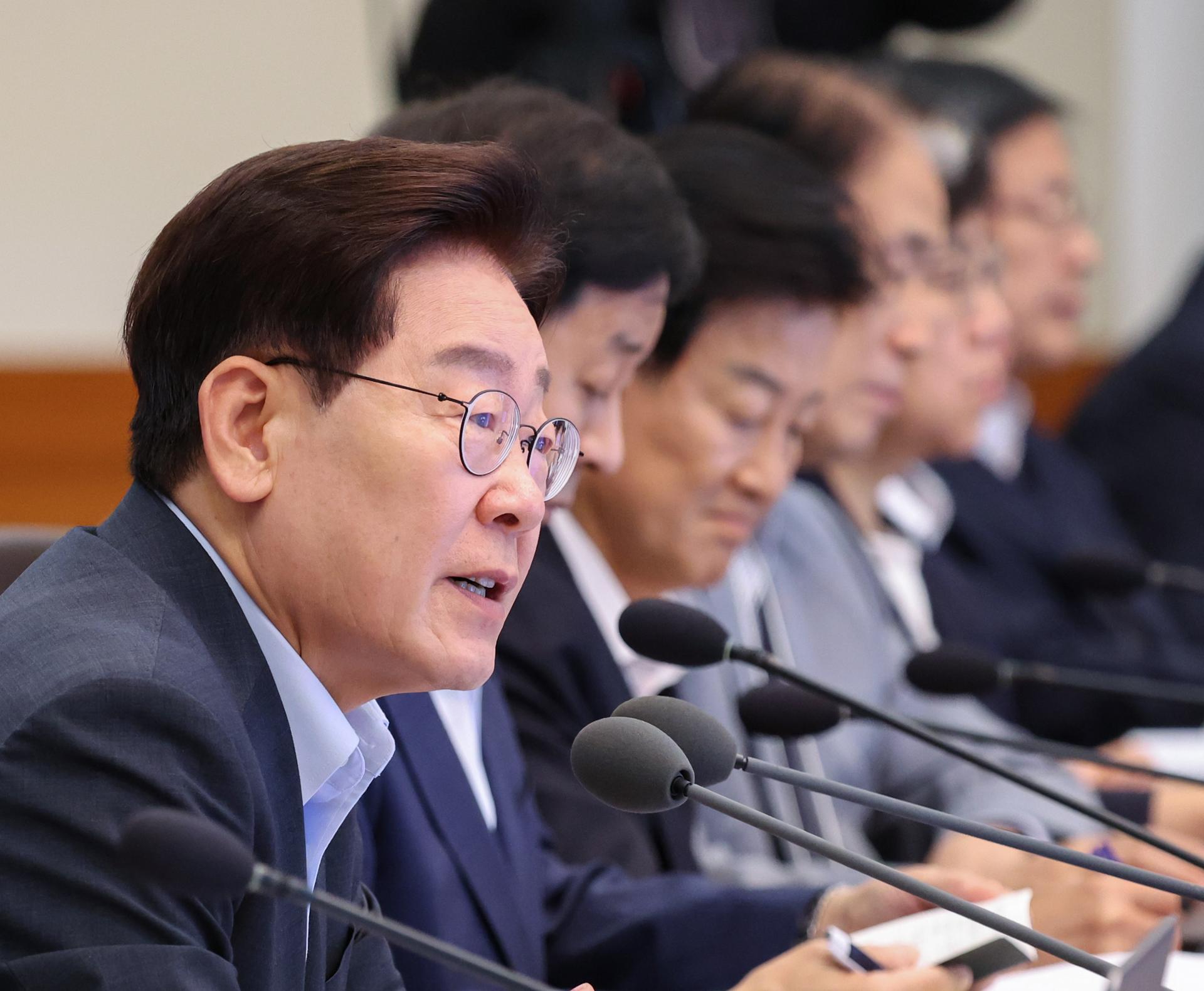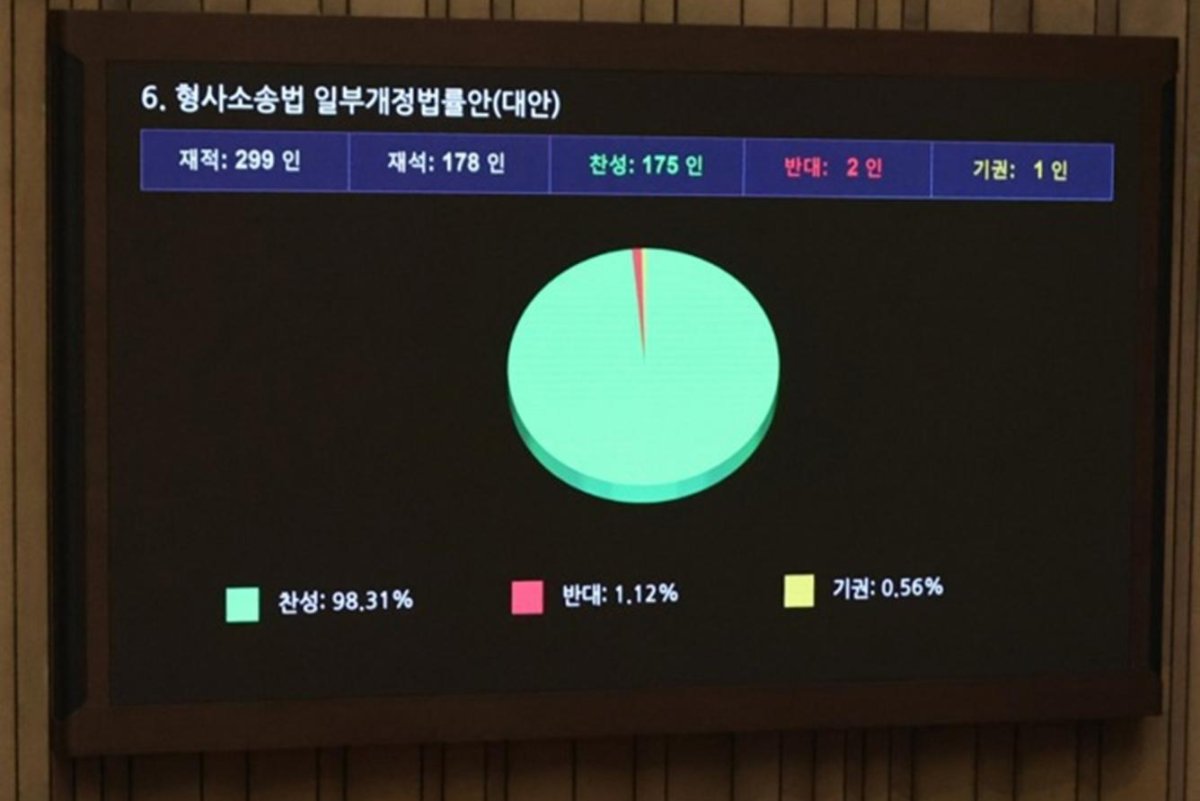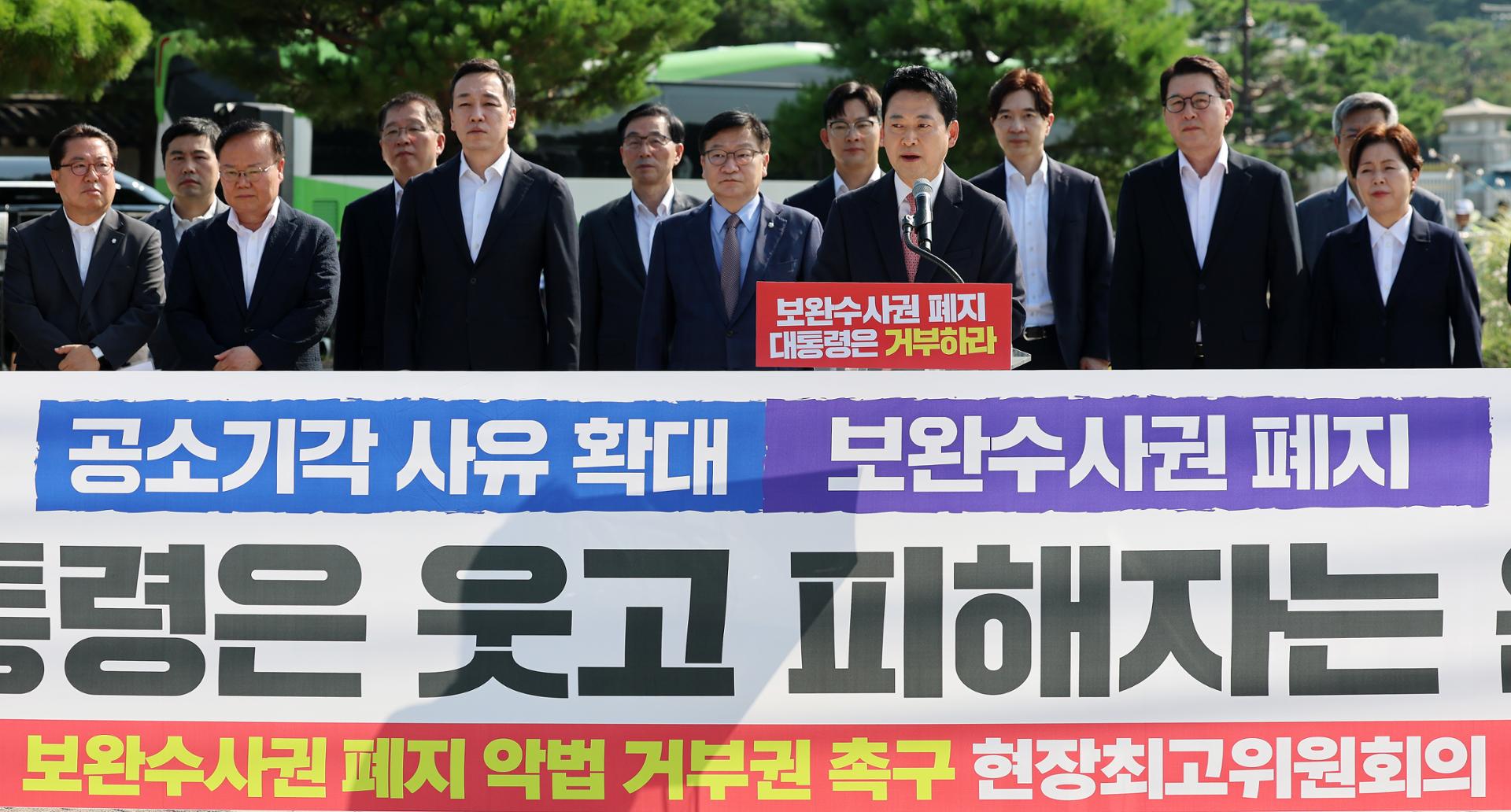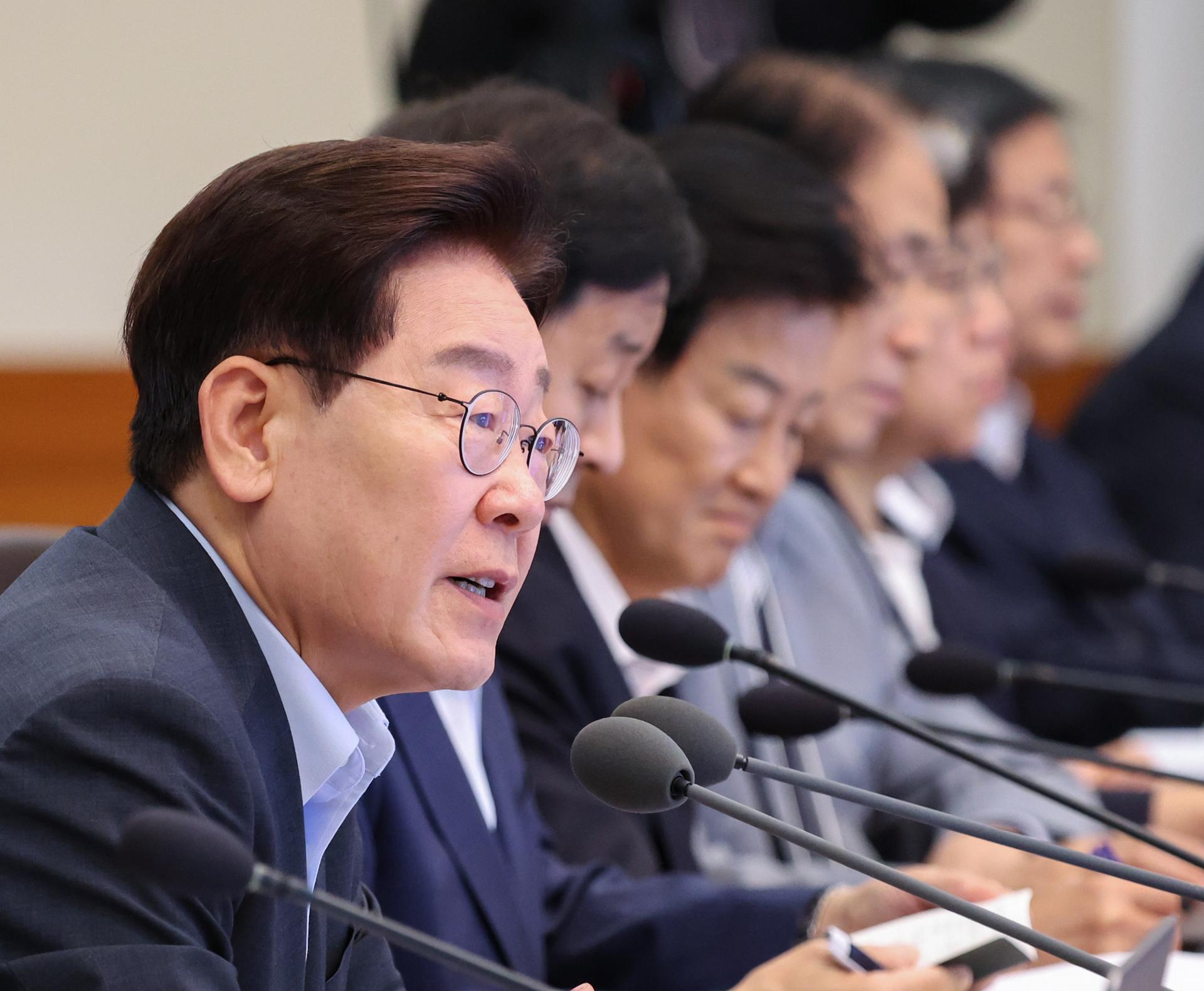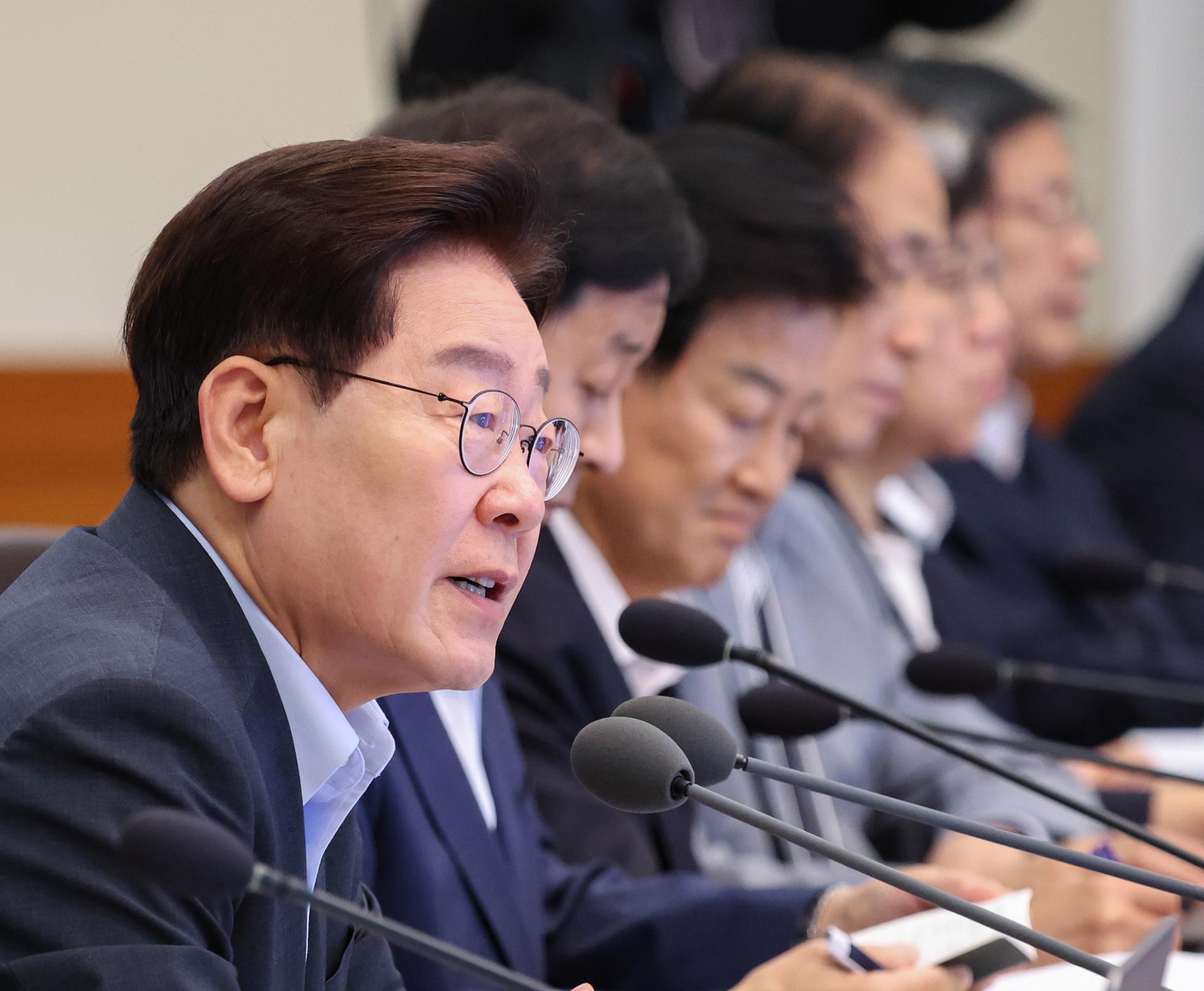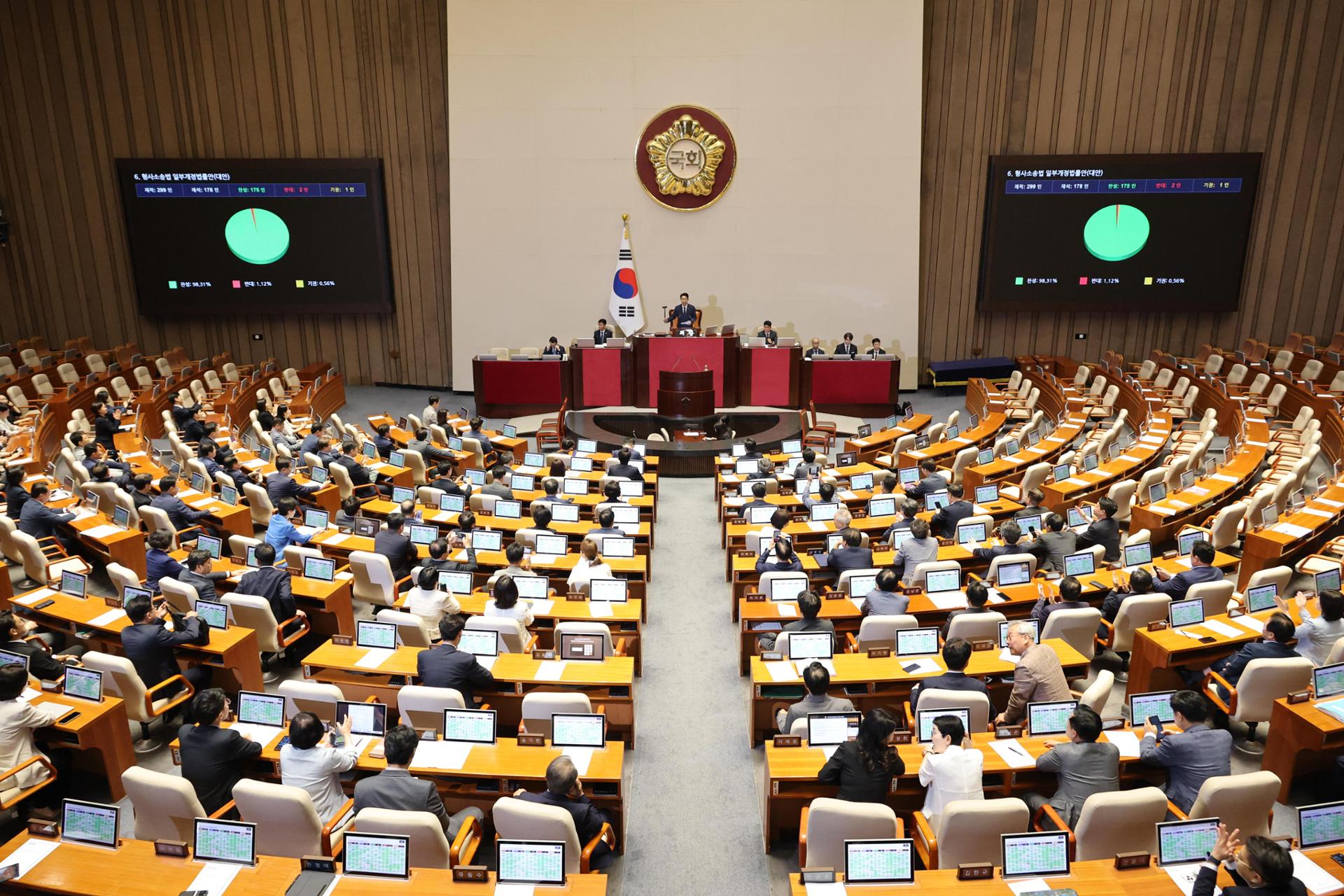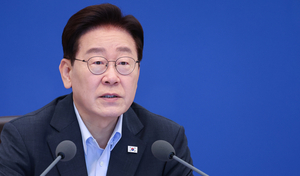
Lee urges safeguards for fair and effective investigations amid concerns over unchecked police power President Lee Jae Myung speaks during a Cabinet meeting at Cheong Wa Dae in Seoul on Tuesday. (Pool Photo via Yonhap) South Korea’s Cabinet on Tuesday approved a landmark bill stripping prosecutors of their investigative powers, clearing the way for the country’s most sweeping criminal justice overhaul in more than seven decades.The approval at a Cabinet meeting chaired by President Lee Jae Myung came four days after the ruling Democratic Party pushed the bill through the National Assembly in a vote boycotted by the main opposition People Power Party.During the meeting, Lee signaled that he would not veto the bill, defending the legitimacy of the overhaul while warning that it could concentrate too much investigative power in the police.“There has been considerable controversy and disagreement over this,” Lee said. “A veto cannot be exercised simply because there is a difference of opinion.”Lee said the bill did not meet the high threshold required to justify a veto, arguing that it was neither unconstitutional nor unenforceable, did not run counter to the national interest and did not infringe on powers inherent to the executive branch.Under the overhaul, criminal investigations will be handled by the police, and a new Serious Crimes Investigation Agency will be established under the Ministry of the Interior and Safety.Prosecutors will be reorganized into a new public prosecution office to be set up within the Ministry of Justice, and they will be limited to bringing charges and prosecuting cases in court. They will also lose the authority to conduct supplementary investigations themselves but will retain the power to request that police carry them out.The revision, the most significant change to South Korea’s criminal justice system since the Criminal Procedure Act was enacted in 1954, will take effect Oct. 2, with individual provisions implemented within six months, one year or three years of promulgation.Lee called the separation of investigations and prosecutions “the first step toward normalizing this abnormal criminal justice system.”Lee presented the overhaul as an inevitable response to decades of concentrated and abused prosecutorial power.“For decades, the prosecution has wielded excessively broad and concentrated powers across the criminal justice system, from investigations and prosecutions to seeking warrants,” Lee said. Acting National Police Agency Commissioner General Yoo Jae-sung speaks during a Cabinet meeting chaired by President Lee Jae Myung at Cheong Wa Dae in Seoul on Tuesday, with Justice Minister Jung Sung-ho seated in the foreground. (Pool photo via Yonhap) Lee denounced an “abnormal criminal justice system” in which some groups within the prosecution had wielded investigative powers without restraint to bury cases or singled out individuals for punishment through unrelated investigations, fishing expeditions and targeted probes.“In the process, innocent citizens suffered unbearable harm and, all too often, even took their own lives.”But Lee also warned that transferring investigative authority could leave the police with similarly unchecked power, while noting that the revision has “laid the groundwork for a more advanced and normalized criminal justice system.”“At the same time, concerns are growing that the police could monopolize investigative authority and become overly powerful,” Lee said.Lee called for additional safeguards to prevent such a concentration of power.“Follow-up measures, including changes to related laws and institutions, are essential to address these concerns,” Lee said. “Especially as the new investigative system takes root, there must not be the slightest gap in ensuring fair investigations and strengthening investigative capabilities, so that no citizen suffers unjust harm.” Later in the Cabinet meeting, Lee returned to the risks posed by the sharp expansion of police investigative authority.Citing his years of experience as a lawyer, Lee said, “I found it difficult to trust investigations conducted by both the police and prosecutors. That distrust has not yet been completely dispelled.”“The police now wield enormous powers, including the authority to initiate and conclude investigations and to use compulsory investigative measures,” he said. “The extent of their authority must be matched by the extent of their responsibility.”Lee said the police must develop a much stronger sense of accountability as their authority expands.“Police officers who commit clear misconduct during an investigation should, at a minimum, be dismissed or removed from office,” Lee said. “That would help build public trust and strengthen the sense of accountability among investigators.”The Cabinet also approved legislation authorizing a special counsel to investigate the National Election Commission over ballot shortages and broader allegations of mismanagement during the June 3 local elections.Under the bill, if the National Assembly speaker requests the appointment of a special counsel, the president must ask a public recommendation committee established by the Assembly to nominate two candidates and then appoint one of them.After a preparation period of up to 20 days, the special counsel will have 90 days to complete the investigation and decide whether to bring charges. The investigation can be extended by up to 60 days.
Cabinet approves bill ending prosecutors’ investigative powers
South Korea’s Cabinet on Tuesday approved a landmark bill stripping prosecutors of their investigative powers, clearing the way for the country’s most sweeping
810 words~4 min read