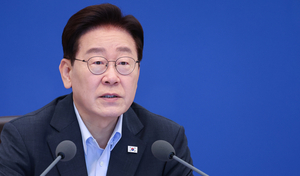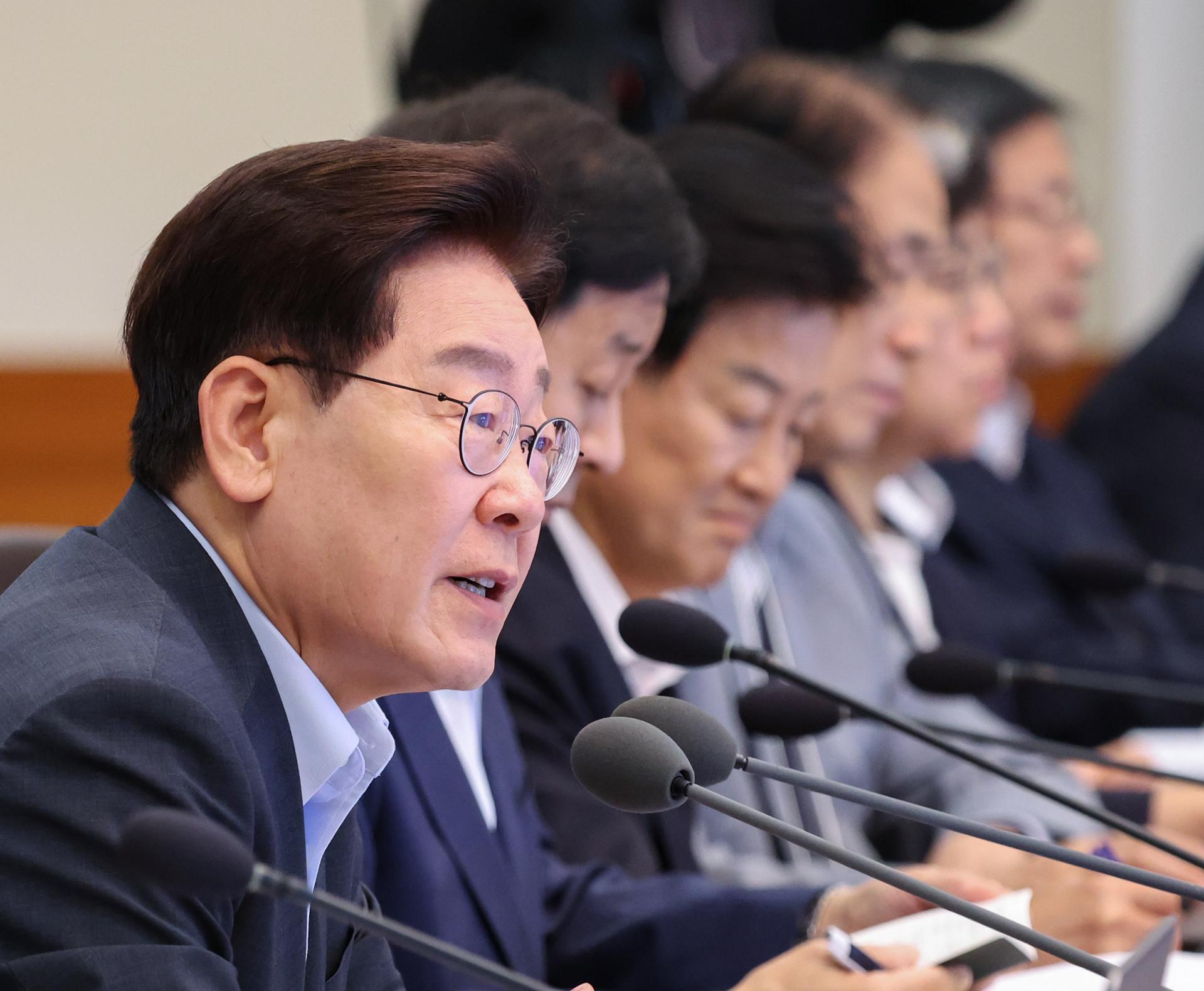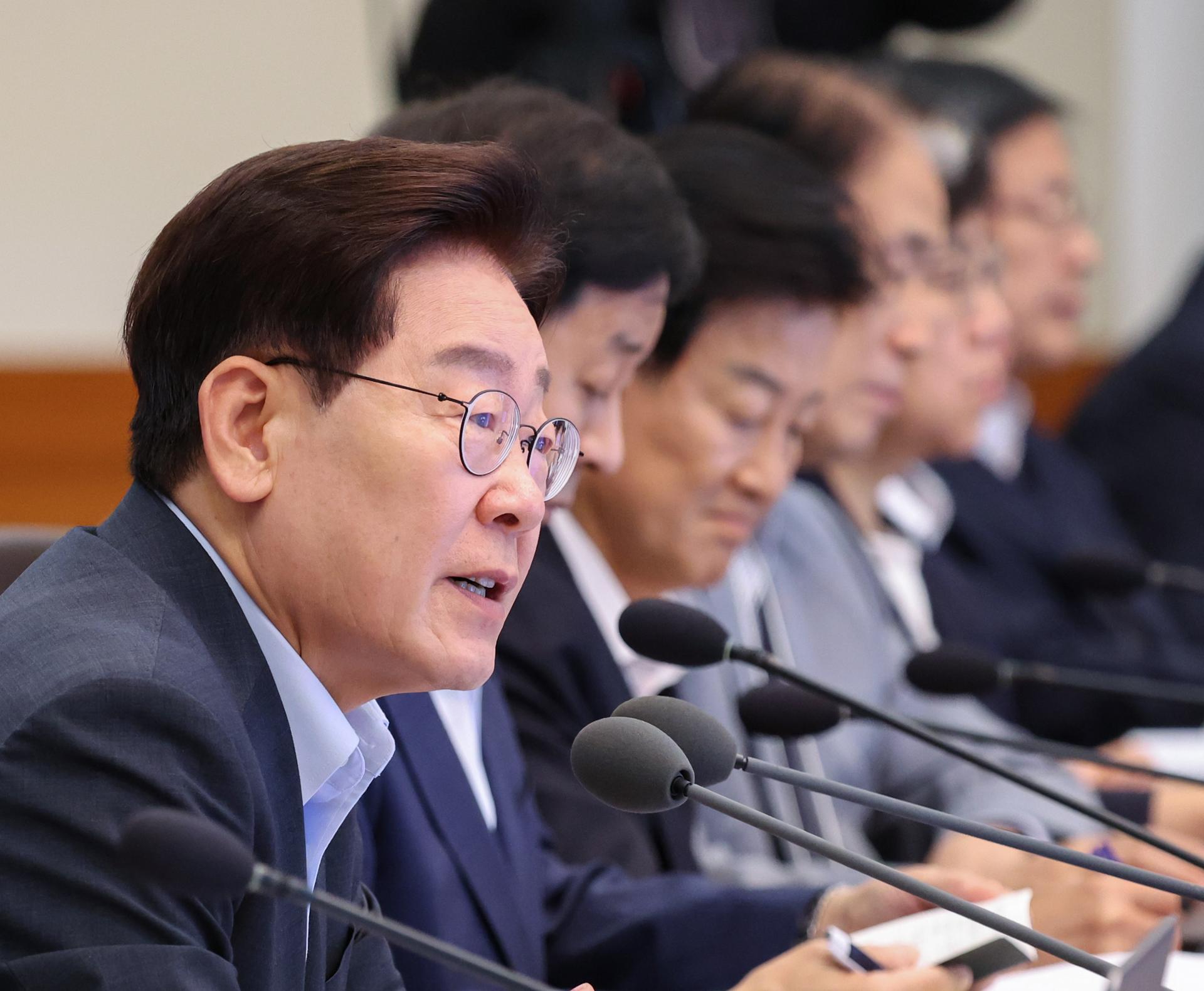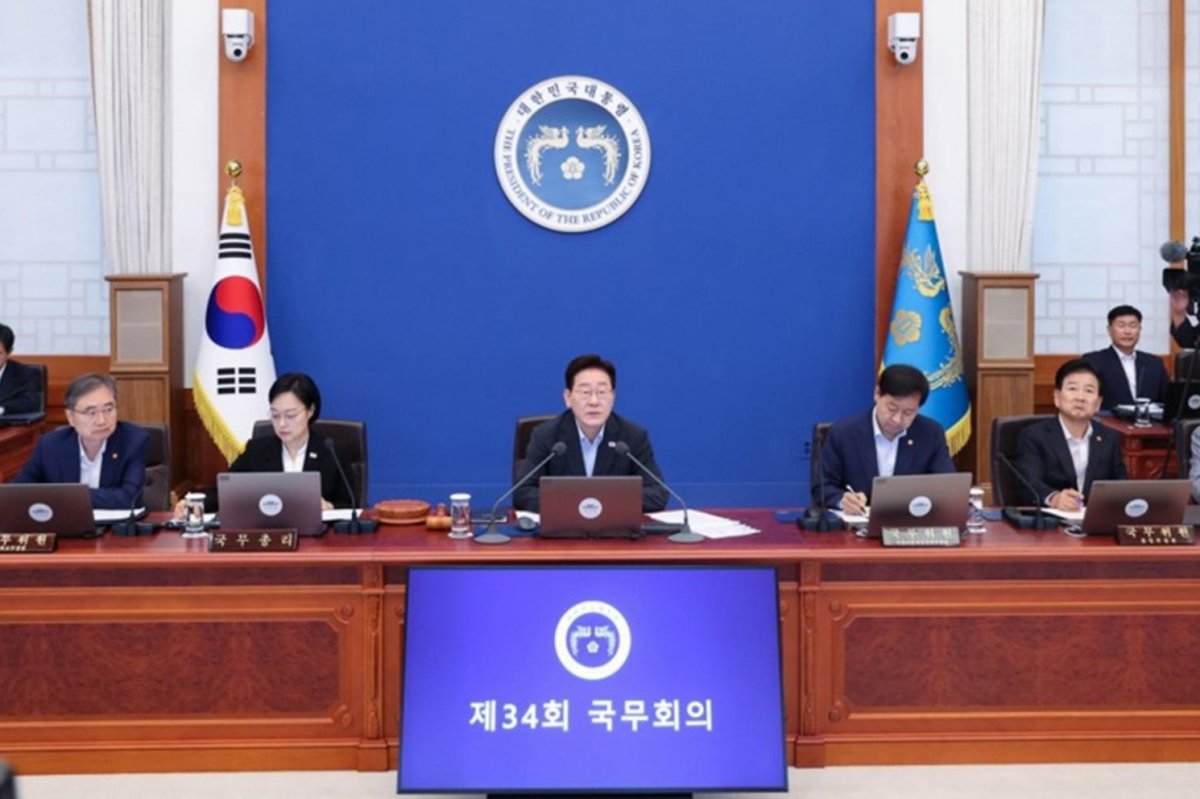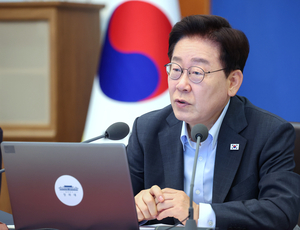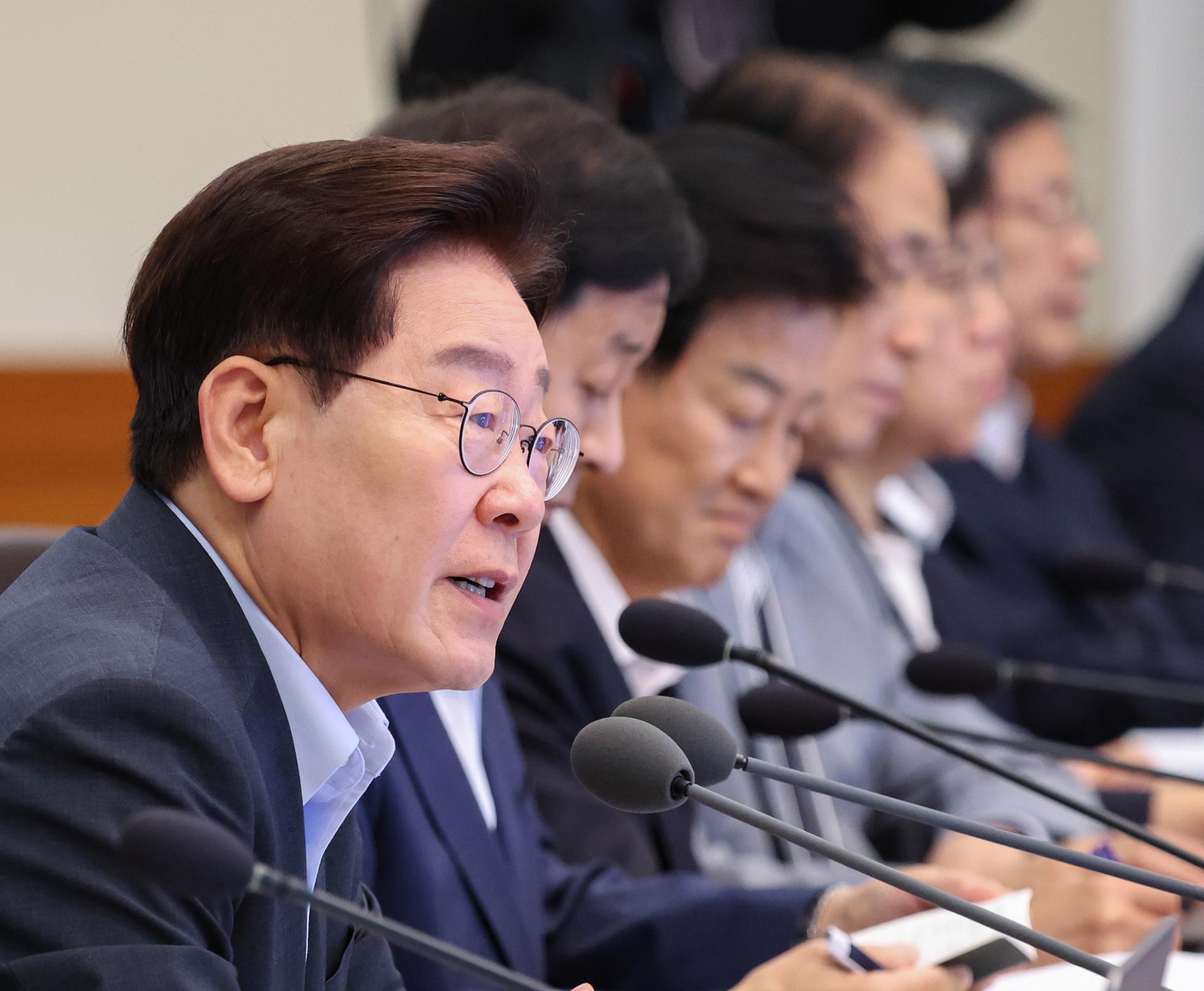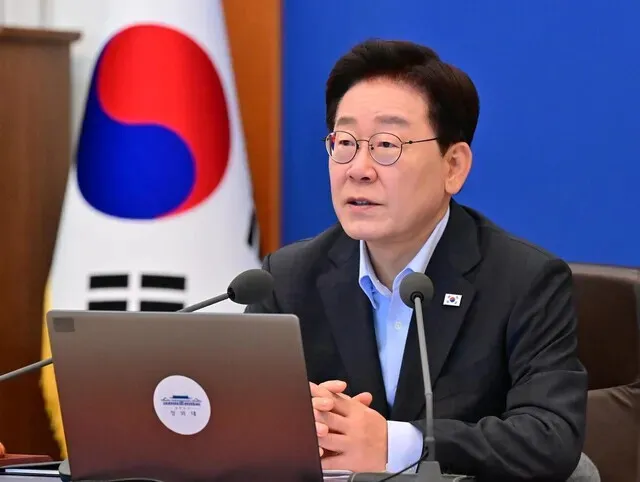
President Lee Jae Myung speaks during a Cabinet meeting at the Blue House on Aug. 4, 2026. (pool photo)
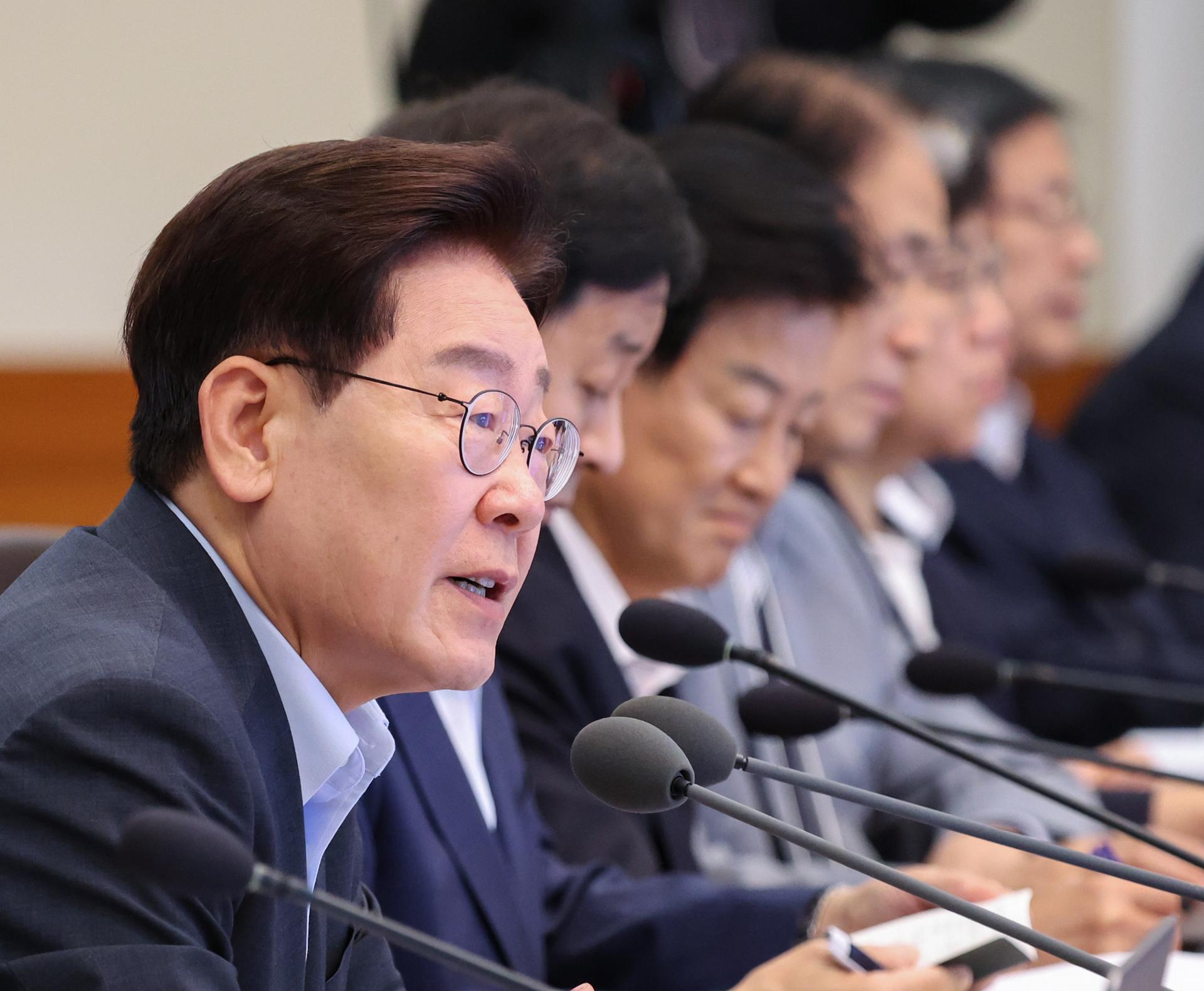
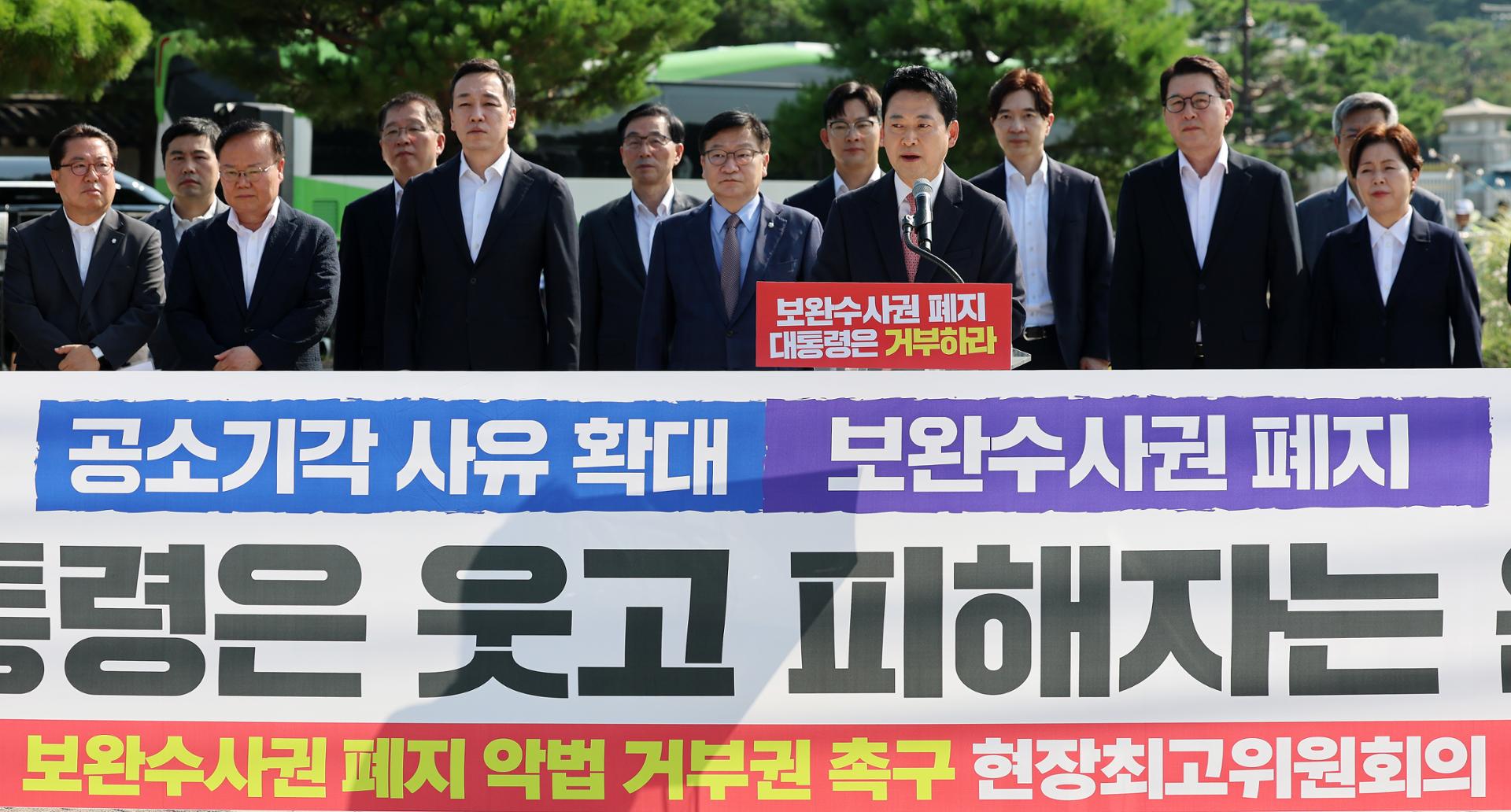
An amendment to the Criminal Procedure Act stripping Korea’s prosecutors of their ability to conduct investigations was approved at a Cabinet meeting on Aug. 4, with President Lee Jae Myung remarking that separating the powers of investigation and indictment is “the first step toward rectifying abnormalities in the criminal justice system.”President Lee presided over the Cabinet meeting as it discussed and voted on the amendment, where he said that under the current circumstances, it was difficult to conclude that the bill justifies overriding the National Assembly's legislative judgmentThe amendment, which removes the legal basis for direct and supplementary investigations by prosecutors, was championed by the Democratic Party and passed by the National Assembly on Friday. Investigations will now be handled by investigative agencies such as police, while the filing and sustainment of indictments will be the exclusive realm of prosecutors. This reform to the criminal justice system comes 72 years after the statute was originally enacted in 1954.“This is an inevitable measure based on the principle that justice will prevail; all institutions of power must, without exception, be subject to public scrutiny,” Lee said. “Concerns are growing over the police’s exclusive control over investigative authority and the expansion of their powers. If the police commit clear misconduct in their investigations, shouldn’t they, at the very least, be dismissed or removed from office?” he went on to ask “If there are any flaws in the revised system, we will address such flaws swiftly, decisively and thoroughly,” he added. In related news, the government released its organizational and staffing plans for the new major crimes investigation agency ahead of its launch on Oct. 2.The Ministry of the Interior and Safety’s task force responsible for the preparations announced that the agency will have a total of 2,874 personnel across its headquarters and six regional offices in Seoul, Suwon, Daejeon, Daegu, Busan and Gwangju.The agency will investigate seven major categories of crime: corruption, economic offenses, defense industry-related crimes, drug offenses, national security violations, cybercrimes, and crimes involving abuses of the justice system. Of the total, 2,567 will be investigators while 307 will be general civil servants and other staff. The Seoul office, where most cases will be concentrated, will be assigned 1,089 people, 38% of the total. Five joint investigation units will also be established to tackle voice phishing, financial crimes, virtual asset-related offenses, public finance crimes, and drug-related offenses. The government has allowed current prosecutors and prosecution investigators to be appointed as investigators at the new agency without taking exams, provided they express interest. The development was met with backlash by members of the opposition.“The president has ultimately signed an evil law that causes victims to suffer as he attempts to sweep his own cases under the rug. This law will transform into a monster that gorges on the human rights of our citizens,” claimed People Power Party leader Jang Dong-hyuk.By Seo Young-ji, staff reporter; Shin Hyeong-cheol, staff reporter; Yu Young-jae, staff reporterPlease direct questions or comments to [english@hani.co.kr]