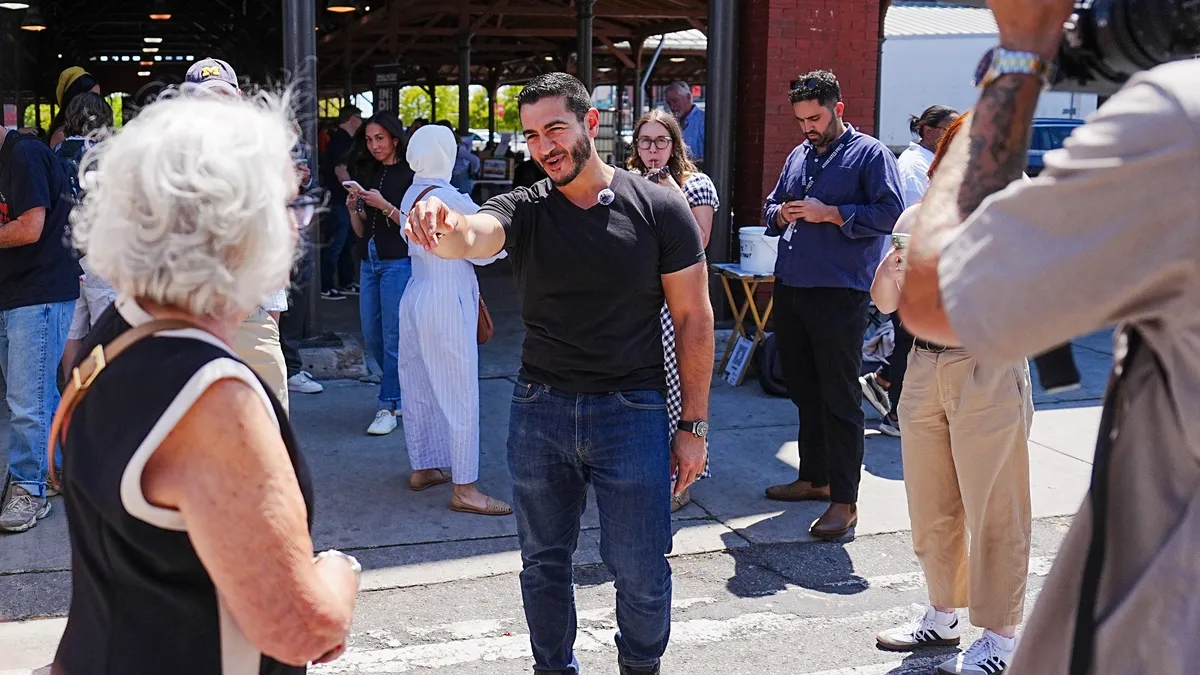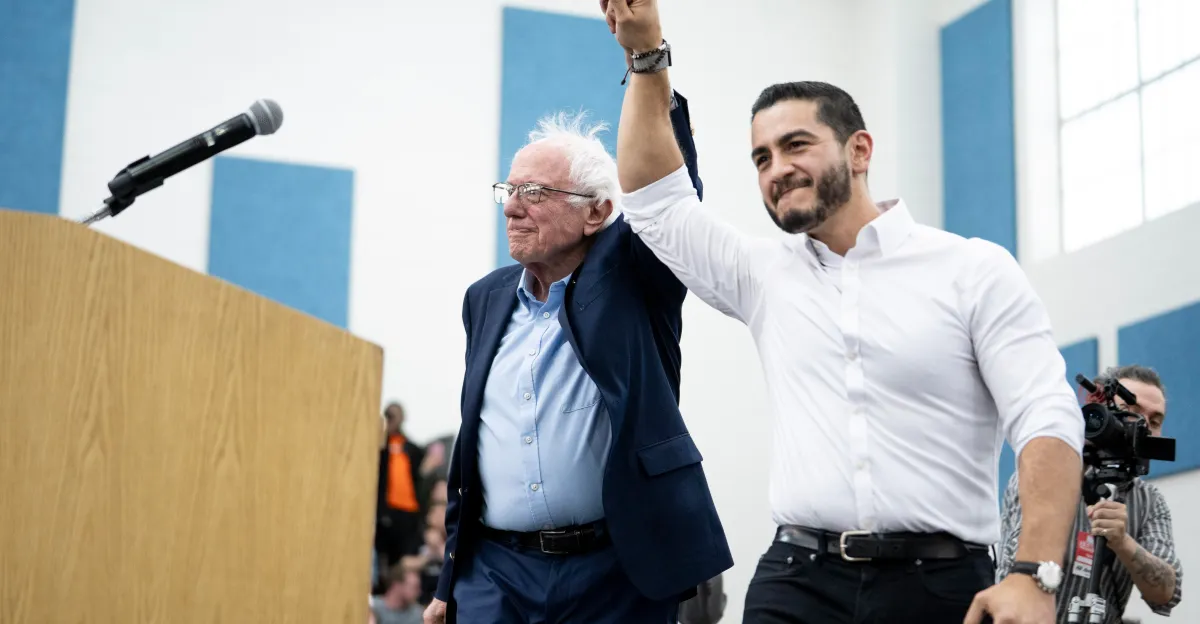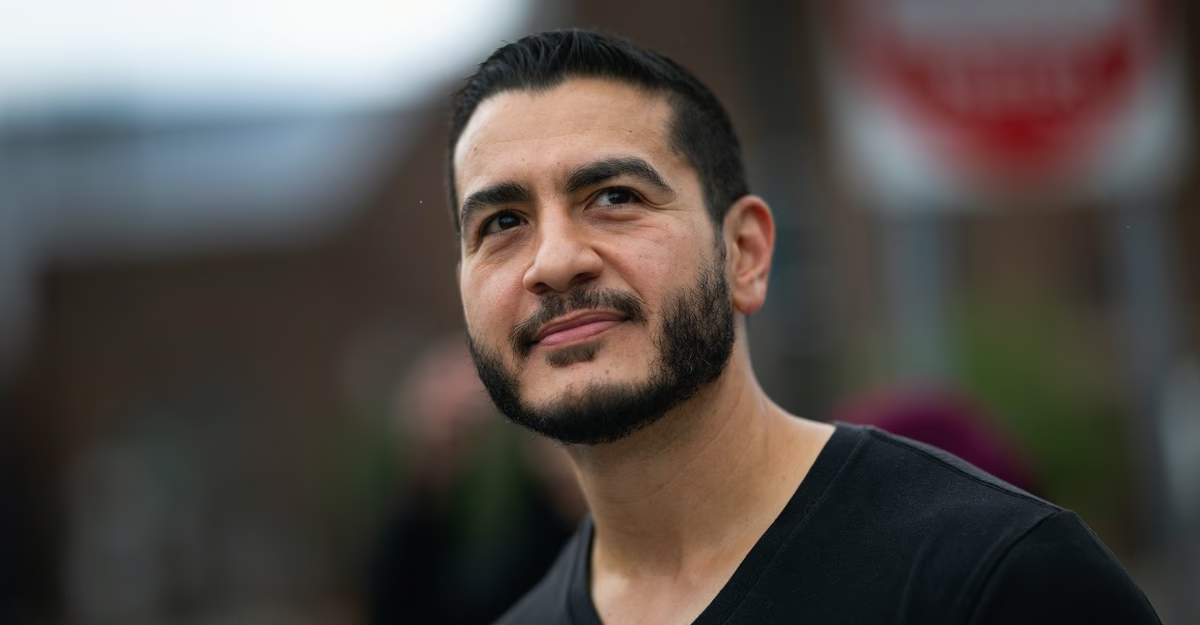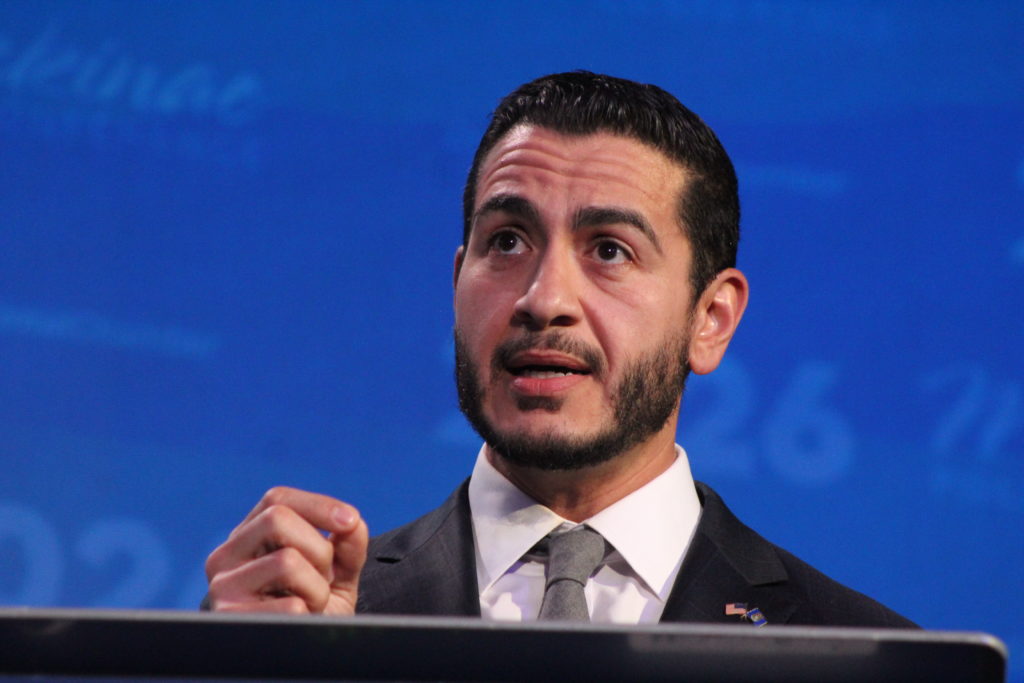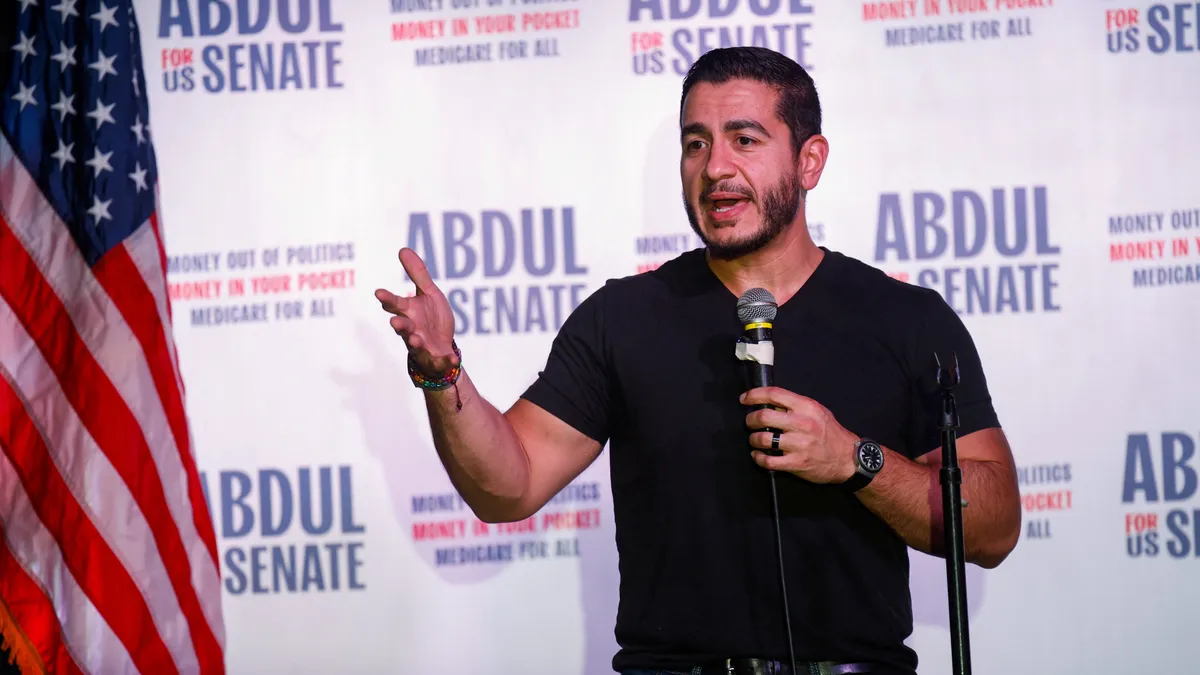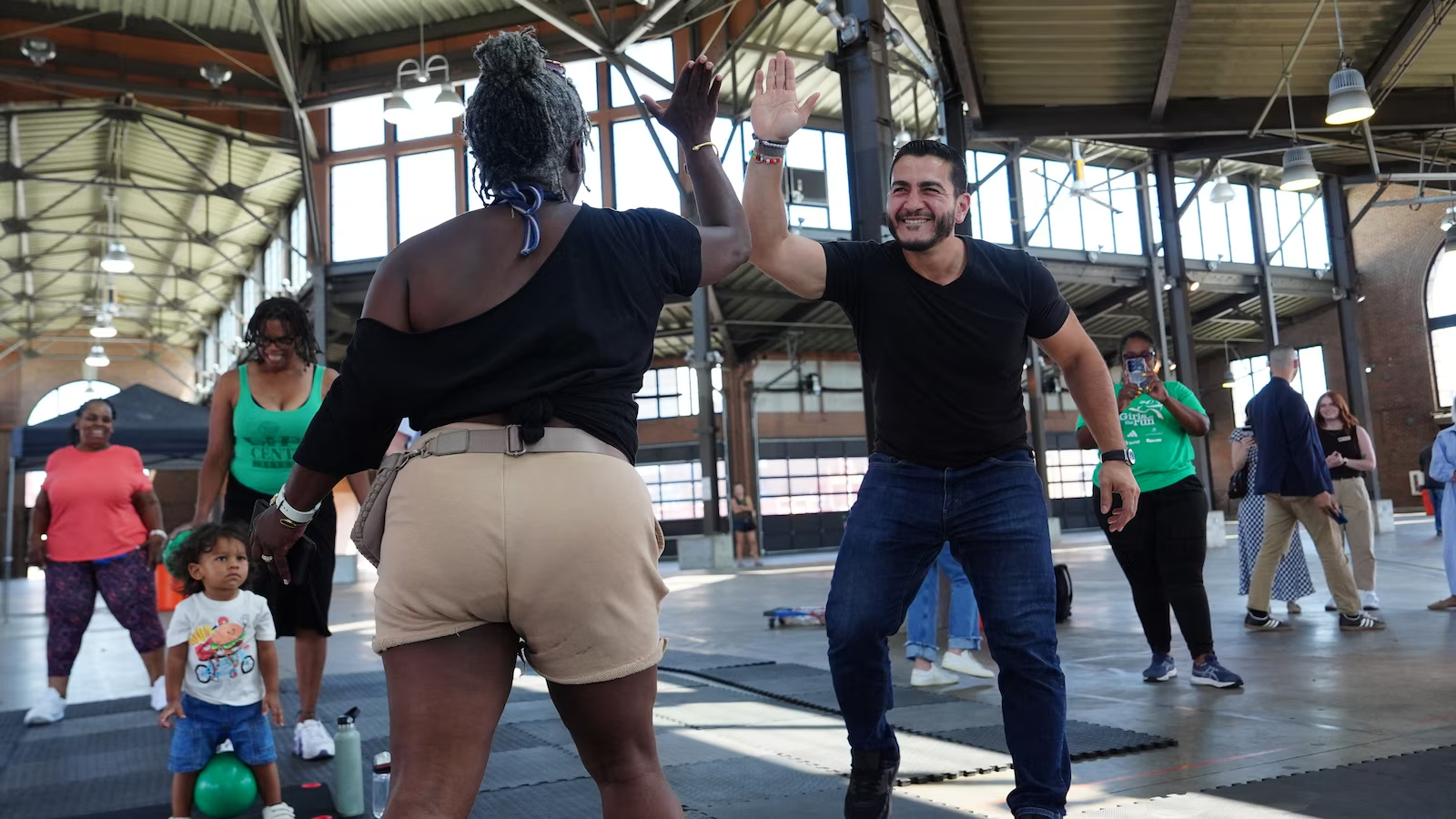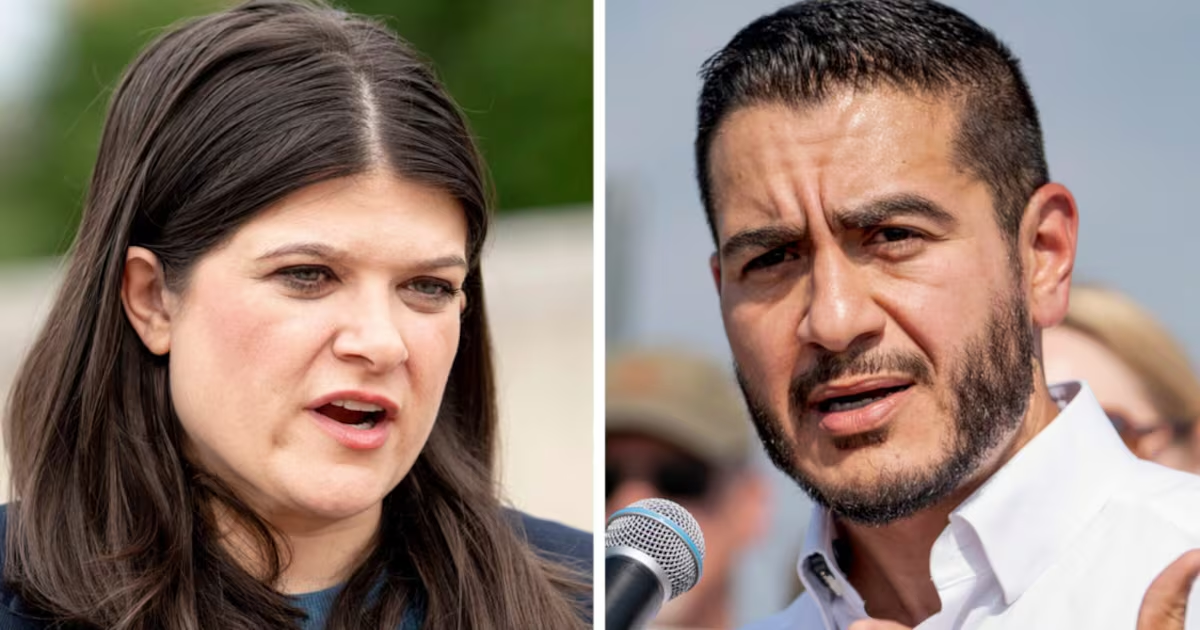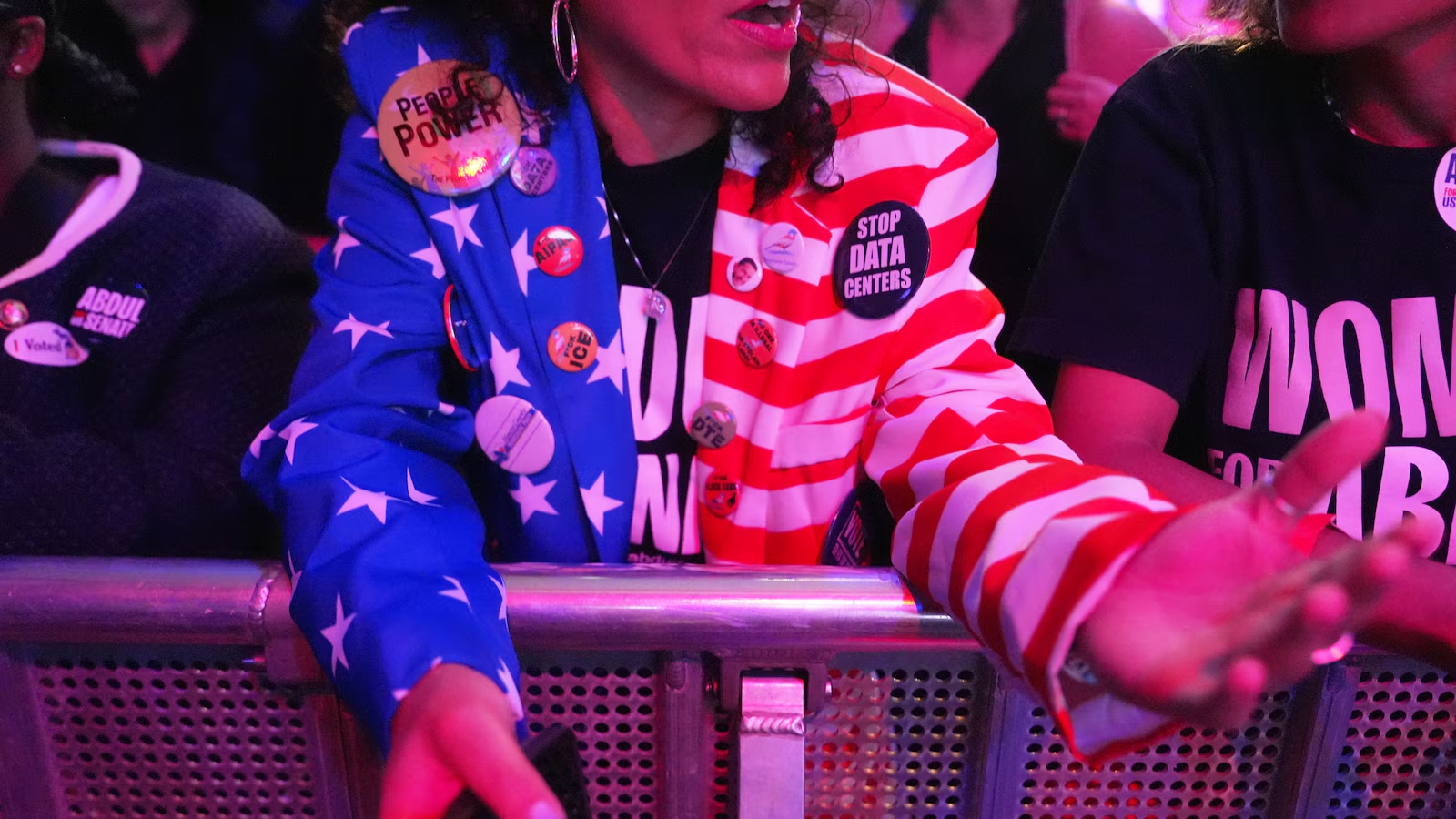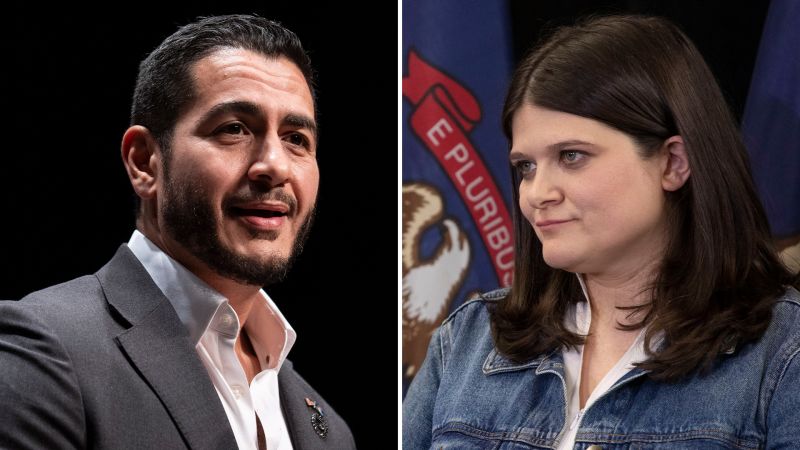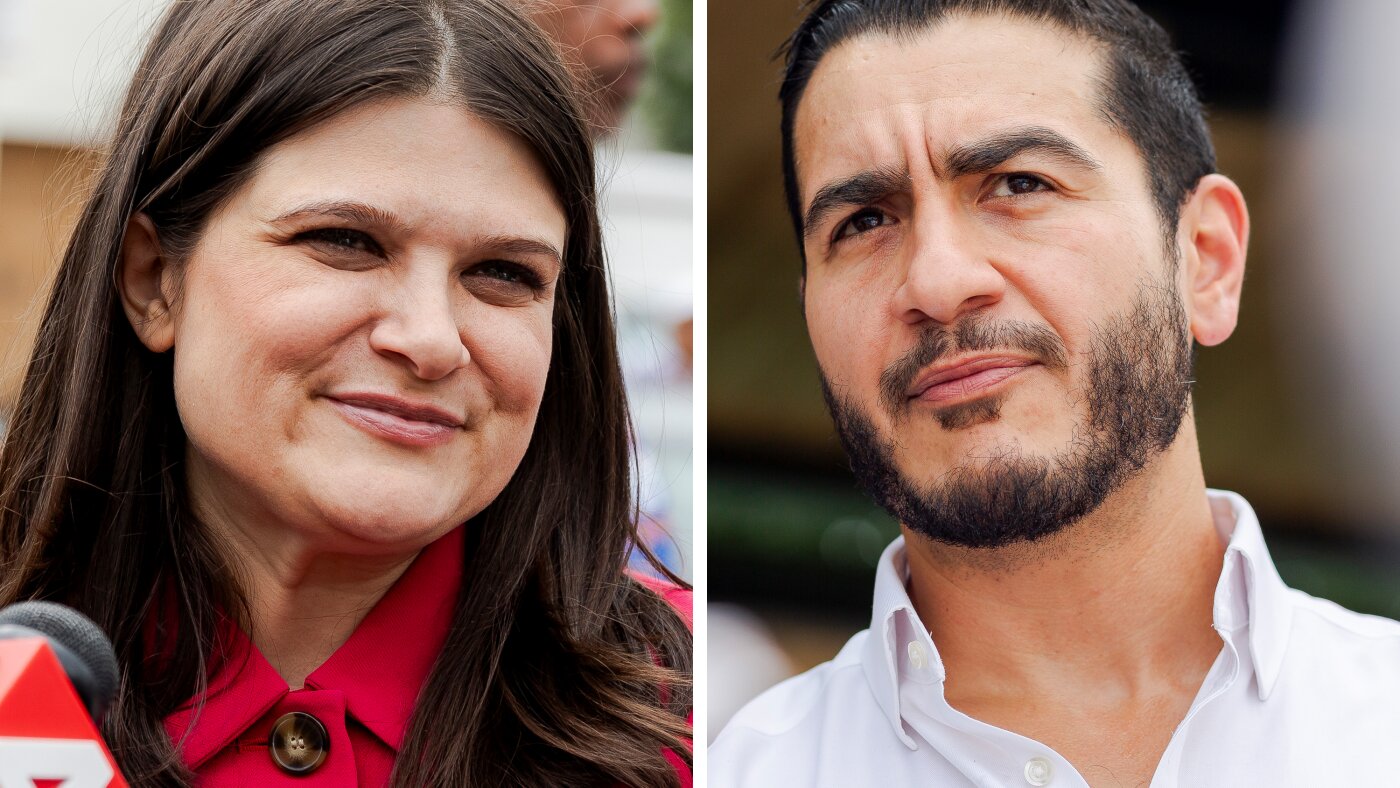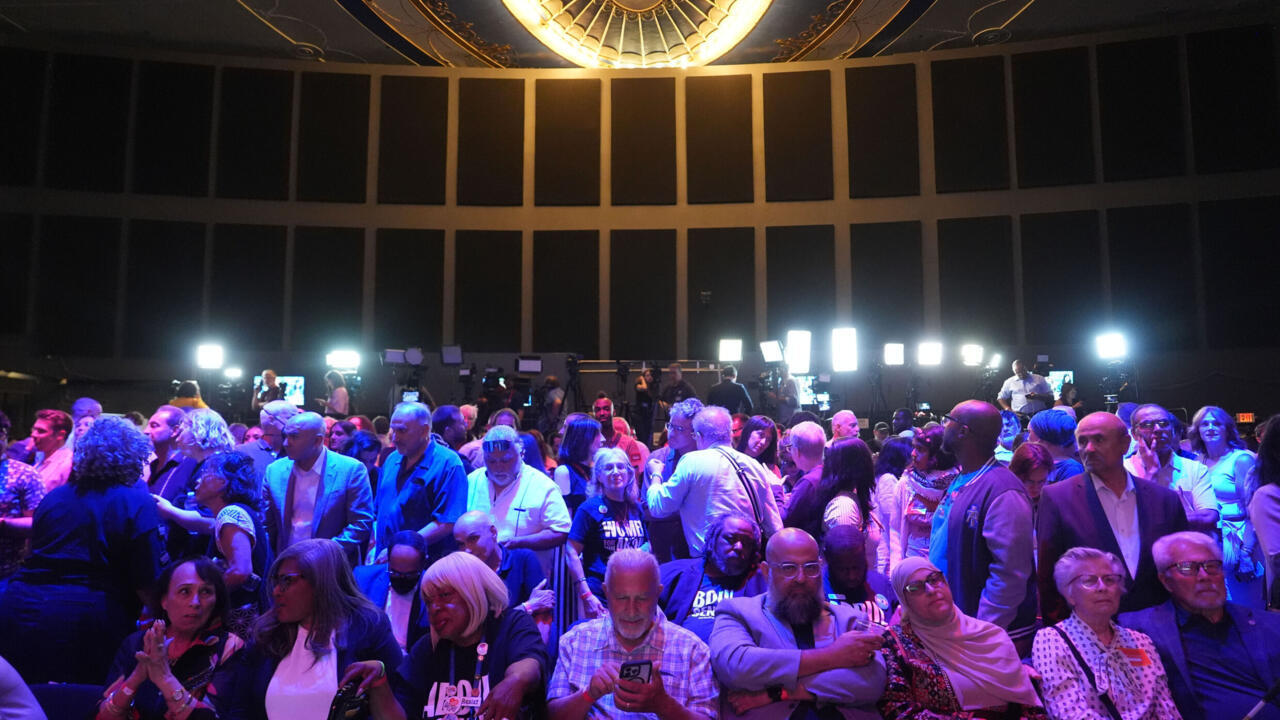
Photograph by Sarah Rice / Bloomberg / GettyEarlier this week, I wrote that, in the eyes of many pundits, the Democratic primary for Senate in Michigan had become “the Platonic ideal” of a clash between the Party’s establishment moderates, who were backing Haley Stevens, and its populist progressives, who were lining up behind Abdul El-Sayed. Fittingly, the result—a squeaker of a win for El-Sayed, who led by less than a percentage point when the race was called this morning—looks close to the Platonic ideal of an inconclusive outcome. Certainly, the slim margin defied a sense, in the final days of the race, that El-Sayed was running away with it—an idea that El-Sayed did little to dispel. But block out the recent noise, and even this narrow win looks like a noteworthy achievement, as my colleague Jason Zengerle suggested earlier today.In any case, a blowout for El-Sayed still wouldn’t have settled the complex question of what direction the Democrats should take. Zoom out a little, and last night’s results offer more good news for progressives, two of whom, William Lawrence and Donavan McKinney, won congressional primaries in Michigan against opponents perceived as being more moderate. Conversely, Wesley Bell, a congressman in Missouri backed by establishment bigwigs, easily defeated Cori Bush, a former member of the “Squad” whom Bell had also beaten in a primary two years ago. Last night’s victory for Bell was also a notable win for the powerful pro-Israel group AIPAC—which suffered a notable defeat in Michigan, where it had heavily backed Stevens.Zoom out further, to assess this primary season as a whole, and, while it’s true that progressives have made inroads against more established figures across the map, it’s also the case that Chuck Schumer and other Party leaders have landed prize recruits in several key races. If anything, the closeness of the Michigan race could serve to remind El-Sayed just how much work he needs to put into coalition-building ahead of November. Already, in remarks before the race was called, he was talking of mending fences.In those same remarks, El-Sayed rejected the conventional framing of his race altogether; voters, he said, do not walk around wondering where exactly they stand on some “left-right spectrum,” but, rather, “how I can afford my rent.” I’d quoted him saying something very similar in my recent article, which questions whether factional labels—and the word “moderate,” in particular—are all that useful in understanding this moment in the Democratic Party; indeed, whether they mean anything much at all. Granted, to some extent political shorthand can be intuitive, or at least a necessary evil, and, if any race this cycle truly pitted a “moderate” against a “progressive,” it was Stevens versus El-Sayed. But even this matchup grew more complicated the longer I stared at it. Looking at the results, it’s possible to draw a range of conclusions—from “Wow, the Democratic establishment is cooked!” to “Wow, the Democratic establishment might not be quite as cooked as we thought!” One answer, above all, is clear—the infighting will continue. Next stop: Wisconsin and Minnesota.For more:Abdul El-Sayed speaks to David Remnick: “I’m pretty damn pissed off on behalf of other people.” Read or listen to the full interview. The Subaru Socialists and their younger cousins, the Great Disappointed, are steering the future of the Democratic Party. Jay Caspian Kang defines two new terms. Are the Democrats having a Tea Party summer? Or is this the emergence of a new pragmatism? Benjamin Wallace-Wells considers the ways forward.“Ignore the rules, do what you want to do, don’t leave a paper trail,” the reporter David Cay Johnston said, listing the lessons Cohn taught Trump. “And if somebody gets onto you, rat out other people to save yourself.”Photograph by Mary Ellen MarkRoy Cohn played a key role in driving the Red Scare of the forties and fifties. Decades later, Kai Bird and Susan Goldmark write, he took Donald Trump, then an outer-borough striver, under his wing, and taught the reality star a few lessons: how to ignore the rules, do what you want, avoid a paper trail, rat out others to save yourself, and make up a good story for the news media. Read or listen to the story »More Top StoriesThe kerfuffle over Christopher Nolan’s fidelity to Homer’s Odyssey reflects major questions in the history of cinema. Richard Brody asks: What makes an adaptation good? Stella Lefty, who sings her hit song “Boston” with a raspy Southern twang, grew up outside of Chicago. Is she a nepo baby? An industry plant? Or just another successful pop-country musician? Ryan Murphy’s “The Shards” is a “Glee”-ified adaptation of Bret Easton Ellis’s metafictional thriller-slash-gay-awakening story, our critic writes. The most-clicked item in yesterday’s newsletter was about Anthony Fauci’s “surreally mortifying” diary.
Democratic Infighting Won’t Stop Here
From the daily newsletter: the intraparty Democratic fight among so-called “moderates” and “progressives” is no closer to a resolution.
787 words~4 min read