Show Caption
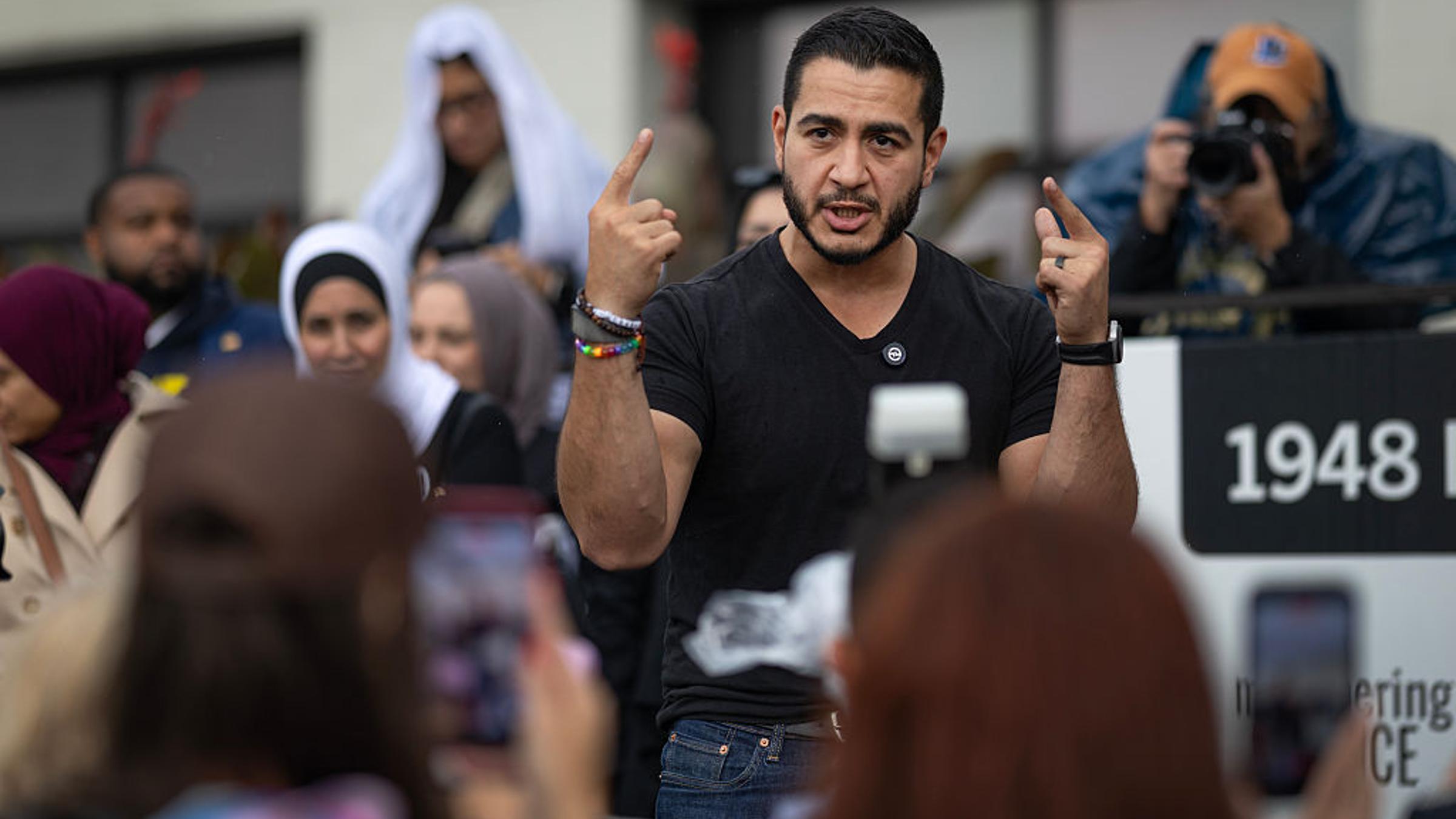
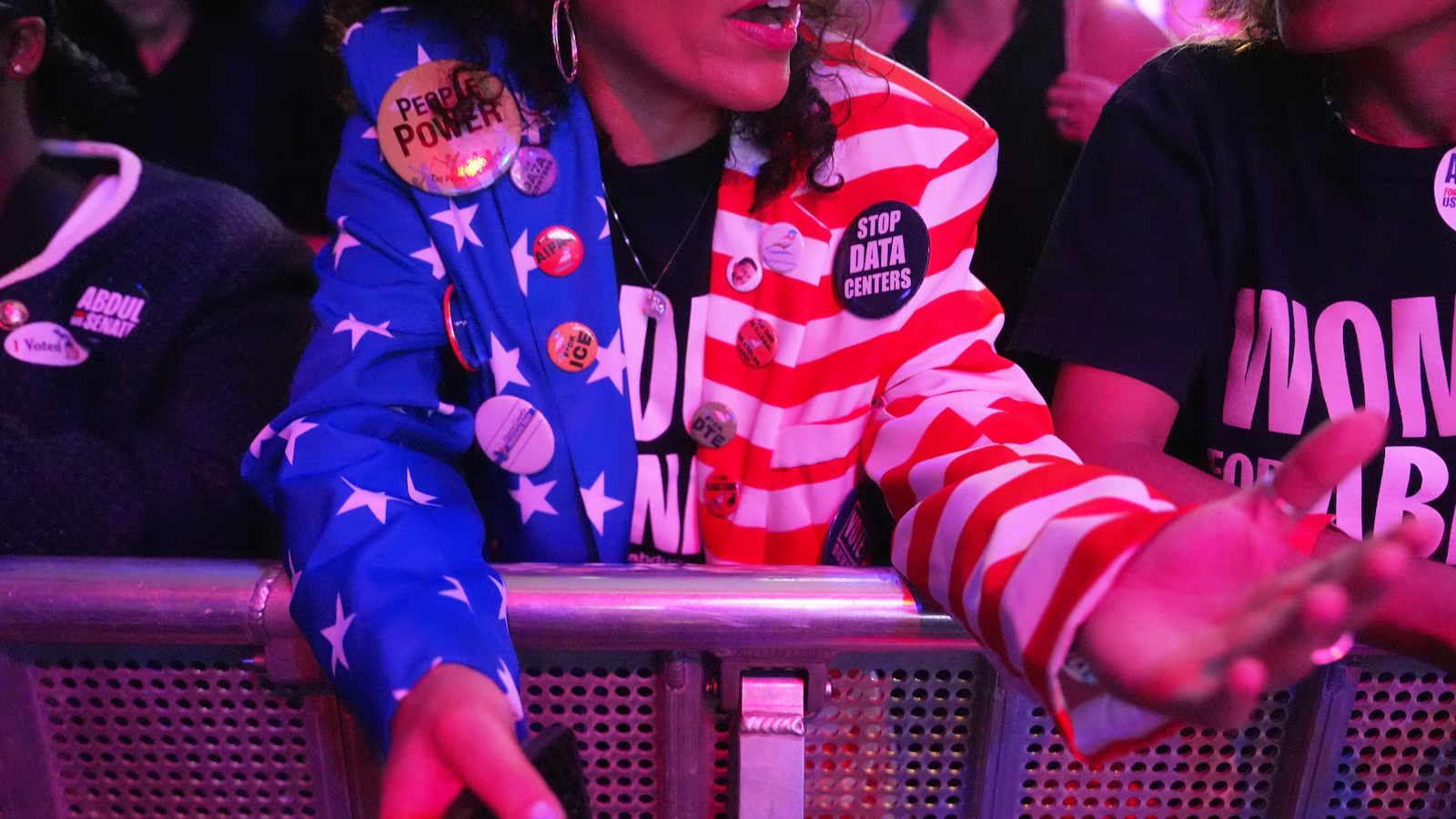
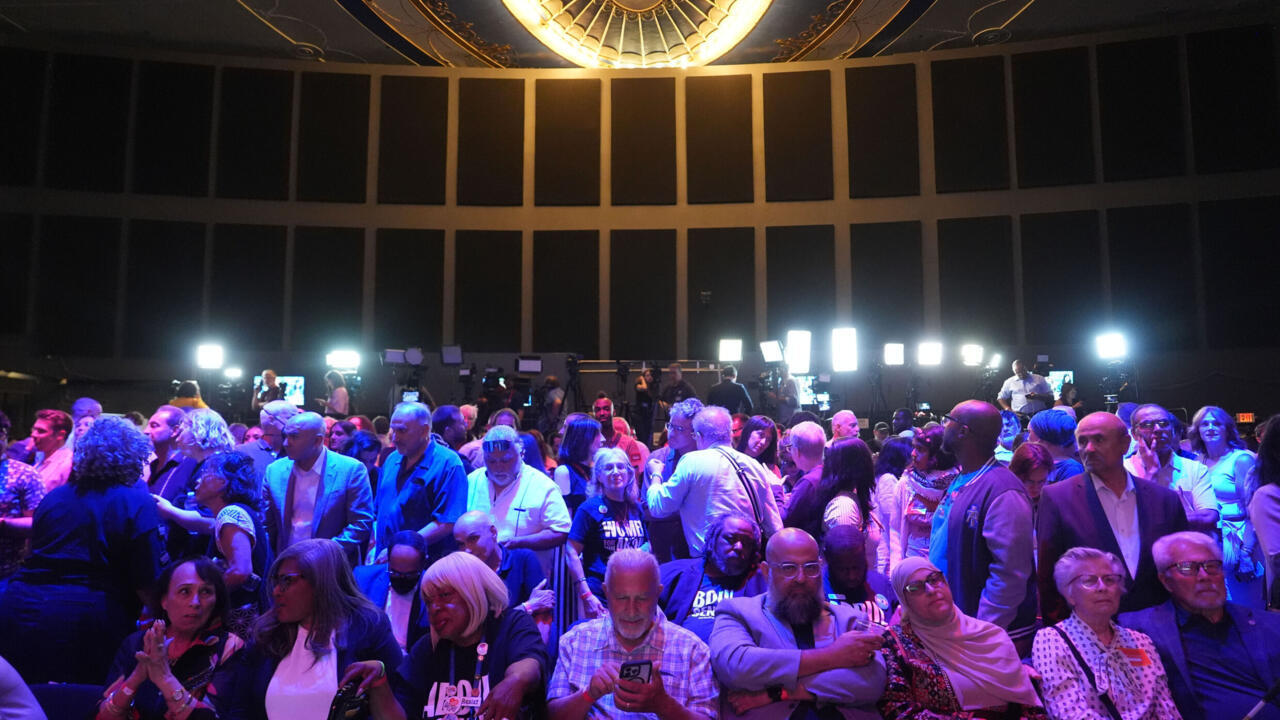
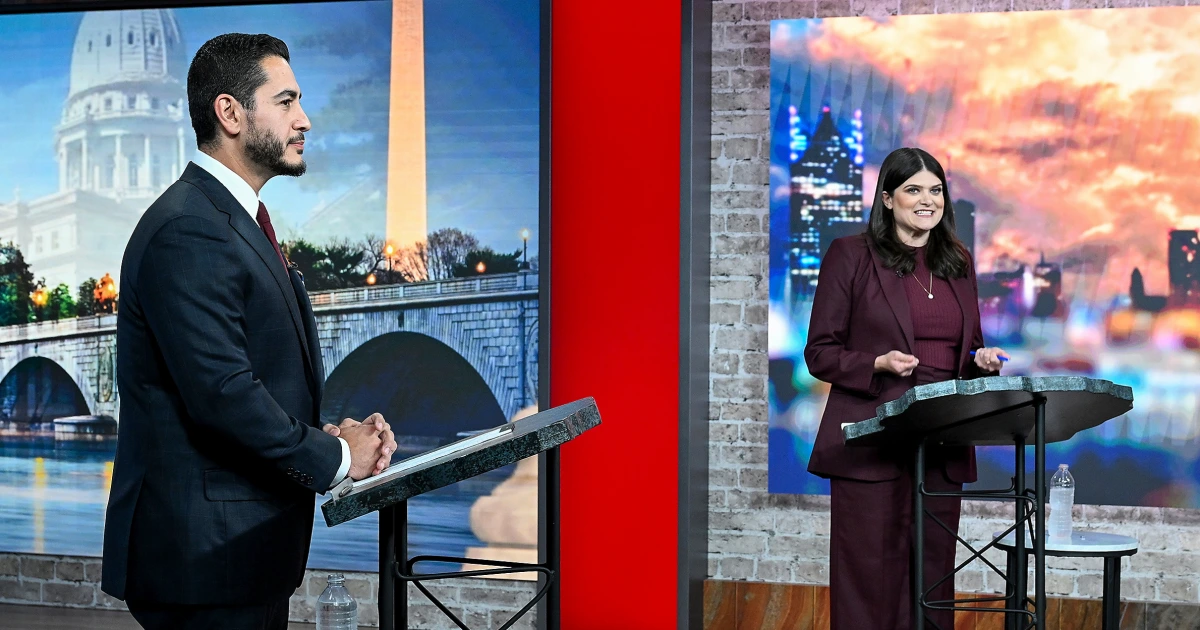
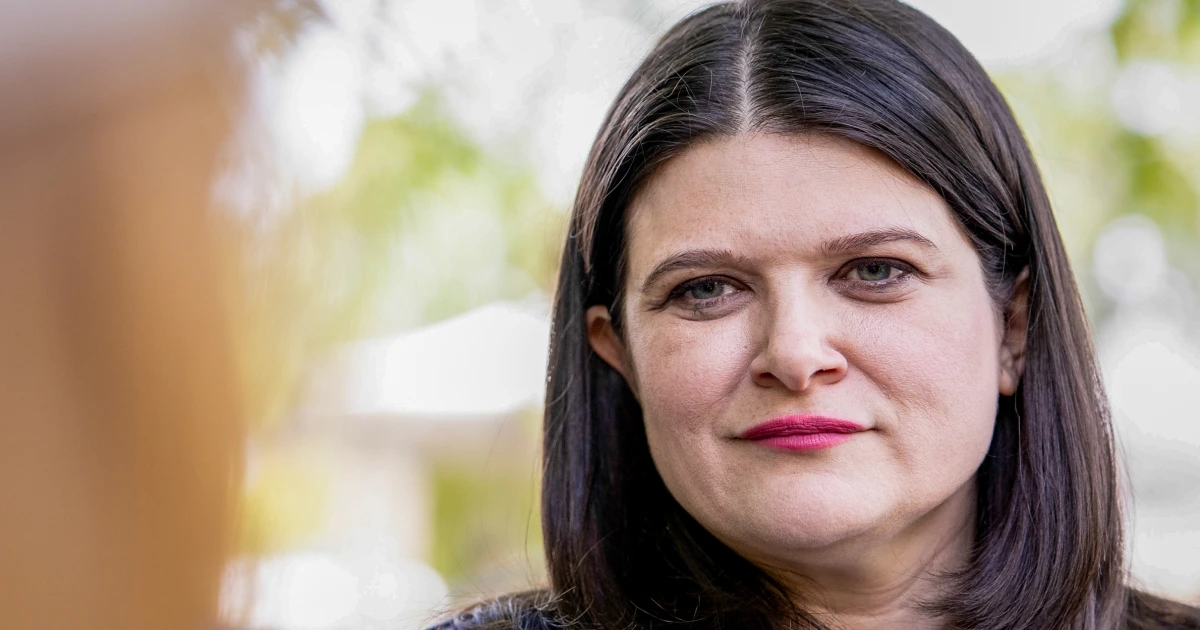
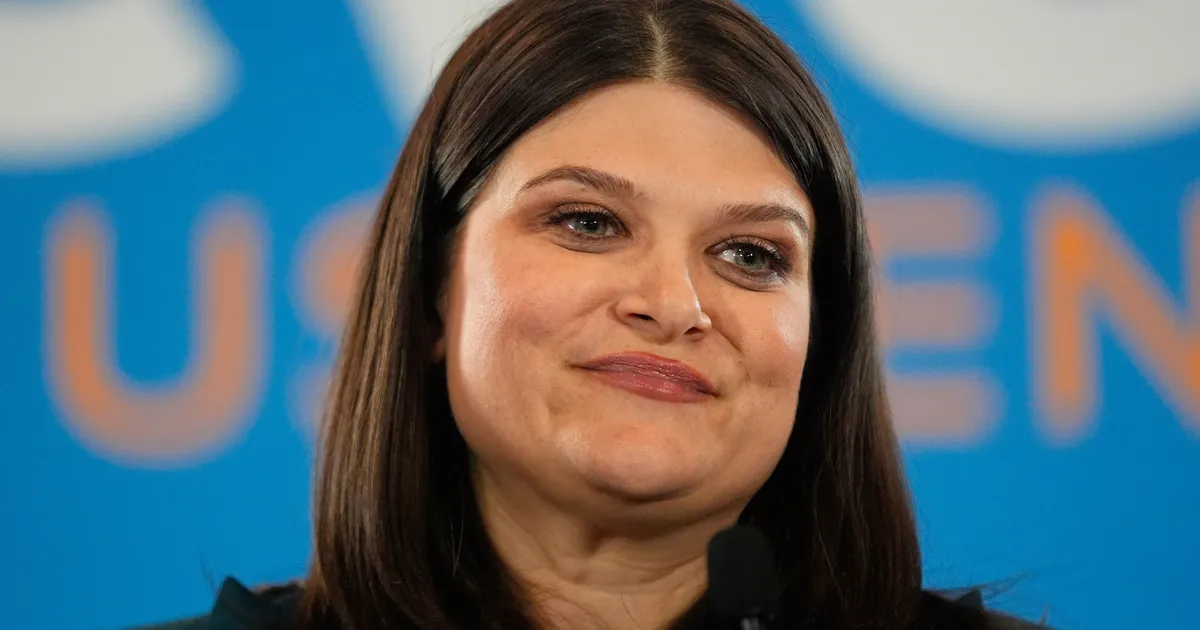
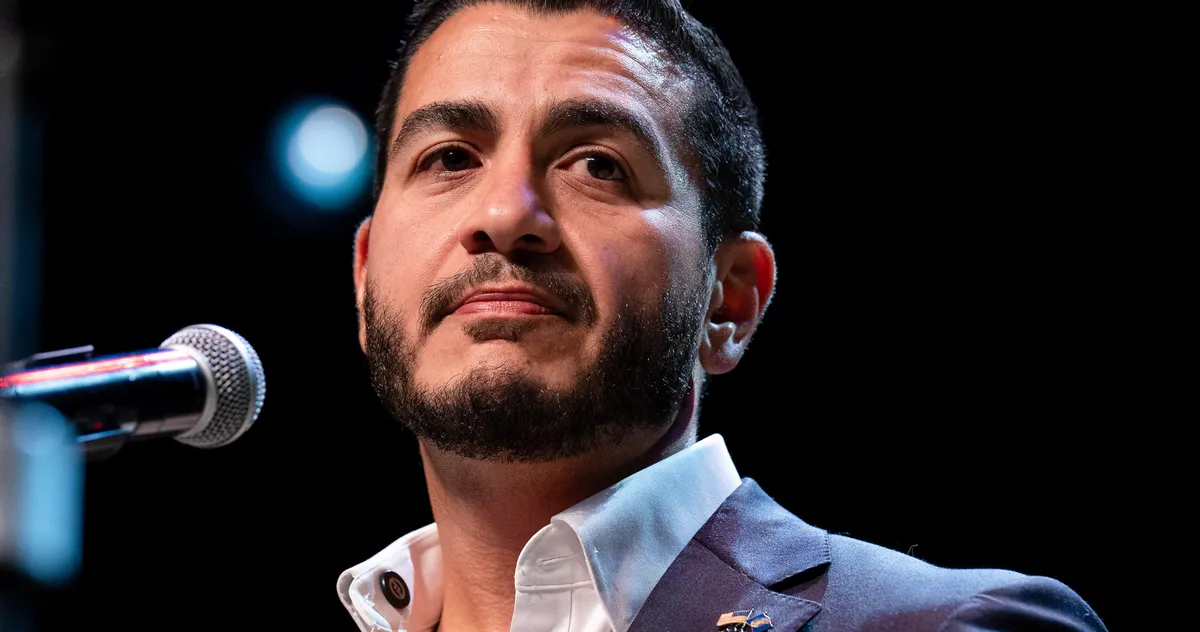
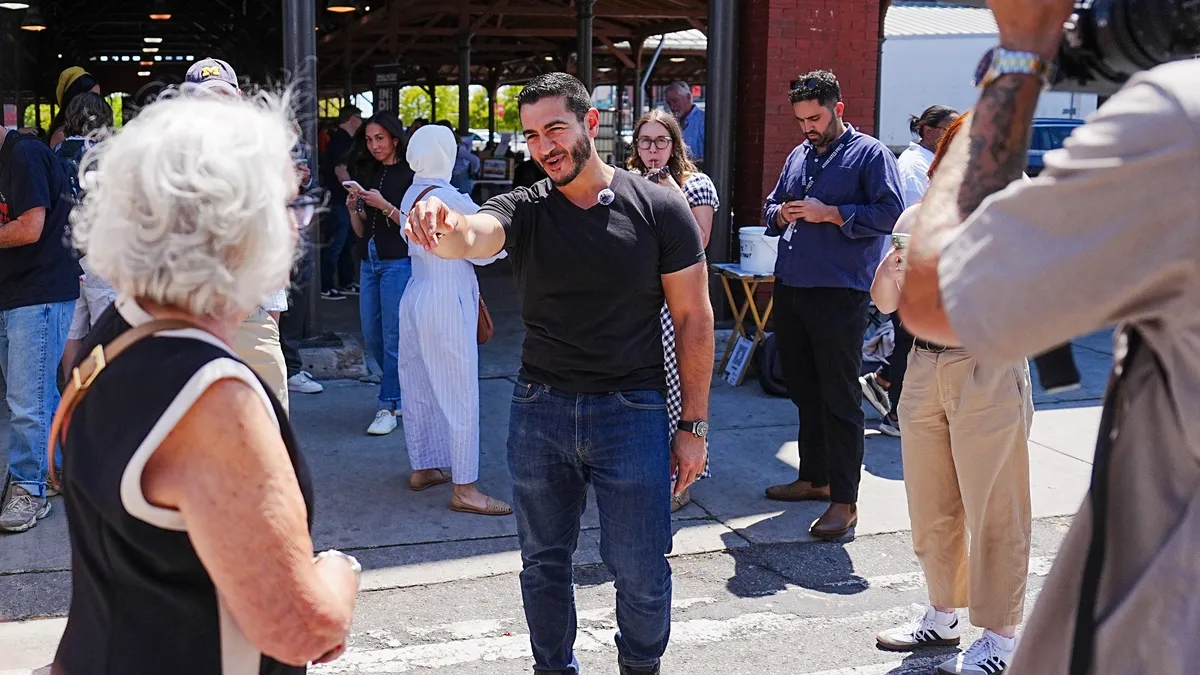
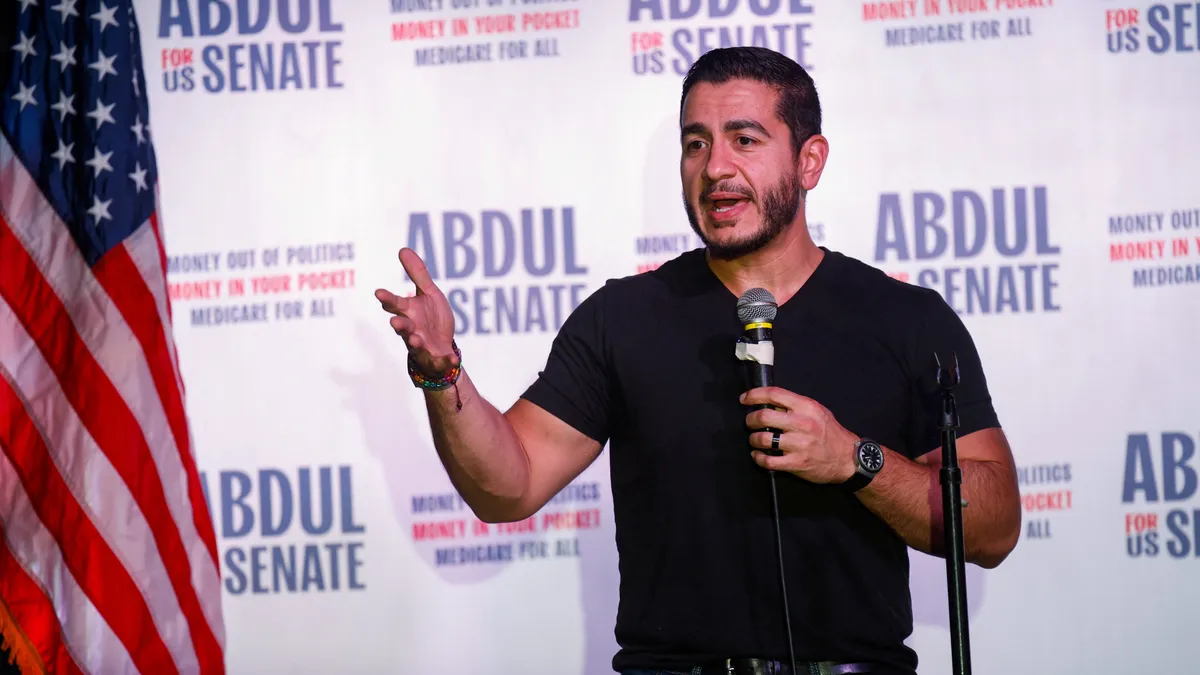
Democrats' most consequential primary squabble in 2026 between Abdul El-Sayed and Rep. Haley Stevens in Michigan was one of the closest, further underscoring the evolving party's significant divides.The blockbuster race was expensive and at times personal between the two, while it touched many nerves that have animated Democrats since President Donald Trump returned to power, particularly over support for Israel.Several national and state party leaders backed Stevens, a former Obama administration official, arguing that a centrist was the safer choice against Republican Mike Rogers, who ran unopposed on the Republican side.But El-Sayed, a supporter of universal health care, countered Stevens' bipartisan pitch with a populist spirit that called for a bolder posture and action by Democrats.By the morning of Aug. 5, NBC News and Decision Desk HQ projected El-Sayed as the winner, but it wasn't the knockout verdict many progressives had telegraphed in a critical swing state that could determine control of the Senate.Fights over the direction of the party's evolution stretched out across other elections, including a rematch in Missouri's 1st Congressional District that also centered heavily on ties with Israel.Former Democratic Rep. Cori Bush, a Democratic Socialists of America member, was easily trounced in a bitter rematch against Rep. Wesley Bell, who won the St. Louis-based seat two years ago with the help of the American Israel Public Affairs Committee, or AIPAC.Both parties picked nominees in other down-ballot contests with the larger hope of flipping the House of Representatives, including four Democrats looking to challenge Republican Rep. Jen Kiggans in Virginia's 2nd Congressional District, one of the competitive seats in the country that includes Virginia Beach.And in Kansas, the GOP is hoping that amid a forecasted blue wave it can quietly take back the governor's mansion given that Democratic incumbent Laura Kelly is term-limited. Both parties had crowded primary fields vying to replace her.Here is a rundown of Tuesday's results:El-Sayed pivots to the fall after nail-biterFew Democratic primaries this year have encapsulated the mainstream liberal versus populist-leaning progressive divide the way Michigan did.Stevens' supporters argued that El-Sayed, a Detroit-based public health officer, is too controversial and too far on the political left in a state Trump won twice. El-Sayed's side argued that candidates too wedded to the party's donor class fail to generate enough enthusiasm needed to topple Republican Mike Rogers, who ran unopposed for his party's nomination. Early results showed voters were evenly split as well, with El-Sayed leading by roughly three percentage points late on Aug. 4. By early morning on Aug. 5, however, Stevens had shrunk that margin to less than one percentage point.Just how close the outcome is was exemplified by Democratic state Sen. Mallory McMorrow, who dropped out of the primary in July. She raked in about 61,000 votes, which is more than three times the roughly 14,900-vote lead El-Sayed had over Stevens.The congresswoman has not yet conceded, but El-Sayed quickly pounced on the projections in an Aug. 5 post on X, and has already begun to talk about the general election.The National Republican Senatorial Committee, the caucus’ political arm, released a 30-second spot Aug. 5 kicking off that fall campaign. It uses his full name − Abdulrahman Mohamed El-Sayed − before calling him "the most radical Senate candidate in America," and slams him for being allies with left-leaning streamer Hasan Piker for inflammatory comments such as saying "America deserved 9/11" in 2019. Schumer's leadership in peril?Senate Minority Leader Chuck Schumer's name wasn't on the Michigan ballot, but the New York Democrat's future as a face of the party might have been.Schumer backed Stevens over El-Sayed in his quest to retake Congress' upper chamber, which requires flipping at least four GOP-held seats without losing ones in the Democratic column, such as Michigan, this fall. This loss comes months after another Schumer recruit for Senate, Maine Gov. Janet Mills, dropped out in April.Dan Pfeiffer, a former senior adviser to President Barack Obama, predicted in an Aug. 4 post on X that the "reverberations" from El-Sayed winning would be "felt far outside" of the swing state. He said it would "raise even more questions about whether (Schumer) and his operation have lost touch with the Democratic base."Some Senate candidates running on the Democratic side this year have pledged they will oppose him leading the caucus if they win and the party takes back the majority.Other thinkers within the party, however, suggest that Michigan's narrow margin underscores that both sides need to reconcile before casting each other out of the Democratic tent."Abdul’s campaign and many of its influencers were very high on their own supply, and a little humbling is healthy," Mike Nellis, a former senior adviser for former Vice President Kamala Harris' unsuccessful 2020 presidential primary campaign, said in an Aug. 5 post on X."Coming out of the primary, they should take the closeness of the race seriously and work hard to unite the Democratic coalition in Michigan so we can beat Mike Rogers."Virginia, Michigan congressional races spotlight competitive House mapMichigan Democrats had an equally critical choice down ballot in deciding who best to take on Rep. Tom Barrett, who is considered by experts to be one of the most vulnerable Republican incumbents seeking reelection this November.But unlike other main event primaries, the hostilities were mainly between Matt Maasdam, a retired Navy SEAL, and Bridget Brink, a former U.S. Ambassador to Ukraine who resigned in protest. Both refused the other camp's demand to drop out to block William Lawrence, a community organizer backed by Sen. Bernie Sanders, I-Vermont.Much like the top of the Michigan ballot, there was plenty of open debate about Lawrence's electability and alienating independents, but that didn't slow down his candidacy.With 58% of precincts reporting, Lawrence was the projected winner, carrying about 42% of the vote while Maasdam and Brink evenly split the rest of their electorate.One of the most competitive House races in 2026 will be Virginia's 2nd Congressional District, where Republican incumbent Rep. Jen Kiggans is facing a rematch against Democrat Elaine Luria.Luria, a Navy commander, sailed over three opponents to win the nomination after losing the seat to Kiggans in 2022. That district, which includes Virginia Beach, was one Democrats tried to redraw in response to the gerrymandering arms race the Trump administration launched last year.Under the Democratic map, the district is one that Harris would have won by about five percentage points. Conservative activists successfully filed suit to repeal the new boundaries, meaning the district is one Harris lost to Trump by less than half a percentage point, but it remains a top target this fall for Democrats to flip.Bush falls short in Missouri rematch amid AIPAC fightBush was a former member of the progressive group in Congress known as "the squad" and had hoped to surf back into Capitol Hill amid a progressive wave that helped other democratic socialist-affiliated contenders.Both were once connected to the Black Lives Matter movement in 2014, but their rivalry began over Israel when Bell abruptly dropped his Senate bid to challenge Bush after she sharply criticized the foreign country's military actions in Gaza.Much like during that race, AIPAC spent heavily against the former congresswoman in this contest, throwing roughly $1.2 million at the race through United Democracy Project, its political action committee. Bell largely focused on his record, betting that voters cared more about issues tied to the St. Louis-based district than a foreign policy issue that has animated the activist left."And while we take those issues seriously, you know, the M in Missouri doesn't stand for Middle East. It stands for Missouri," Bell told NBC News after casting his ballot.Bush lost in a landslide by about 23 percentage points with a higher voter turnout than in 2024, representing a jarring defeat that blunts the DSA winning streak that started in New York and Colorado.GOP eyes Kansas governor's mansion as Dem populist prevailsRed state Democrats are a dying breed and the GOP sees Kansas as one of their best chances at a governorship pickup given that incumbent Gov. Laura Kelly is barred from making another bid due to term limitsThe ideological fight among the Democratic nominees ‒ state Sens. Ethan Corson and Cindy Holscher ‒ was much narrower than other nationally prominent primaries.But their sprint still underscored a familiar divide in the party with Holscher positioning herself as an anti-establishment candidate who objected to data centers and had a more combative style. She ran up against stiff attacks by Corson, who was backed by Kelly along with former Gov. Kathleen Sebelius and organized labor groups.With 79% of the precincts reporting, Holscher was projected to win the nomination over Corson by about nine percentage points.Forecasters rate Kansas' gubernatorial contest as leaning toward the GOP in a state that is decidely conservative in all of its other elected offices, but this race could easily turn into a referendum on Trump.Republican Ty Masterson, the current leader in state Senate, coasted to the GOP nomination on Aug. 4 after getting Trump's endorsement.Masterson says he wants to pursue the president's "America First" agenda if elected despite the president's approval ratings hovering near record lows with just 36% giving his job performance a thumbs up, according to an Economist/YouGov poll released on Aug. 4.Contributing: Jay Stahl, Matt Resnick