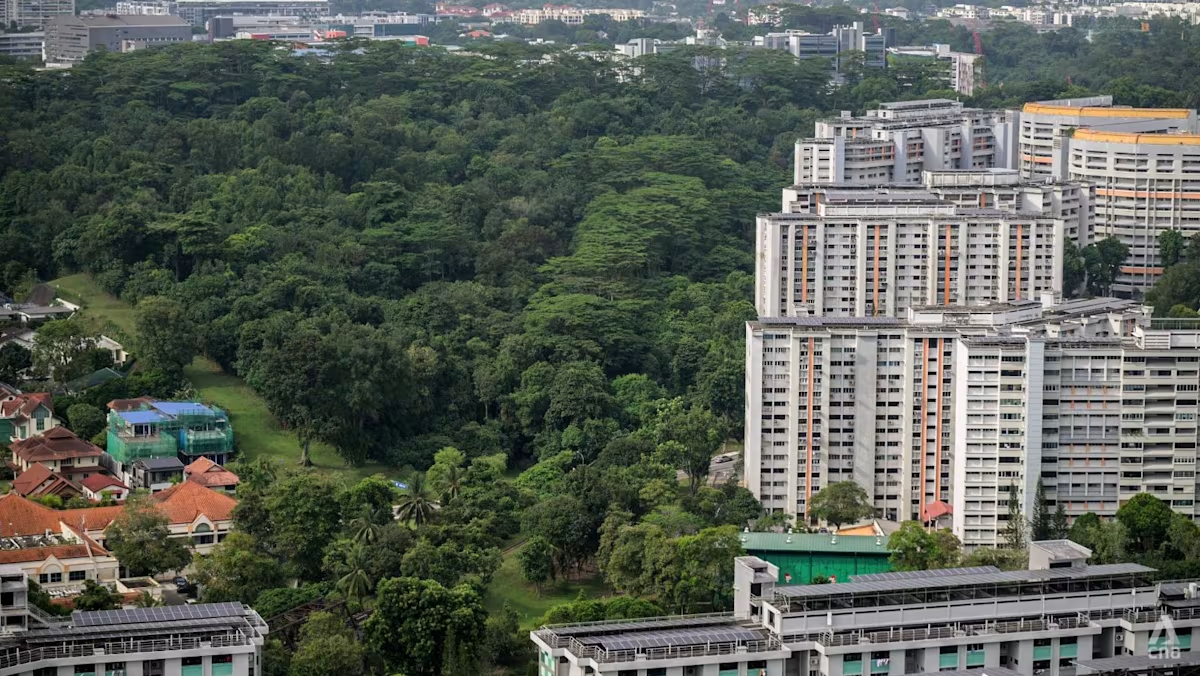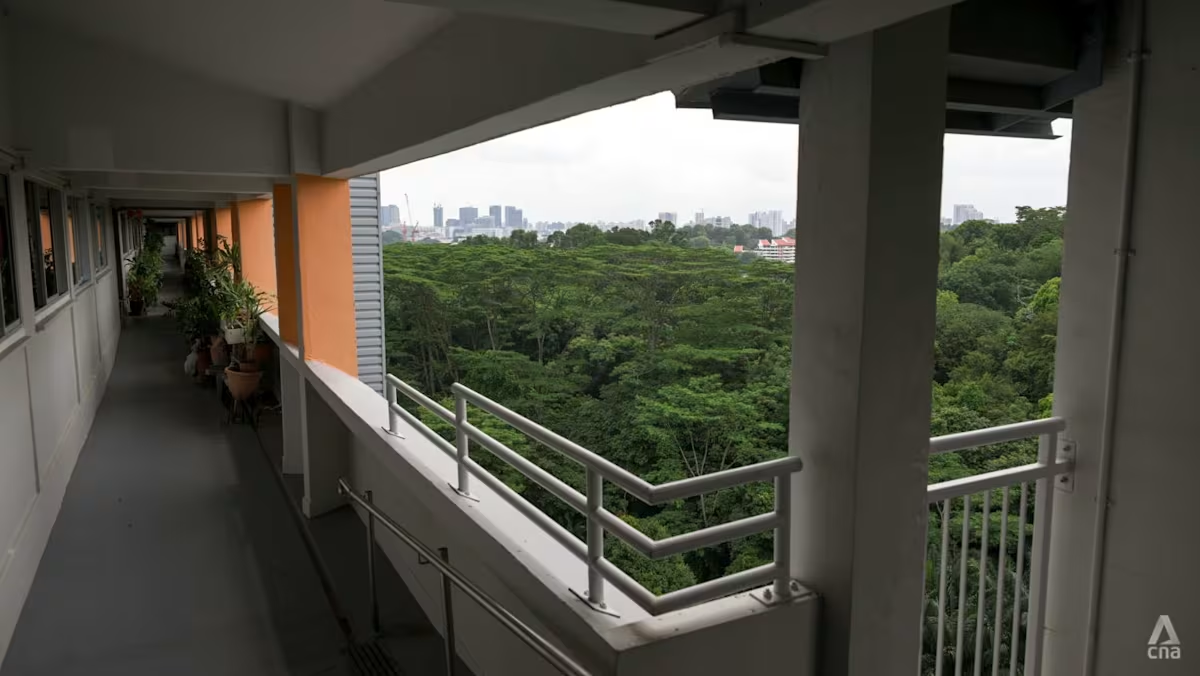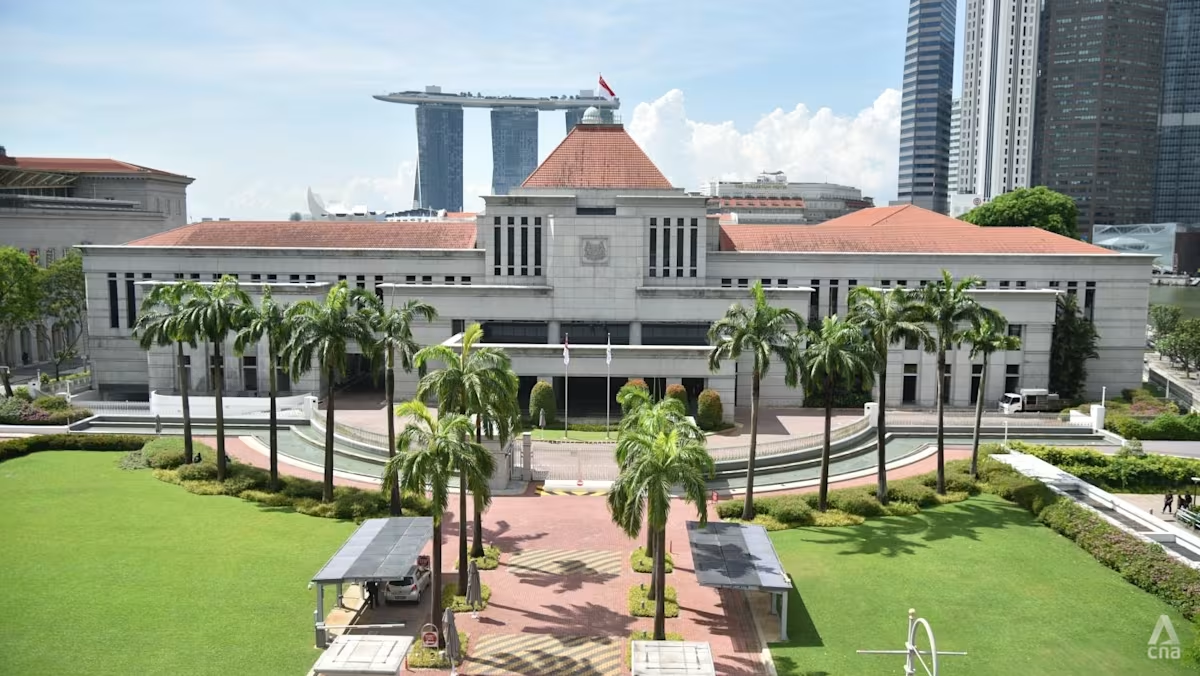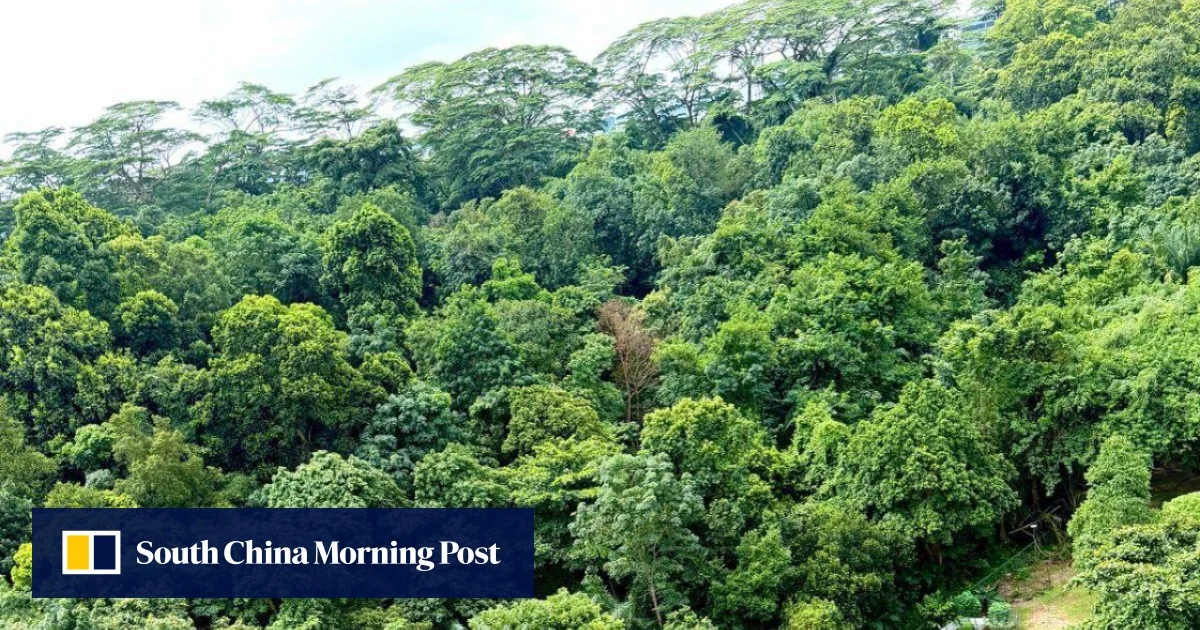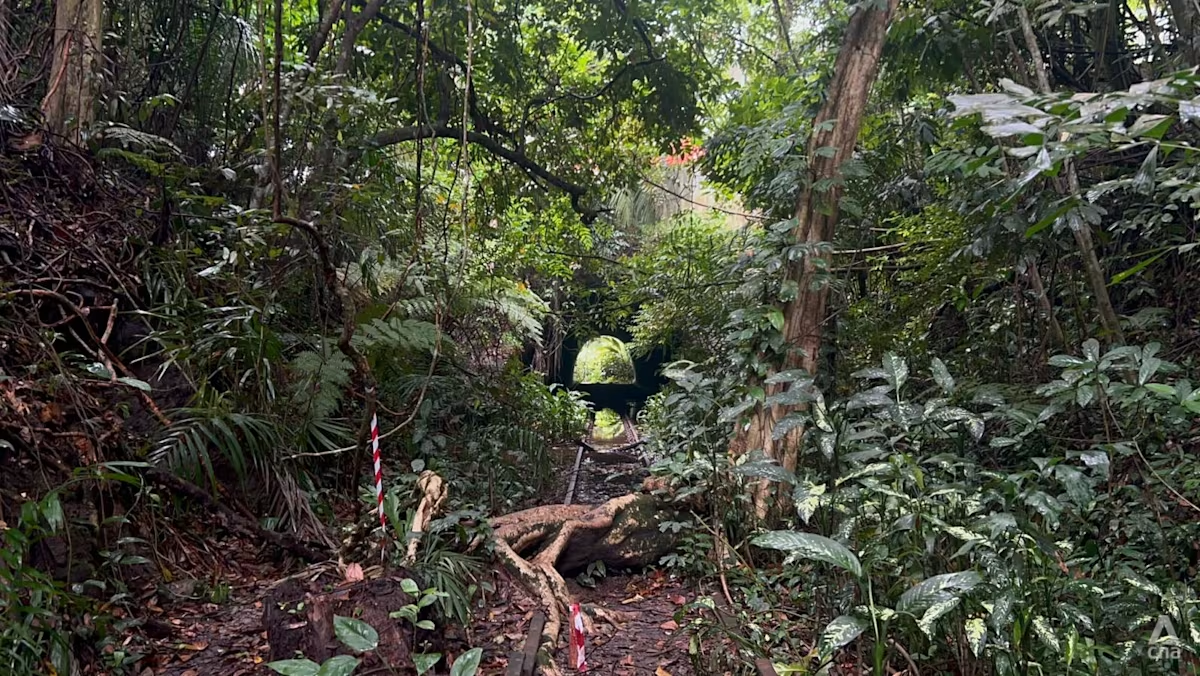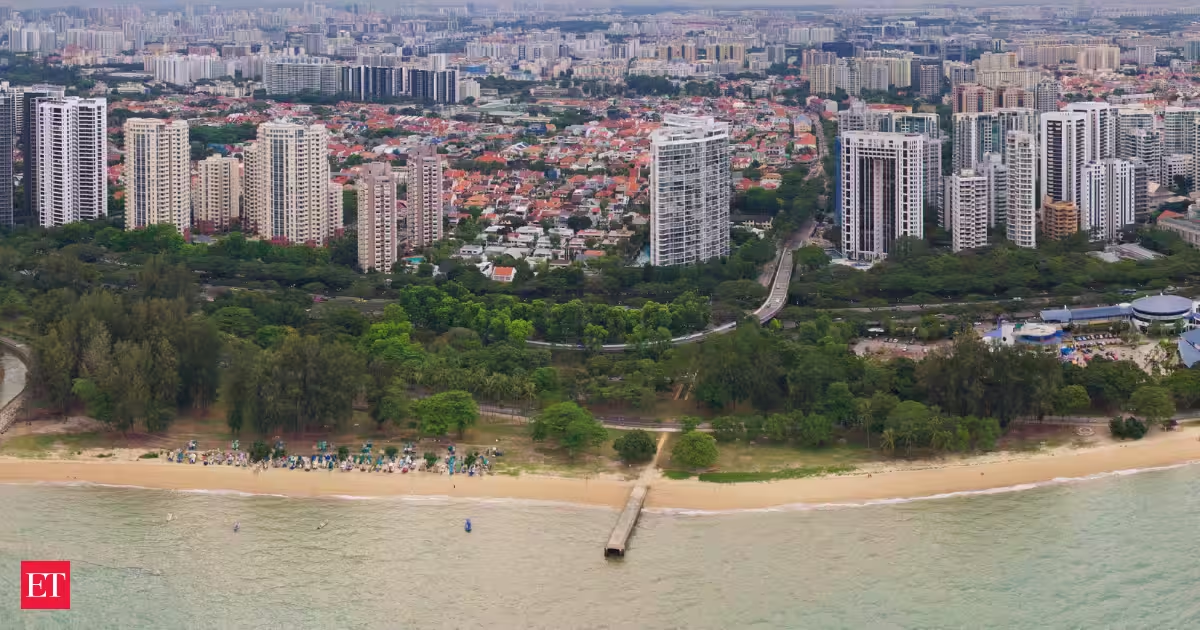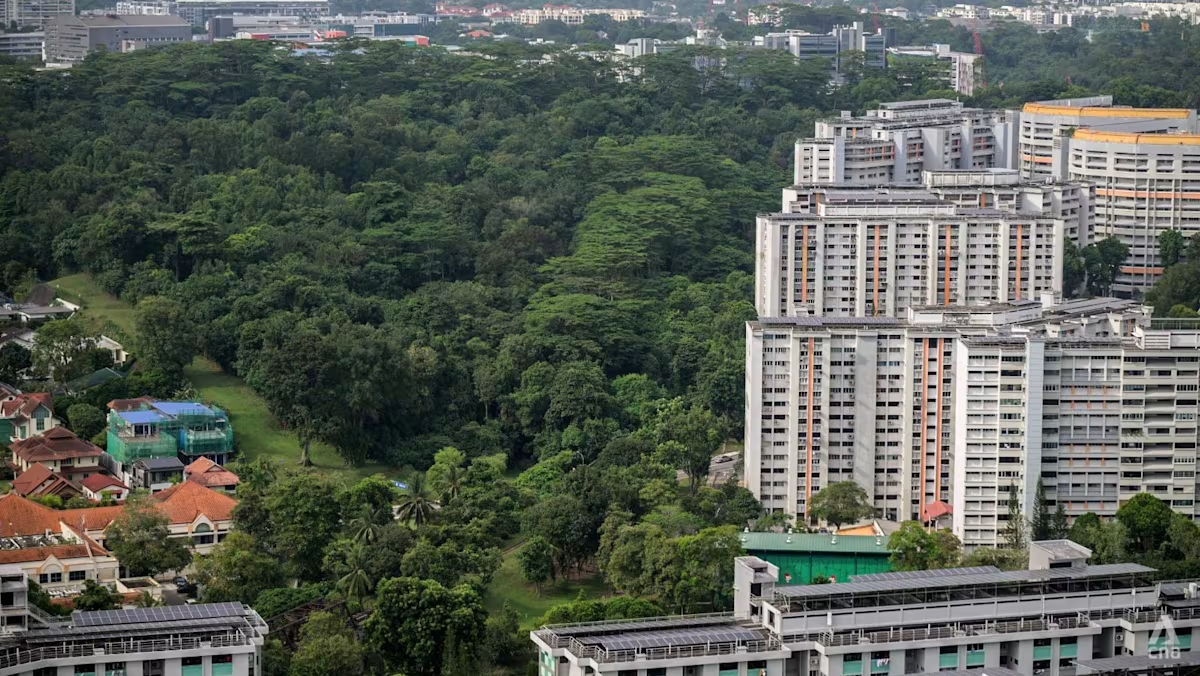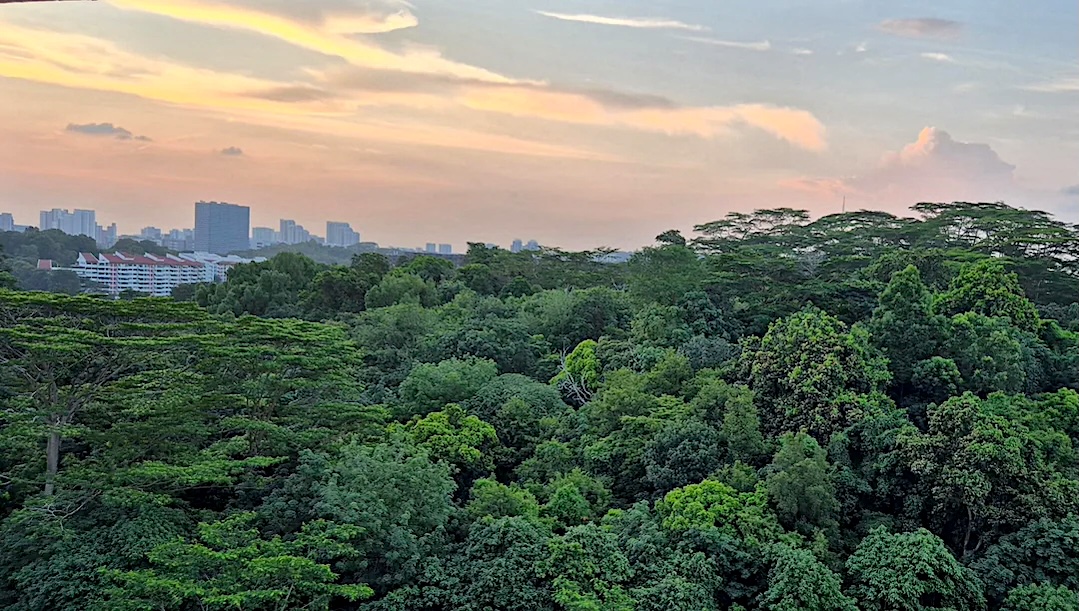
A 23-hectare (57-acre) forest in the Singaporean neighborhood of Clementi that provides stress relief and community enjoyment for residents plus habitat for urban biodiversity has been proposed for development, sparking a public debate.Although Singapore has earned recognition for integrating nature into this, one of the world’s most densely populated urban environments, the proposal would convert most of it into public housing.A new op-ed argues that urban forests are essential public health infrastructure and that this debate reflects a challenge that cities increasingly face: how should we value mature ecosystems in an era of climate change, urbanization and rising health challenges?This article is a commentary. The views expressed are those of the author, not necessarily of Mongabay.
Every city faces difficult choices about how to use its land. As populations grow, governments must provide homes, transport and other essential infrastructure while protecting the natural ecosystems that make cities liveable. These decisions are often framed as a trade-off between development and conservation, with forests viewed primarily as reservoirs of biodiversity or stores of carbon.
What if we have been overlooking one of their most important contributions?