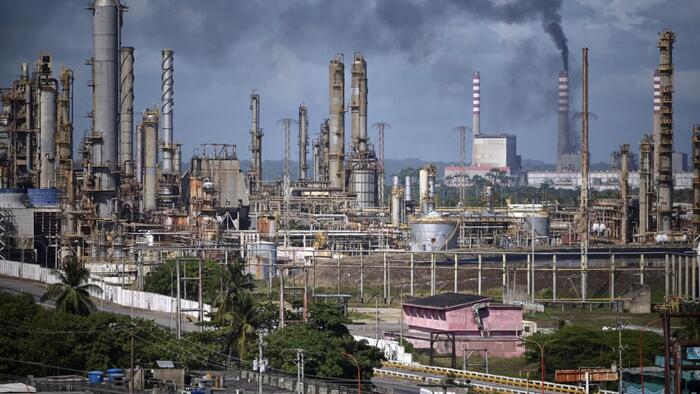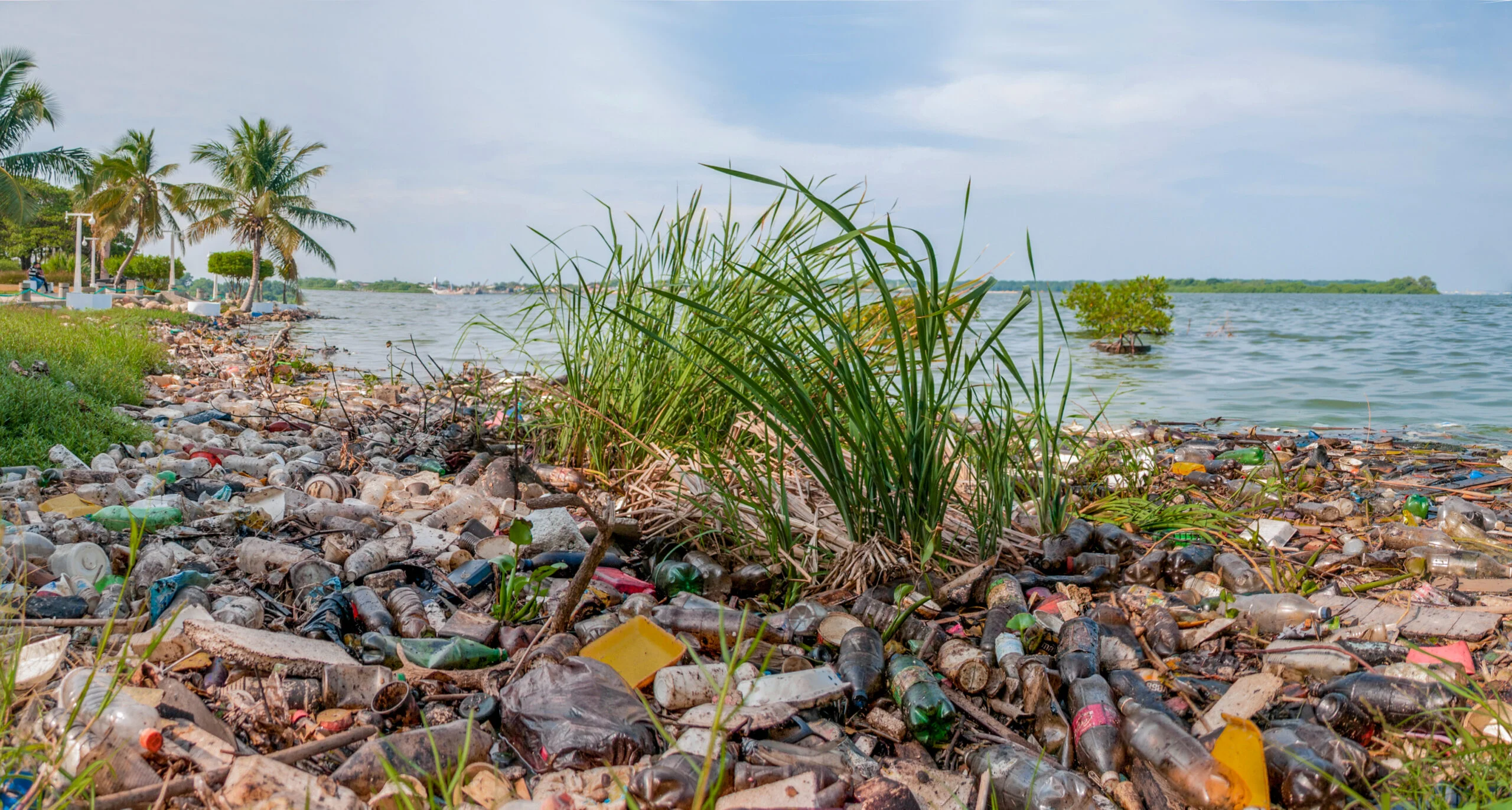
Venezuela’s oil production is growing at a crucial time, with conflict in the Middle East disrupting traffic in the Strait of Hormuz, thereby crimping global petroleum supply. Since the U.S. captured President Nicolas Maduro in a daring night raid in early January 2026, Venezuela’s petroleum output has soared to multiyear highs. Recent regulatory reforms, the easing of U.S. sanctions and greater foreign investment are all key to reviving Venezuela’s struggling petroleum sector and increasing oil output in what was once South America’s top-producing country.OPEC data from secondary sources shows Venezuela pumped just over one million barrels per day during June 2026. This represents an impressive 17.6% increase over 2025, although it is less than half of the 2.1 million barrels lifted for the same month a decade earlier. Indeed, the collapse of Venezuela’s once mighty petroleum sector didn’t begin in earnest until late 2018 as lower oil prices and then stricter U.S. sanctions hit the country’s oil industry hard.The rapid decline of Venezuela’s oil industry continued until production bottomed in July 2020, as the COVID pandemic worsened, at 392,000 barrels per day, well below historic highs. That figure remains far below Venezuela’s 1970 record of 3.75 million barrels per day, it is significantly lower than the one million barrels per day lifted at the end of 2018, before President Trump imposed strict oil and financial sanctions on Caracas in early 2019.While estimates vary, industry experts believe it will take up to $220 billion to repair Venezuela’s heavily corroded oil industry infrastructure. Leading industry expert Francisco J Monaldi, director of the Latin America Energy Program at the Center for Energy Studies at Rice University’s Baker Institute for Public Policy, estimates around $100 billion is required. He anticipates it will take at least a decade to rebuild heavily corroded energy infrastructure so that hydrocarbon production can return to historic levels of over two million barrels per day.Dr Monaldi believes until democracy returns to Venezuela, it is impossible for the rule of law to exist, particularly after decades of democratic backsliding, endemic corruption and institutional collapse. Even the recent reforms, signed into law on July 8, 2026, by interim president Delcy Rodriguez, are insufficient to provide the kind of institutional and legal stability desired by oil companies. Indeed, despite the changes, Venezuela’s oil minister retains tremendous discretion over tax rates and contract allocations, creating the type of uncertainty Big Oil hates.To attract the billions of dollars required to revamp Venezuela’s petroleum sector energy companies want a stable legal environment to ensure they receive a material return on what can be a tremendous investment. Considerable doubt exists among drillers over whether Venezuela is investable. This is because Caracas has a long history of nationalizing and expropriating petroleum assets. The last round occurred under President Hugo Chavez, starting in 2007, with Big Oil suffering significant losses. Supermajor ExxonMobil claimed the loss of $16.6 billion in assets, while ConocoPhillips took a $4.5 billion hit to its balance sheet. Both companies then exited Venezuela because of the extreme risk associated with operating in the country. Exxon went on to file multiple lawsuits against Caracas but was only able to recoup $1.4 billion, a fraction of the value of the facilities lost. For those reasons, Trump is struggling to persuade major oil companies to invest in Venezuela, even after the U.S. eased sanctions on the oil industry and state-controlled banks. There is also the massive ecological debt incurred by Venezuela due to oil industry operations to consider. Heavily corroded aging industry infrastructure along with Caracas’s pump-at-all-cost approach led to frequent spills and leaks from ramshackle wellheads, derricks and pipelines in environmentally sensitive areas. The worst affected regions are Lake Maracaibo, the cradle of Venezuela's oil industry, and the Orinoco Belt, which with an estimated 1.3 trillion barrels of heavy oil in place underpins most of the country's petroleum production.Any clean-up will be an extremely costly and lengthy process. A heavily polluted Lake Maracaibo, where oil slicks and algal blooms frequently coat the surface, will cost more than an estimated $2.5 billion to remediate. There is also extensive environmental damage in and around the Orinoco Belt, with spills impacting the Orinoco River and coastal wetlands, one of the world’s most biodiverse areas will also cost billions of dollars to clean up.Unless investment expands considerably, Venezuela’s oil production will remain capped at around one million barrels per day. Some optimistic assessments claim Caracas can lift production to as high as 1.5 million barrels per day. But any higher will require significant capital, technical expertise and technology to be invested. Already, there are signs Caracas is struggling to lift production further. OPEC data shows Venezuela’s monthly crude oil output has sat between 900,000 and 1.1 million barrels per day since the start of 2026.This is occurring despite Trump pushing Big Oil to invest in the one-time pariah state, sanctions relief and industry reforms. Even Chevron, which is one of the few energy companies to continue operating in Venezuela, will only increase investment in the country using cash flow from existing operations. In the supermajor’s second quarter 2026 earnings call Chief Financial Officer (CFO) Eimear Bonner said:“We've grown production over the last few years from 40,000 to 250,000. With the existing model that we have in place, we have grown the production from those three JVs by 15% over the last six months to 280,000 barrels of oil per day. We're anticipating that we will be able to grow up to 50% between now and the end of 2028.”Chevron’s planned expansion will be funded by cash flows from existing operations in Venezuela. This does cap the company’s potential production growth while placing it at risk if oil prices fall significantly over the coming months. It is envisaged, however, that by the end of 2028 Chevron will be lifting up to 420,000 barrels per day, giving Venezuela’s overall petroleum output a solid boost.Despite the negative events that are impacting Caracas, and the White House’s plans to grow Venezuela’s oil production, there is considerable pressure to do so since war erupted in the Middle East. The closure of the Strait of Hormuz, through which roughly one-fifth of the world’s hydrocarbon supply is shipped, makes expanding oil supply in the Americas increasingly urgent. Indeed, the U.S. is importing ever greater volumes of crude oil from South America including Venezuela.According to the U.S. EIA, May 2026 petroleum shipments from Venezuela rose to 471,000 barrels per day. This was 10% greater than a month prior and nearly four time greater than the 118,000 barrels imported during May 2025. That is the highest volume of crude imported by the United States from Venezuela since January 2019 when 561,000 barrels per day was shipped. Those volumes will grow as Venezuela’s petroleum output expands, particularly if the Strait of Hormuz remains closed for a lengthy period.During the 1980s, many U.S. Gulf Coast refineries were converted to profitably process heavy crude oil which sold at a steep discount to lighter petroleum like West Texas Intermediate. While some refineries transitioned to processing lighter crude as U.S. shale production rocketed higher and Venezuelan imports plummeted because of strict sanctions, demand for cheaper heavier crude grades is robust. This means there is a ready market waiting for more shipments of Venezuela’s heavy crude oil, thereby rewarding companies like Chevron that expand production in Venezuela.By Matthew Smith for Oilprice.comMore Top Reads From Oilprice.comOil Price Rally Boosts Glencore’s First-Half ProfitUS Oil Product Inventories Continue to FallPhilippines Could Become the World's First Geologic Hydrogen Hub
Venezuela’s Oil Production Grows at a Crucial Time Despite Challenges | OilPrice.com
Venezuela's rising oil production is offering crucial relief to global energy supplies disrupted by Middle East conflicts, though deep infrastructure damage, legal uncertainty, and massive environmental costs continue to limit long-term growth.
1,248 words~6 min read