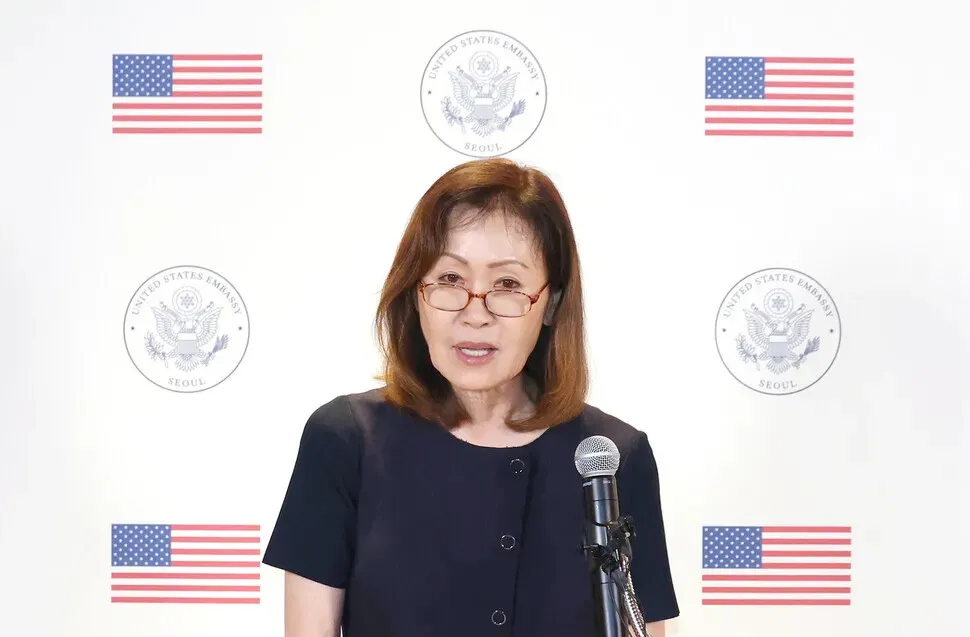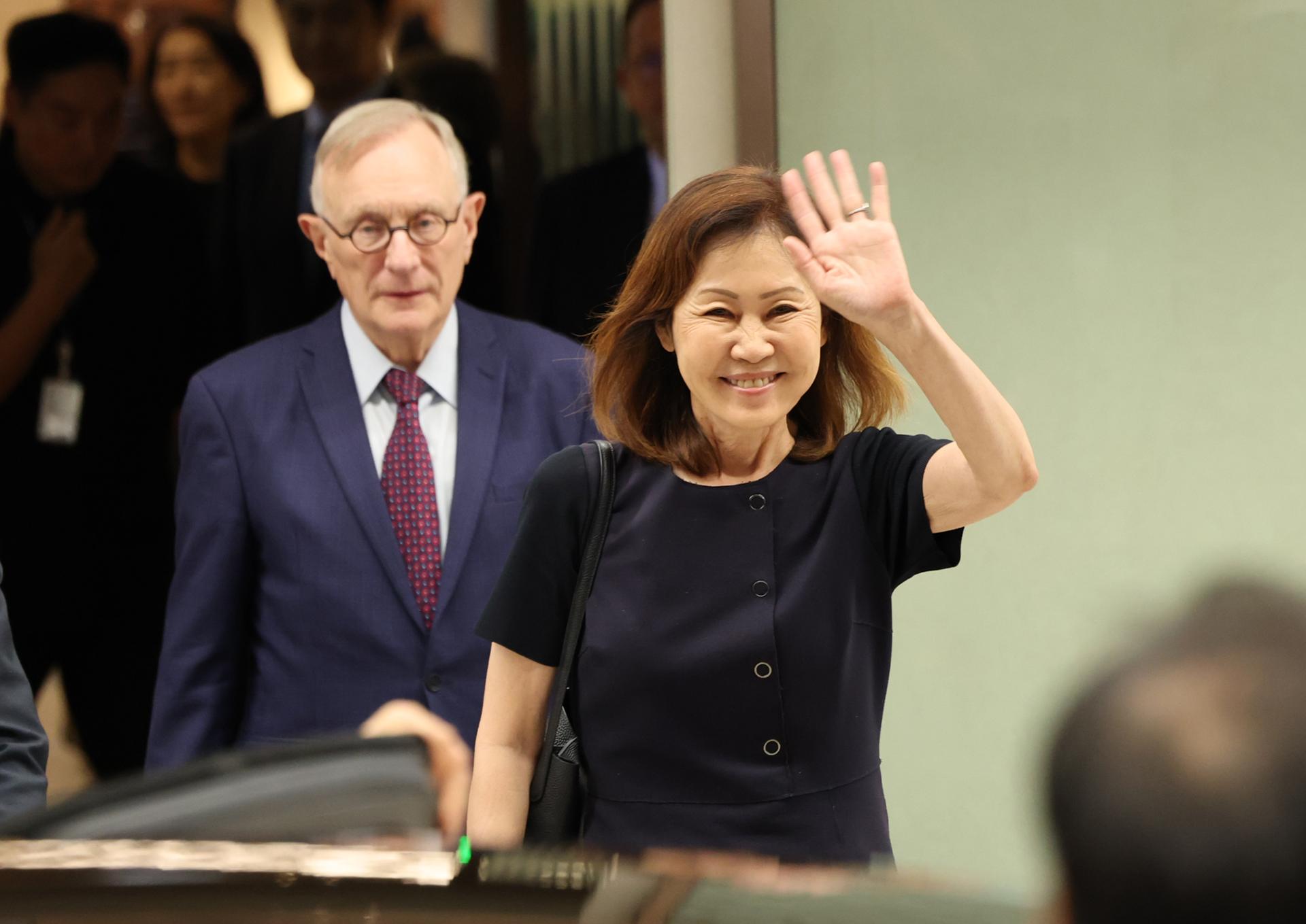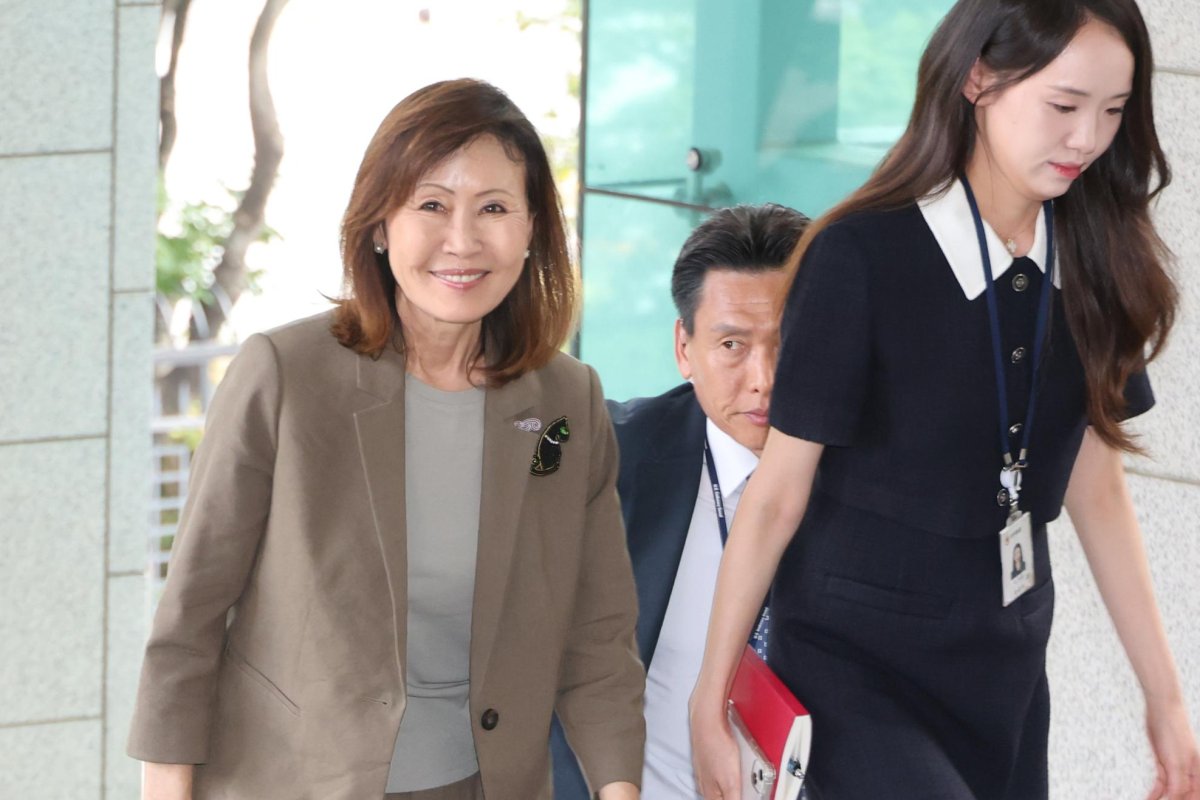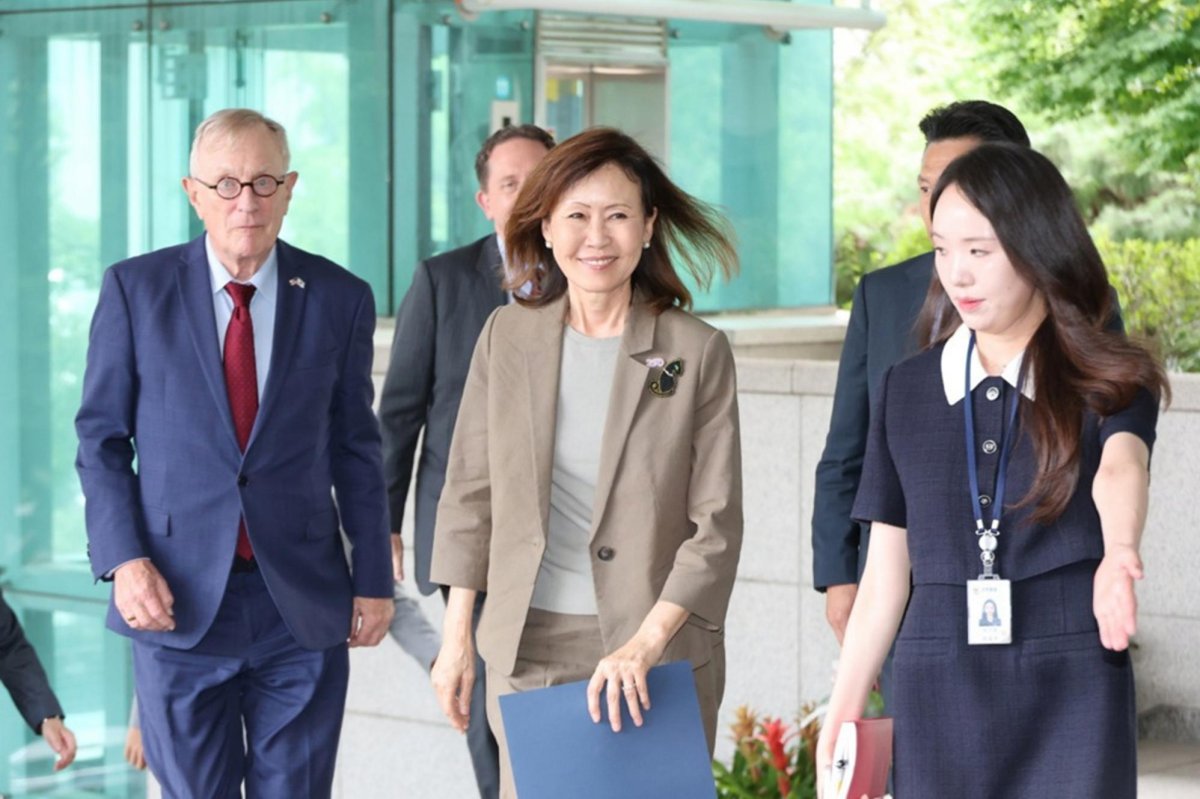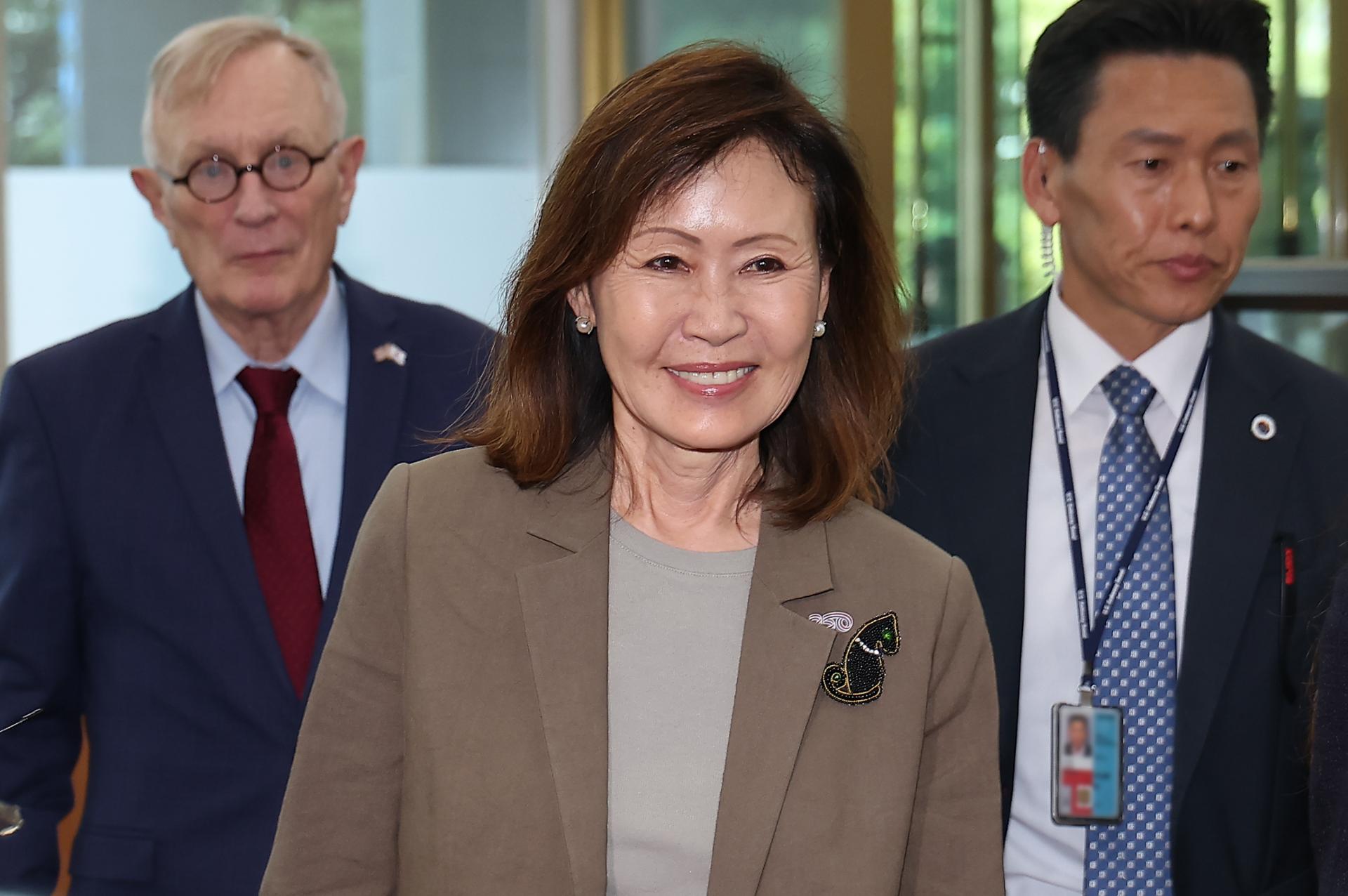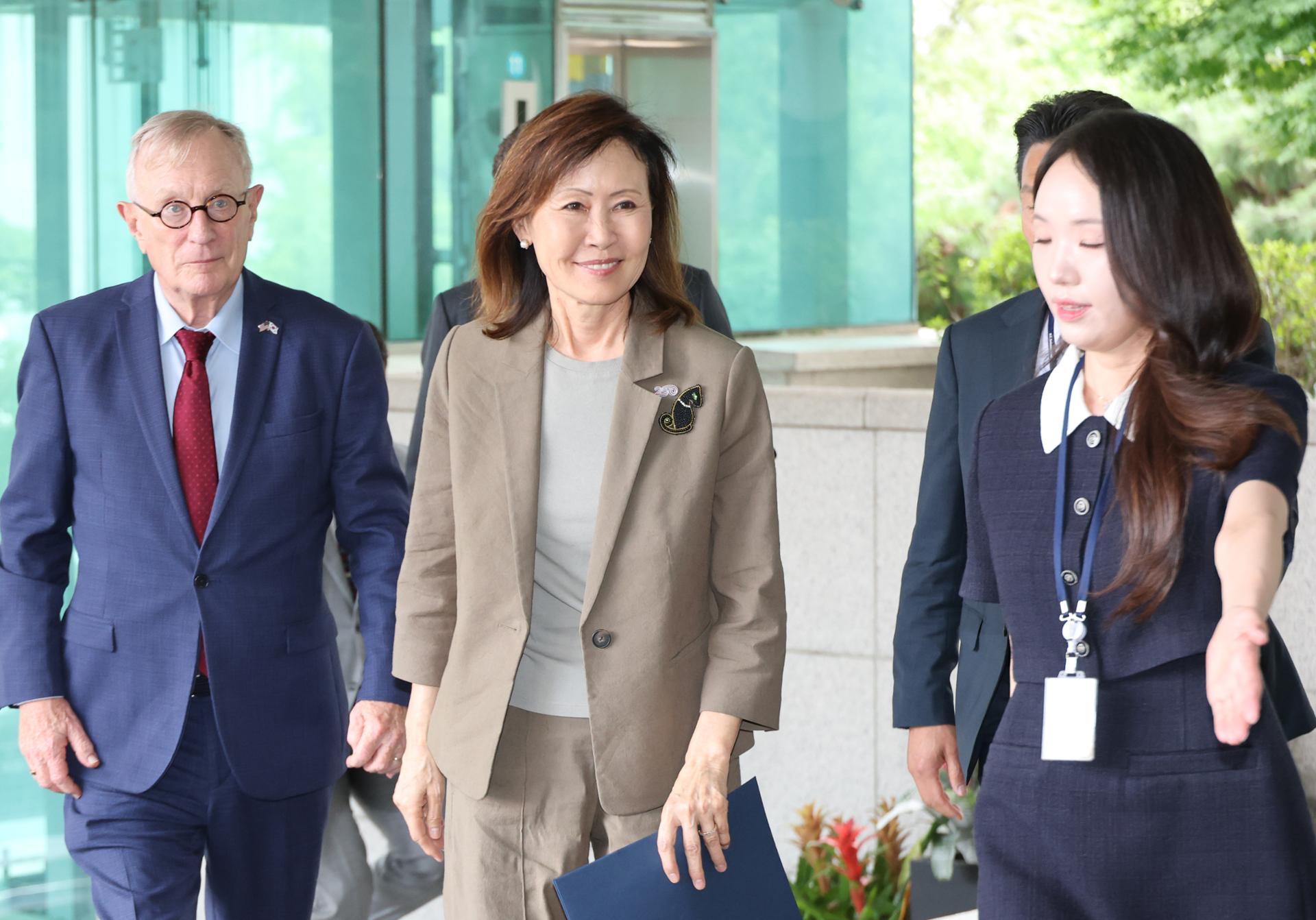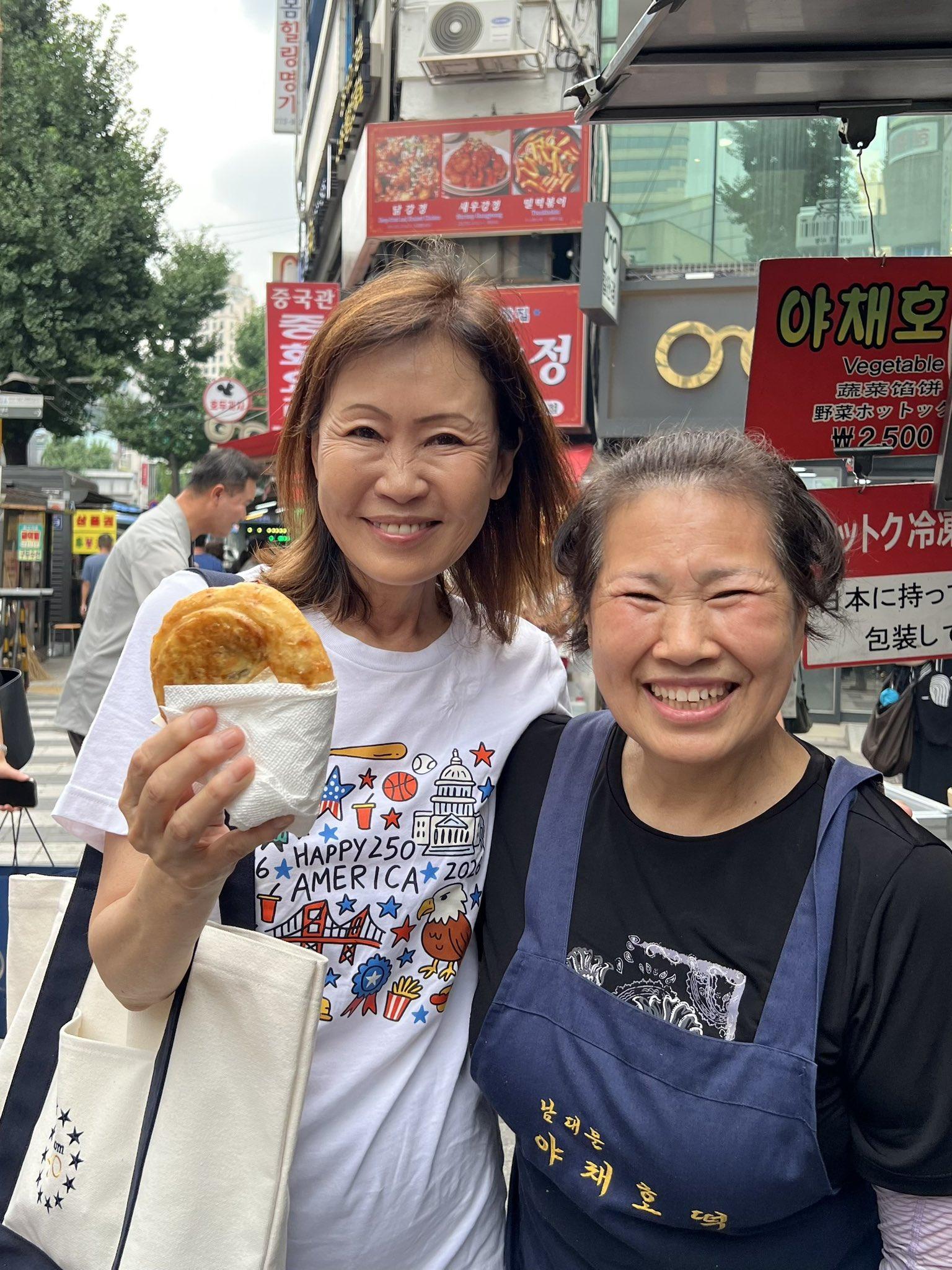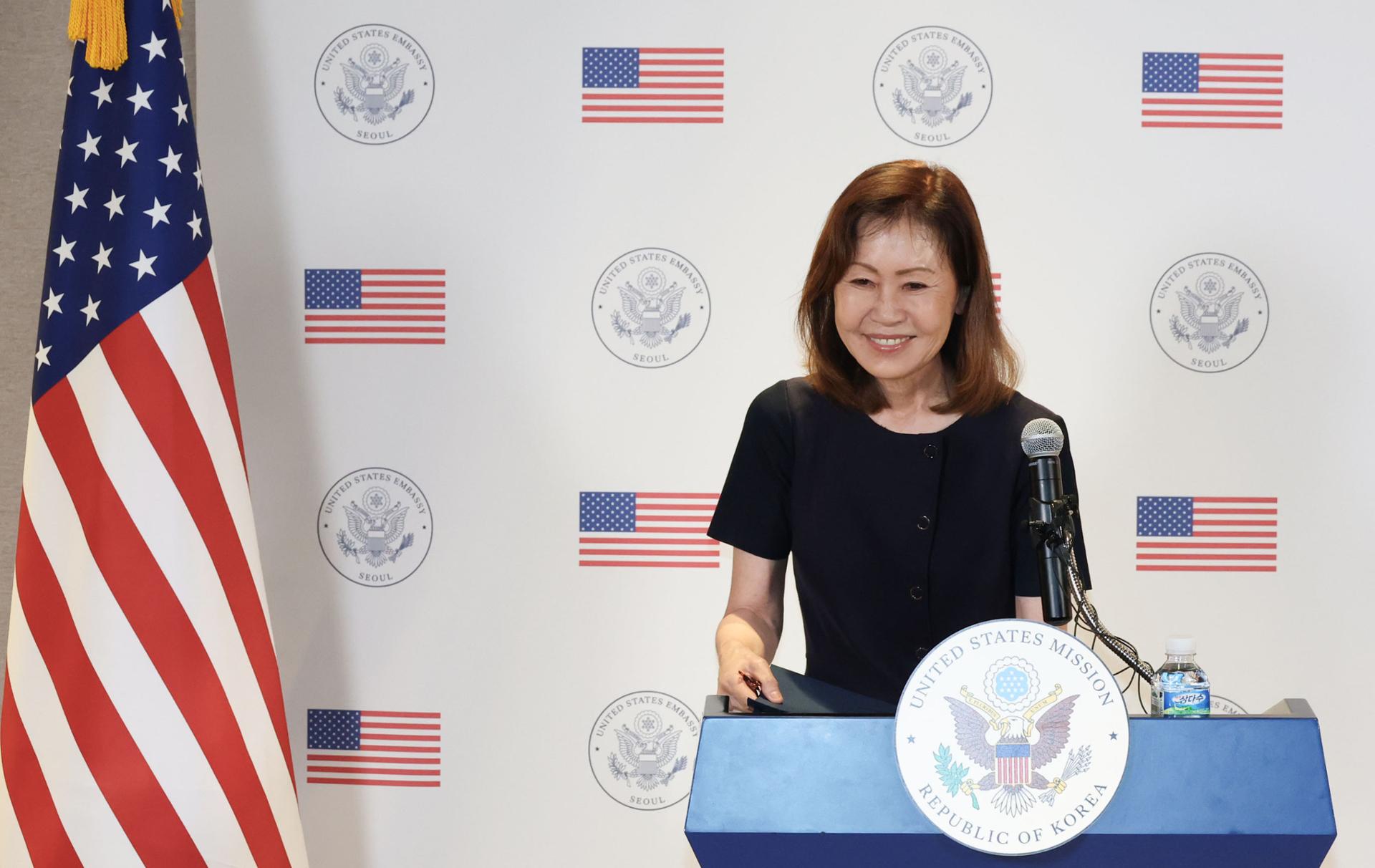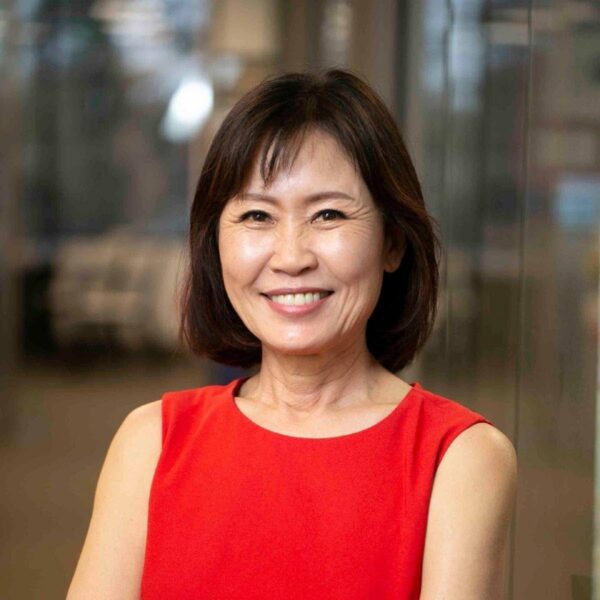
Wang Son-taek After a year and a half without a US ambassador in Seoul, Michelle Steel has arrived to take up the post. Her appointment is especially welcome because the ROK-US alliance is at a pivotal moment.My optimism is not based solely on her distinguished public career. I had the opportunity to meet her briefly in Washington in early 2017 while serving as YTN's Washington correspondent. At the time, she was participating in media events supporting then-presidential candidate Donald Trump, articulating his policy vision to Korean audiences.Even as candidate Trump’s harsh rhetoric on immigration caused concern among Asian nations, she worked thoughtfully to address anxieties within the Korean community and beyond. Although our conversation was brief, she left a lasting impression through her genuine warmth and deep affection for Korea. Those memories make me personally hopeful about her appointment.Her first days in Seoul have reinforced that optimism. Her first message emphasized a “strong, modern and results-oriented alliance,” while her visit to Namdaemun Market conveyed accessibility, sincerity and respect for the Korean people. It was a highly effective start.There are compelling reasons for optimism beyond personal experience. The first is the rare three-year overlap between Steel's expected tenure and the remaining terms of Presidents Lee Jae Myung and Donald Trump.This rare overlap may itself become a strategic asset. Enduring trust between allies requires time. The coming years provide Steel with the necessary time to establish mutual confidence, resolve complex issues and build a lasting legacy together with the Lee administration. Diplomacy often suffers from short political cycles. When political leaders and senior diplomats enjoy a sufficient horizon for cooperation, they can meaningfully shape the long-term direction of bilateral relations. If managed wisely, these next three years could mark a defining chapter in the history of the South Korea-US alliance.The second asset is the remarkable institutional strength of the alliance. For more than 70 years, the alliance has weathered leadership transitions, military crises, economic friction and shifting global dynamics. It remains one of the world's most resilient partnerships because it rests not only on individual political leaders, but on robust institutions: the Mutual Defense Treaty, combined military capabilities, extensive economic cooperation and deep people-to-people ties.Over the past seven decades, Korea has risen from one of the world's poorest countries to one of its most advanced economies, with support from the United States. The relationship with Korea stands among the most successful alliance-building efforts in the history of US foreign policy. Institutional foundations often prove sturdier than temporary political disagreements.The third asset is the growing strategic complementarity between the two nations. The United States leads the world in finance, innovation, higher education and cutting-edge technology ecosystems.Meanwhile, Korea stands as one of the world's most competitive manufacturing powerhouses. America's drive to revitalize advanced manufacturing and Korea's need for global innovation networks are mutually reinforcing. Korea can bolster America's industrial competitiveness, while the United States can help Korea expand its technological and financial reach. This is the kind of mutual benefit Steel highlighted in her inaugural message.These strategic assets, however, should not lead to complacency. They will yield results only if several key challenges are carefully navigated. The first hurdle is Korea's intense domestic political polarization. Certain groups may attempt to draw the new ambassador into partisan controversies, ranging from allegations regarding election integrity to issues surrounding former President Yoon Suk Yeol.Others may seek to frame her through a narrow ideological lens or solely within the context of US-China strategic competition. These controversies stem from Korea's domestic politics rather than the alliance itself. Navigating these complexities will require the ambassador to maintain a neutral stance in domestic political disputes. Rather, the ambassador's role is to serve as a bridge between two governments and two peoples. Maintaining that clarity will preserve both the embassy's credibility and the alliance's standing.The second hurdle concerns economic and trade relations. In her inaugural statement, Steel highlighted the importance of “frank conversations.” There is perhaps no domain where frank dialogue is more essential than investment, trade, industrial cooperation and supply chain resilience. As Korea and the US become more economically interdependent, deeper cooperation will inevitably generate new points of friction. Managing investment commitments, industrial policies and market access requires continuous, honest dialogue. Success will depend not on eliminating differences, but on addressing them pragmatically.The third hurdle is ensuring that the broader alliance is never overshadowed by the interests of individual corporations or specific advocacy groups. Commercial disputes and lobbying activities are natural elements of democratic societies, and businesses have every right to advocate for their interests. Nevertheless, no single corporate dispute should be allowed to define or distort the broader strategic partnership. The ROK-US alliance has endured because it serves vital long-term interests shared by both countries. Those enduring strategic goals must always take precedence over individual corporate controversies.Ambassador Steel framed her vision as building a “strong, modern and results-oriented alliance.” That vision is both realistic and achievable. The two nations already possess extraordinary advantages: a shared three-year timeline, an institutionally rock-solid foundation and powerful strategic complementarity. If both governments leverage these strengths while prudently managing domestic polarization, economic friction and competing interests, the next three years can become a period of remarkable historic progress.Korea would emerge as a stronger global partner, and America would gain an even more powerful ally. Together, they can write the next compelling chapter of one of modern history's most successful alliances. The opportunity is real, but the window is rare and will not remain open forever. Whether it becomes history will depend on the strategic wisdom shown in Seoul and Washington over the next three years. If that happens, Steel may well be remembered as the diplomat who helped guide the alliance through one of its most important periods of renewal.- - -Wang Son-taekWang Son-taek is an adjunct professor at Sogang University. He is a former diplomatic correspondent at YTN and a former research associate at Yeosijae. The views expressed here are the writer’s own. — Ed.
[Wang Son-taek] A three-year window for the ROK-US alliance
After a year and a half without a US ambassador in Seoul, Michelle Steel has arrived to take up the post. Her appointment is especially welcome because the ROK-
993 words~5 min read