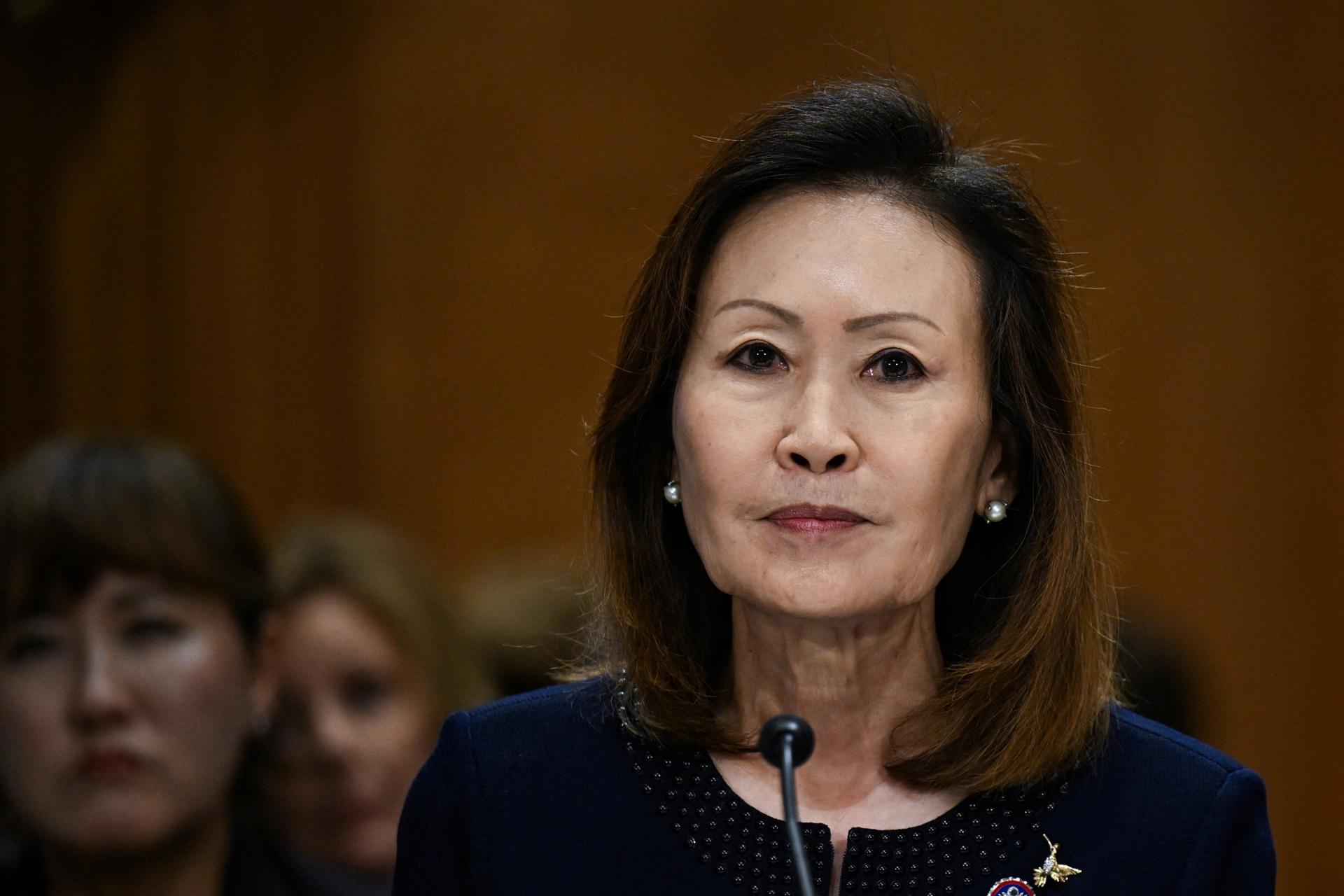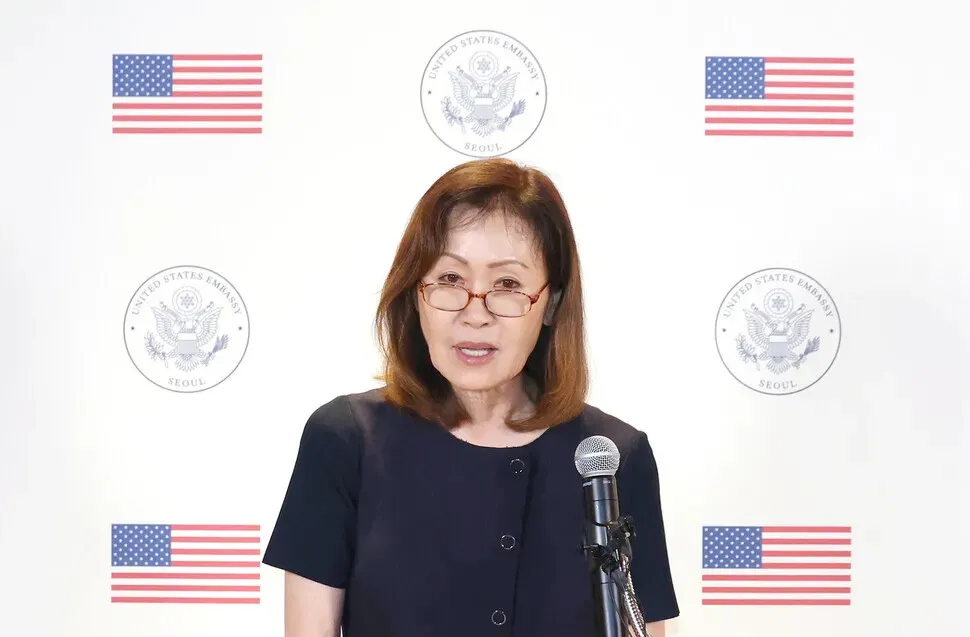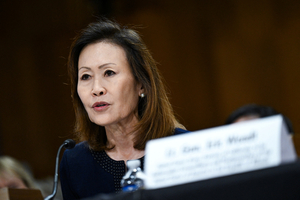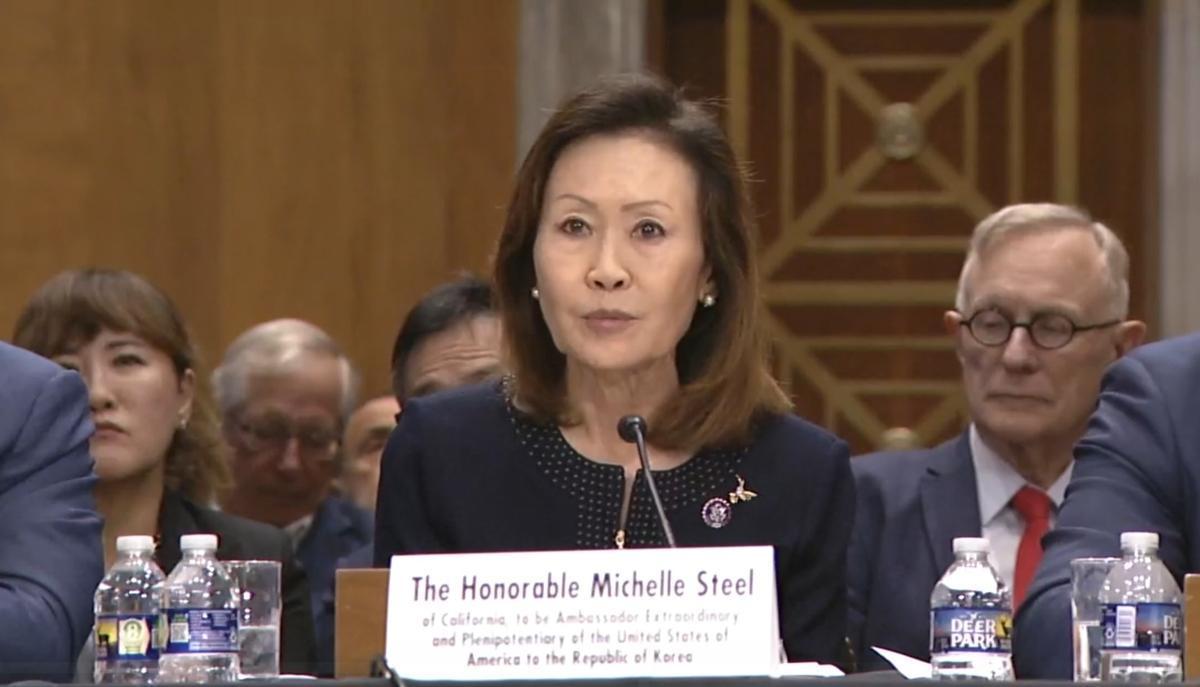
For nearly 18 months, one of Washington’s most important embassies operated without a Senate-confirmed ambassador. With the confirmation of former Republican congresswoman Michelle Steel, the United States finally has an ambassador to South Korea.
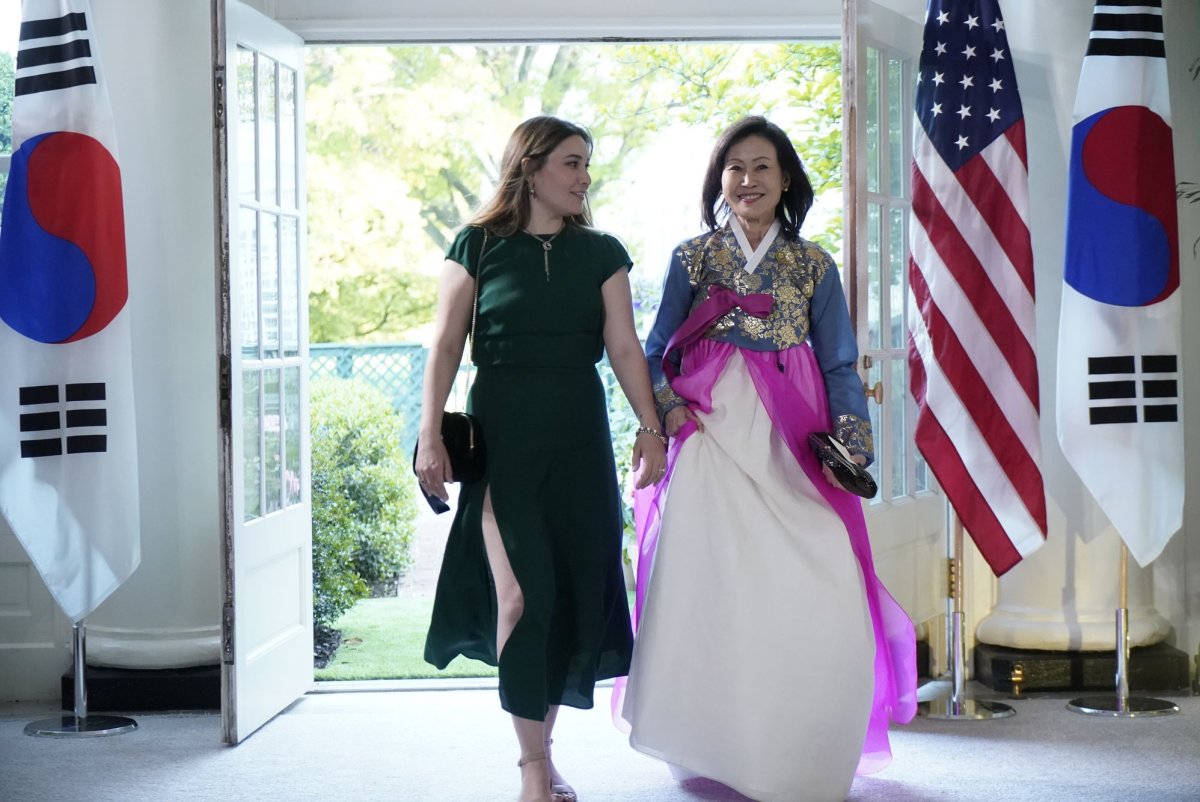
Her arrival in Seoul carries considerable symbolic significance. As a Korean American, Steel reflects the deep human ties that have long complemented the military and strategic foundations of the South Korea-U.S. alliance. But symbolism can be both an asset and a liability.
Steel’s appointment comes at a moment when political polarization has become a defining feature of both U.S. and South Korean politics. Unlike many of her predecessors, she comes to her ambassador post not as a career diplomat but as a politician whose public profile was shaped by electoral combat. Of course, many successful ambassadors have come from politics rather than diplomacy. Yet Steel faces political risks that previous U.S. envoys to Seoul encountered only to a limited degree. Ironically, some of those risks arise from the very qualities that make her appointment historically significant.
Steel is not the first Korean American to represent Washington in Seoul. Sung Kim, who served as ambassador from 2011 to 2014, also brought cultural familiarity and personal ties to the position. Yet Kim’s tenure unfolded in a very different political environment. He operated during a period when neither the United States nor South Korea had yet become consumed by the ideological polarization that increasingly shapes both societies today. Kim’s heritage primarily served as a bridge. Steel may find that the same ethnic identity carries different expectations.