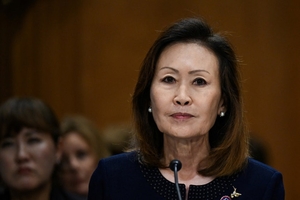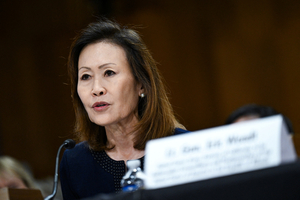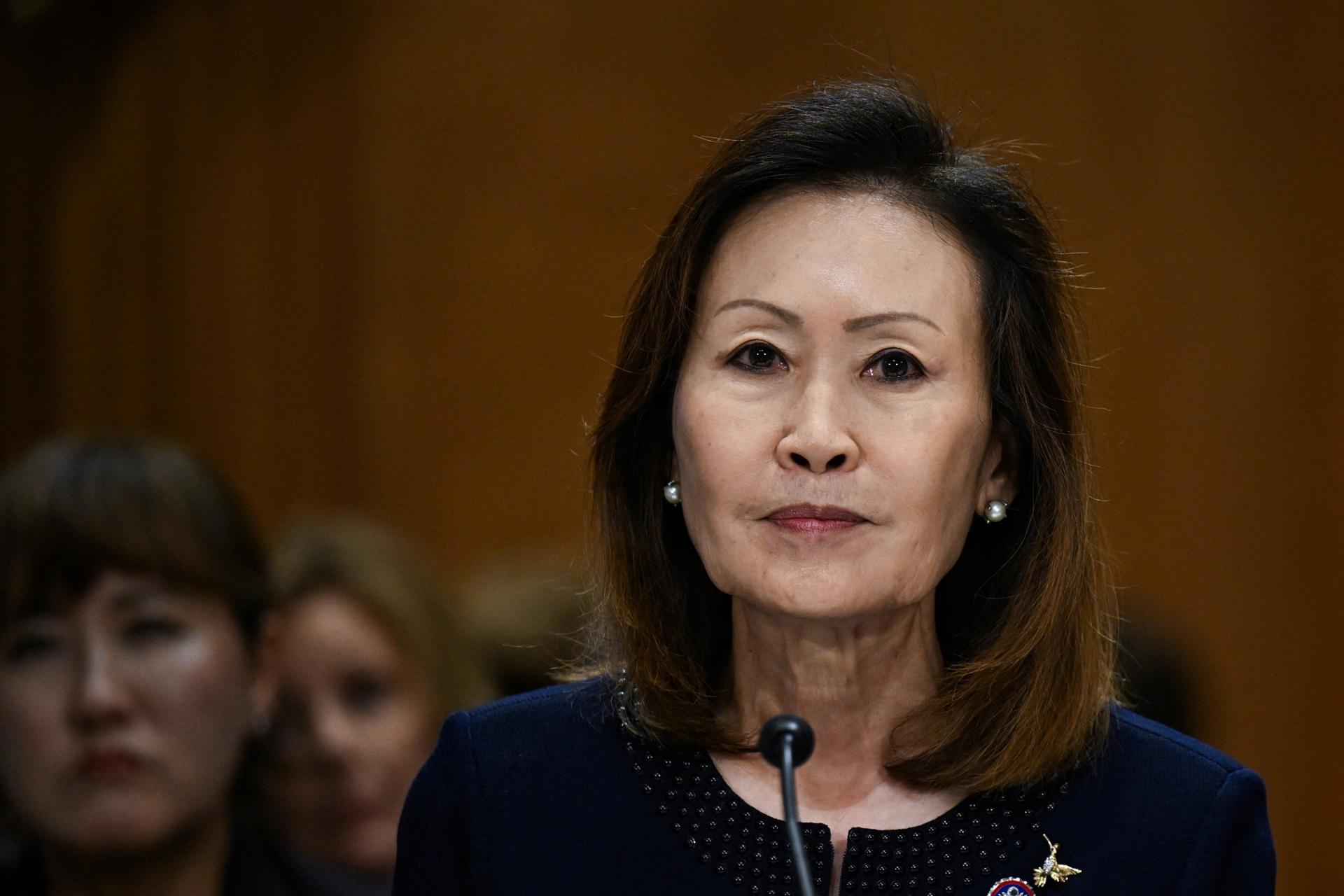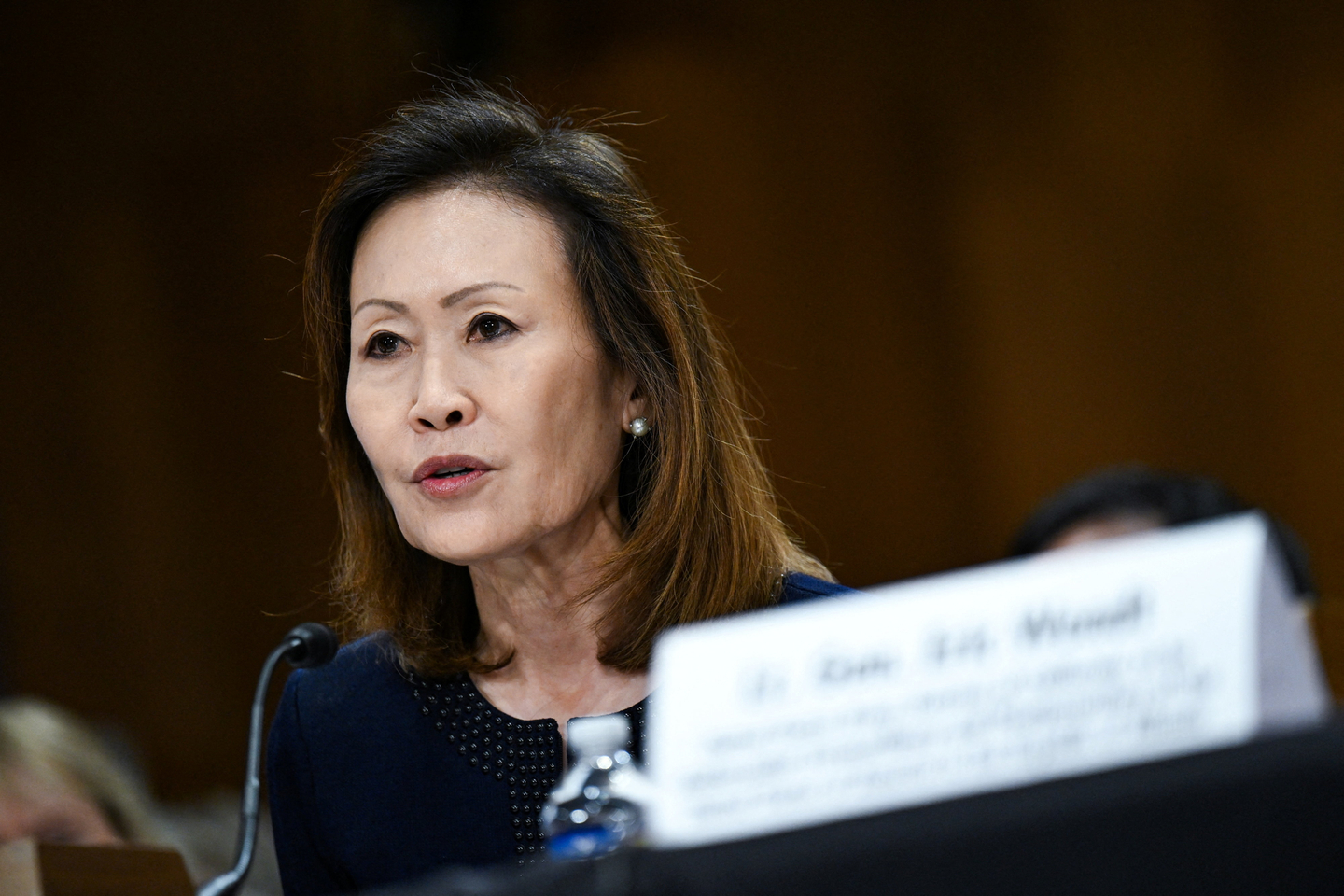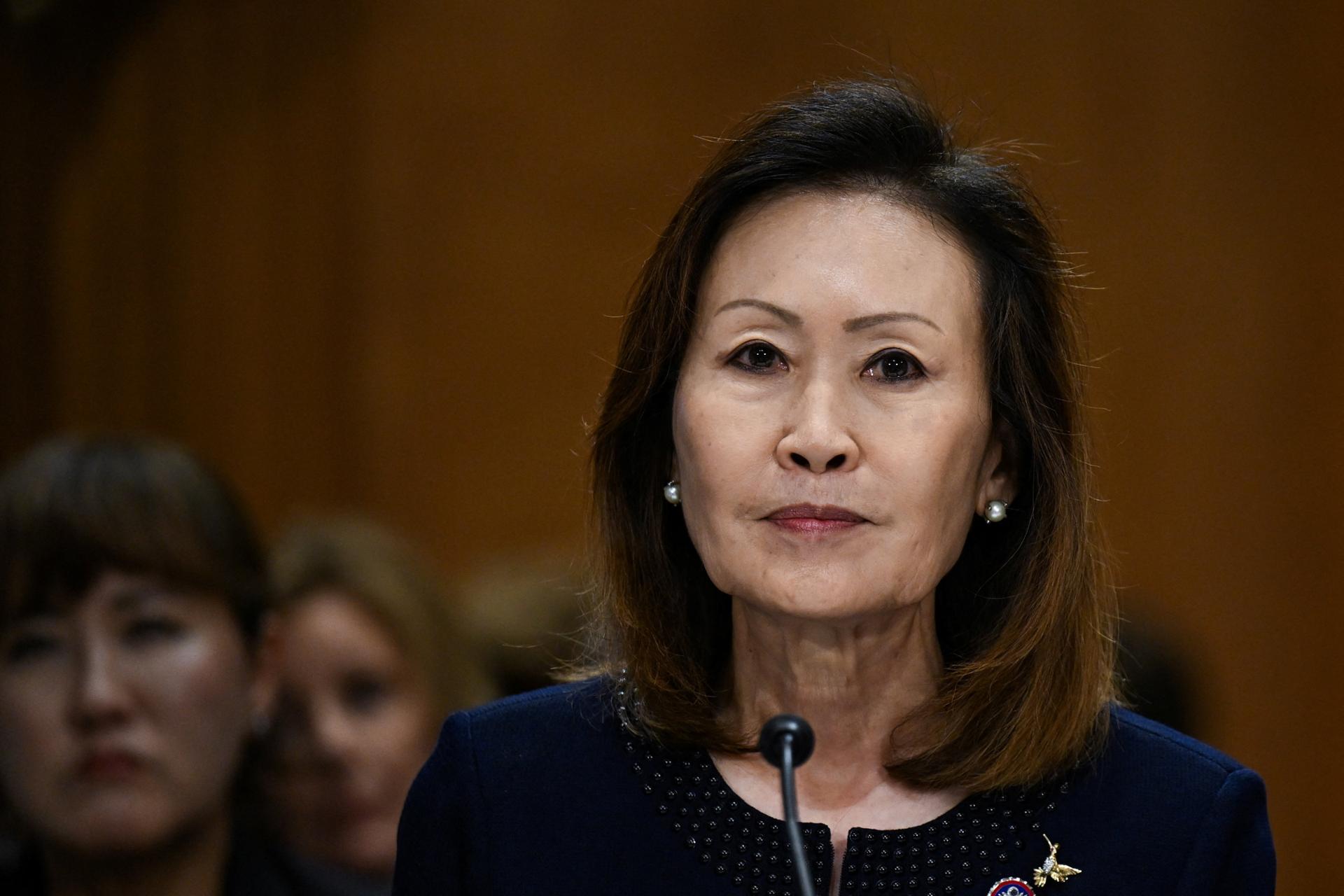
Michelle Steel testifies during a Senate Foreign Relations Committee confirmation hearing on her nomination to be US ambassador to South Korea on Capitol Hill in Washington on May 20, 2026. (Reuters) The nomination of Michelle Steel, President Donald Trump's pick for US ambassador to South Korea, cleared a Senate committee, leaving only a full Senate vote before she can take up the post in Seoul.The Senate Foreign Relations Committee voted 14-8 to advance Steel's nomination on Thursday, around two months after Trump nominated the former two-term Republican congresswoman from California on April 13.If confirmed by the full Senate and formally appointed, Steel would fill a diplomatic post that has remained vacant since former Ambassador Philip Goldberg, a Biden appointee, departed Seoul in January 2025, shortly before Trump began his second term.Steel's confirmation would also make her only the second Korean American to serve as US ambassador to South Korea, following former Ambassador Sung Kim.During her confirmation hearing in May, Steel said she would work to ensure that US companies in Korea "get equal treatment."Steel also signaled that she would seek clarification regarding Seoul's US investment pledge outlined in the Joint Fact Sheet, saying the "joint fact sheet is not really clear about that $350 billion."Pointing to the suffering of people in North Korea, Steel also stressed the importance of maintaining a "strong alliance" between South Korea, the United States and Japan.Steel has been a vocal advocate for North Korean human rights, largely based on the personal experience of her parents, who fled North Korea after the 1950-53 Korean War before moving to the US. That background has also shaped her hard-line stance on North Korea and China.During the 2022 election campaign, Steel said, "My parents fled North Korea. They lost everything to socialism, but had the opportunity to build a better life in America.""I understand the threat that socialism is to the American Dream. That is why I'm fighting in Congress to protect our freedoms and save it!"Born in Seoul in 1955, Steel immigrated to the United States with her family in 1975. She has often cited the 1992 Los Angeles riots as a turning point that heightened her interest in politics and underscored the need for greater Korean American political representation.Steel began her political career in California, serving as an elected member of the state's Board of Equalization and later as an Orange County supervisor. She was elected to the US House of Representatives in 2020 and served two terms representing California's 48th and 45th Congressional Districts.Her congressional career ended after a razor-thin defeat in the November 2024 election, when she lost by roughly 600 votes.Trump publicly endorsed Steel during that campaign, describing her as one of the nation's "strongest Congresswomen" in a social media post issued shortly before Election Day.Steel earned a Bachelor of Science in Business Administration from Pepperdine University and an Executive Master of Business Administration from the University of Southern California. She was born in Seoul, raised in Japan and is trilingual, including fluency in Korean and Japanese.
Michelle Steel clears Senate panel for Seoul envoy post vacant for 1.5 years
The nomination of Michelle Steel, President Donald Trump's pick for US ambassador to South Korea, cleared a Senate committee, leaving only a full Senate vote be
504 words~2 min read