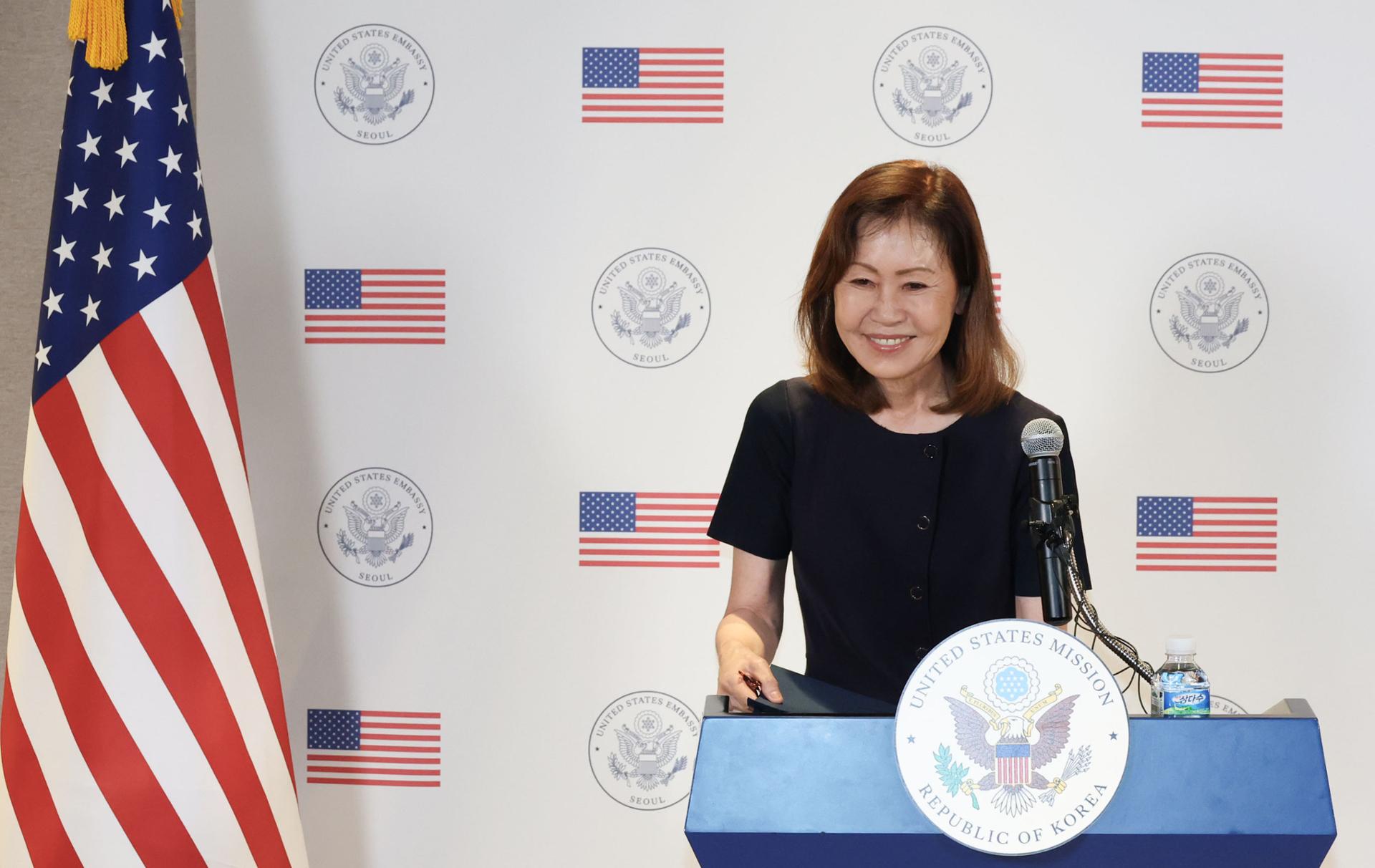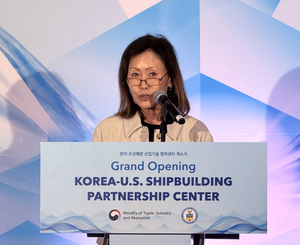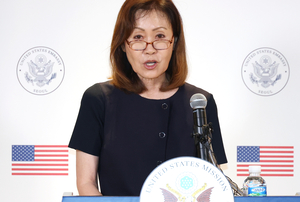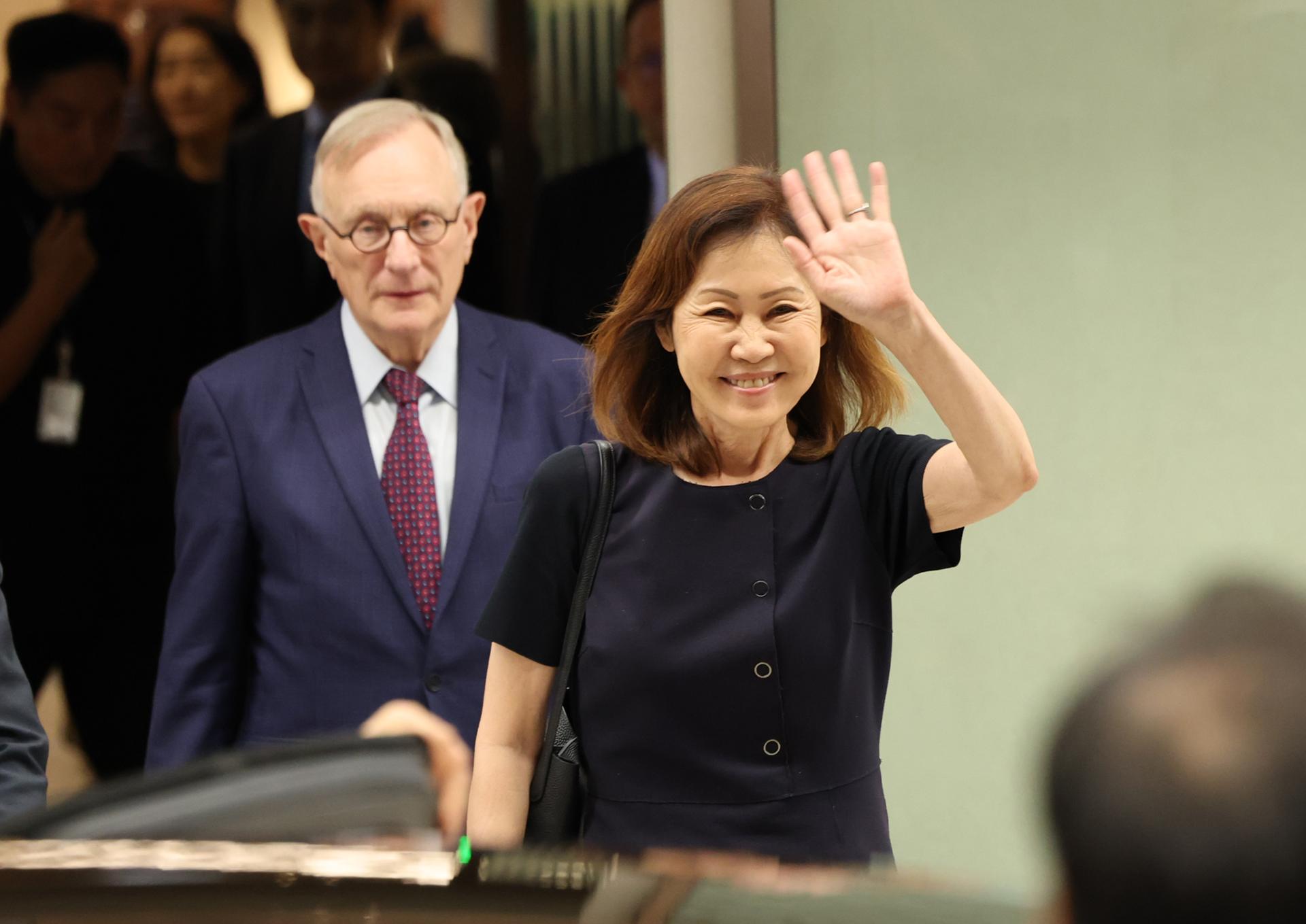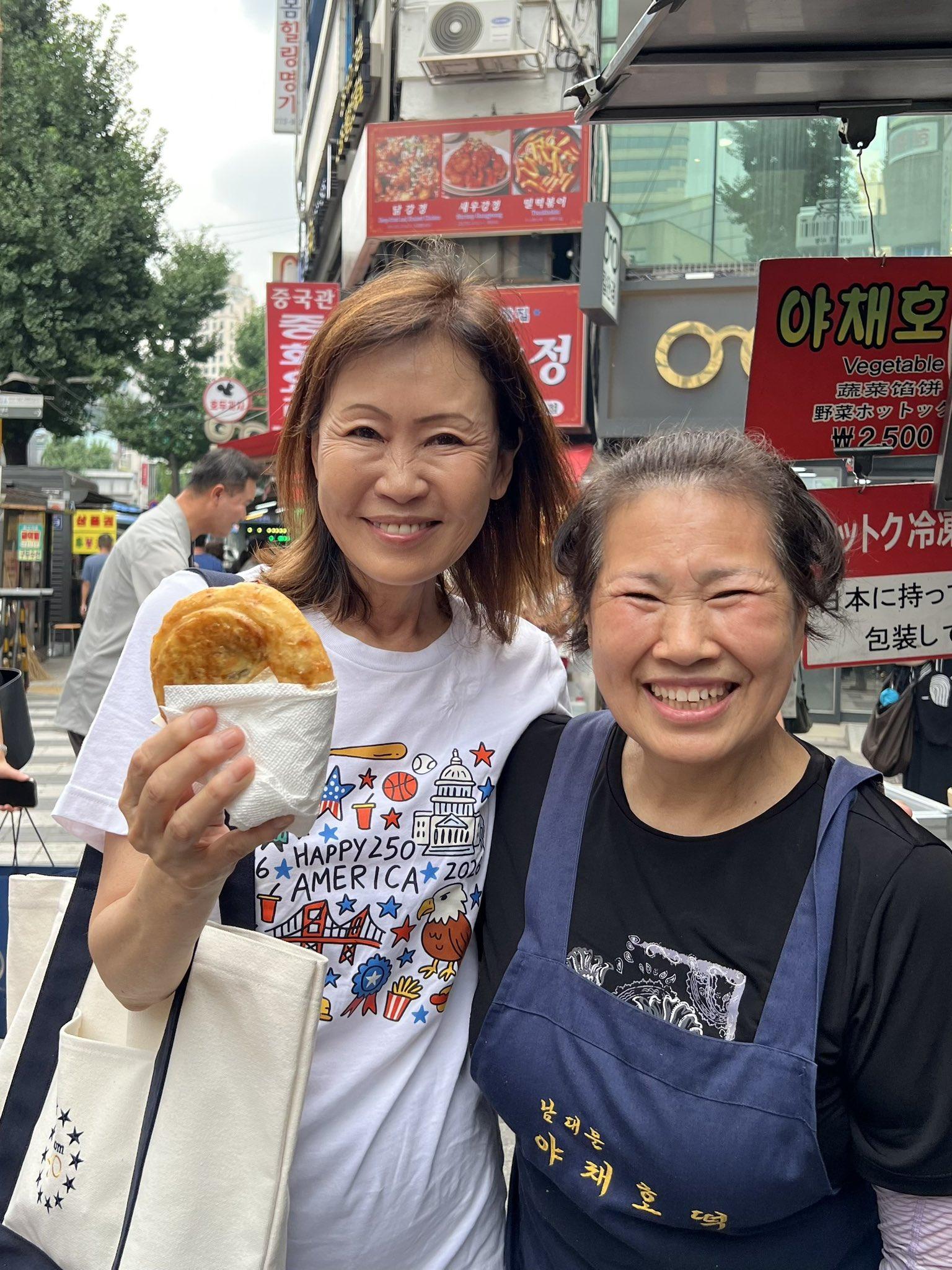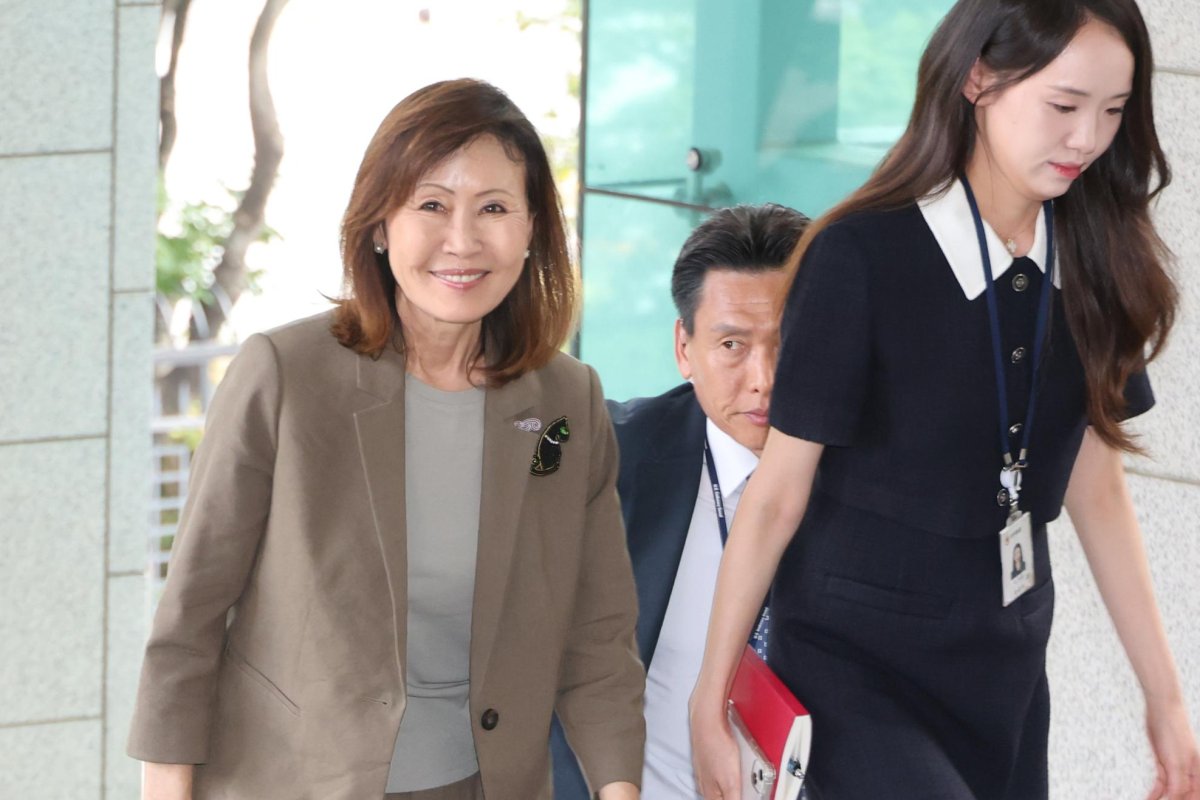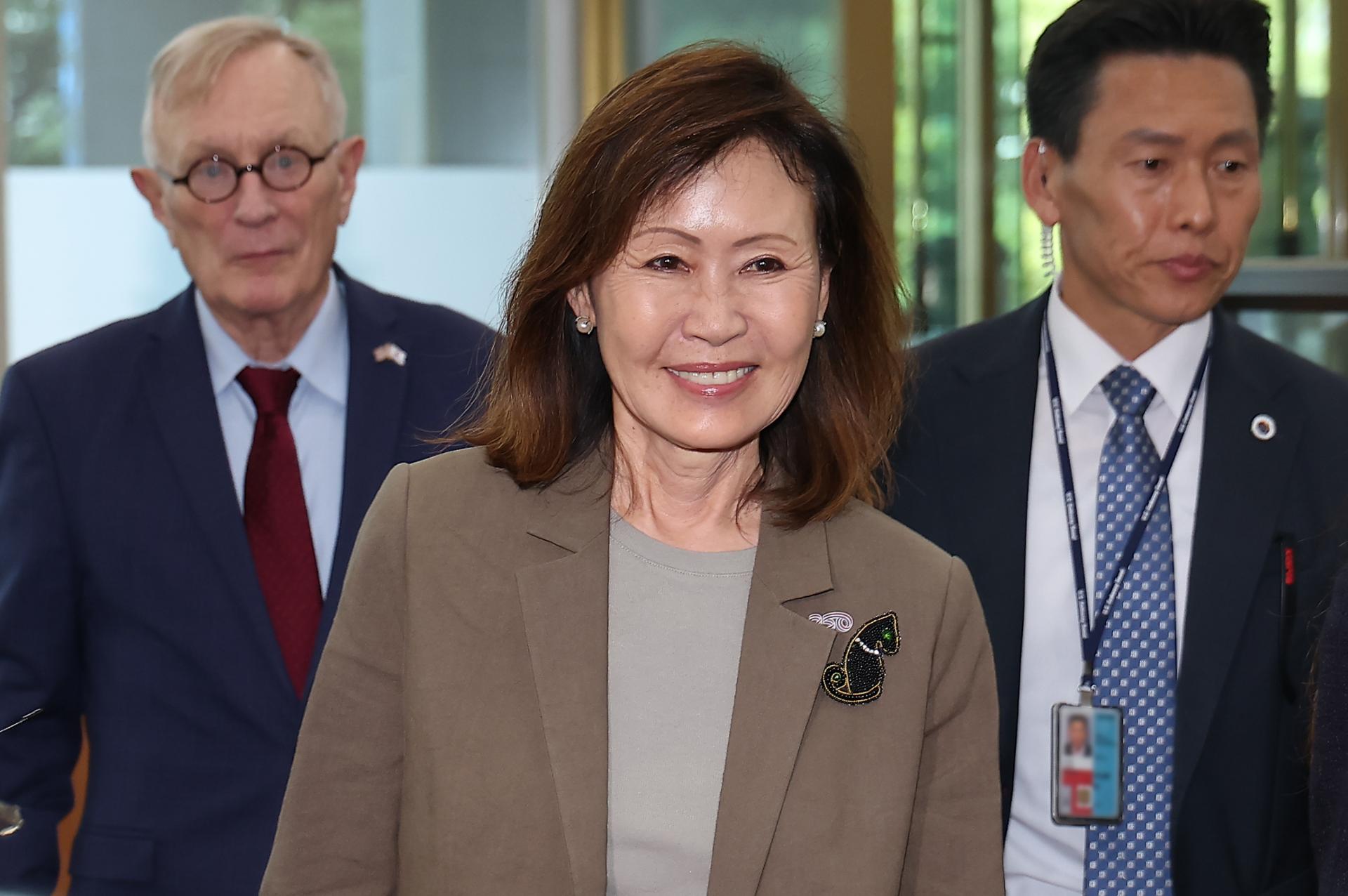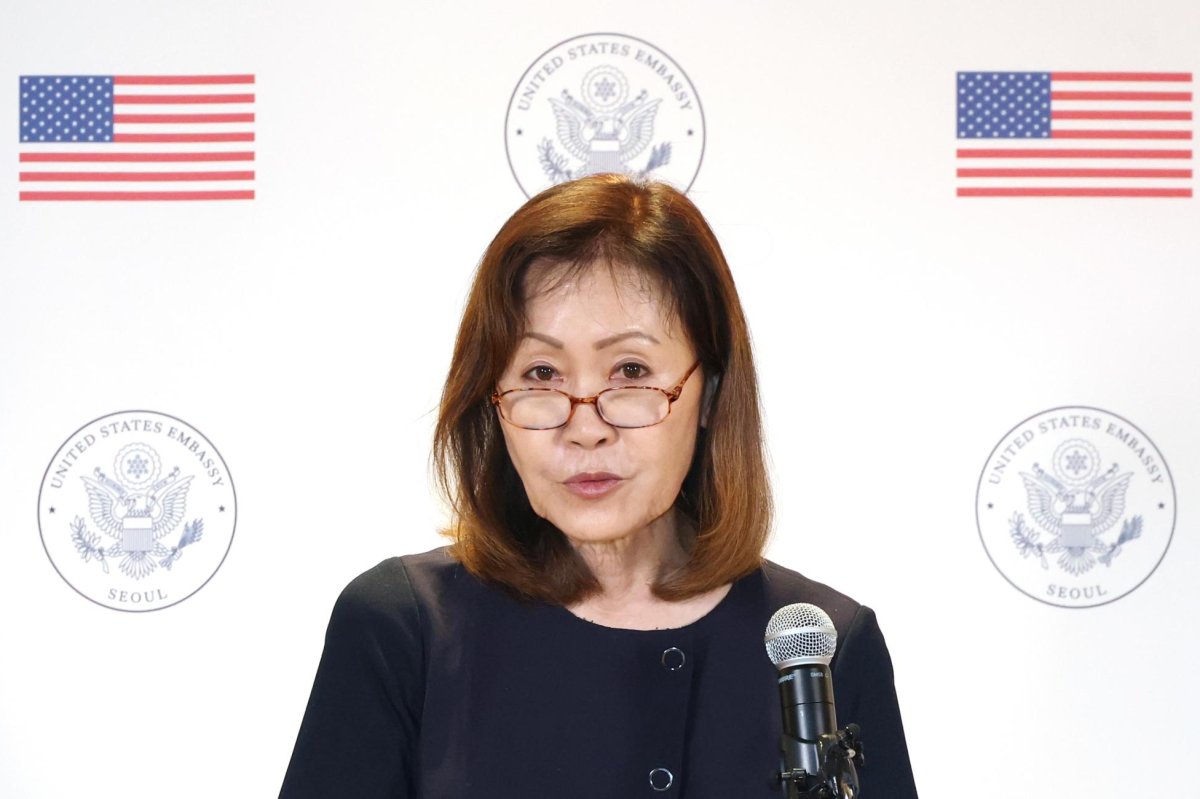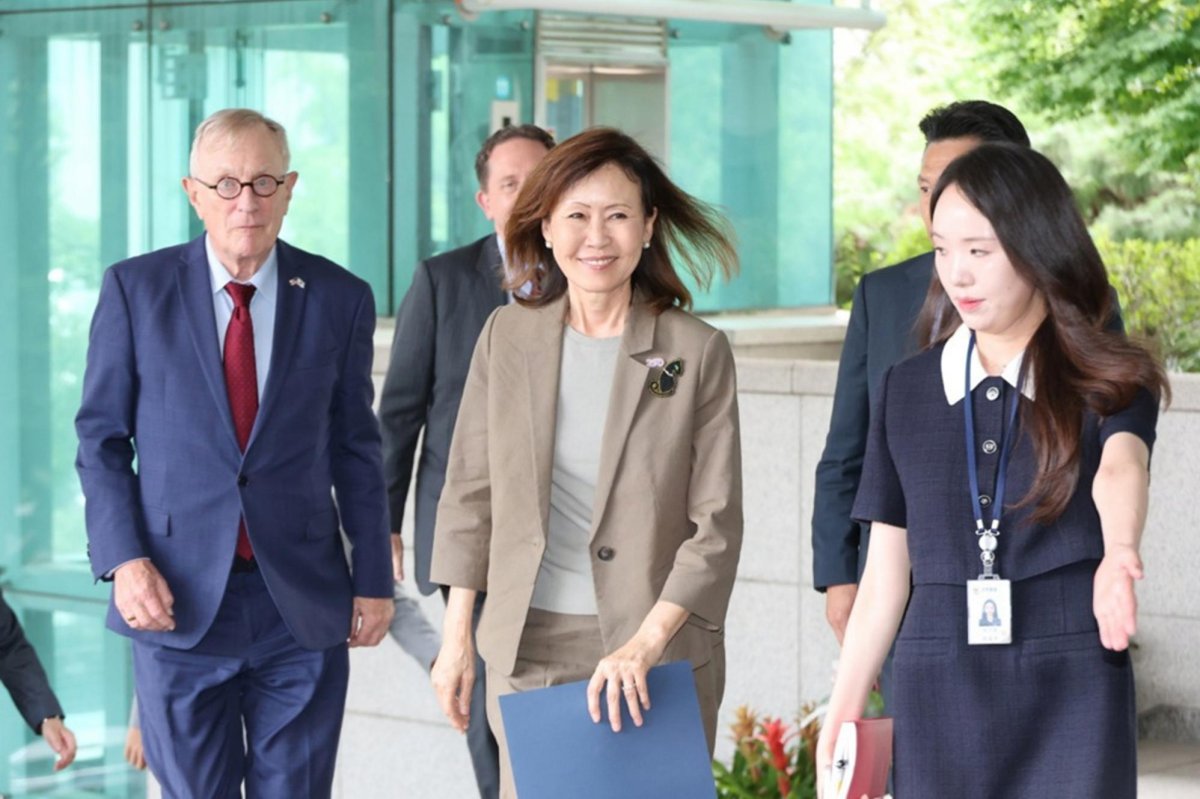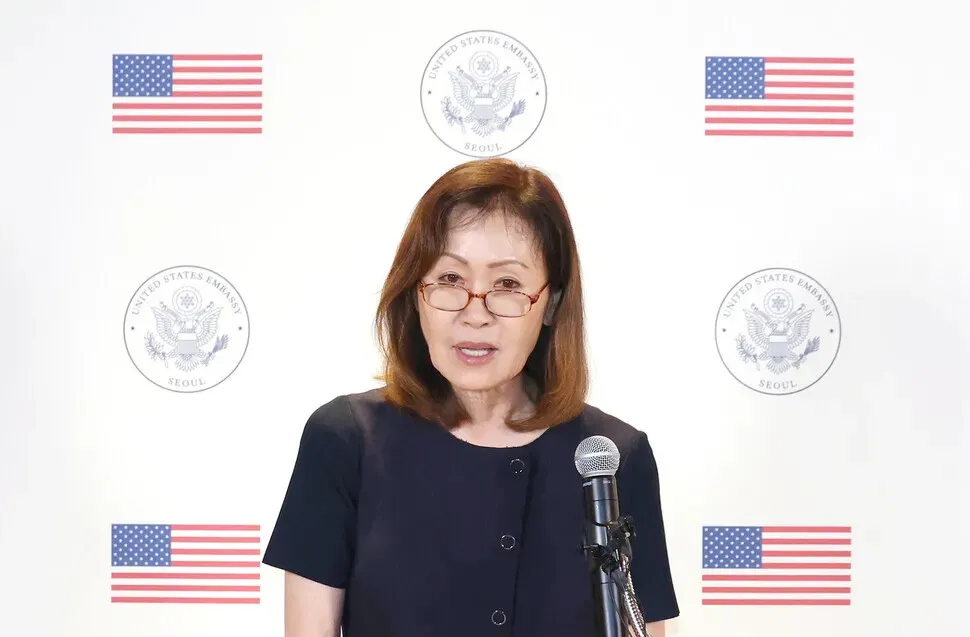
US Ambassador to South Korea Michelle Steel makes a statement upon her arrival at Incheon International Airport on July 30, 2026. (Yonhap)
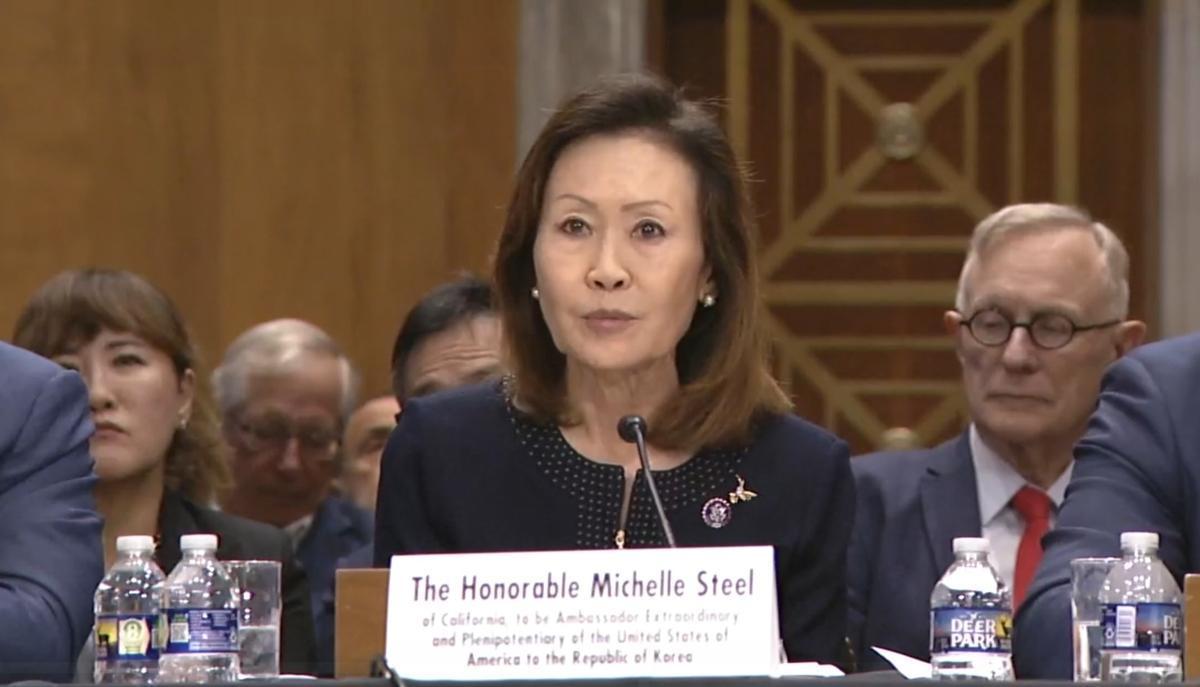
After an 18-month vacancy following Donald Trump’s return to the White House, Michelle Steel has finally filled the position of US ambassador to Korea. Though she is the second Korean American envoy to Seoul after Sung Kim, who served from 2011-14, Koreans have mixed feelings about Steel given her hardline right-wing bent.If she associates with Korea’s far right and clashes with the Korean government, as she did during her time as a member of the US Congress, she runs the risk of provoking severe misunderstanding of interfering in her host country’s internal affairs. We hope that Steel dedicates herself solely to her fundamental duties as a diplomat representing the US and its interests.“I look forward to working with the Republic of Korea to ensure that our ironclad alliance remains the linchpin of peace and security in the region,” Steel said Thursday afternoon after arriving at Incheon International Airport to take office, naming reinforcing the bilateral alliance as her top priority as the first US ambassador to South Korea of the Trump 2.0 era. Ministry of Foreign Affairs spokesperson Park Il on the same day said that Seoul expects “meaningful contributions” from the ambassador regarding “reinforcing bilateral relations and promoting friendship between the peoples of both countries.”Born in Seoul in 1955 to parents originally from North Korea, Steel immigrated to the US in 1975, obtained American citizenship, and was elected to the House of Representatives in 2020, where she served two terms. She is known for her ability to communicate with US President Donald Trump, and her husband is a member of the Republican National Committee.As a first-generation immigrant with a deep understanding of Korean affairs, the ambassador can explain complex bilateral issues to Trump. In this sense, she may be seen as a qualified candidate to help boost the alliance. Yet Steel holds hostile views toward North Korea and China with the support of Korean American conservatives in the US and is said to have consorted with the far right in South Korea.After news of Steel’s appointment broke in April, far-right domestic YouTuber Jeon Han-gil called the ambassador a “supporter of former President Yoon Suk-yeol” with “views exactly the same as ours.” This could foreshadow friction in communication with the Lee administration, which has a vastly different political slant.Seoul-Washington ties are strained due to complex pending issues such as the controversy over regulation of the e-commerce site Coupang, which is based in the US but makes the lion’s share of its revenue in Korea. Objectively speaking, we should not expect Steel, who represents US interests, to offer special assistance to the country. But if, as the US ambassador, she frequently interacts with far-right figures in Korea, she could send the wrong message that the US and Trump support their cause — a potential that is absolutely unacceptable for the sake of the bilateral alliance.Please direct questions or comments to [english@hani.co.kr]