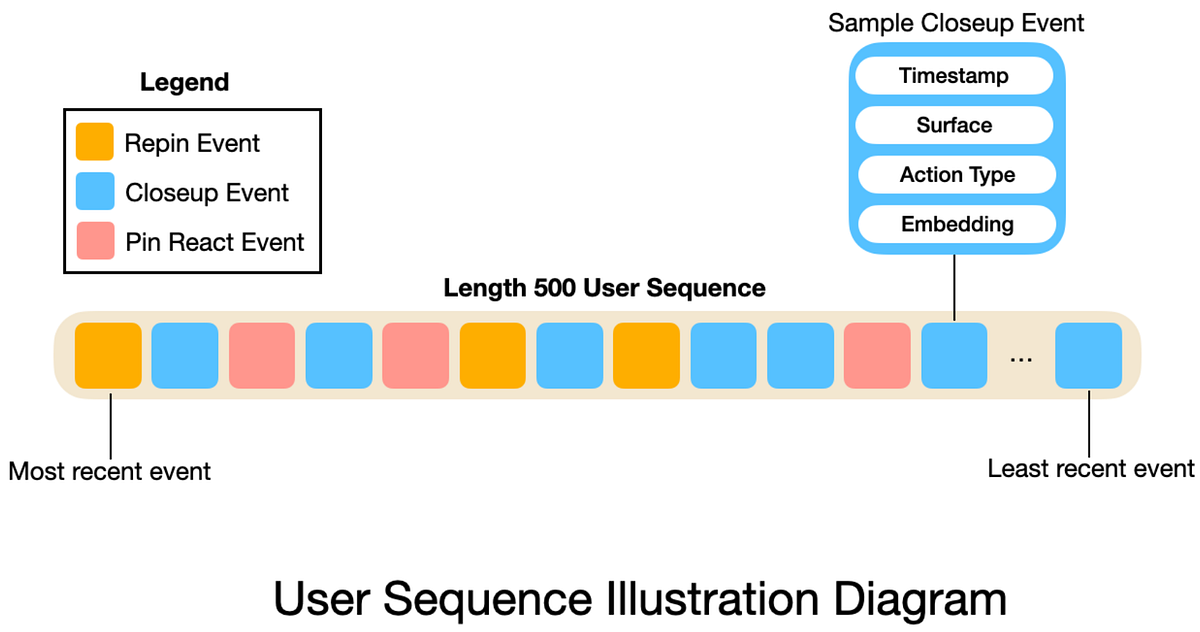
Every day, Meta’s recommendation platforms handle billions of user interactions, generating rich temporal signals that capture individual preferences and intent across products, ads, and content. In our 2024 post on sequence learning for ads recommendations, we showed how modeling the order and timing of user actions (rather than relying on static, manually engineered sparse features) produces richer, sequence-aware representations of user interests and ad preferences.
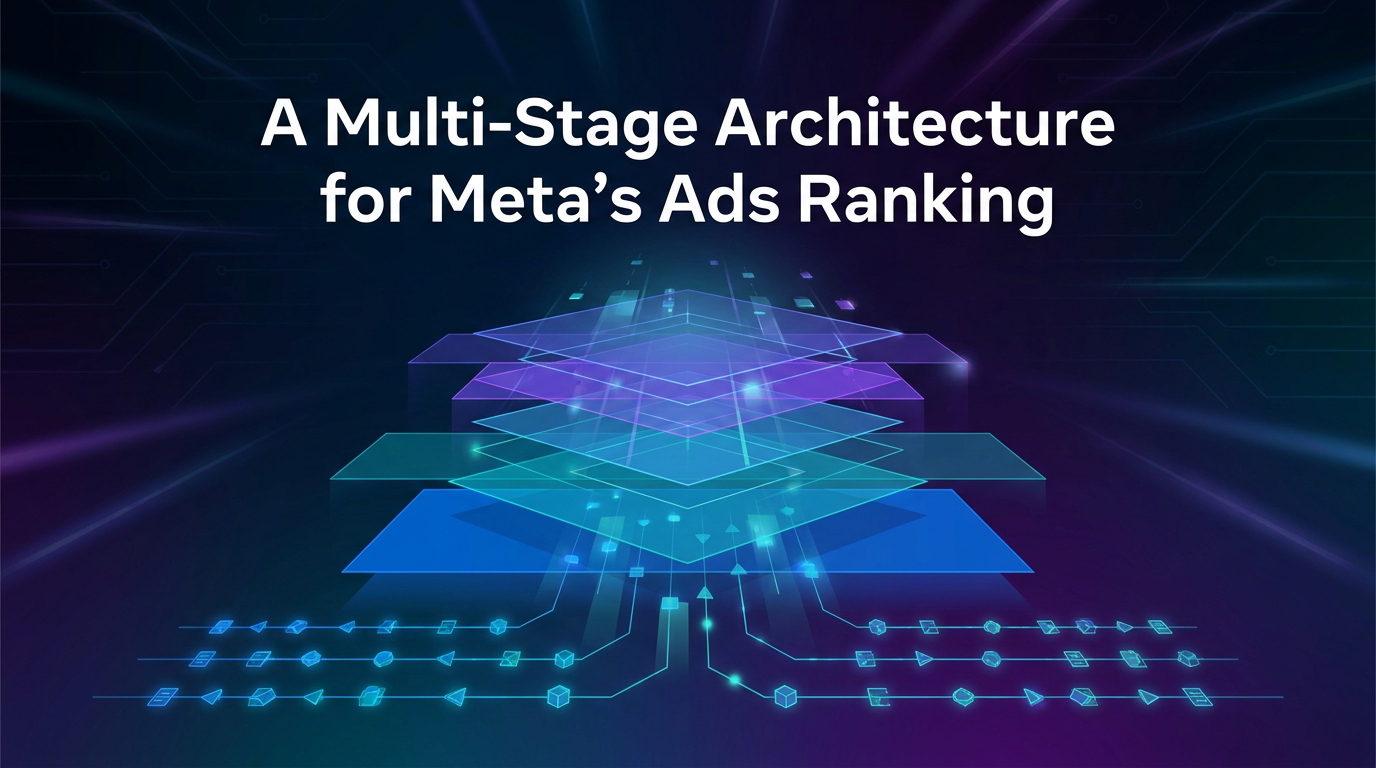
This post goes a step further, introducing two architectural breakthroughs that let us scale sequence learning advancements from foundational innovations into a production platform with predictable, LLM-style scaling laws: (1) a multi-stage sequence model that decouples heavy offline user modeling from lightweight online ranking tasks and (2) a learning technique based on dense tokenization and target-aware attention that efficiently learns feature interactions directly from data.
Together with our broader model innovations, these advancements have contributed to a cumulative lift of 6% in conversions on Instagram, 3% in conversions on Facebook and 3.5% in ad clicks on Facebook. This unified platform for sequence modeling is a core component of Meta’s Generative Ads Recommendation Model (GEM), helps to harness the comprehensive user behavioral understanding of this learning paradigm to maximize the benefit to advertisers.