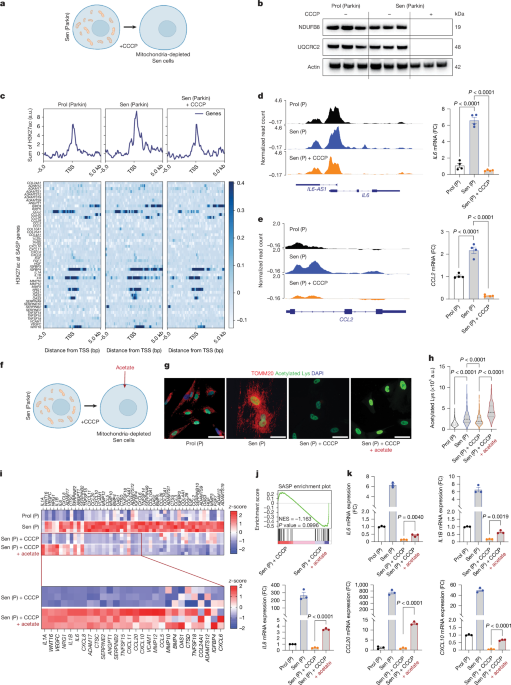
Cells become senescent throughout life, because of stress or damage or reaching the Hayflick limit on replication, but senescent cells only begin to accumulate with age. When a cell becomes senescent, it grows in size, ceases to replicate, and turns its energies to creating signals promoting inflammation and growth. The immune system is responsible for destroying senescent cells after they have served their purpose, which is usually to attract the attention of immune cells to locations where they are needed to prevent or repair issues. While clearance of senescent cells is efficient in young people, it becomes much less efficient with age, allowing a population of lingering senescent cells to grow over time in tissues throughout the body. The pro-growth, pro-inflammatory signals that are helpful in the short term become harmful when sustained over the long term, disruptive to tissue structure and function and helping to promote the damaging state of chronic inflammation that is characteristic of later life.
Senolytic therapies to selectively destroy senescent cells exist, such as the dasatinib and quercetin combination, but are not widely used, conclusive clinical trial data has not yet been generated, because these are low cost drugs and supplements. No-one can make enough money from them to justify investment in large clinical trials. Meanwhile many companies are working to develop novel, patent-protected senolytic therapies that will be able attract sufficient funding for conclusive clinical trials, and those will be the (much more expensive) drugs that make their way into widespread use. This is the way that modern regulated medicine works.