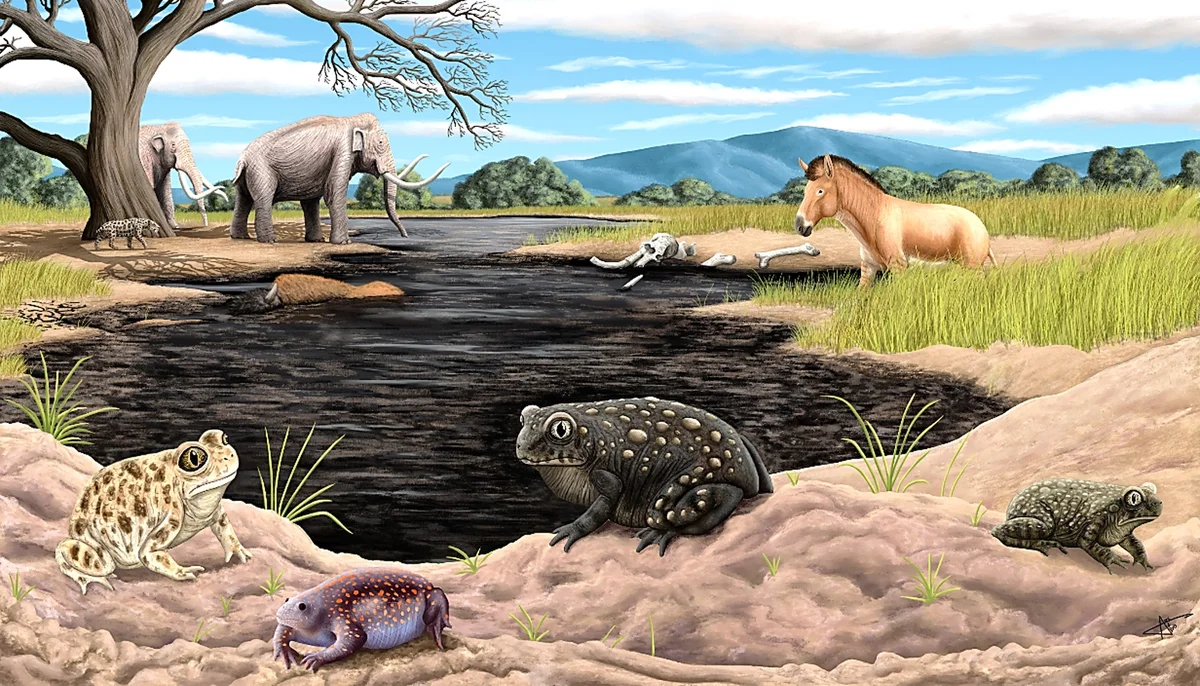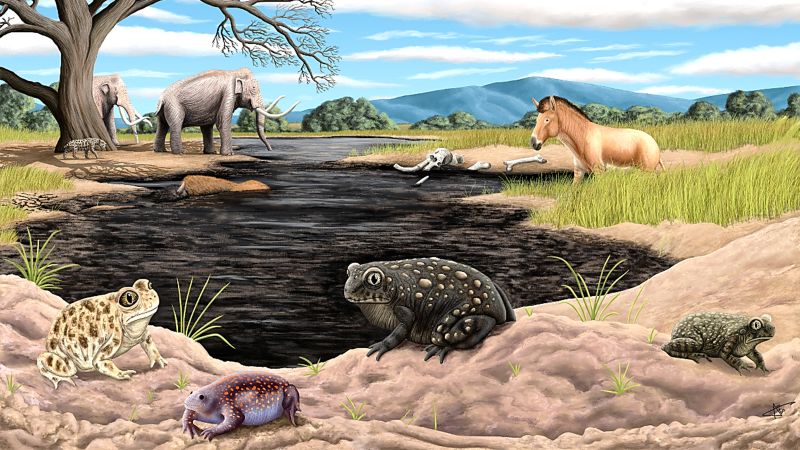
In the heart of urban Los Angeles lie the La Brea Tar Pits, a group of natural asphalt seeps made famous by the millions of ice age fossils preserved within the bubbling, dark pools of goo.
Excavations of the pits have yielded bones of species that once roamed the area tens of thousands of years ago, including giant mammoths, mastodons, saber-toothed tigers and dire wolves.
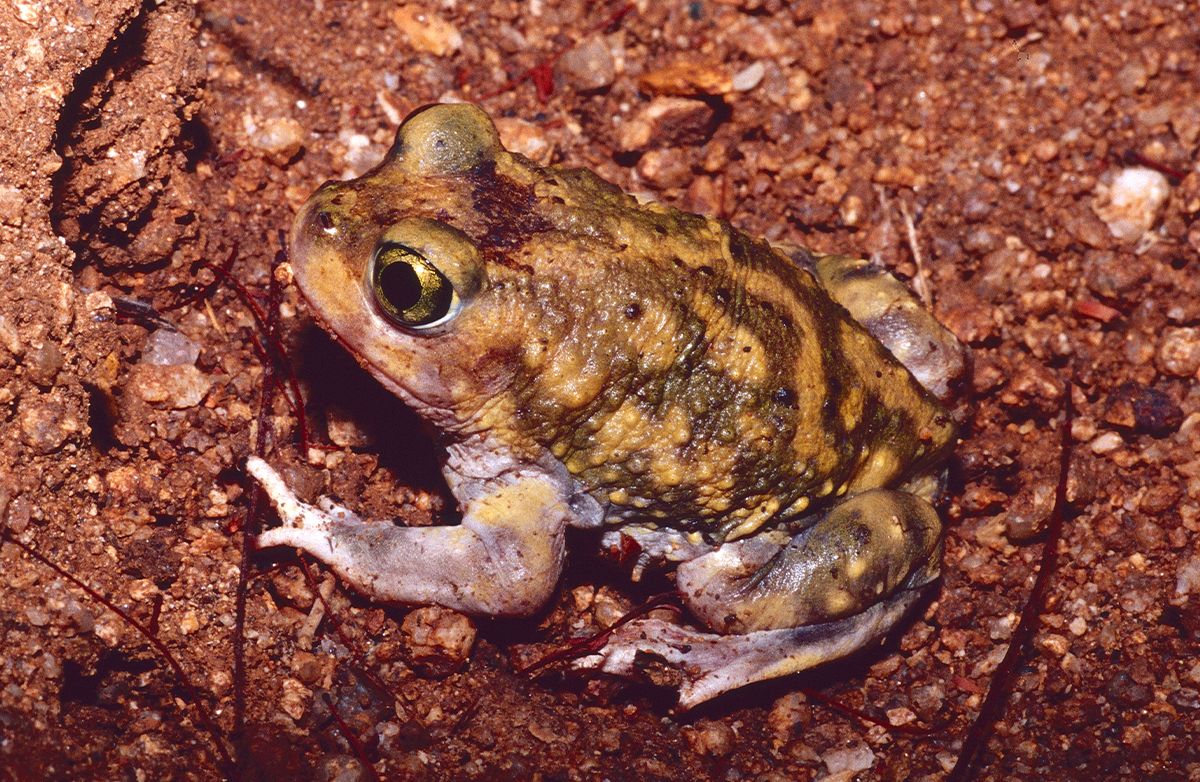
But large mammals aren’t the only window into history that the asphalt has provided. Now, scientists have discovered the first extinct ice age amphibian from Los Angeles, a spadefoot toad named after the tar pits: Spea labreae. The findings are reported in a study published Wednesday in the Journal of Vertebrate Paleontology.
The newly discovered toad is only the second extinct Pleistocene (2.58 million to 11,700 years ago) amphibian from North America to ever be found, according to the study’s authors.
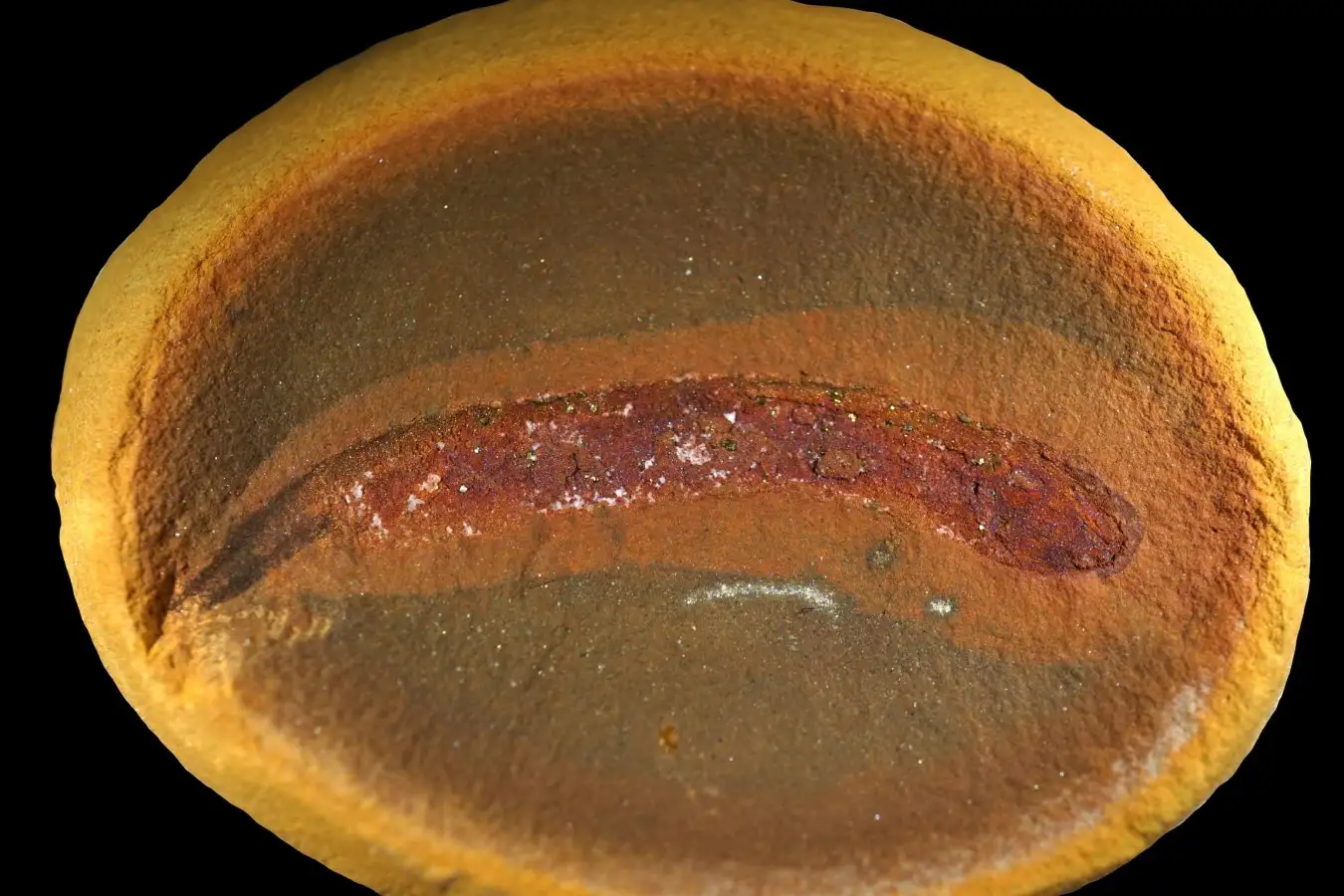
Researchers with the La Brea Tar Pits uncovered two distinct fossils — both fragments of the sacro-urostyle, an amphibian body part that connects the lower spine to the hips — from the spadefoot toad that were hidden in plain sight in a collection of specimens excavated in 1929. Because smaller bones typically receive less attention than those from larger animals, the fossils remained unstudied until 2023, when lead study author Dr. J. Alberto Cruz began to sift through the collection. He was not expecting to find a new species, he said.