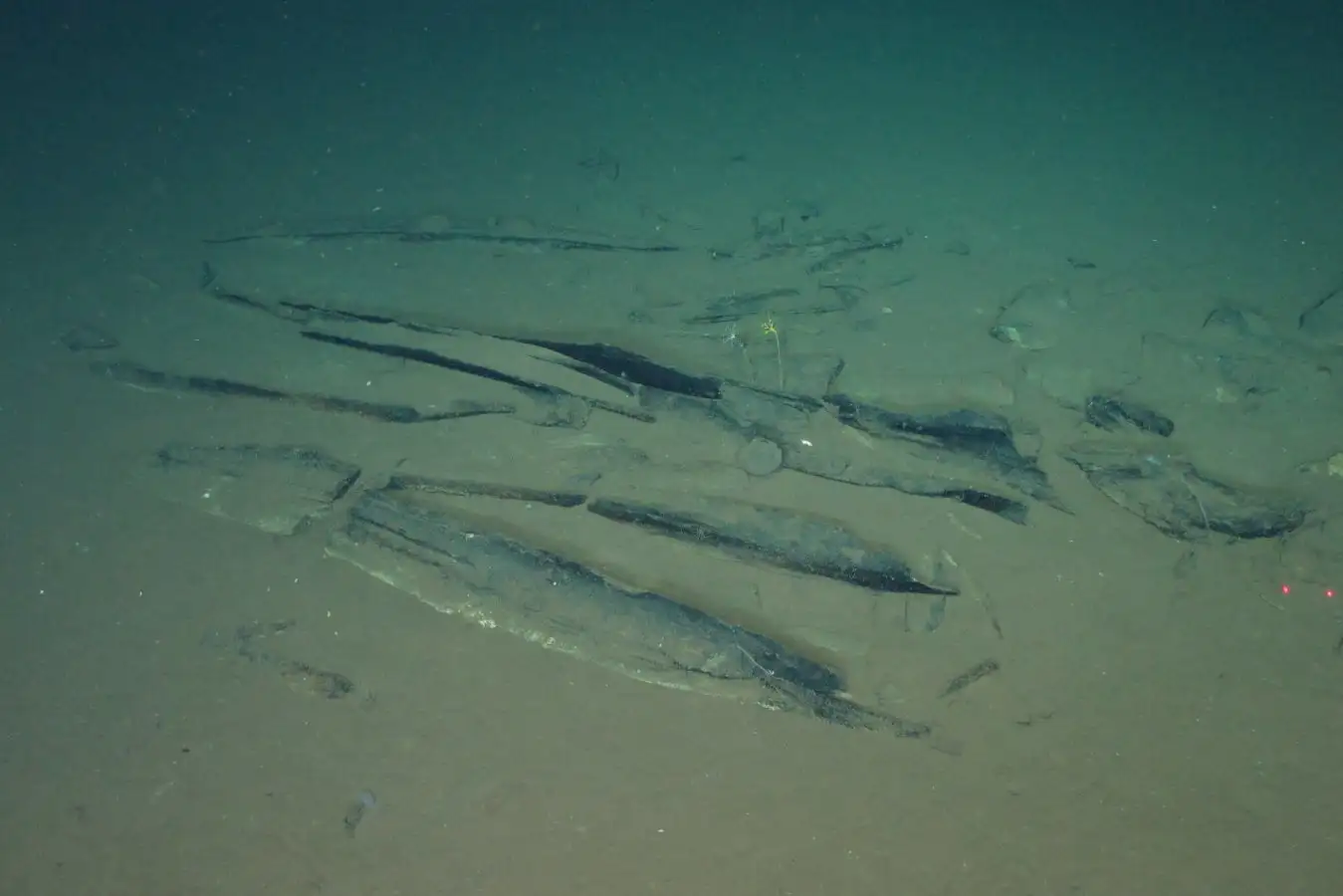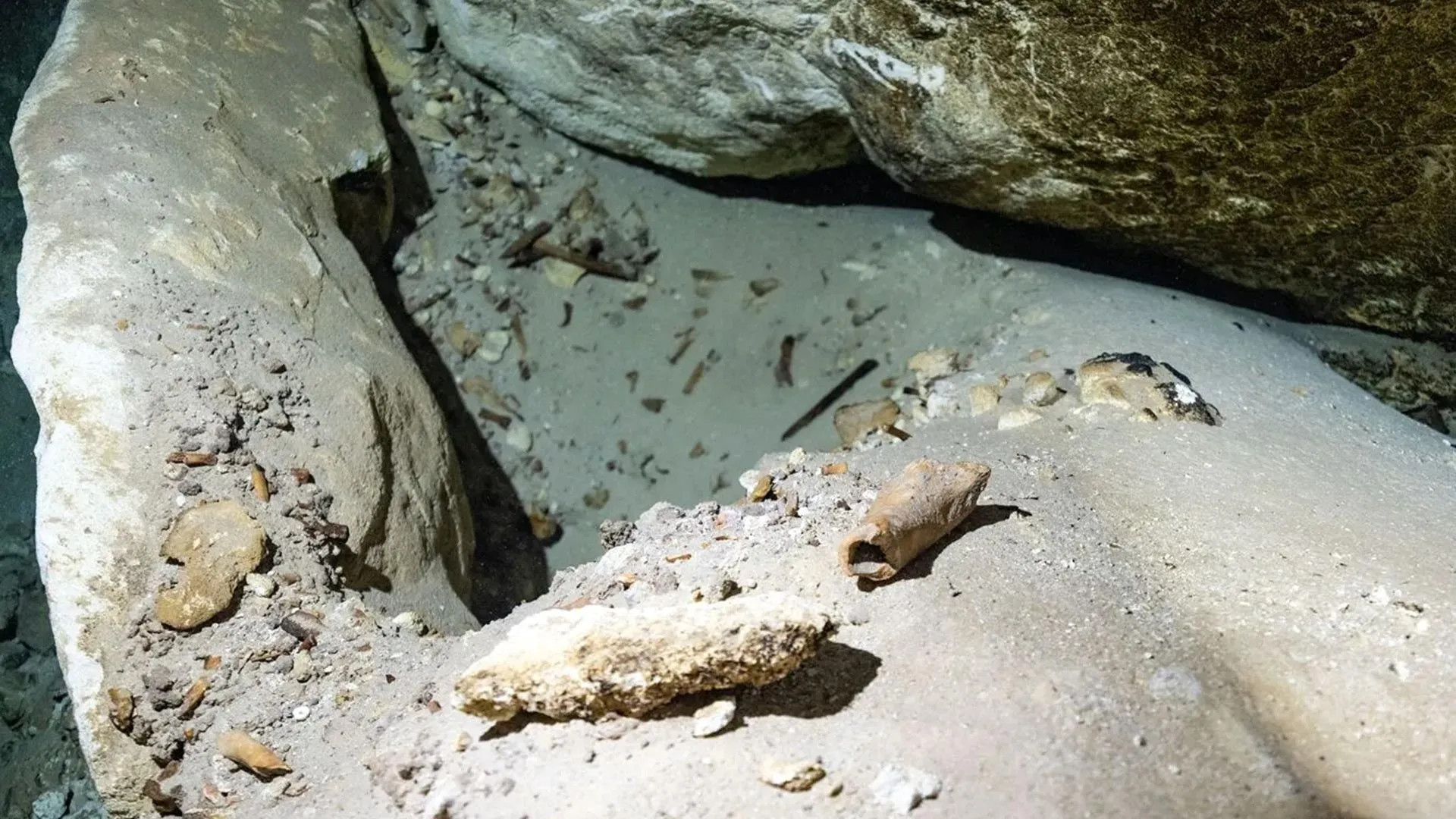
Bones recovered from underwater caves can provide an extraordinary record of the distant past. Until now, however, scientists have lacked a reliable way to determine how the remains of extinct megafauna and other animals accumulated, survived, and changed inside these submerged graveyards.
A new study led by Griffith University provides researchers with a framework for reading the evidence preserved on these bones.
Reading the Fingerprints Left on Cave Bones
"By analyzing animal bones from two underwater cave systems in South Australia, we have revealed how different cave environments leave distinct preservation 'fingerprints' on skeletal remains," said Meg Walker, a PhD Candidate supervised by Australian Research Centre for Human Evolution Director Professor Julien Louys.
"Backed by radiocarbon-dated bones, we tracked how skeletons accumulated and were modified over decades and centuries in underwater caves, then compared them to those buried in dry caves.