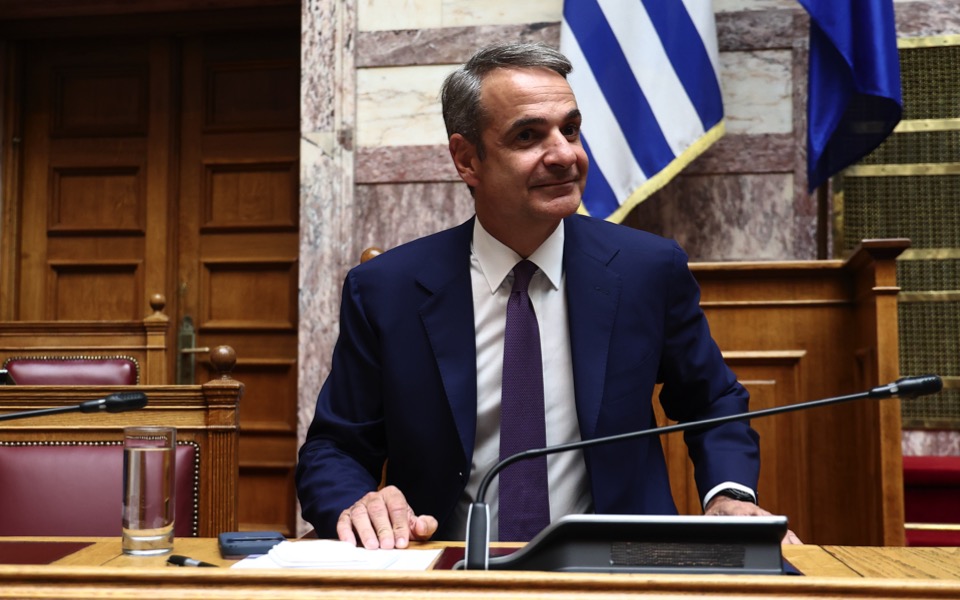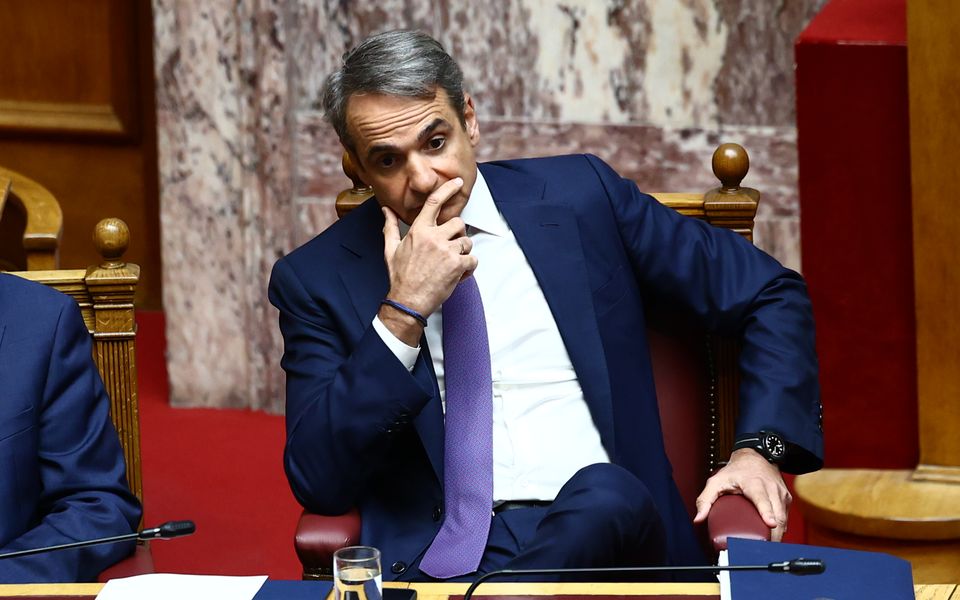
Speculation over the timing of the next election appears to have finally come to an end. Even the most skeptical seem to have been persuaded by the prime minister’s near-daily assurances that the polls will be held as scheduled – meaning from spring 2027 onward.
That does not, of course, mean that anyone will stop acting as though the country is in an election period. This applies to the government and its ministers, opposition parties, and those who lead – or hope to lead – nascent political movements.
After all, the fact that the current government has entered the final year of its term effectively means that the country has entered a preelection phase. August may offer a brief respite, although the traditional “mass August vacations” are no longer as widespread as they once were, due to financial pressures.
The final stretch toward the polls, however long and challenging it may prove to be, will begin in September. The Thessaloniki International Fair will feature prominently in the plans of party strategists.
This year, in particular, the fair will carry added significance. It is expected to serve as the main platform for political leaders to unveil their preelection economic pledges. That, however, also carries risks, as the temptation for a bidding war of handout promises is already becoming evident.