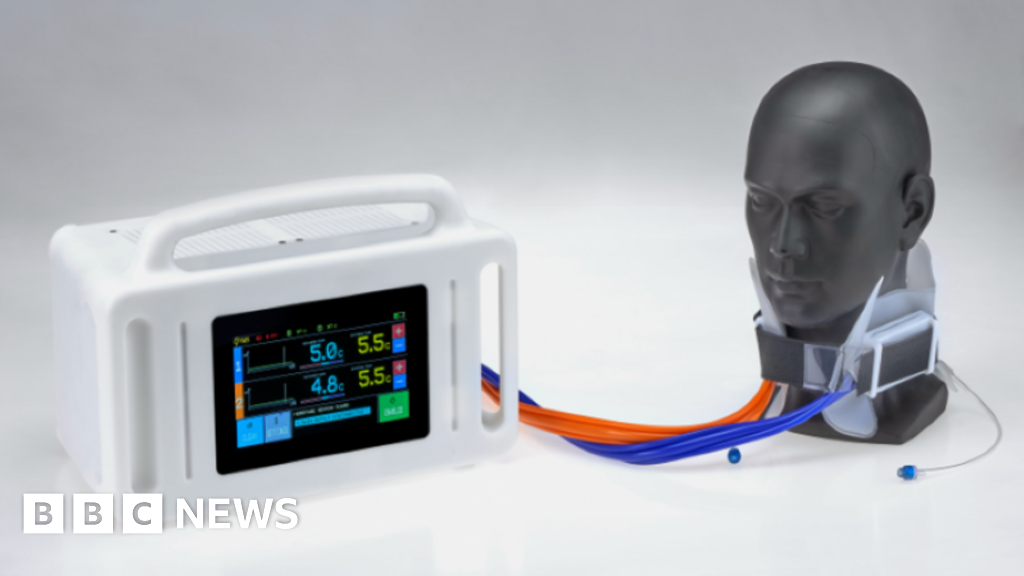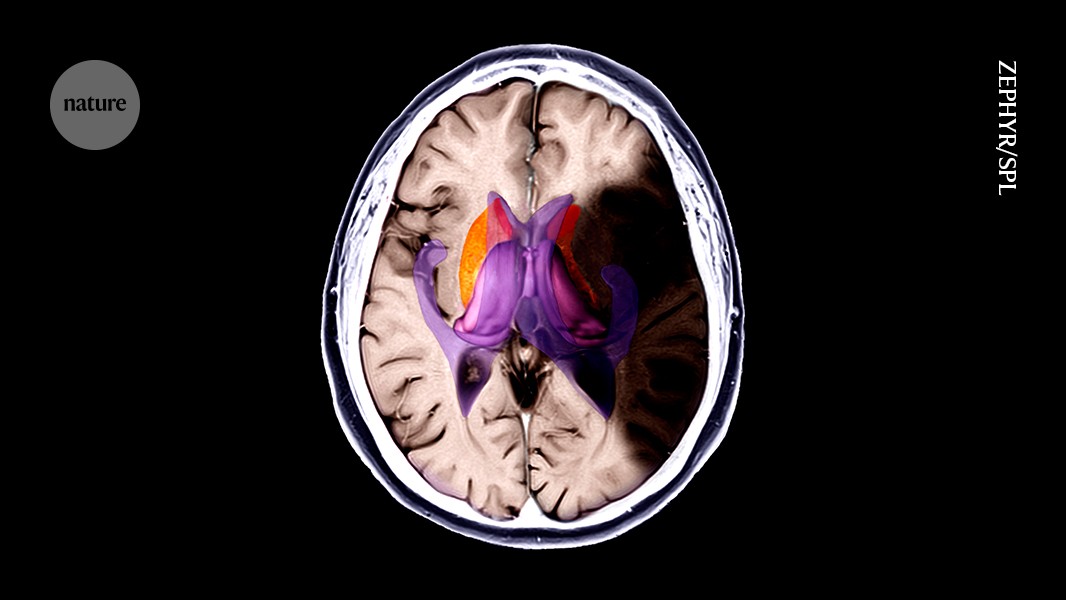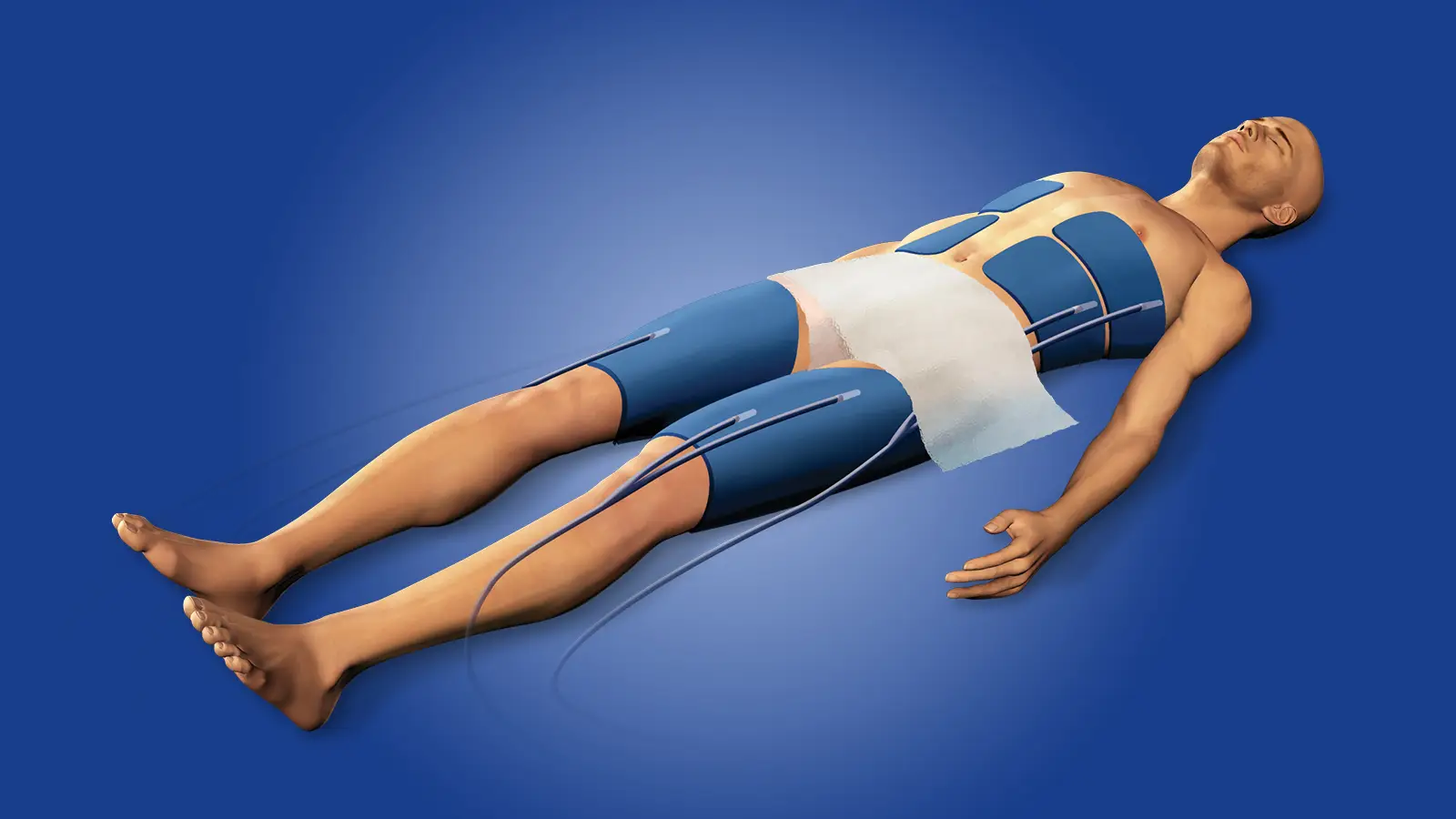
Investigators sought to determine whether the duration of therapeutic hypothermia had an effect on outcomes for comatose survivors of out-of-hospital cardiac arrest (OHCA).No improvement in neurological outcomes was found with more hours of therapeutic hypothermia at 33°C.An effective strategy of hypothermic neuroprotection after OHCA continues to evade researchers.
Extra hours of therapeutic hypothermia after out-of-hospital cardiac arrest (OHCA) conferred no better neuroprotection, a randomized trial found.
The ICECAP trialists intended to test a range of durations of therapeutic hypothermia, from 6 to 72 hours, and found it evident after the first 200 patients that there was no point cooling people for more than 48 hours in terms of neurologic outcomes at 90 days.
In the end, there was no improvement in modified Rankin Scale (mRS) scores beyond the minimal 6 hours of cooling to 33°C (91.4°F): The posterior probability of 6 hours being the shortest duration that achieves the maximal mean weighted mRS score was 0.51 in the nonshockable rhythm cohort, and 0.49 in the shockable rhythm cohort, according to Robert Silbergleit, MD, of the University of Michigan in Ann Arbor, and colleagues reporting in JAMA.