New research is helping biologists understand how an overlooked aspect of coral physiology may affect their fate under climate change.
Introduction
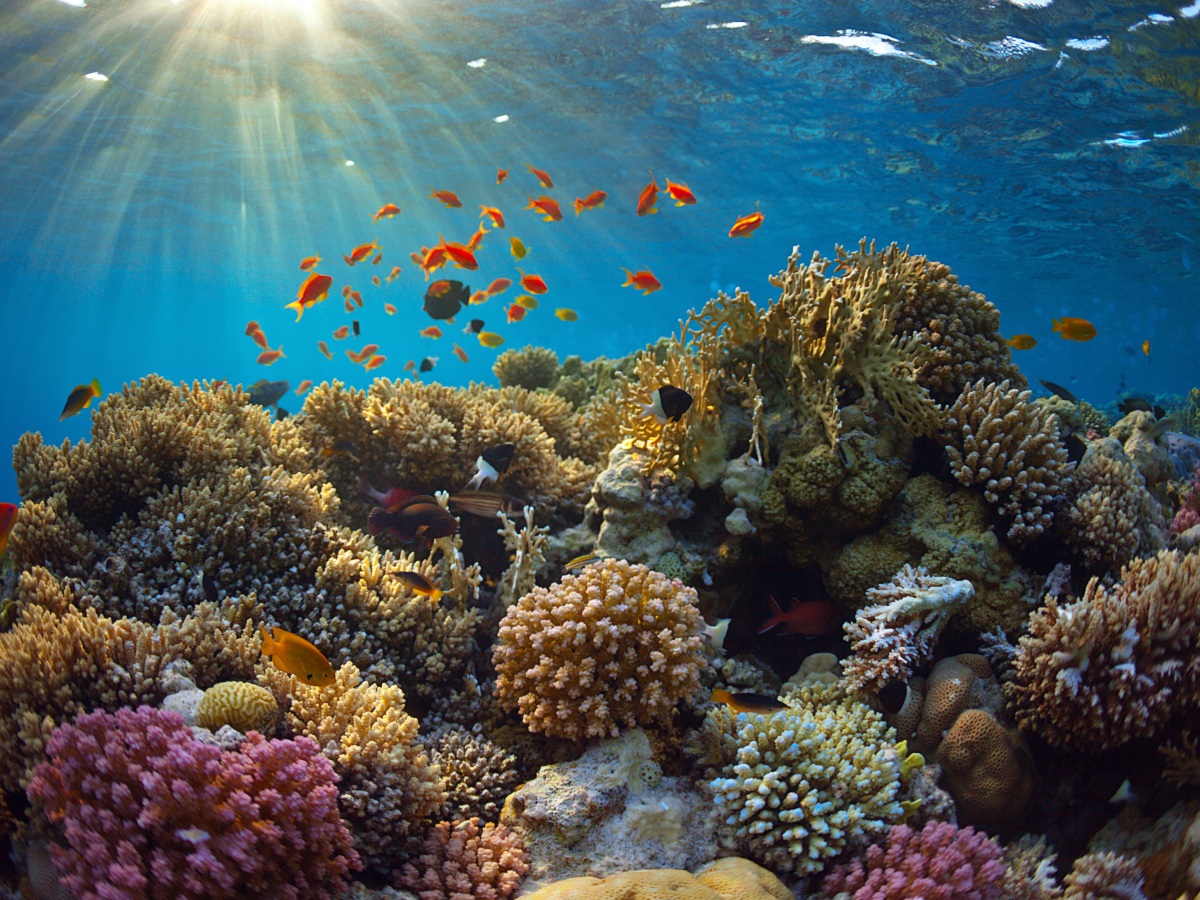
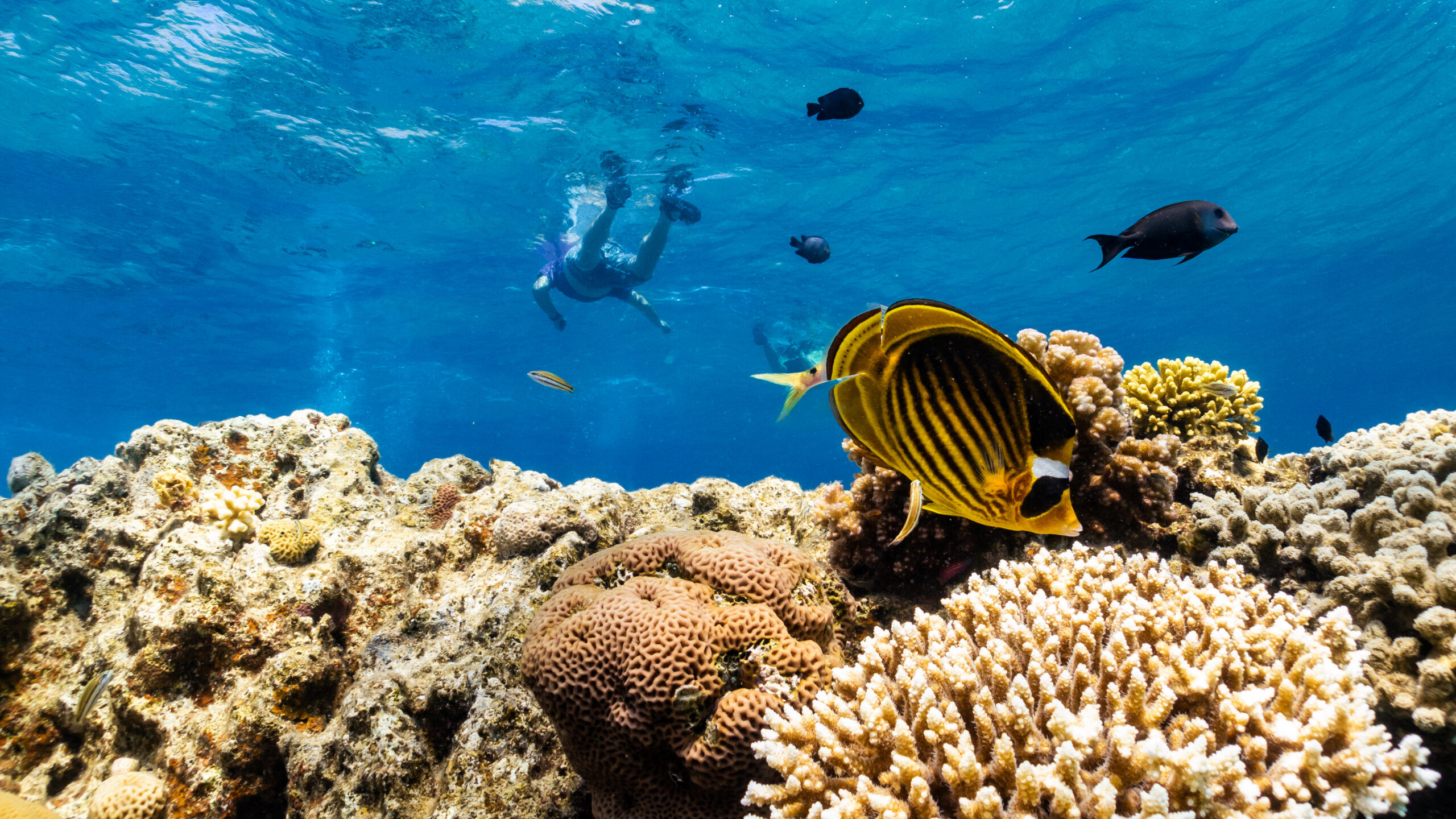
At first glance, corals present as little more than colorful rocks — piles of lobes, stalagmites, and branches poking out from the seafloor.
They are anything but. Corals are complex creatures that form enduring colonies, and just like other animals they need oxygen to live. Across the living surface of coral, a frantic dance of survival takes place, invisible to our eyes and unknown to science before 2014. The tiny dancers are hairlike cilia, and new research into these microscopic structures is revealing just how active corals are in determining their own fate.
Corals aren’t fortunate enough to have a consistent supply of oxygen, and they can’t change location to seek it out. During the day, the tiny polyps that make up a coral colony get plenty of oxygen from the symbiotic algae that photosynthesize within their tissues. But at night that process stops, and a coral polyp’s only source of oxygen is the water around it. Then it’s do or die for the cilia. Using mechanisms scientists are still trying to understand, the cilia wave around to generate fast-moving vortices of water that circulate oxygen to the coral’s outer tissues, in addition to helping keep the colonies free of sediment.