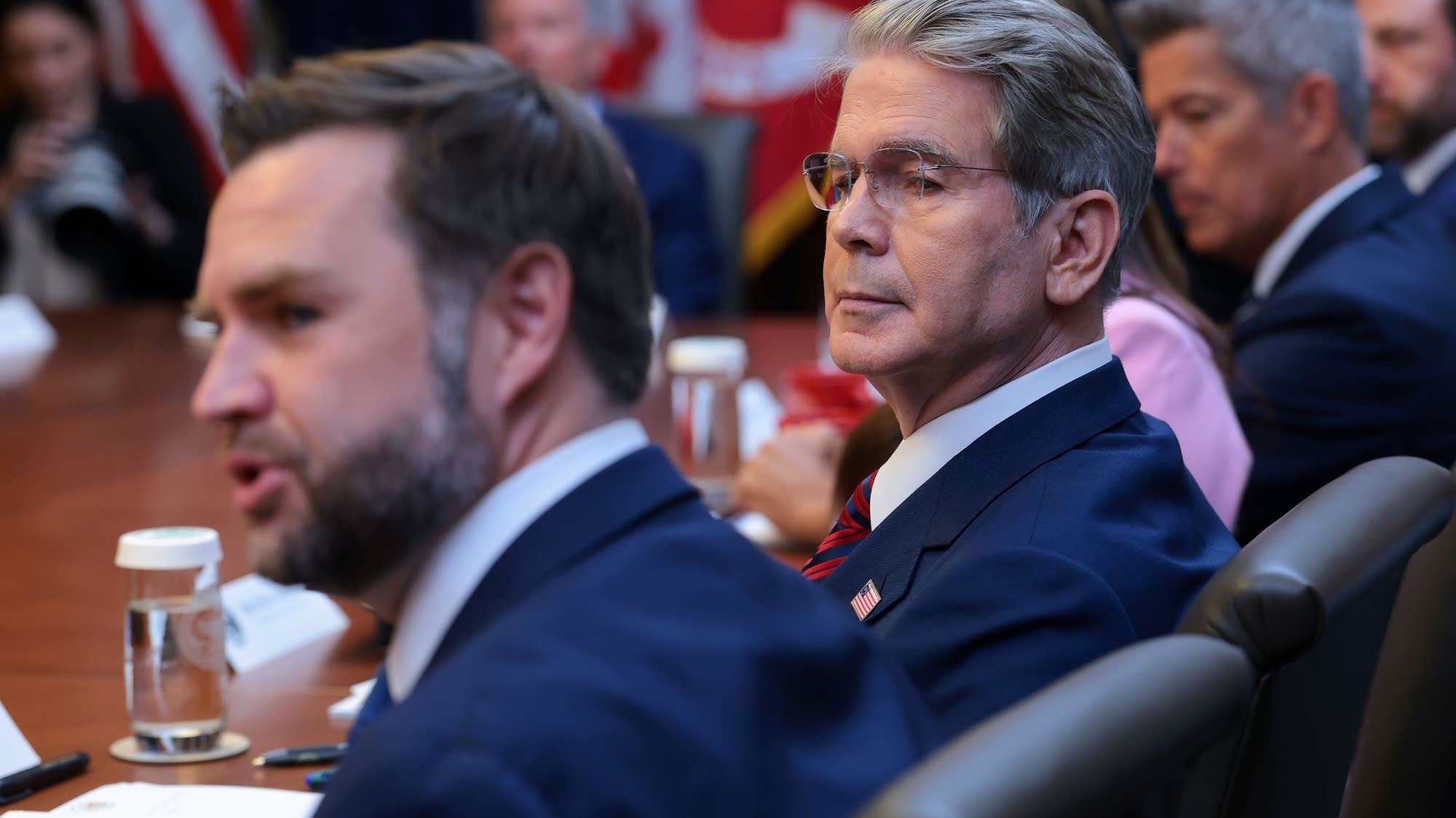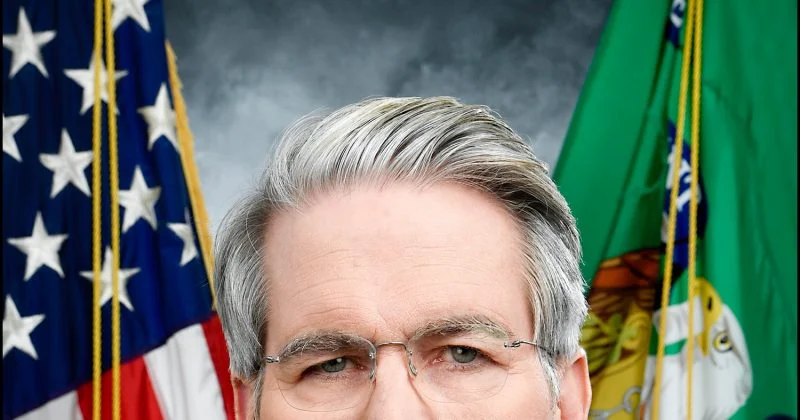
Instead, Bessent said U.S. households are in a C-shaped economy “where the lower end of wage earners are finally calling it back, just like they did in President Trump’s first term.”
Bessent said the bottom 25% of workers have seen a 2% real wage gain. That’s likely a reference to Treasury data for 2025 that showed blue-collar workers saw growth of 1.7% in the first five months of Trump’s presidency.
The Treasury Secretary also pointed to White House policy under the One Big Beautiful Bill Act (such as no taxes on tips or overtime, as well as reduced taxes for seniors on Social Security) as having a meaningfully positive effect on household finances. The act, described by the White House as the biggest tax break in history, purported to give Americans earning between $15,000 and $80,000 an average tax cut of 15%.
The bill also promised to increase tipped and overtime workers’ take-home pay by $1,500 a year, and has reportedly increased after-tax income for a typical two-child family by $7,600 to $10,900.
Bank of America has also observed that some elements of the K-shaped economy are beginning to close. In a note last week, chief U.S. economist Aditya Bhave wrote that consumer spending (excluding gas) has ceased to be K-shaped on a year-over-year basis—at least it had been for the previous fortnight.