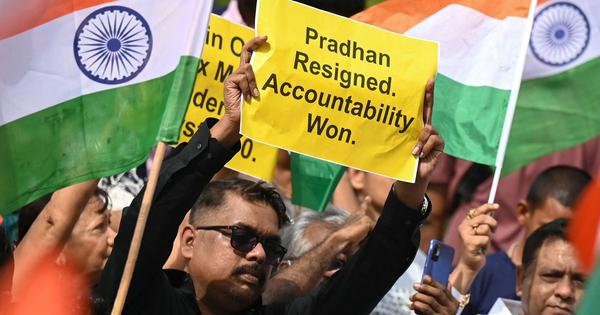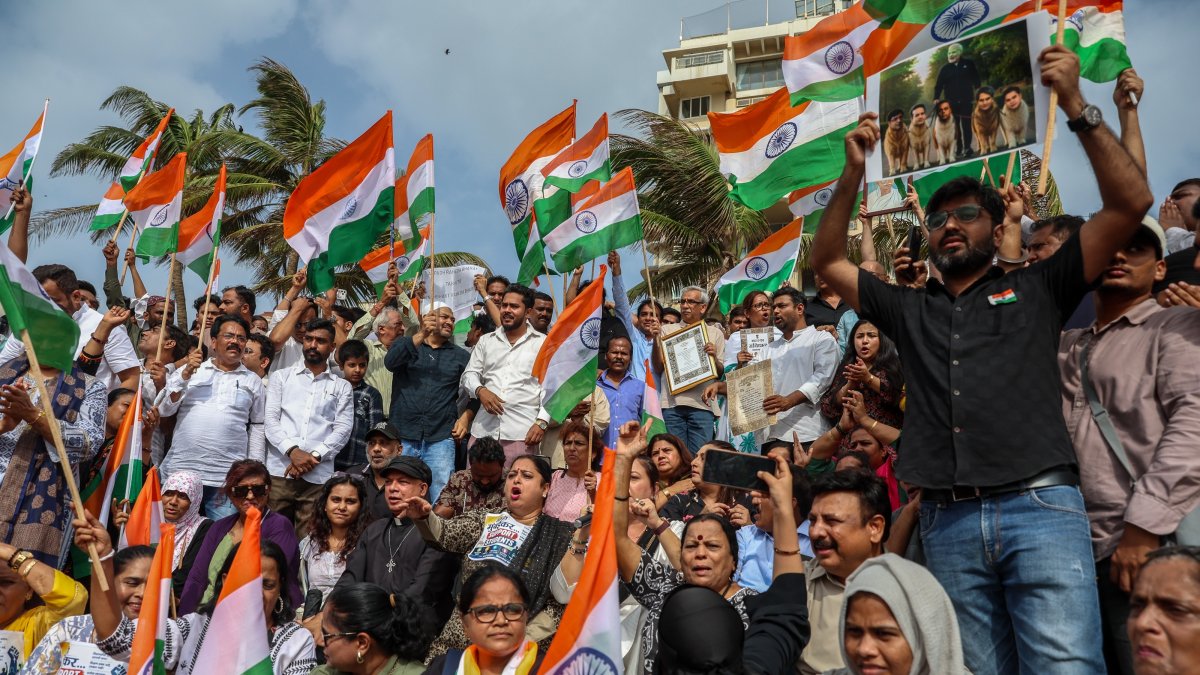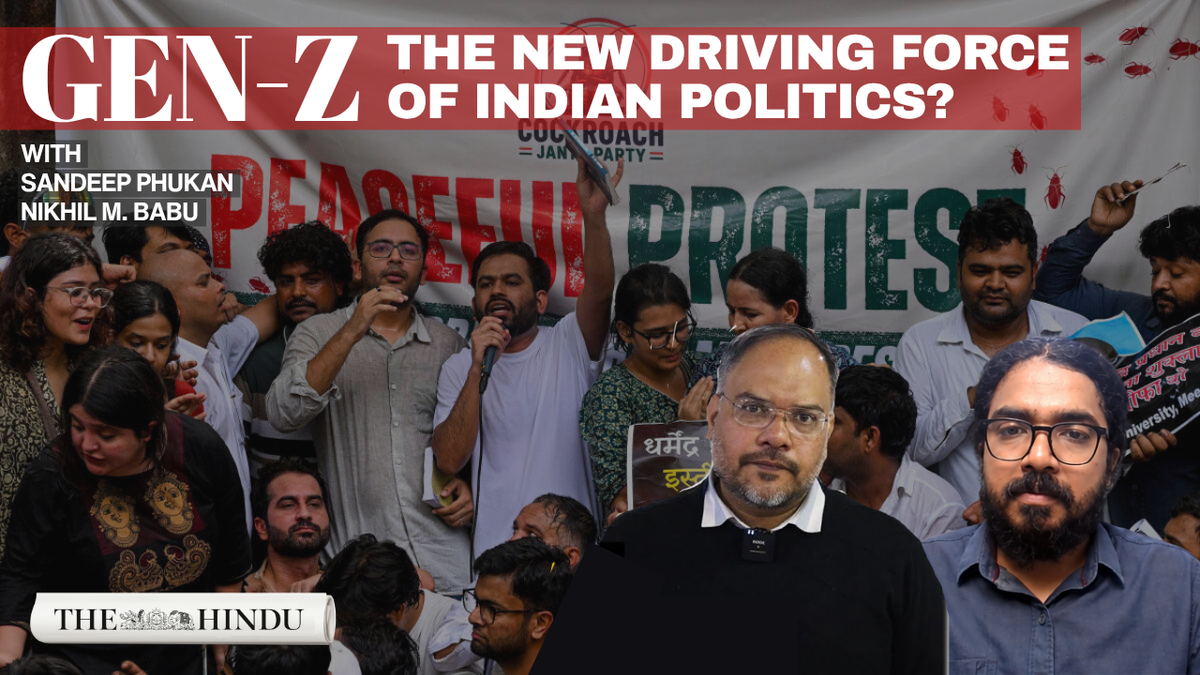
Why did the Narendra Modi government uncharacteristically back down during the Gen Z protest, and what does this signal for the BJP’s future electoral prospects?
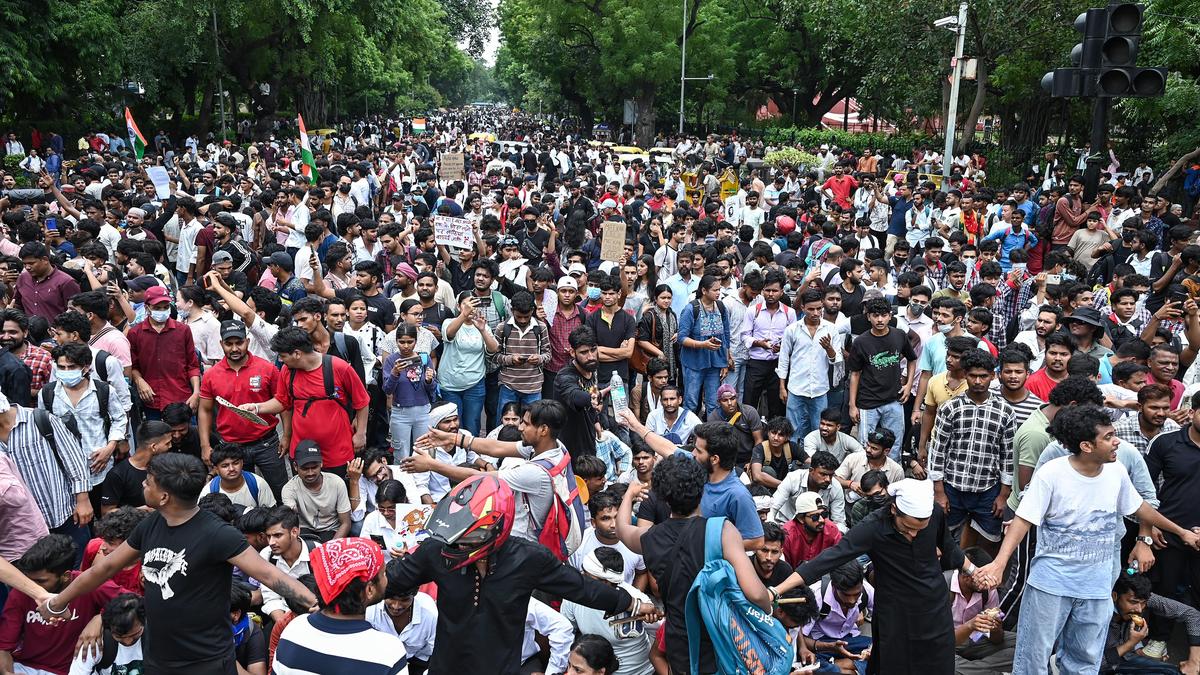
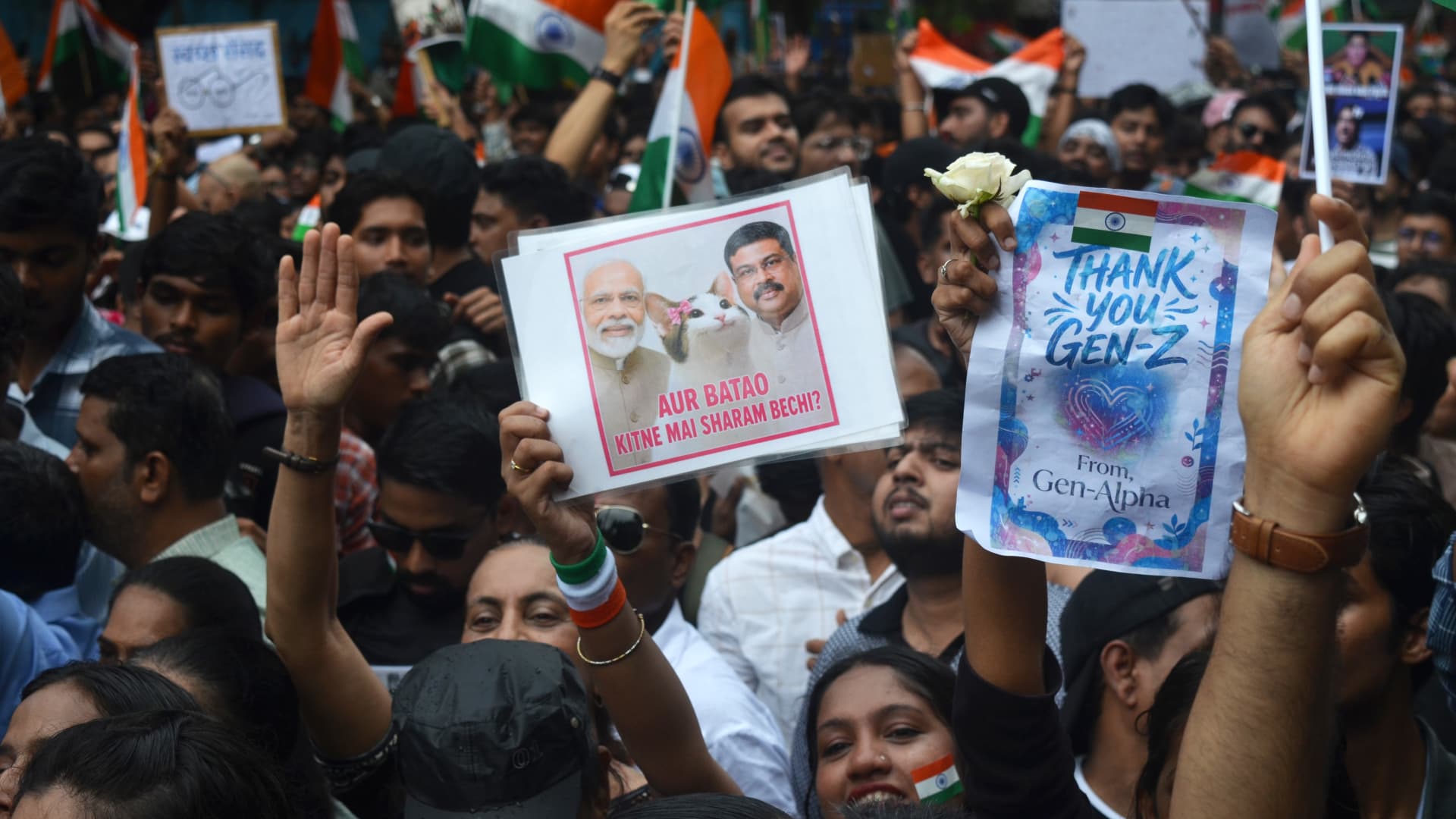
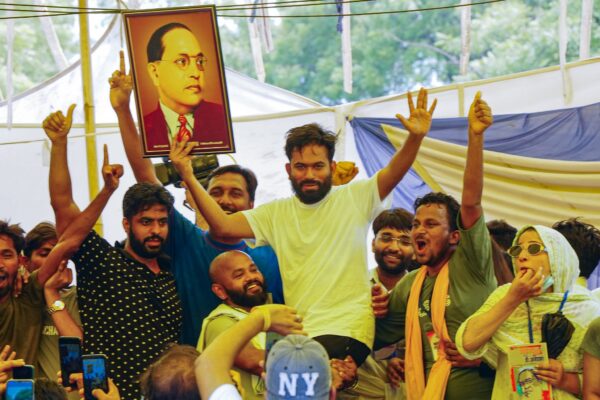
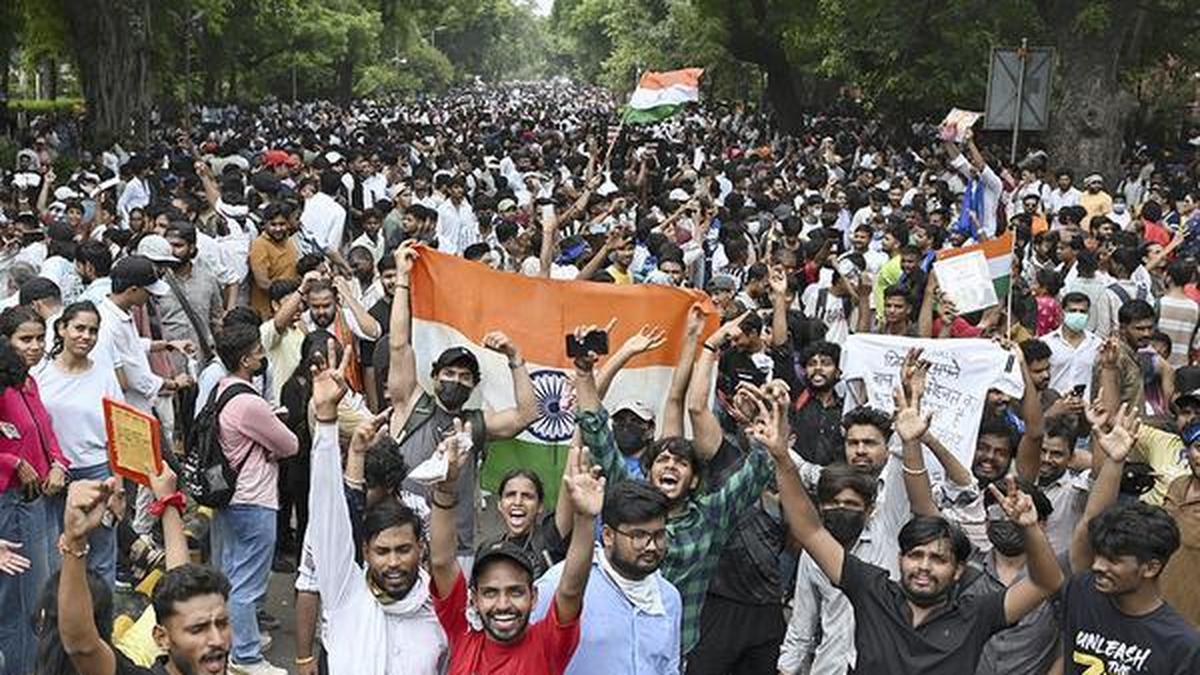
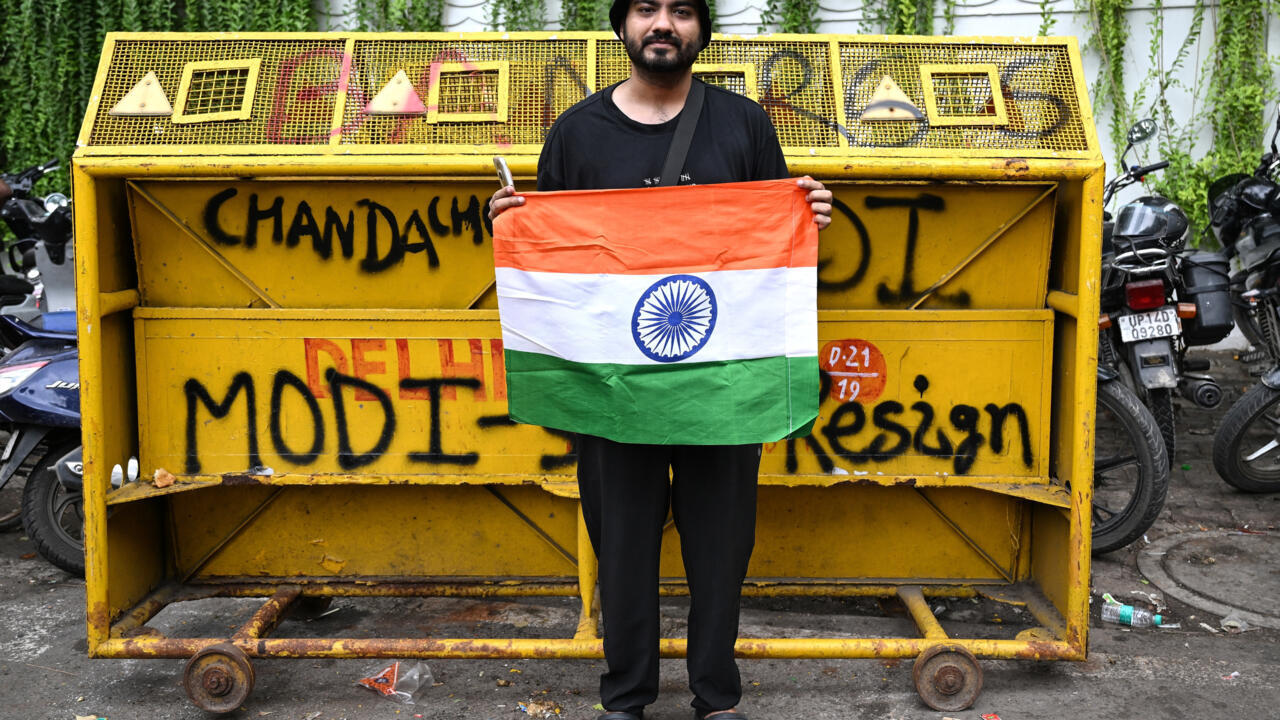
There are several reasons the student protest against the NEET paper leak could not be easily repressed. As the Jantar Mantar sit-in continued, it began to resemble the 2011 Anna Hazare moevment, with middle-class families turning out in large numbers. I have friends who would never be seen dead at a political event turn up at Jantar Mantar with their kids, and then follow it up with a request for a reading list for their now politically awakened progeny. In cases where parents were reluctant, kids sneaked away, taking buses, trains and even flights to attend the march to Parliament on 20 July, so much so that the Delhi Police and CRPF, which had expected 5,000 marchers at most, had to contend with a deluge of 50,000 and more.This was not the first time authorities have been caught unawares, nor will it be the last. Many people harbour some mix of dissatisfaction with the government and fear of paying a price for openly dissenting, given the Modi government’s vindictiveness.
But this fear decreases as more and more people join. Analysing the 1989 Leipzig Monday demonstrations in East Germany, which eventually led to the Communist regime’s demise, political scientist Susanne Lohmann argued that the cost of protesting decreased as the size of the protest increased, which made risk-averse people willing to participate.Families that would have stayed away from the protest site in early June were flocking to Jantar Mantar in July, driven by social media legitimation and waning fear. When the time came to march to Parliament, tens of thousands of students had concluded that the potential benefit of participating – forcing then Education Minister Dharmendra Pradhan to resign – was greater than the prospective costs. And it turned out that their threshold for pain – being beaten, tear-gassed and shot with pellets – was higher than they had imagined.