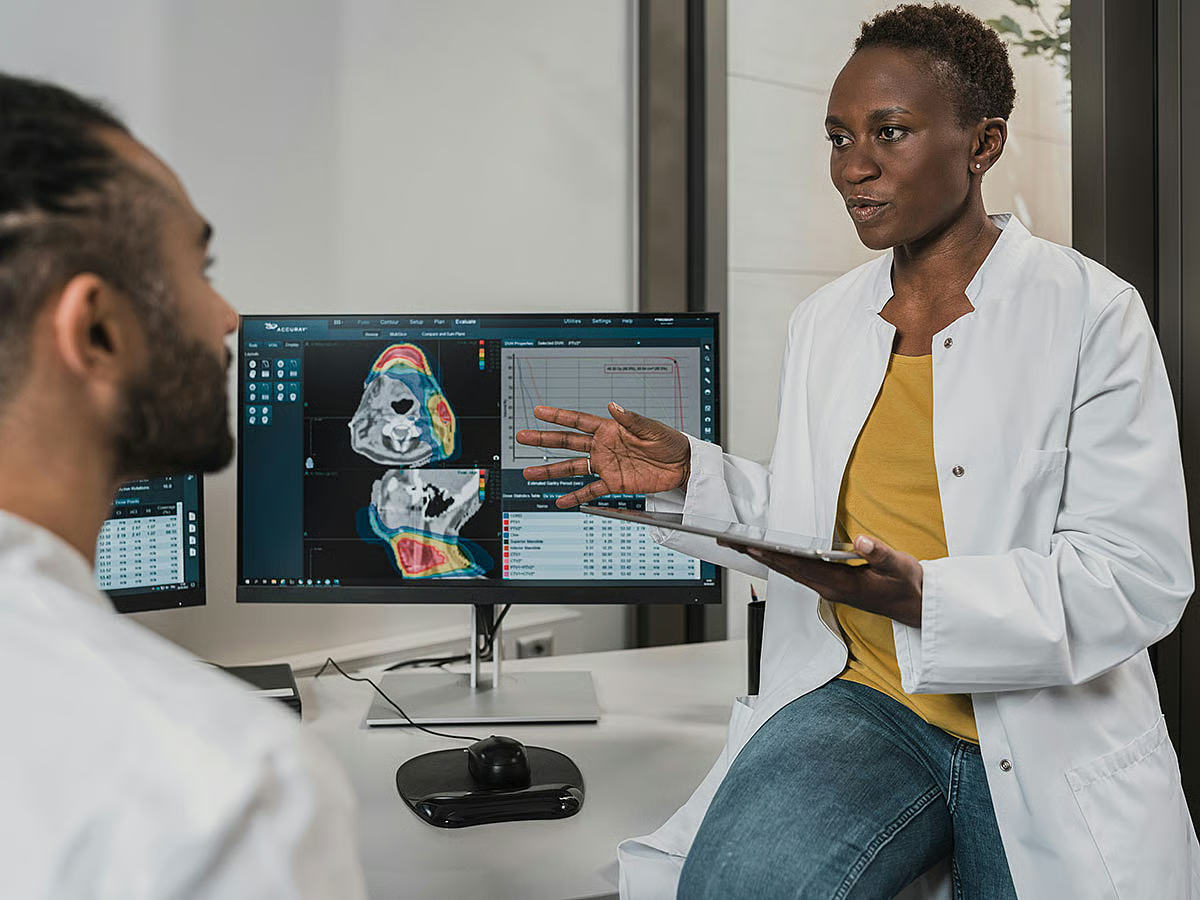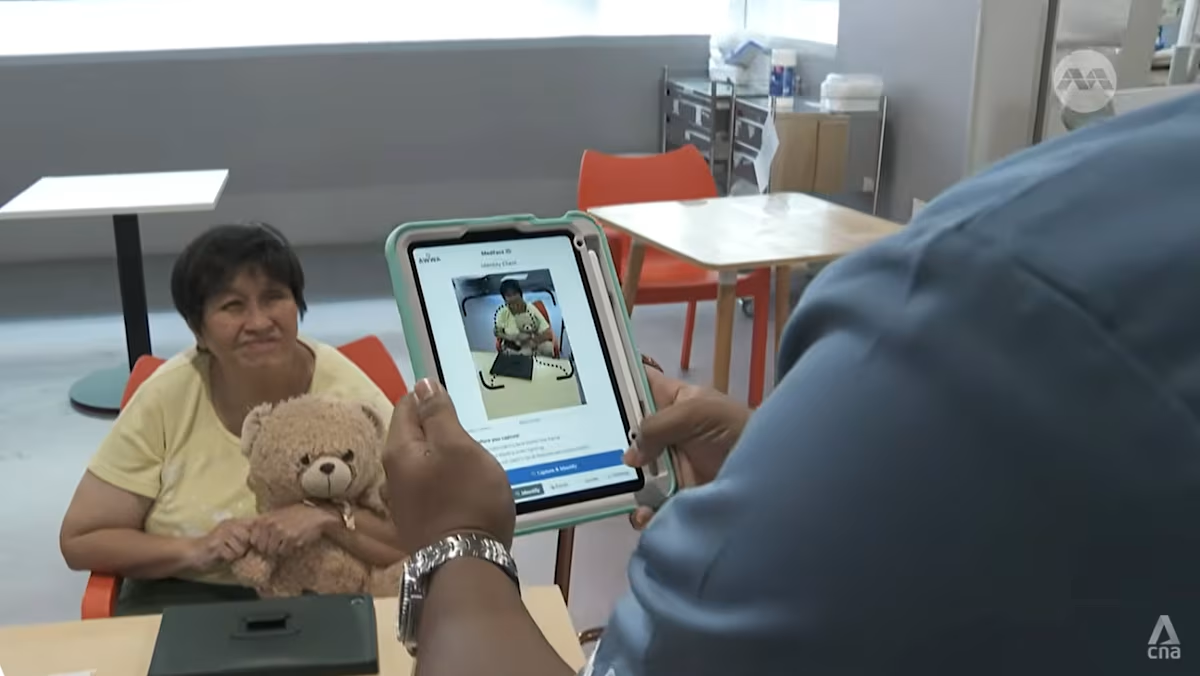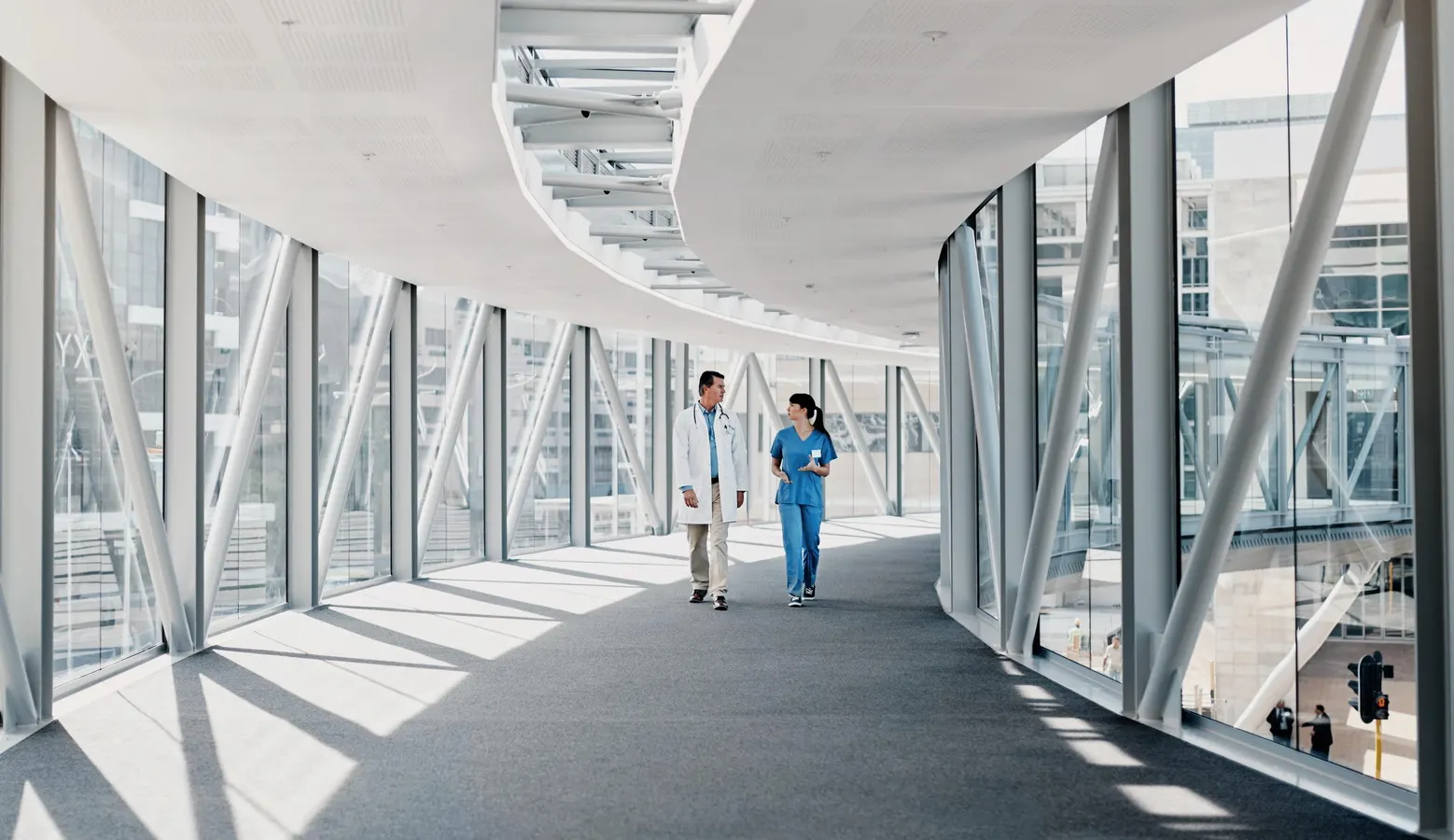
siemensHealthcare is in my DNA. While I haven't worn scrubs or led a clinical team, my career in healthcare technology has allowed me to support the environments where healing happens. Technology is often seen as something that makes healthcare more impersonal, but I've seen the opposite. When thoughtfully integrated, it becomes an essential part of how a space feels and functions and is the hidden heartbeat of hospitals’ healing architectures. The power of healing architectureWhen I talk about healing architecture, I think of spaces that instinctively put people at ease: sunlight pouring into a room, waiting areas that feel like living rooms, quiet corners with greenery. These intentional choices actively support recovery. In my world, healing architecture goes beyond aesthetics – it's about pairing these details with autonomous systems working behind the scenes so patients feel grounded, comfortable and in control. The case for digital integrationFrom my experience: Healing architecture isn't only about what we see – it's about how people move, navigate and interact with the space around them. And when people feel lost or disoriented, no amount of beautiful design can ease that stress.It's remarkable to think that healthcare staff waste around 4,500 hours each year helping patients who are lost. Digital wayfinding addresses this directly, with nearly 77% of hospital patients and visitors reporting that such systems lower stress levels and enhance their overall experience¹. Beyond navigation, IoT sensors and smart tags help staff quickly locate critical assets like beds and wheelchairs, while automated guided vehicles (AGVs) handle routine tasks such as delivering medication, meals and linen. Combined, these technologies can save up to 23% of staff's daily working time² – and that's what truly enhances patient experience and satisfaction.These solutions directly address healthcare's most pressing challenge – staff burnout. While sustainability and operational efficiency matter, they rarely break the top three priorities for most hospitals. Patient care, infection control and nurse burnout consistently rank higher. Technology that gives staff time for meaningful patient interaction directly tackles these concerns.Switzerland's Kantonsspital Baden, often described as one of the country's smartest hospitals, is a perfect example of healing architecture in action. Siemens installed more than 7,000 IoT sensors and 2,000 smart tags throughout the facility.Digital wayfinding guides patients and visitors confidently to treatment rooms and clinics. The comfort extends beyond hospital corridors to patient rooms. A pediatric patient can customize their room's ambient lighting to their favorite colors, making an intimidating hospital setting more comforting. An elderly patient can adjust temperature, lighting, or shading with a single tap while staying informed about when their doctor is on the way. These are intentional design elements, carefully considered to support healing.The intelligence behind the comfortWhat makes these experiences possible is autonomous building infrastructure – systems that know, learn, see, observe and act, continuously self-learning to anticipate needs before anyone has to ask. Room automation learns patterns and automatically adjusts temperature and lighting based on the time of day or patient condition.This intelligence starts before the hospital even opens its doors to the public. Digital twins – virtual replicas of the physical building – allow architects and planners to simulate patient flows, test different room configurations, and identify bottlenecks before construction begins. Once operational, these digital models continue to evolve, using real-time data from thousands of sensors to optimize everything from staff workflows to energy consumption.The business caseBenefits go beyond patient experience to improve running costs. Operating rooms (ORs) are among the most energy-intensive hospital spaces, housing high-energy medical imaging devices like surgical imaging systems and intraoperative scanners.When hospitals integrate scheduling systems with building management system (BMS), they can intelligently power down unused ORs and place energy-heavy imaging equipment into low-consumption states overnight, while keeping a smaller number available for emergencies. This approach turns some of the hospital's most expensive infrastructure into a source of energy savings, freeing up budget without compromising patient care.Overcoming implementation challengesThe challenges to implementing this vision are organizational, not technological. IT scheduling platforms, BMS technology, and integration layers often operate in silos, each overseen by different departments with varying priorities. There's also the human factor – a natural concern that technology will replace jobs. The key is demonstrating that technology serves as a partner to human expertise, not a replacement for it.The most successful implementations take a phased approach, starting with small pilots in low-risk areas, then scaling incrementally across service lines with willing staff who become champions for change.Where technology and humanity meetSiemens Healing architecture is shaped not only by what patients see, but by the intelligent systems supporting them quietly in the background. In my years working across healthcare, I’ve learned that: Technology doesn't make hospitals seem impersonal – when it's designed with intention, it enhances the experience. It eases stress and gives healthcare staff the space to truly connect with the people they care for.Technology doesn't replace humanity in healthcare. It protects it.Want to bring healing architecture to life? Our white paper explores how architects, hospital leaders and technology partners collaborate from day one to build smart systems in by design – avoiding costly redesigns and creating truly healing environments.Download the white paper here
Healing By Design: How Human Centric Architecture And Autonomous Tech Are Revolutionizing Patient Recovery
Healthcare technology is transforming "healing architecture" by creating supportive, intuitive environments. Digital integration, like wayfinding and IoT sensors, significantly reduces patient stress and helps staff efficiently locate critical assets, saving up to 23% of their time. This directly combats staff burnout, allowing more meaningful patient interaction.
850 words~4 min read