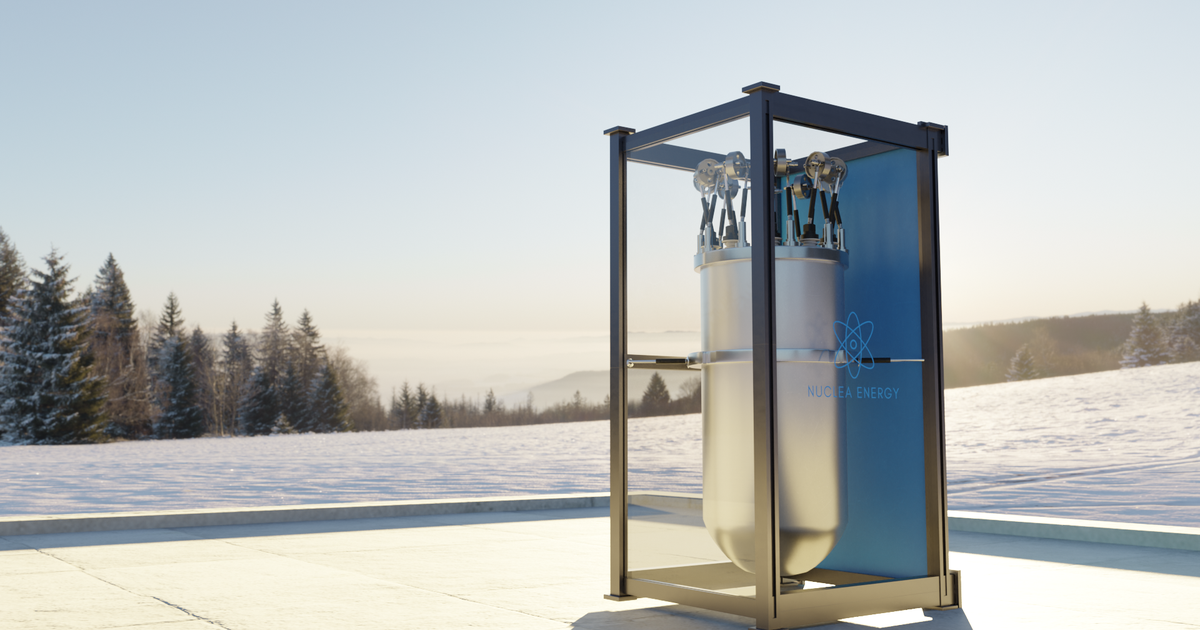
Many politicians and tech companies are now pushing to build new nuclear power plants to meet the world's rapidly growing energy demands. Small reactors — known as Small Modular Reactors, or SMRs — are gaining momentum.
They could be built in less time and come online faster than conventional nuclear power plants. Originally developed to power submarines and aircraft carriers, SMRs largely work the same way as larger reactors.
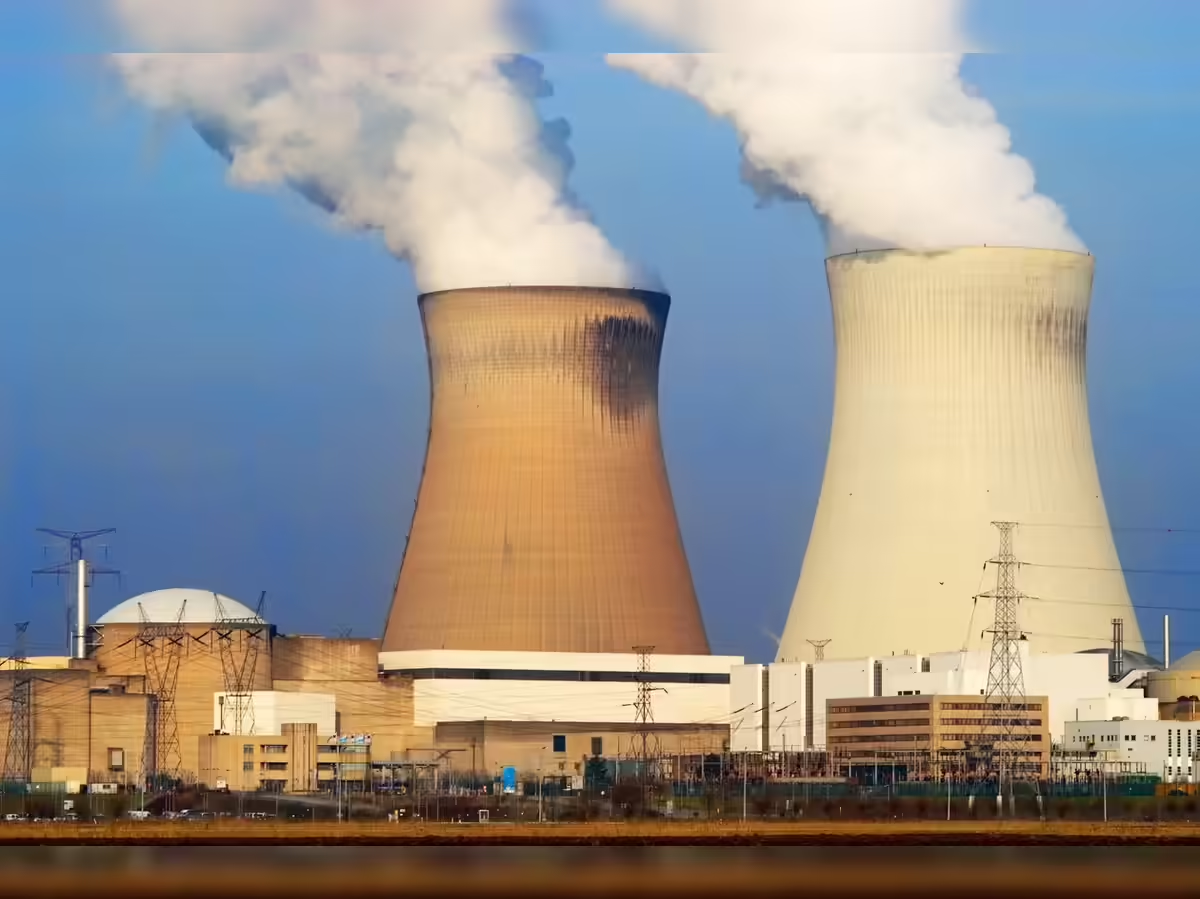
They contain a nuclear reactor fueled by uranium, which releases enormous amounts of heat through nuclear fission. That heat turns water into steam, and the steam pressure drives turbines that generate electricity.
Companies and startups are working on a wide variety of SMR designs and concepts, but the underlying principle is similar across all of them.
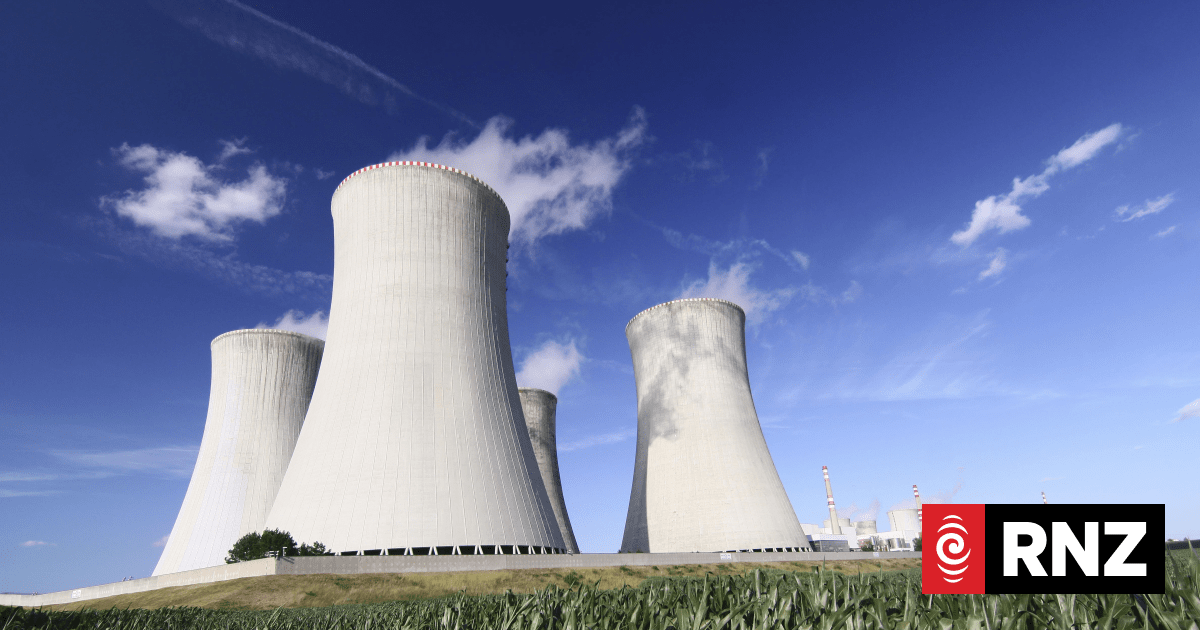
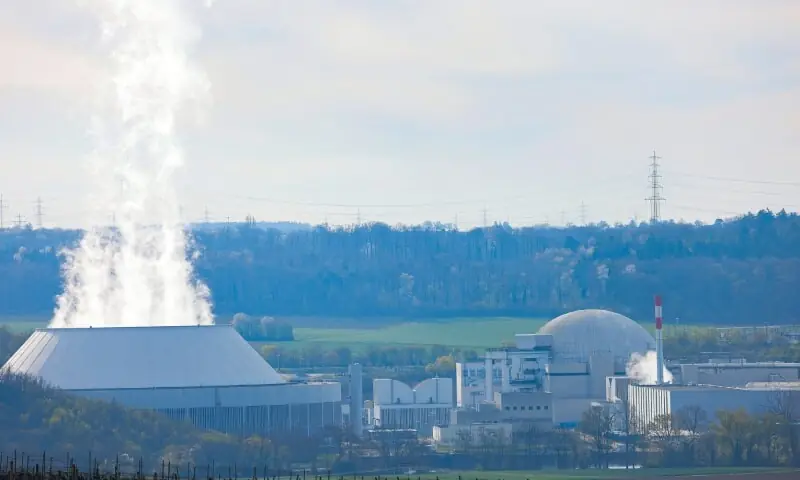
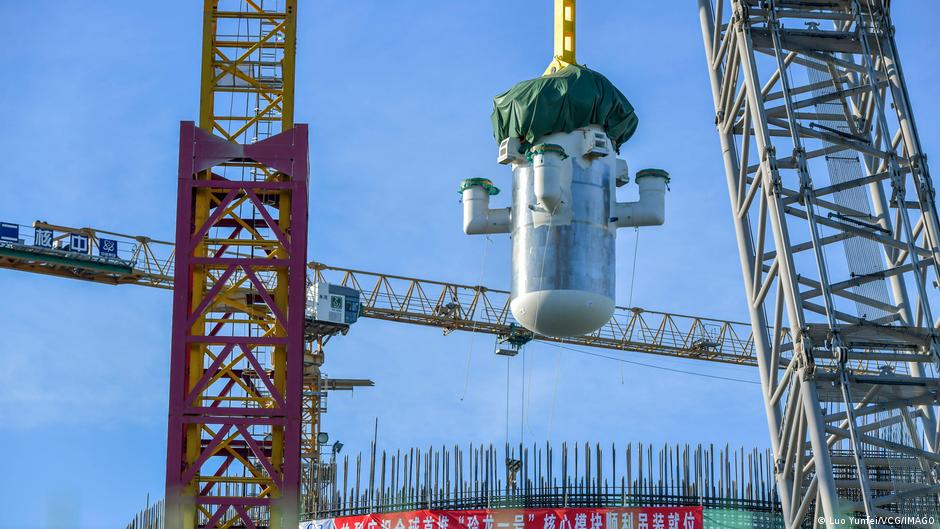
One advantage over conventional nuclear stations is that mini reactors require a maximum of two hectares (around five acres) of land — roughly the size of two soccer fields. By comparison, conventional plants require up to 280 soccer fields, according to the industry. The Linglong One small modular pressurized water reactor after completing its factory testImage: Zhang Boqun/Xinhua/picture alliance