U.S. District Judge Claudia Wilken on Tuesday upheld the House settlement administrator’s recent finding that multimedia rights companies (MMRs) and third-party brand sponsors can be classified as “associated entities” within the meaning of the agreement.
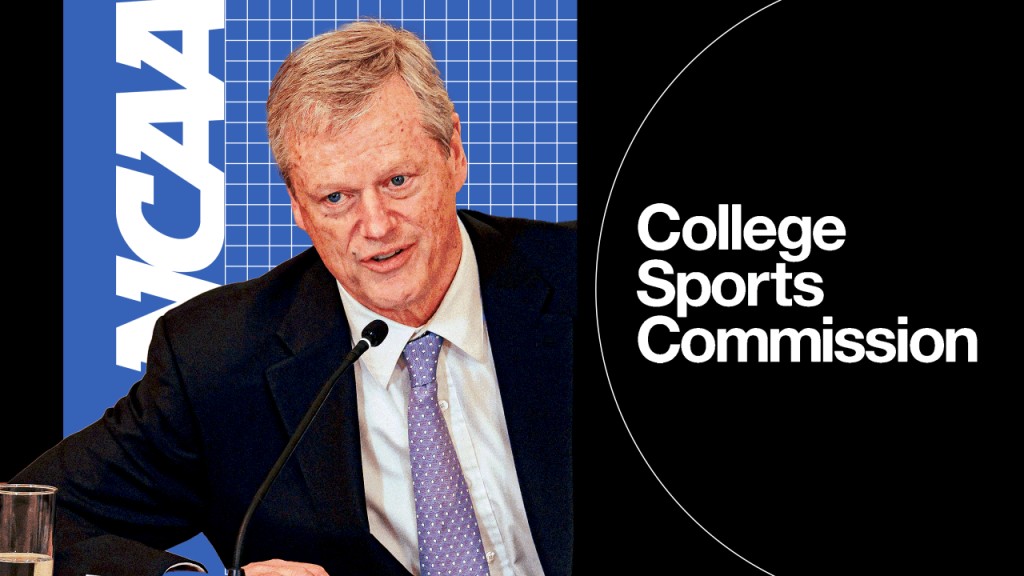
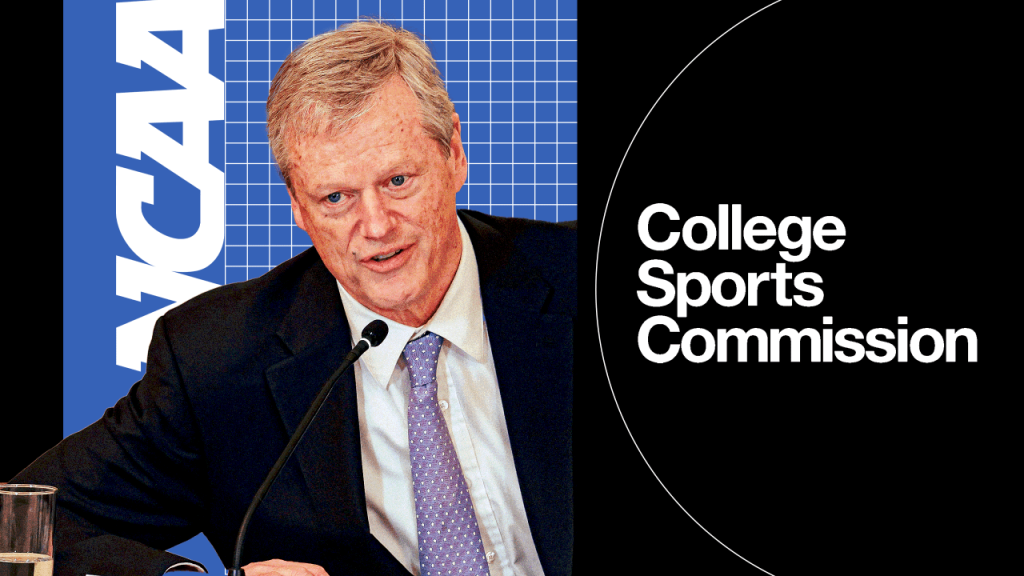
Wilken’s ruling is a win for the College Sports Commission as it tries to ensure NIL deals reflect commercial use of an athlete’s right of publicity and aren’t cloaking pay-for-play arrangements.
Associated entities include traditional “boosters” of athletic programs and, in certain circumstances, MMRs like Learfield, Playfly Sports and JMI when they both manage a school’s intellectual property rights and facilitate deals for that school’s individual athletes.
Class counsel representing the athletes in the settlement have argued MMRs shouldn’t fall within the definition of associated entities, since they do not operate like boosters. While boosters seek to help their favorite team recruit top players and win championships, MMRs are not aligned with any particular school and simply want to turn a profit. But when MMRs are partners with both a school and one of its athletes, it can become a murky mixture of both profit and boosting.
Whether a business is an associated entity has compliance consequences. The House settlement authorizes the CSC to review NIL deals for evidence of possible recruiting inducements and similar forms of compensation used to sway where athletes decide to play.