The NCAA and power conferences just notched a major win over NIL enforcement.
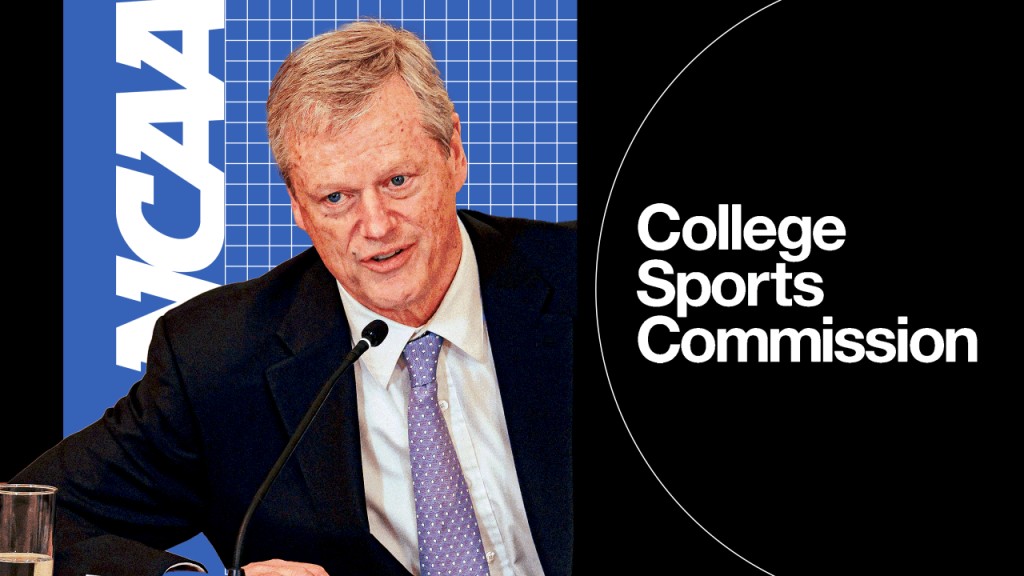
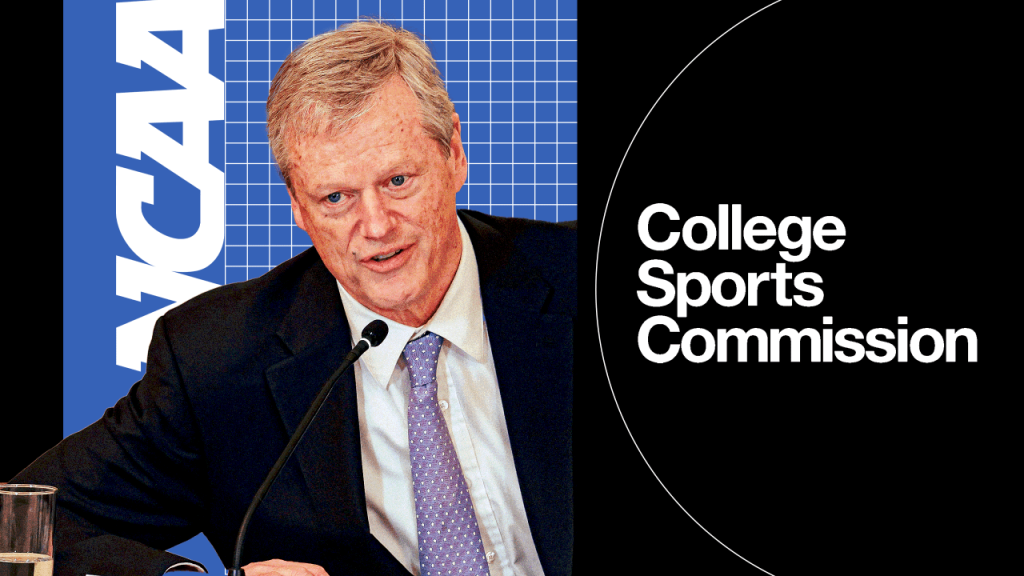
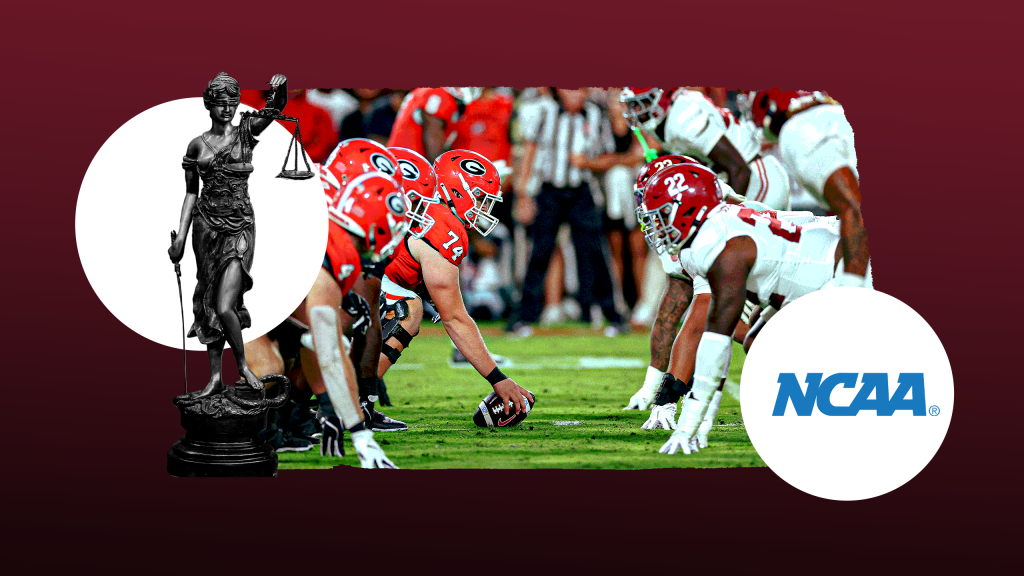
On Thursday, Northern District of California judge Nathanael Cousins, the “special master” appointed to hear disputes related to the House v. NCAA settlement, ruled the College Sports Commission could continue to treat certain NIL deals with the same level of strict scrutiny as collective and booster deals to protect the revenue-sharing cap.
“This ruling affirms that the CSC has been correctly applying the language of the settlement as written,” CSC CEO Bryan Seeley said in a statement. “Our enforcement of the rules has been, and will continue to be, fact-based and consistent with the settlement that Plaintiffs’ lawyers negotiated and was agreed to by all parties.”
Cousins’s decision means the CSC can continue reviewing NIL deals with the same level of scrutiny as before—though already, schools across the country are going above the revenue-sharing cap by tens of millions of dollars. At the very least, Cousins’s ruling prevents even more above-the-cap activity.
The dispute arose over the past few months, as the CSC, which reviews all Division I NIL deals over $600 submitted to the NIL Go system, has been classifying deals procured through multimedia rightsholders (or MMR companies) and with school sponsors as those procured through “associated entities.”