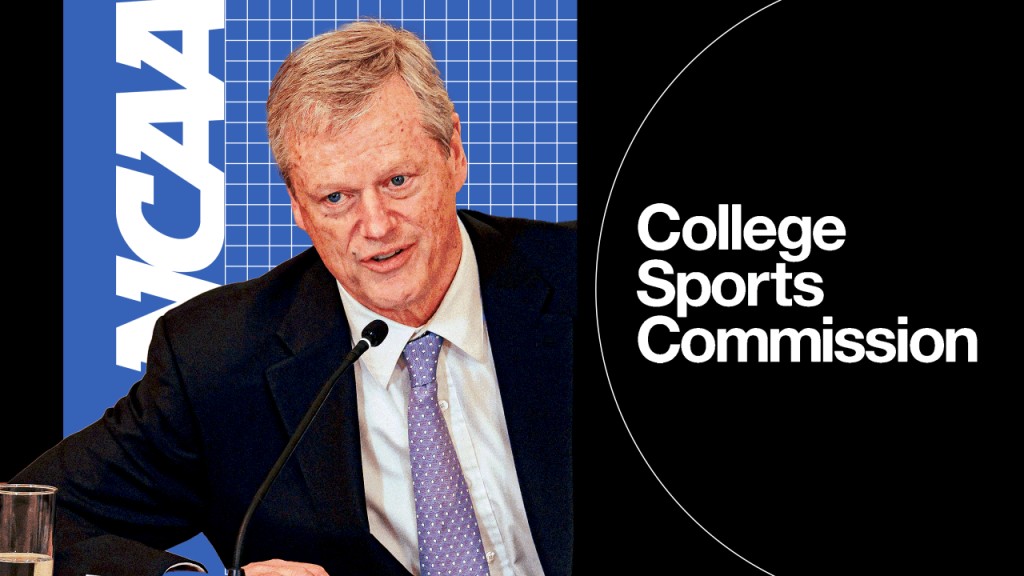
SAN JOSE, Calif. (AP) — A federal magistrate heard arguments Wednesday over whether multimedia rights companies that represent university athletic departments are subject to the same rules governing millions in thid party name-image-likeness payments to players that are reshaping college sports.Magistrate Nathanael Cousins said he could rule on the matter brought by plaintiffs’ attorneys in the landmark House settlement by next week. Many schools work with MMRs to act as the marketing arms for their athletic departments and arrange third-party NIL deals with athletes. During the 90-minute hearing, plaintiffs attorney Jeffrey Kessler argued that boosters and booster collectives, which have in some cases been replaced by MMRs as the key NIL negotiators, should be deemed associated entities but not the MMRs themselves.If Cousins agrees that those companies are, in fact, “associated entities,” then deals they make would remain subject to scrutiny by the College Sports Commission, which was formed to analyze NIL contracts to make sure they conform with the guidelines set up by the House settlement.
If Cousins rules in favor of the plaintiffs, then those deals would not be subject to the same scrutiny, which could trigger more spending.