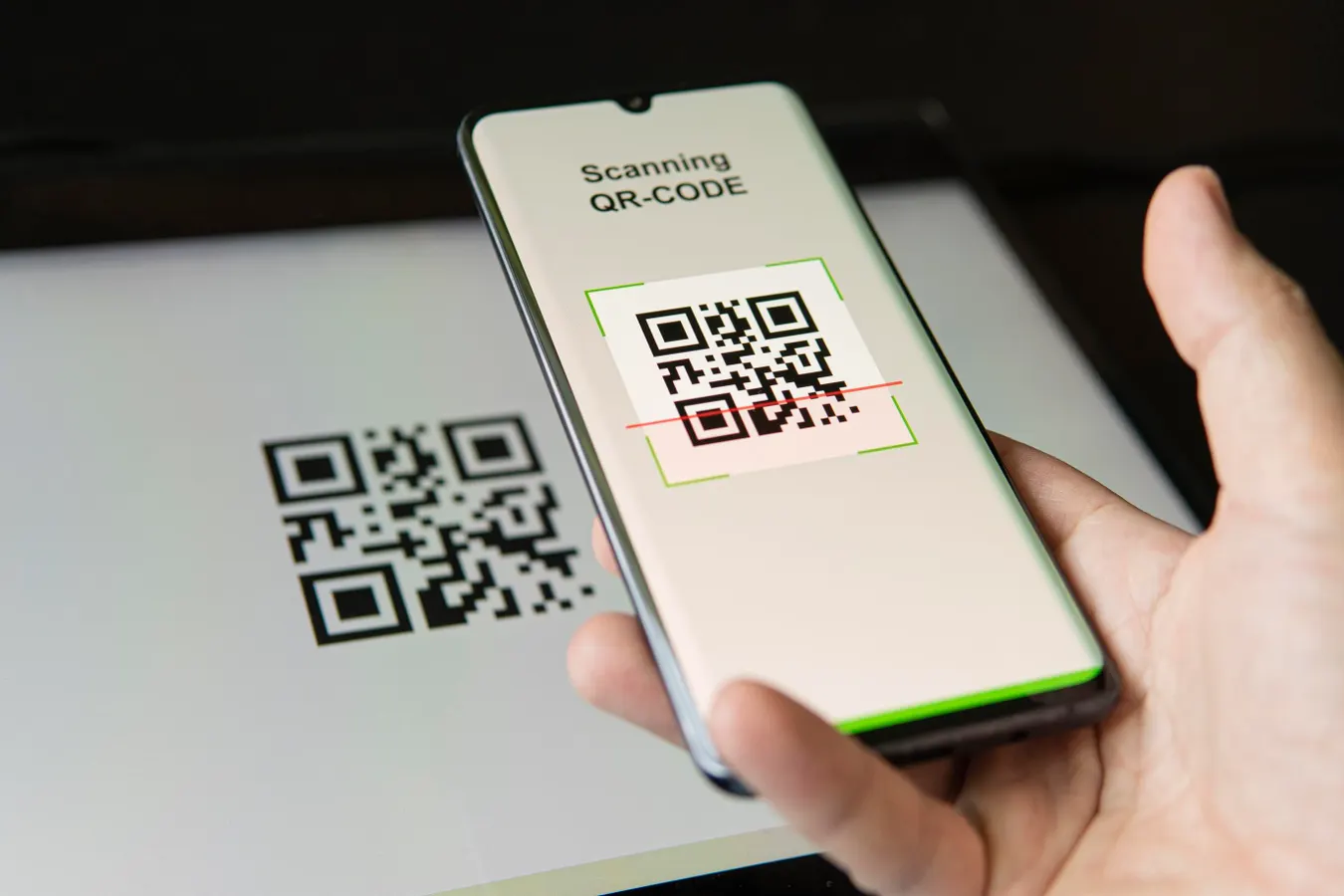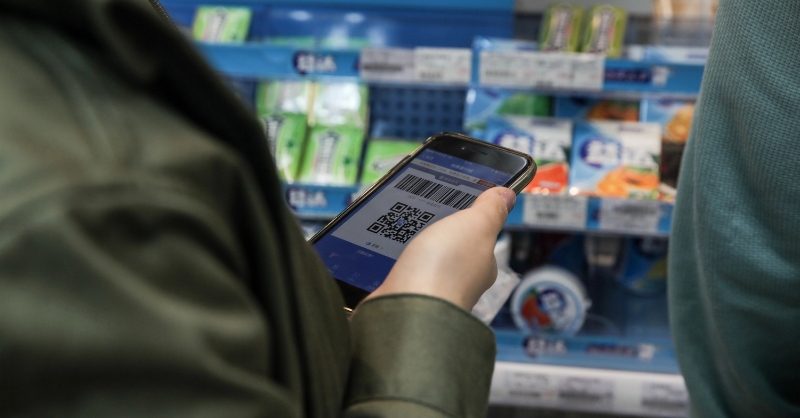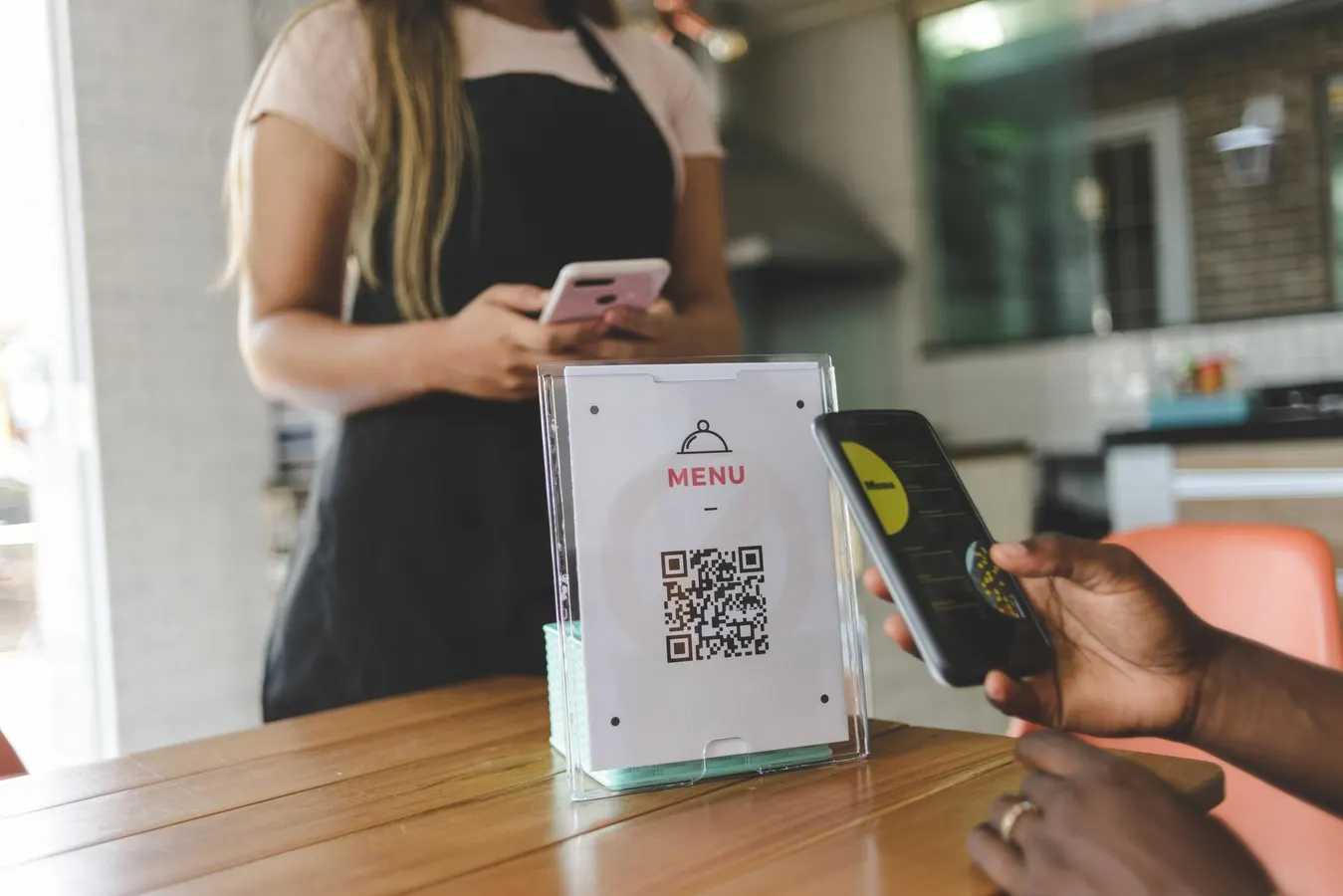
Benjamin Claeys is CEO of QR TIGER, MENU TIGER and GiftLips. He also hosts Stay QRious, a podcast about QR code best practices.gettyI recently spoke with an older relative about his experience at a restaurant. He said he had a hard time scanning the menu QR code because his phone's camera struggled to recognize it. Eventually, a staff member stepped in to help and get his order. What should have been a smooth lunch became an uncomfortable moment—one that many people face more often than we realize.It's not the technology that's the problem. In fact, according to my company's 2026 QR Code Industry Report, 70% of surveyed consumers have consistently and increasingly used the technology since 2023. QR codes have become digital public infrastructures that businesses and organizations rely on to deliver services faster, reduce operational costs and connect people to digital information with a quick scan.The problem lies in how they're implemented. We forget to think about who's being left out and what it costs businesses that never pause to consider them.What I See Businesses Get WrongMany companies are short-sighted and complacent with how they implement QR codes. They're not thinking about the small execution gaps and their business impact, with the excuse that everyone is already familiar with them.First, most brands stop monitoring the user journey after deploying their QR codes. However, many users fail to scan them due to slow loading times (24%) and poorly designed mobile pages (11%). Second, they assume that everyone who owns a smartphone can scan a QR code and comfortably navigate digital interfaces. We found that 39% of surveyed smartphone users actually face device or camera quality issues that prevent them from accessing the content behind a QR code.Third, they fail to apply inclusive design principles in QR code experiences. One study conducted by researchers at the University of South Florida (USF) found that QR codes that are difficult to access, slow, confusing or poorly presented can create frustration and dissatisfaction among senior customers (aged 60-82). These feelings can make them choose not to return to the business.Lastly, they overlook infrastructure realities such as weak mobile reception or a poor Wi-Fi network. Regardless of how well the QR code was designed, the experience breaks down when implemented under these technological conditions.The goal is to minimize barriers to ensure that as many people as possible can access the same information, services and experiences when they scan a QR code. My biggest suggestion is to follow people-first principles to create consistent QR code experiences for users. Always Provide An AlternativeAccess shouldn't depend on a single method. QR menus and digital interfaces offer flexibility and efficiency, but users should still have alternative ways to access the same information.McDonald's, for instance, provides self-order kiosks, QR code payments and a mobile app to streamline ordering across its stores. At the same time, customers can view the menu boards, talk with staff for assistance and support traditional transaction methods.Instead of removing options that some customers still depend on, keep them in place to ensure continuity of access.Design For Visibility, Not Just PlacementA QR code delivers value when people can easily find it, scan it and understand what it is meant to do. High color contrast, adequate sizing, proper lighting placement, clear scan instructions and optimal placement make the whole experience easier to access across different ages, environments and levels of digital familiarity.Treat The Landing Page As Part Of The ProductThe effectiveness of a QR code depends on the quality, speed, clarity and accessibility of the page that follows. Treat your landing page as part of the product.Ensure it uses readable typography, logical structure, descriptive alt text and plain language. Anchor your landing page design to the Web Content Accessibility Guidelines (WCAG), a practical baseline for ensuring a wide range of people can use the digital experiences.Reduce Cognitive Load At Every StepUSF research suggests that easy-to-understand and fast-to-use QR codes are met with positive attitudes among senior consumers. Clear calls to action, minimal steps and simple language are key in reducing cognitive load.Adopt For Low-Connectivity EnvironmentsSince most QR codes are scanned using smartphones, mobile optimization is essential. Lightweight pages, fast loading times, mobile-first design and prioritizing essential information also ensure usability even in low-bandwidth or unstable connectivity environments.The Business Case For Getting This RightEvery barrier removed expands the number of people who can successfully engage with a business, while every barrier left in place narrows the potential market. The financial implications for the latter can be significant. Let’s take, for example, the impact of older consumers. AARP’s 2026 report found that older adults (50-plus) in the U.S. accounted for $12.5 trillion in economic activity in 2024. The same report highlighted that older adults are valuable spenders and drivers of growth in sectors such as healthcare, housing, leisure and even technology.When you ignore the barriers to senior consumers' interaction with QR codes, you risk losing a large percentage of paying customers. If they can't complete a purchase in a restaurant due to a poor QR code implementation, your company can't make the sale.Bad QR code experiences can also trigger avoidance behaviors, negative word-of-mouth and even avoidance of a company's other sales channels. In other words, the impact extends beyond the failed interaction itself.Businesses that fail to account for accessibility are effectively shrinking their addressable market without realizing it.What Business Leaders Can Do NowThe presence of QR codes across industries reflects the value they bring to companies and consumers alike. The next stage of their adoption is to expand their use and ensure more people can benefit from the technology. Before deploying your QR codes, ask yourselves these questions:• Who might struggle to access what comes next?• Where does the experience break?• How can I remove those barriers?When you have the answers, QR codes can do what they do best for your customers and your business: make experiences accessible and convenient.Forbes Technology Council is an invitation-only community for world-class CIOs, CTOs and technology executives. Do I qualify?
A Framework For Inclusive QR Code Implementation
Your QR code is working. The question is, does it work for everyone who encounters it?
996 words~5 min read