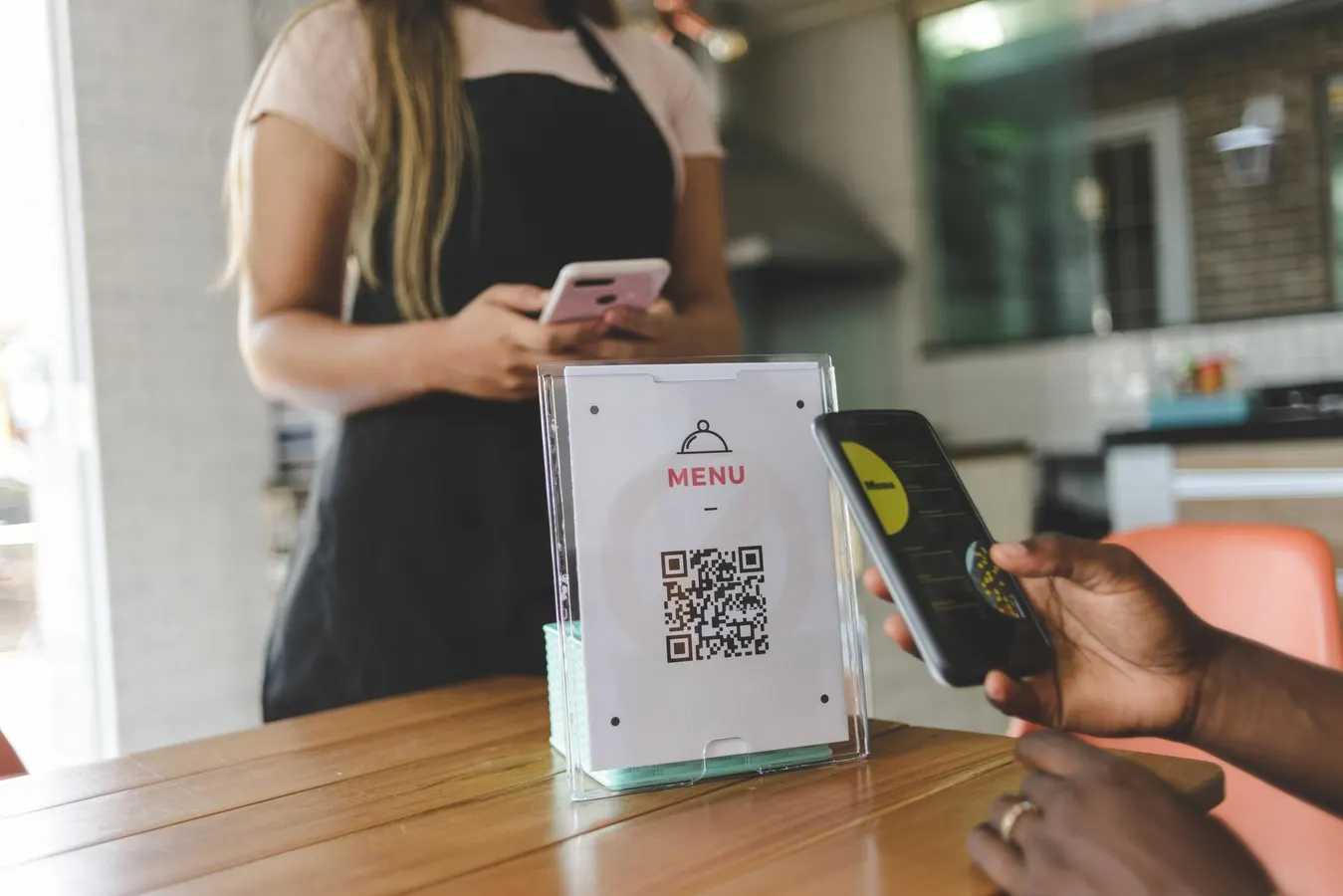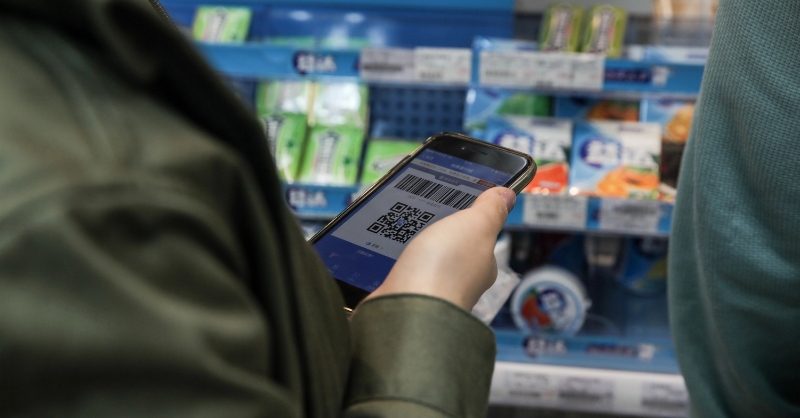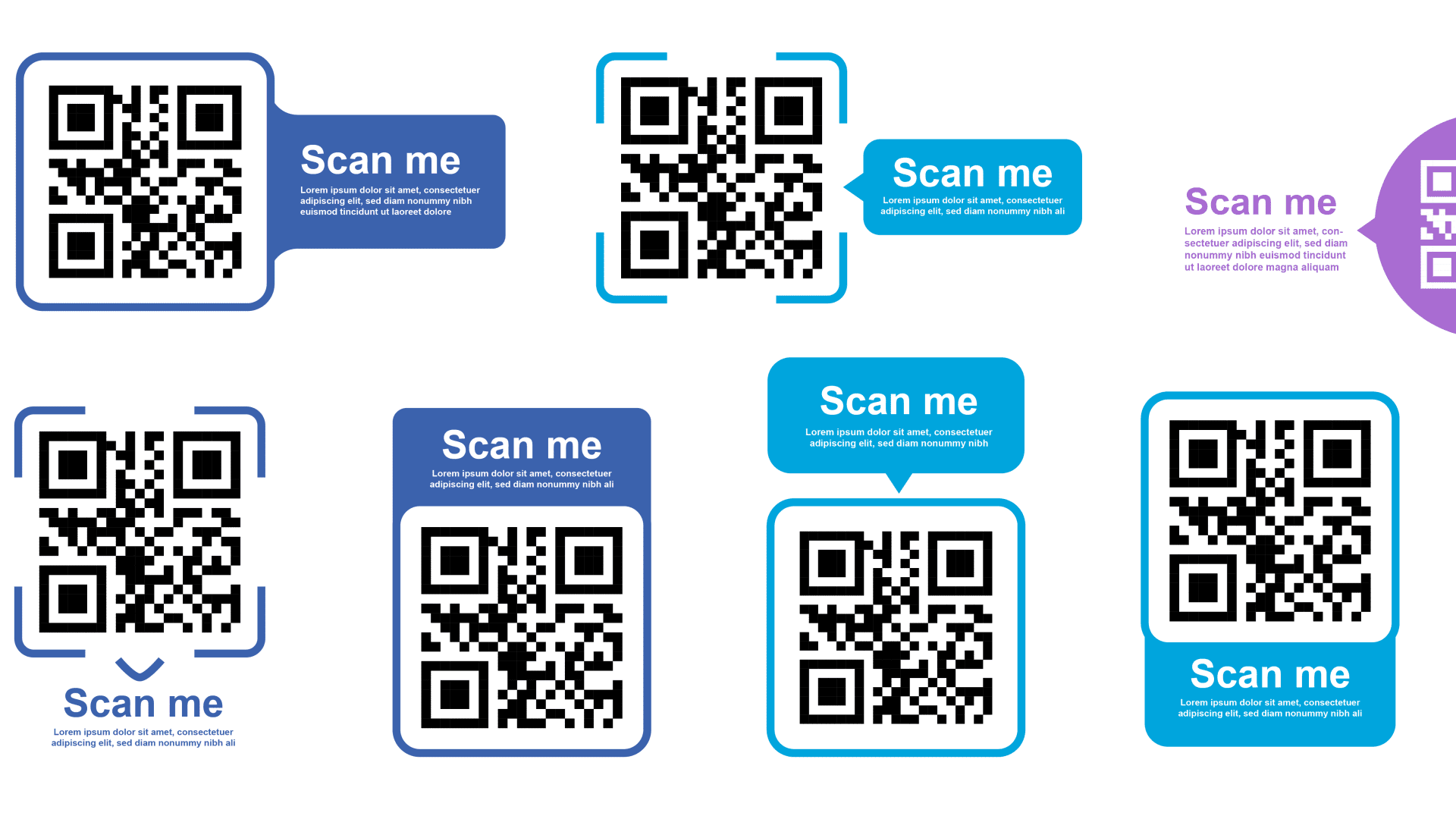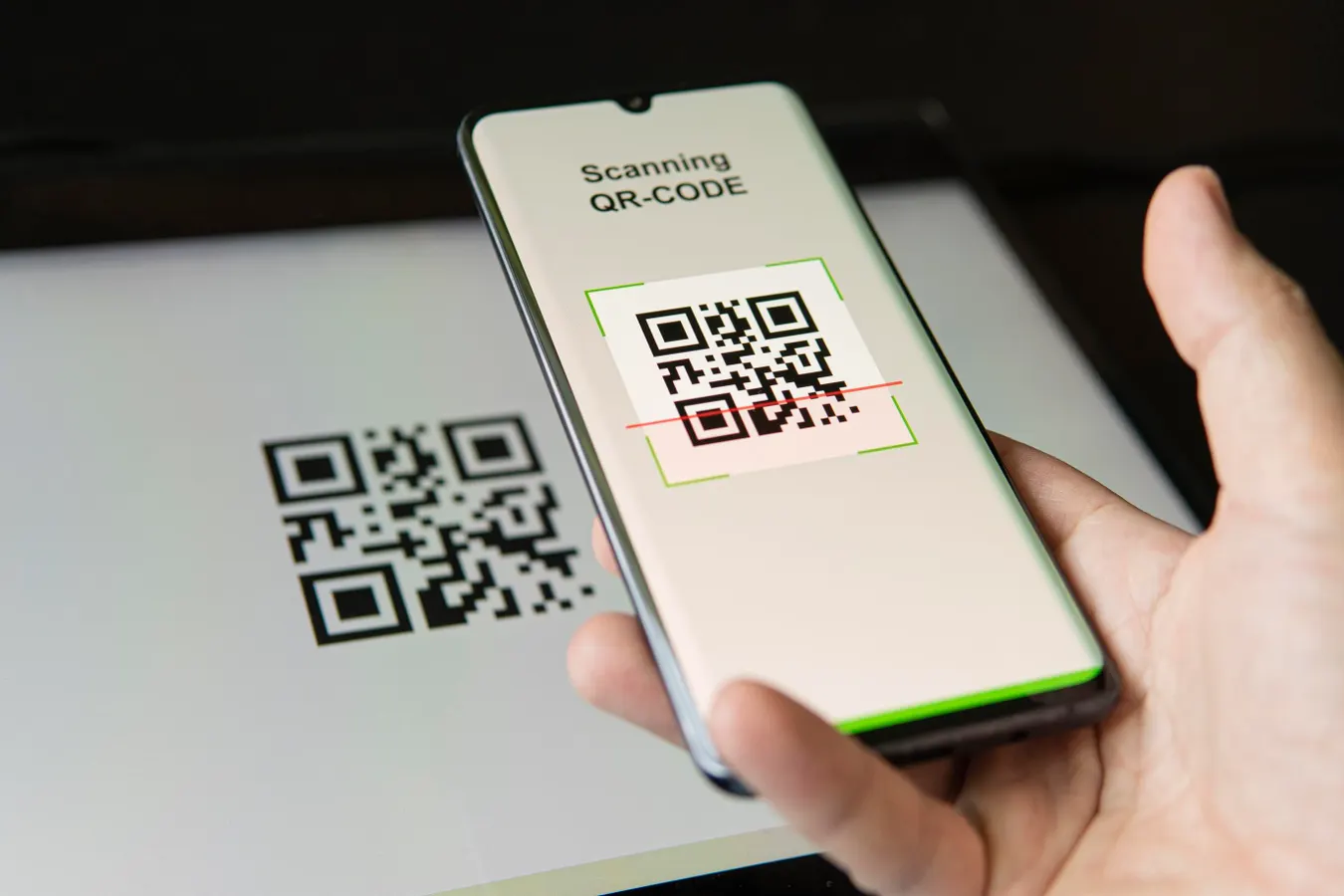
Benjamin Claeys is CEO of QR TIGER, MENU TIGER and GiftLips. He also hosts Stay QRious, a podcast about QR code best practices.gettySocial media is a core driver of modern digital business strategy. Businesses rely on it to build visibility, engage customers in real time and influence purchasing decisions.Data from DataReportal shows that the number of global social media users grew by 294 million since 2025, bringing the total to 5.79 billion. In effect, more than two-thirds of the world’s population now engages on social platforms in some form.More than the growth, it is how people engage. The majority of these interactions are happening on smartphones. This shift fundamentally changes how social media works. People no longer just consume content. They participate, share, respond and expect interaction. As a result, brand storytelling must adapt to these expectations.Businesses are increasingly using tools such as QR codes to turn even physical assets into a gateway to rich social media content, communities and brand experiences, delivering a unique brand story to customers without friction. If you're beginning to use QR code initiatives to help you and your audience to share deeper narratives, values and experiences that build trust and emotional connection, here are some of the most effective approaches to consider.QR Codes As A Bridge Between Real-World Moments And Digital NarrativesEvery photo at events, in stores or while using products shared by a customer is proof that a brand exists beyond its marketing. Yet, despite their value, businesses often lose access to these assets or rarely reuse them. Other companies approach it differently by using QR codes as a brand storytelling tool to capture real-world experiences and turn them into shareable narratives. You can easily store a link, text or image in a QR code and share it at events, place it on packaging and print it on billboards. Instead of treating them as tools, I believe they're most effective as infrastructure for brand storytelling, providing people with quick access to social handles to actively connect, engage and share personal content about the brand. Customers can become active storytellers with a single scan of a QR code. Brands gain a structured way to collect, amplify and integrate everyday customer moments into their broader social strategy and fuel their social media narratives. The Data Advantage Beyond EngagementOne of the hardest but most valuable lessons I learned from running our own QR code campaigns (and what is most often missed by many other businesses) is that dynamic QR codes are not merely engagement and performance-tracking tools; they are a real-time optimization framework. In one QR code campaign we launched back in 2025, we came to understand why engagement quality varied dramatically depending on where, when and how the QR codes appeared as we dove into the numbers and beyond the social media buzz. The initial assumption was that visibility would be the primary driver of success. We thought high scan volume alone automatically translates into meaningful audience interaction. In reality, context mattered more. Looking back, one thing I would have approached differently is to review analytics earlier in campaign development rather than treating it primarily as post-launch reporting. Scan data reveals high-interest locations, peak engagement periods and device behavior patterns. The earlier these are monitored, the faster teams can identify drop-off points, weak placements or audience fatigue before campaign momentum declines. Strategic Implications For Business LeadersQR codes for social media alone do not create engagement. The real differentiator is how strategically brands connect storytelling, user experience and data interpretation into a single ecosystem.For businesses, several operational lessons stand out:Treat the scan as the beginning, not the goal.A QR code should lead users into an experience with a clear emotional or functional payoff. High scan rates are meaningless if the destination lacks relevance, speed or narrative continuity.Design around mobile friction.Many campaigns fail because teams test experiences in ideal conditions rather than real-world environments. Optimize landing experiences for slower connections, different device generations and shortened attention spans.Use analytics to diagnose behavior rather than just measure reach.Dynamic QR data becomes valuable when interpreted contextually. Low engagement may indicate weak storytelling, poor placement visibility, technical friction or unclear calls to action. Avoid assuming every performance issue is creative-related.Pair QR codes with narrative context.The strongest-performing campaigns rarely rely on the QR code itself. They succeed because the surrounding content piqued curiosity, conveyed exclusivity or evoked emotional relevance before the scan.Build feedback loops during the campaign.Instead of waiting until campaigns end, continuously review scan behavior. Mid-campaign adjustments often produce larger gains than post-campaign learnings.A Final ConsiderationQR codes and social platforms are useful tools when used thoughtfully. What determines long-term success is how leaders use them to build meaningful, mutually beneficial relationships. Brands that understand this well respond through reciprocity. This can take many forms: featuring customer photos on official pages, spotlighting community stories, offering exclusive experiences or simply acknowledging contributors publicly. The brands that I believe will succeed with this strategy are the ones that transform everyday customer moments into shared narratives while ensuring those narratives create value for everyone involved.Forbes Technology Council is an invitation-only community for world-class CIOs, CTOs and technology executives. Do I qualify?
How Leaders Can Rethink QR Codes For Photo Sharing In Social Media
If you're beginning to use QR code initiatives to share deeper narratives that build trust and emotional connection, here are some effective approaches to consider.
856 words~4 min read