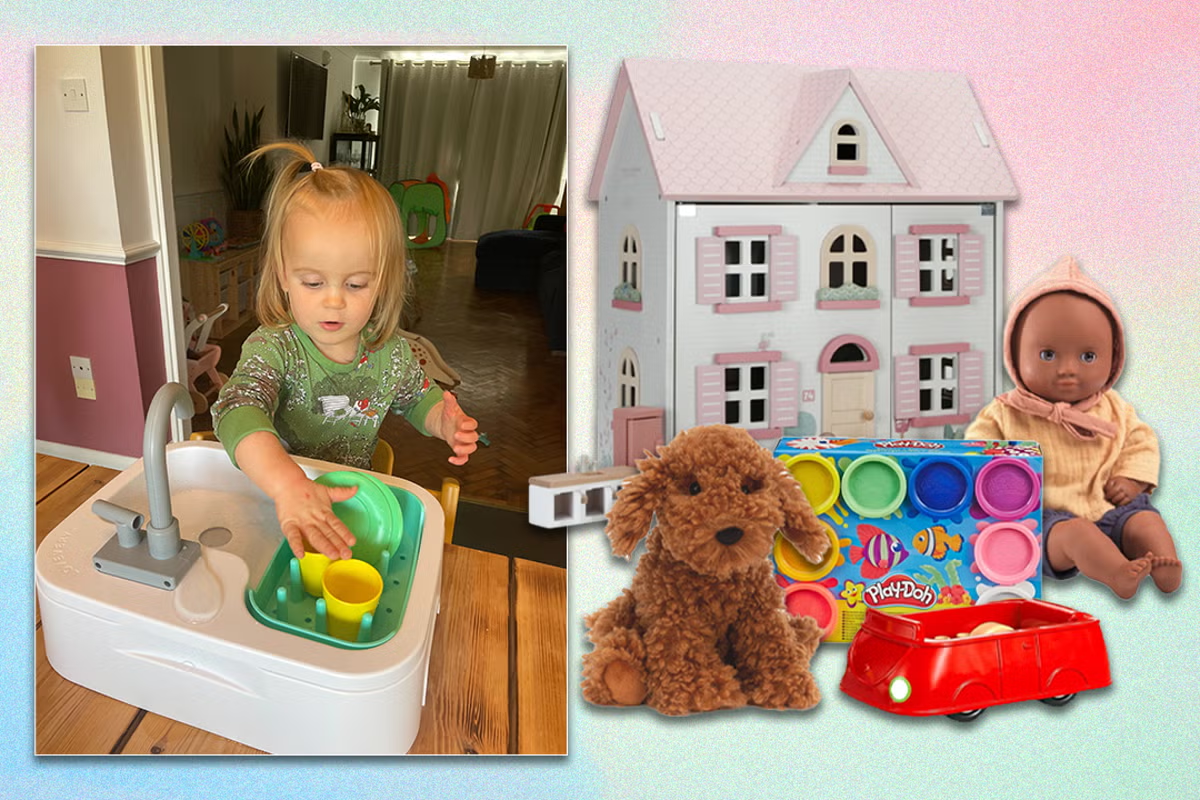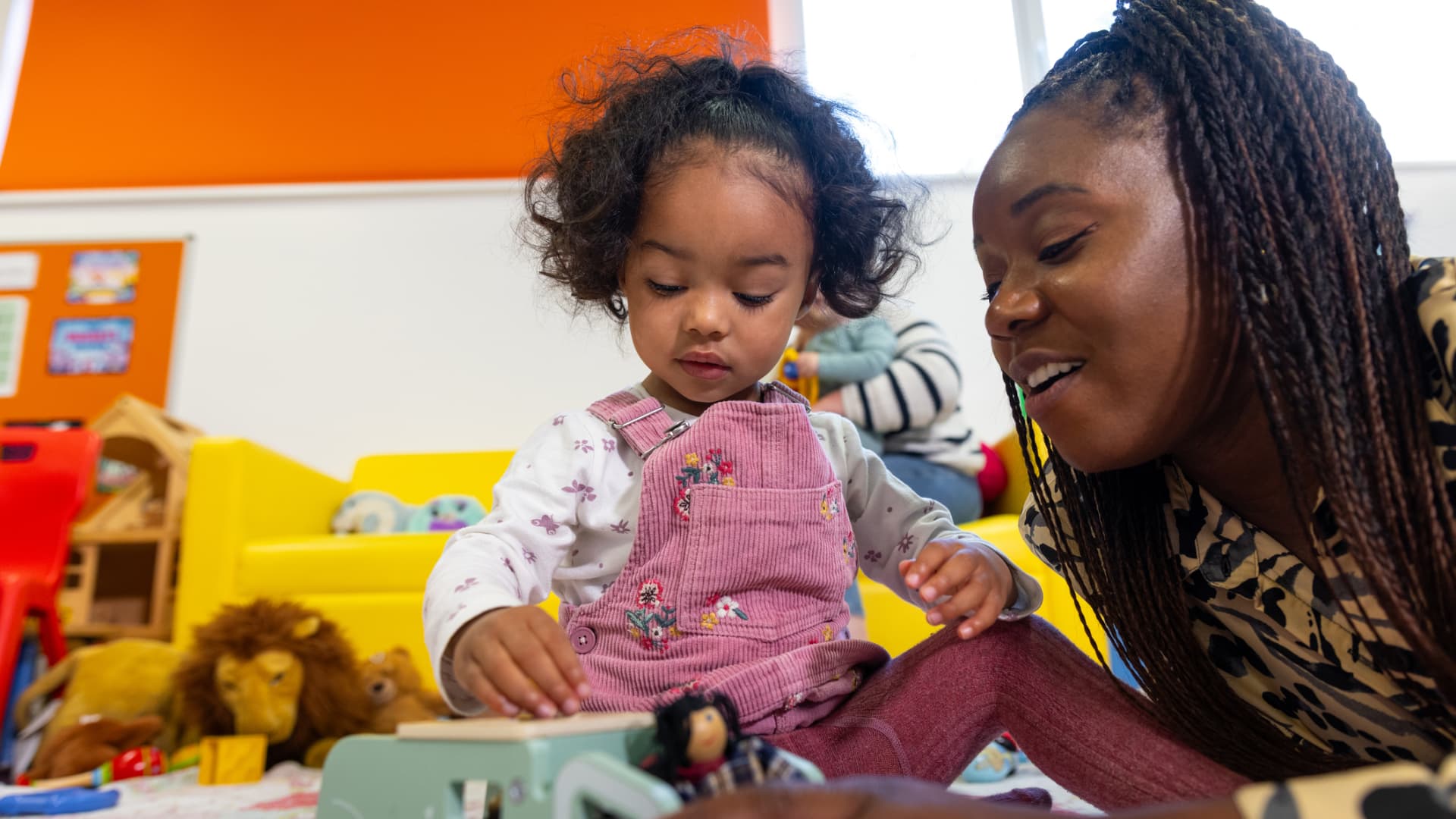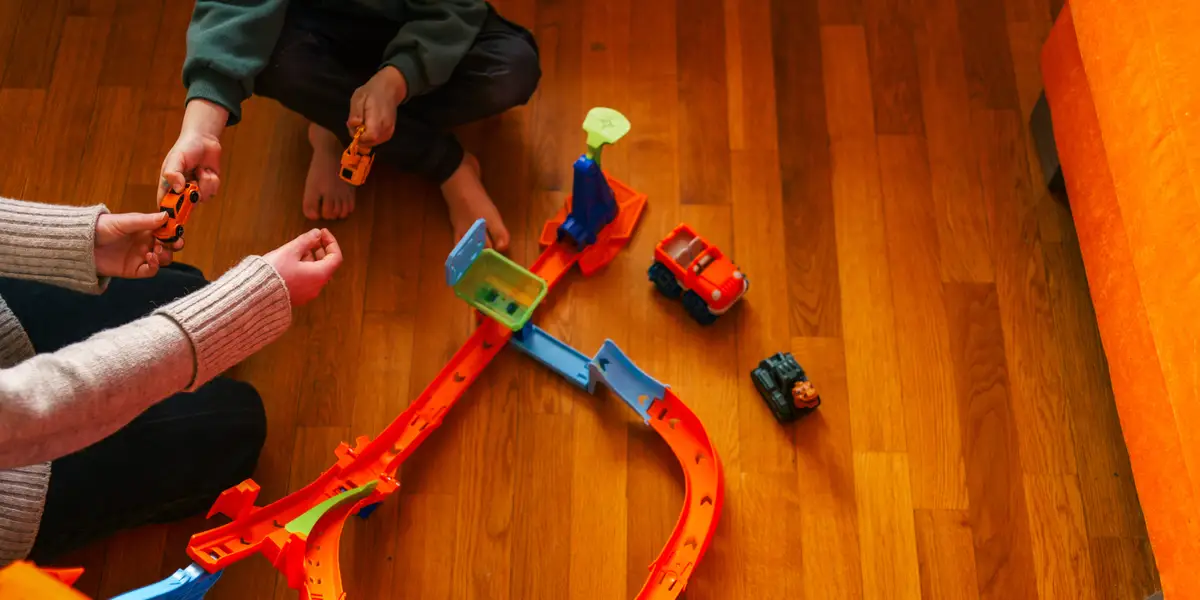
My 22-month-old son has just started enjoying imaginative play, and it’s a wonder to behold. There is little better than watching him feed his toy monkey a syringe of fake Calpol to make him feel ‘better’, or ‘discovering’ an imaginary bear or dragon when we are walking in the woods, or playing ‘cafe’ in his toy kitchen (even if the service is terrible).
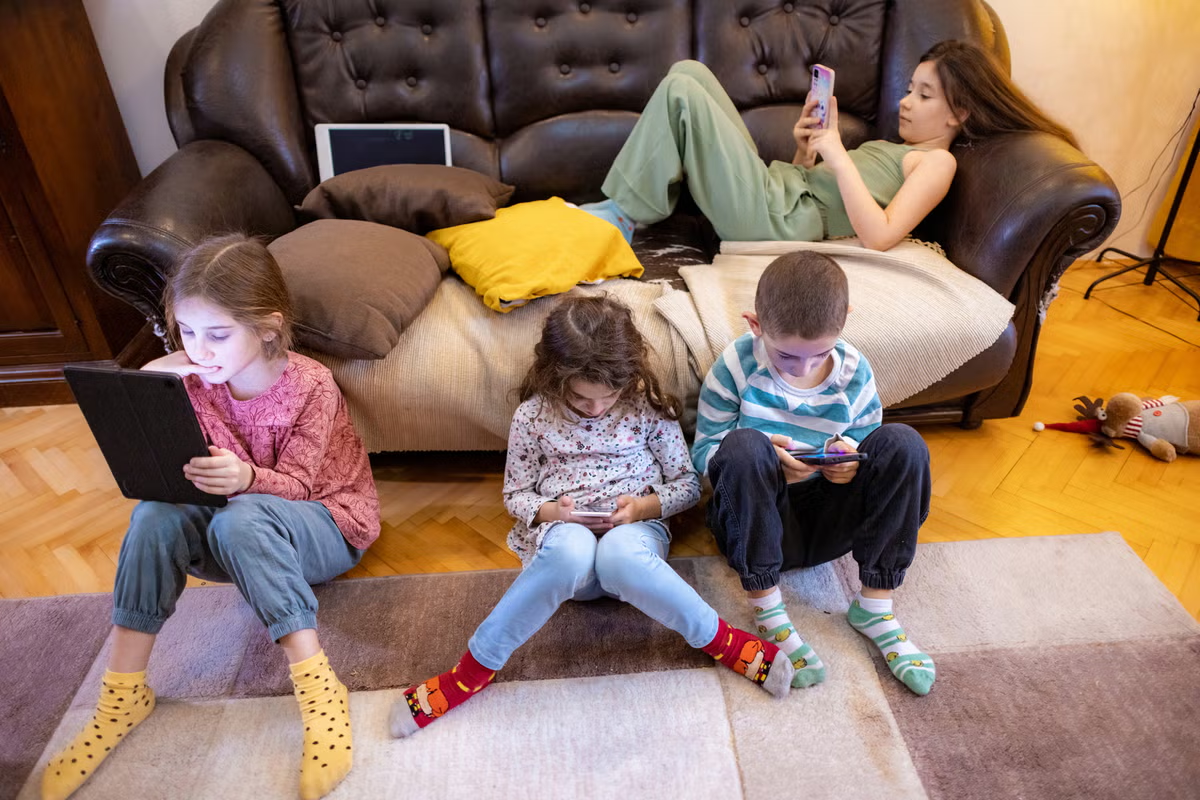
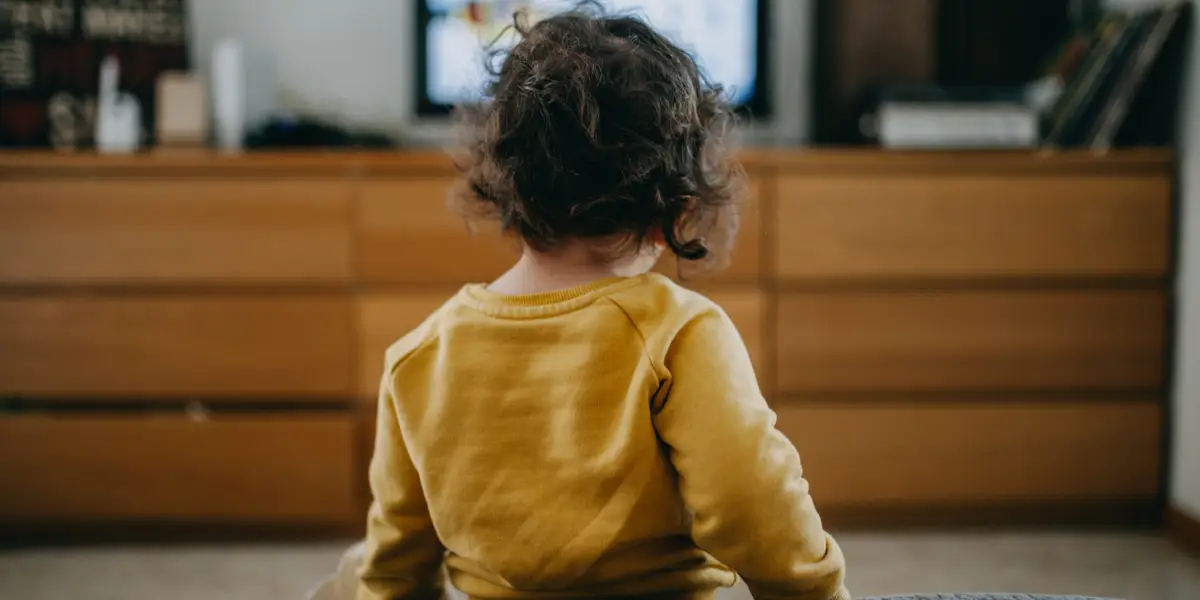
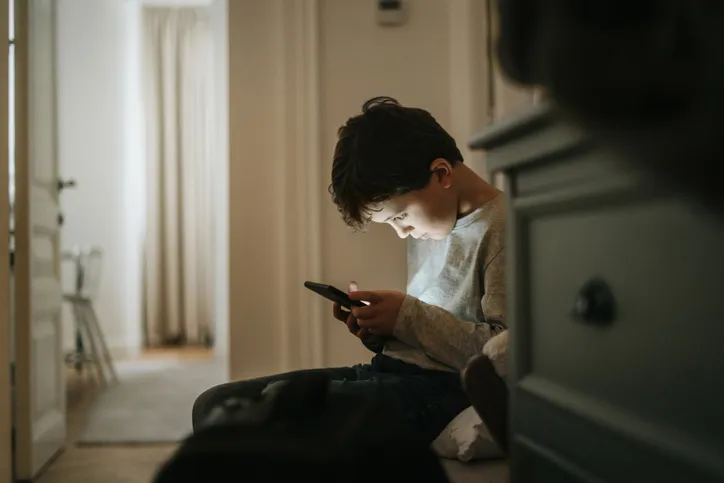
Yet imaginative play – whether that’s building a den, exploring outdoors or making up new games and words – increasingly seems to be a thing of the past. New research suggests that four- to nine-year-olds are more likely to ask for a screen than use their imagination. When bored, only one in ten would consider going outside to be the first thing to do, whilst one in four would instead ask for a phone, tablet or television. The survey also revealed that nearly two-thirds of parents thought that they themselves were more imaginative at the age their children are now, and the vast majority said today’s generation had less capacity to invent games.
I fear that this loss of childhood magic and awe will only worsen as AI infiltrates our lives
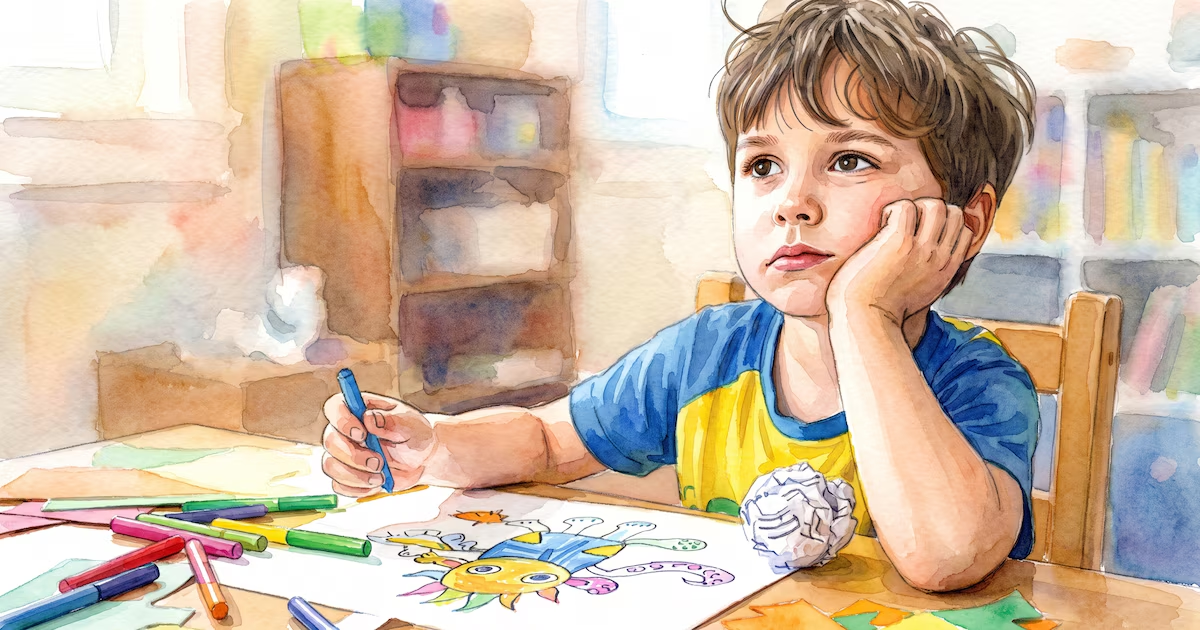
The problem is that nowadays people see boredom as a pathology to be cured rather than an opportunity to develop creativity, reflection, resilience and autonomy. The author Isaac Rudansky has warned before that: